Connect with us

Auto

Reps Investigate Failure of Nigeria’s Mass Transit Schemes Since 1999

Published

on

Mass Transit Schemes

By Adedapo Adesanya

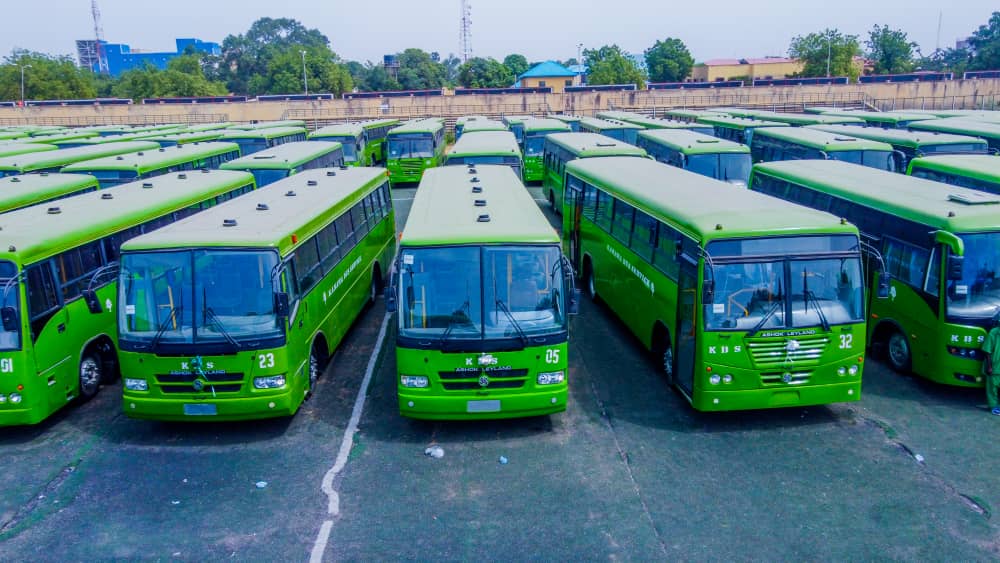
The House of Representatives Ad-hoc Committee is investigating the failure of Federal Mass Transit schemes in the country since 1999 as lawmakers have decried the serial mismanagement of public funds in Urban Mass Transit Schemes without results.

The Chairman of the Committee, Mr Afam Victor Ogene, in a statement in Abuja recently, warned that the committee will get to the root of the mismanagement of the funds that run into billions of Naira.

The lawmaker expressed displeasure at the seeming reluctance of ministries and agencies to release documents relating to public funds expended on previous Mass Transit Schemes.

“This investigation becomes important, especially at this period of gruelling multifaceted economic challenges that have heightened the sufferings of the people and lowered the living conditions of many,” he said.

The Labour Party representative of Anambra state disclosed that in 2012 alone, over N16 billion was released through The Infrastructure Bank (TIB) for the purchase of busses for public mass transit from the Subsidy Reinvestment and Empowerment Programme (SURE-P) funds under the administration of former President Goodluck Jonathan, and from the Public Mass Transit Revolving Fund (PMTF).

“A total of 1,179 vehicles were released to the beneficiaries under the scheme, with a repayment plan covering four years. However, according to TIB, many of the beneficiaries defaulted and didn’t repay the loans.

“Records have shown that as of December 2015, only two of the beneficiaries, ABC Transport PLC and The Young Shall Grow Transport Limited, liquidated their loans.

“Most of the beneficiaries are yet to pay as stipulated in the contractual agreements signed between them and TIB.

“Perhaps because they see the funds as usual government bonanza. But this is where they get it wrong because they can’t be living large with our collective scarce resources while the people suffer as a result of poor Mass Transportation.

“The committee shall make the defaulters to account for every government money they have misapplied,” he said.

The chairman of the committee also said that on October 4, 2016, the then Minister of Industry, Trade, and Investment, Mr Okechukwu Enelamah, announced that the federal government had also set up a N25 billion revolving loan scheme to enable transport companies in the country purchase mass transit vehicles.

“Just a year ago, August 2022, the immediate-past Minister of State for Transport revealed that the former President, Muhammadu Buhari, had approved the establishment of yet another Mass Transit Scheme, and a committee set up for its implementation”.

He said the committee had been mandated to look into these developments with a view to finding out what went wrong, who did what, and why the people are being made to suffer as a result of what may likely be individual, corporate, or institutional failures.


Adedapo Adesanya is a journalist, polymath, and connoisseur of everything art. When he is not writing, he has his nose buried in one of the many books or articles he has bookmarked or simply listening to good music with a bottle of beer or wine. He supports the greatest club in the world, Manchester United F.C.

Auto

Interswitch Digitises Nigeria’s Interstate Travel With Ticket Vending Platform

Published

on

Interswitch

By Modupe Gbadeyanka

Nigeria’s interstate transport ecosystem has been digitalised by the introduction of a ticket vending platform by one of Africa’s leading integrated payments and digital commerce companies, Interswitch.

This comprehensive digital solution was designed to transform ticketing, streamline operations, and enhance service delivery.

At the core of the solution is a secure, token-based system that allows travellers to purchase digital tickets across multiple channels, including web, mobile, and dedicated point-of-sale (POS) devices deployed at transport terminals.

These tokens serve as verifiable digital vouchers, which are validated and redeemed at boarding points, significantly reducing inefficiencies associated with manual ticketing, cash handling, and fragmented sales processes.

It was developed as both an operational management system and a digital marketplace to allow transport operators, particularly small and medium-scale businesses, to digitise their end-to-end processes while connecting to a broader customer base through the Quickteller ecosystem.

With this innovation, operators can seamlessly create and manage routes, oversee terminal activities, track sales, and access real-time performance insights from a single, centralised platform.

It also introduces a marketplace experience that enables travellers to search, compare, and select transport options across multiple operators based on routes, schedules, and pricing. This not only simplifies journey planning but also promotes transparency and choice for commuters.

The platform also supports corporate and institutional users by enabling bulk token purchases, offering a flexible and efficient solution for organisations managing employee or group travel.

In addition, it delivers value to regulators and stakeholders within the transport ecosystem by providing access to structured data and actionable insights that can support oversight, licensing, and consumer protection efforts.

“Transportation remains a critical backbone of Nigeria’s economy, yet much of the sector still operates with fragmented systems and manual processes that limit efficiency and growth.

“With the Ticket Vending Platform, we are introducing a scalable digital infrastructure that empowers transport operators to modernise their operations, expand their reach, and deliver a more seamless experience to travellers.

“Beyond ticketing, this is about creating a connected ecosystem, one that brings together operators, commuters, and regulators on a unified platform, while driving transparency, efficiency, and long-term value across the industry,” the Managing Director for Industry Ecosystems at Interswitch, Ms Chinyere Don-Okhuofu, said.

Continue Reading

Auto

FRSC, Brewery Companies Renew Pact to Tackle Drink-Driving

Published

on

FRSC Brewery Companies

The Federal Road Safety Corps (FRSC) has renewed a strategic partnership with major brewing companies in Nigeria to intensify efforts against drunk driving and improve road safety nationwide.

The renewed Memorandum of Understanding (MoU), signed with members of the Beer Sectoral Group (BSG), extends the collaboration for another five years, with both sides pledging to deepen public awareness, enforcement and community engagement.

FRSC Corps Marshal, Shehu Mohammed, said the partnership underscores the importance of synergy between government and the private sector in addressing road crashes, particularly those linked to alcohol consumption.

He stressed that saving lives on Nigerian roads requires sustained collaboration, adding that the corps would continue to work with industry players to promote responsible behaviour among motorists.

Speaking on behalf of the BSG, Managing Director of Nigerian Breweries Plc and Chairman BSG, Thibaut Boidin, said the renewal reflects the industry’s commitment to sustained collaboration with regulators. He cited previous joint campaigns, including the Don’t Drink and Drive Campaign, as impactful, adding that the next phase would focus on expanding reach and strengthening implementation.

Also speaking, the Managing Director of Guinness Nigeria, Girish Sharma, said the industry remains committed to supporting initiatives that promote safer roads. He noted that while alcoholic beverages are often blamed for road crashes, the real issue lies in irresponsible consumption, particularly drinking and driving.

“We are here to work with you and ensure that this programme grows bigger and delivers real impact. Saving lives is what matters most,” he said.

Similarly, the chief executive of International Breweries Plc, Mr Nicholas Kade, commended the FRSC for its dedication, describing the corps’ efforts as critical to making communities safer. He said the brewing industry would continue to support initiatives that promote responsible drinking and road safety.

The Executive Director of the Beer Sectoral Group, Ms Abiola Laseinde, described the renewal as a milestone in public-private collaboration.

She said the partnership had driven nationwide campaigns against drunk-driving, influenced behaviour and reached millions of Nigerians with road safety messages.

Ms Laseinde added that both parties would scale up interventions in the next five years to further reduce crashes and promote responsible alcohol consumption.

The FRSC and BSG’s partnership has been central to national campaigns discouraging drunk-driving, with stakeholders expressing optimism that the renewed agreement will deliver stronger outcomes.

Continue Reading

Auto

NRS Denies Introduction of New Vehicle Tax from July 1

Published

on

new vehicle tax

By Modupe Gbadeyanka

The Nigeria Revenue Service (NRS) refuted reports making the rounds on social media that the federal government plans to introduce a new tax on vehicles from July 1, 2026.

Mr Dare Adekambi, who serves as the Special Adviser to the NRS Chairman, Mr Zach Adedeji, and spokesperson for the organisation, said in a statement that the government was not planning to introduce the vehicle tax as claimed.

He described a viral infographic purporting the policy as false and misleading, urging members of the public to disregard it.

Mr Adekambi advised citizens to only rely on information from the NRS, urging them to follow the company its official handles on all social media platforms and its website for accurate information about tax and its activities.

In the infographic, motorists were directed to pay an unspecified vehicle tax rate online or at approved banks and agencies. The website listed as NRS’s was the old one, http://www.firs.gov.ng and not the new http://www.nrs.gov.ng created after it was rebranded.

“The NRS wishes to state categorically that the information did not emanate from the service or any government agency.

“Citizens are, therefore, advised to disregard the fabricated messages designed to mislead the public and instead rely on official government channels for information on government policies,” Mr Adekambi said in the statement.

Continue Reading

Trending