Banking
5 Smart Saving Hacks Nigerian Freelancers Need to Survive Rising Living Costs
By Margaret Banasko
Nigeria is at the forefront of Africa’s digital labour shift. According to the World Bank, the country leads a cohort of 17.5 million online gig workers across sub-Saharan Africa, with over 65% of the population under age 35 who make up the digital-native workforce. According to recent data from 2023, the Nigerian Bureau of Statistics (NBS) indicated that approximately 87.3% of employed Nigerians are primarily self-employed, reflecting a deep-seated culture of entrepreneurship.
The Nigerian freelancer’s life isn’t without its hurdles. Between the biting impact of inflation, a volatile exchange rate, and the soaring costs of power and data, many digital professionals are finding their margins squeezed like never before. Surviving this economic climate requires more than just hard work; it demands a shift in mindset. Success now hinges on thinking outside the box and maintaining the discipline to save.
Here are 5 actionable saving hacks that prove that financial discipline is the ultimate hedge against uncertainty. Whether you’re saving a little or a lot, consistency is the key to surviving in a volatile market.
- Build a “Dry Month” Emergency Fund
In the world of freelancing, some months are lucrative while others are quiet. A dedicated ‘Dry Month’ fund is your insurance against the unpredictable nature of client work. By automating your savings until you have a three-to-six-month cushion, you’re essentially paying your future self in advance. Treating this fund as a fixed monthly expense creates a rock-solid safety net, ensuring that a slow season never dictates your professional worth.
- Work From Home to Cut Fuel and Transport Costs
With the removal of fuel subsidies and the subsequent hike in transport fares, commuting to co-working spaces or client offices every day can drain your profits. Transitioning to a fully remote setup—or limiting outings to a single ‘errand day’—can save you tens of thousands of Naira monthly. Consistently diverting that transport money into a FairSave account will help you build a substantial buffer for a rainy day.
- Replace Physical Meetings with Virtual Calls
Beyond the transport cost, physical meetings consume your most valuable resource – time. Transitioning to video conferencing tools allows you to manage multiple clients across different time zones without leaving your desk. If a face-to-face meeting isn’t strictly necessary for closing a deal, opt for a virtual touchpoint. The data cost of a 30-minute video call is a mere fraction of the cost of a cross-town ride.
- Automate Your Savings
Manual saving rarely wins against the temptation of daily spending. Switching to FairMoney’s digital tools changes the game. By using FairSave for accessible interest or FairLock to secure a lump sum at a fixed rate, protecting your funds from impulsive spending. For goals like a new laptop or certification, FairTarget automates your progress toward the finish line. Letting money sit idle in an inflationary economy is a cost in itself; putting it into high-yield accounts ensures your money keeps pace with your hustle.
- Leverage Group Subscriptions
Internet data is the lifeblood of the digital professional, but as overheads rise, collective bargaining becomes a strategy. Many telecommunications providers now offer “family” or “group” data plans that are significantly cheaper per gigabyte than individual monthly subscriptions. By partnering with a few trusted fellow freelancers to share a large data pool, you can slash your monthly “office” overhead. It’s a simple collaborative hack that keeps everyone online for less.
In Nigeria’s volatile gig economy, the true measure of a freelancer’s success is not gross revenue, but capital retention. Amidst significant inflationary headwinds, these strategic financial levers serve as a critical buffer for your enterprise. By prioritising incremental, disciplined saving, digital professionals can insulate themselves against macroeconomic shocks and secure a competitive advantage in the long-term wealth game.
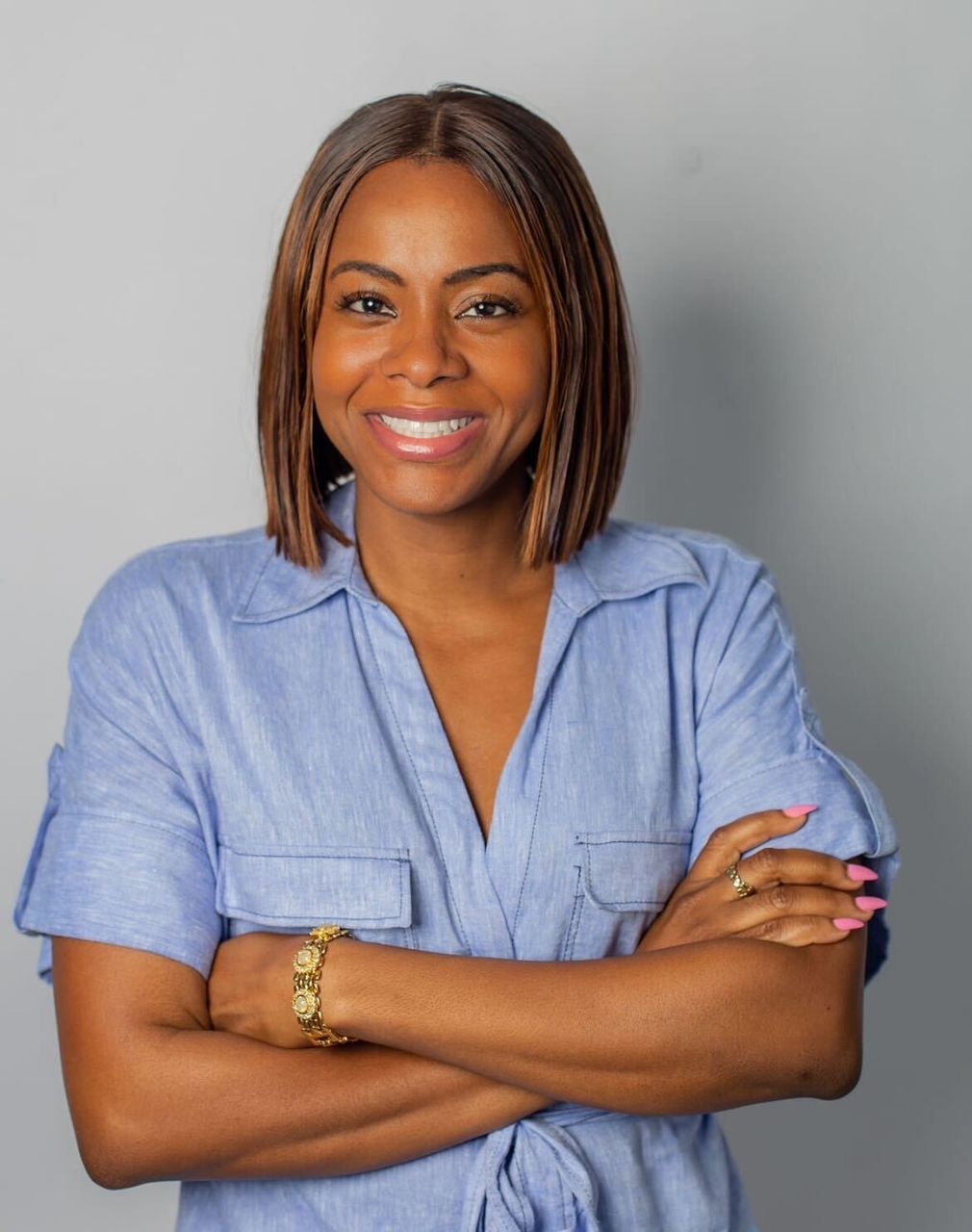
Margaret Banasko is the Head of Marketing at FairMoney Microfinance Bank
Banking
Ecobank to Approach Offshore Investors for $350m Bond Refinancing
By Aduragbemi Omiyale
Plans are underway by Ecobank Transnational Incorporated (ETI) to approach the international debt market for a capital raise.
The parent company of the Ecobank Group intends to use proceeds from the proposed exercise to refinance “the concurrent any-and-all tender offer of the ETI $350 million 8.750 per cent tier 2 notes due June 2031.”
However, the issuance of the notes is subject to prevailing market conditions and the conclusion of the necessary transaction documentation, a statement signed by the organisation’s chief financial officer, Mr Ayo Adepoju, stressed.
After issuance, the debt instrument may be listed on the London Stock Exchange, with the expectation that the bonds will be traded on its regulated market.
Ecobank noted that it would allocate an amount equivalent to the full net proceeds of the issue of the notes to finance or refinance, in part or in full, new and/or existing eligible assets as described in its Green Bond Framework (Ecobank-Sustainability), as amended and supplemented from time to time.
Ecobank, which has banking operations in 34 countries in Africa, is listed on the Nigerian Exchange (NGX) Limited, the Ghana Stock Exchange and the Bourse Régionale des Valeurs Mobilières (Stock Exchanges).
Banking
Unity Bank Disburses Over N500m to Traders Via SHOCOF
By Modupe Gbadeyanka
Over N500 million has been disbursed to small-scale traders and shop owners across Nigeria by Unity Bank Plc.
This is part of the financial institution’s efforts to promote SMEs and strengthen support for operators in the informal sector.
The funding support was given to beneficiaries through Unity Bank’s innovative loan product known as Shop Collateralised Facility (SHOCOF).
The package was designed to significantly improve access to financing, and further drive financial inclusion.
Originally introduced as a targeted intervention for traders in Southeast Nigeria, SHOCOF quickly gained traction and broad acceptance for its flexibility and tailored structure, prompting the Bank to expand the product nationwide.
Under the initiative, eligible customers can use their shops as collateral to access financing. The product simplifies access to credit by leveraging the commercial value and stability associated with fixed business locations, enabling traders to secure funds without the stringent collateral requirements associated with traditional lending structures.
The facility provides working capital support that enables beneficiaries to restock goods, increase inventory turnover, improve cash flow, and respond more effectively to market demand.
Recent reports indicate that more than 80 per cent of Nigeria’s small businesses operate informally, with many relying on personal savings and informal borrowing channels due to limited access to Bank credit. SHOCOF was developed to bridge this gap through a lending model tailored to the realities of market traders and small shop owners.
Speaking on the impact of the product, the Group Head, Risk Management, Unity Bank, Mr Olusegun Oladipo, said the Bank recognised the need for financing solutions aligned with the realities of informal sector businesses.
“SHOCOF was created to address a critical gap within the small business ecosystem by providing access to credit through a structure that traders can satisfactorily meet without much ado,” Mr Oladipo said.
“By recognising the value and stability embedded in their businesses, we have been able to support traders with the capital required to sustain and grow their operations,” he added.
Also commenting, the Divisional Head of SME and Retail Banking at Unity Bank, Ms Adenike Abimbola, said the nationwide adoption of the product reflects proper market segmentation to meet the growing demand for accessible financing among small business owners.
“What started as a targeted intervention in the Southeast, which quickly gained momentum because the product directly addressed the realities of everyday traders,” Ms Abimbola said.
Over the years, Unity Bank has continued to introduce targeted solutions aimed at empowering entrepreneurs, including its flagship Yanga account package developed to support female entrepreneurs.
The lender reaffirmed that expanding access to capital for underserved business segments remains critical to boosting trade, strengthening local economies, and driving sustainable economic growth.
Banking
Stanbic IBTC Redefines Home Ownership in Nigeria
By Aduragbemi Omiyale
The banking segment of Stanbic IBTC Holdings Plc, Stanbic IBTC Bank, is making home ownership in Nigeria seamless.
In partnership with the Ministry of Finance Incorporated Real Estate Investment Fund (MREIF), the lender is offering Nigerians highly attractive terms, including a fixed interest rate of 9.75 per cent, providing up to N100 million, with a flexible repayment period of up to 20 years. These features are well-suited to both consistent professional incomes and business owners.
The aim is to help professionals, entrepreneurs, and married couples in the country and the diaspora achieve homeownership with greater ease and confidence.
In a market where housing supply significantly lags demand and traditional mortgage penetration remains low, Stanbic IBTC Bank is enabling more eligible Nigerians with the financial capacity to take the important step toward ownership. The financial institution focuses on removing common barriers through clear processes and dedicated support.
Clients benefit from Stanbic IBTC’s comprehensive range of services, which covers pre-qualification, documentation support (including mixed-income scenarios), digital verification, and clear communication throughout.
Many applications are now progressing smoothly, with completion within three to four weeks, subject to the provision of required documents. This practical approach has made the process far more accessible for Nigerians both at home and in the diaspora.
As more professionals secure homes in high-growth areas, couples build family stability, and entrepreneurs expand their asset base, the positive impact is becoming increasingly visible.
Stanbic IBTC Bank’s consistent focus on transparency, efficiency, and client support is helping to make homeownership a realistic and rewarding choice for more Nigerians ready to build long-term wealth.
The company has achieved notable successes through the MREIF scheme, with many clients completing seamless ownership transitions, securing properties in strategic locations, and effectively converting rental expenses into valuable equity-building assets.
Interested individuals have been encouraged to explore this established offering by visiting the dedicated MREIF Home Loans page at https://www.stanbicibtcbank.com/mrief or contacting the nearest Stanbic IBTC Bank branch to begin the journey toward homeownership.
-
Feature/OPED6 years agoDavos was Different this year
-
Travel/Tourism10 years ago
Lagos Seals Western Lodge Hotel In Ikorodu
-
Showbiz3 years agoEstranged Lover Releases Videos of Empress Njamah Bathing
-
Banking8 years agoSort Codes of GTBank Branches in Nigeria
-
Economy3 years agoSubsidy Removal: CNG at N130 Per Litre Cheaper Than Petrol—IPMAN
-
Banking3 years agoSort Codes of UBA Branches in Nigeria
-
Banking3 years agoFirst Bank Announces Planned Downtime
-
Sports3 years agoHighest Paid Nigerian Footballer – How Much Do Nigerian Footballers Earn