
Brands/Products
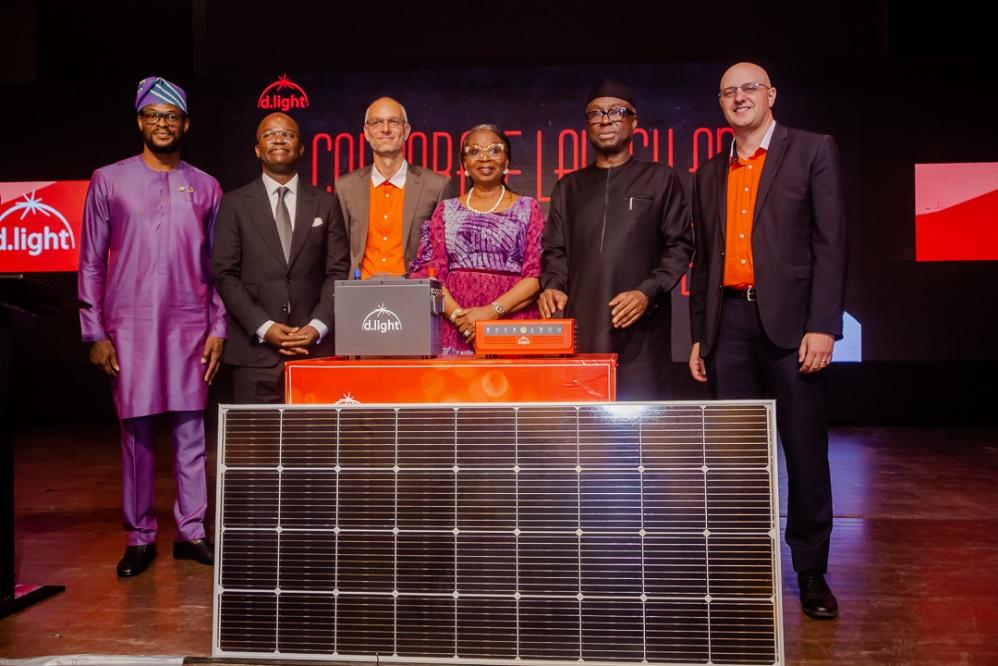
d.light to Explore Nigerian Solar Energy Market

By Modupe Gbadeyanka
More players are exploring the Nigerian solar energy market to provide consumers with better alternatives as the country battles with poor electricity supply from the national grip, which collapses at the slightest opportunity.
The latest entrant into the ecosystem is d.light, a global leader in social transformation. The company plans to flood the market with over 25 million sustainable products, including solar lanterns, solar home systems, TVs, radios and smartphones sold globally across over 70 countries.
At the launch of the brand in Nigeria recently, the chairman of the board, Mrs Ibukun Awosika, explained that the company’s goal is to bridge the gap and ensure inclusiveness for everyone.
“Our vision is to change the lives of billions of people on the face of the earth who cry for equity to have a chance to live a better life. We are in Nigeria to transform Africa one community at a time, and this is our driving force,” she said.
In his address, the co-founder and CEO, Ned Tozun, stated that d.light had employed over 6,000 people across Africa.
“Our target is lower-income individuals. There is the sun in the village and the cities, so when we just say a rural market, it is not. The guy who lives in Lagos but doesn’t have a generator shouldn’t even use a generator if he can have a solar solution. Why? Because of environmental sustainability.
“So, when you think about all the ESG matters, you will encourage more people to use alternate sources of energy rather than polluting sources of energy. That helps everywhere, whether you are in the city or the village. It is about lower income.
“What we’ve done is to think of the entire problem chain. Firstly, innovate the product. Two, how do you deliver it? Deliver it to them at the most reasonable price. Thirdly, make sure it’s affordable for them.
“How is it affordable? It is pay-as-you-go. They don’t have to look for the capital to buy. They look for signing-up, proving they have the ability to be able to pay every week – they have a different system: every week, every month, every day – are different available options, and as you increase your credibility ratio in terms of your performance, you then have opportunity to get into more,” he said.
On his part, the co-founder and president, Mr Sam Goldman, said, “The reality is that we are still so far from where we need to be in terms of our population and their needs.
“Hence, our target market is the low-income individuals, not just the rural communities, which is why the company adopts the ‘pay-as-you-go” model. Access to sustainable energy will not be possible except we solve the funding problem.”
d.light was established in 2007 by Ned Tozun, a Canadian, and Sam Goldman, an American, met at Stanford Business School. It has operated in several markets globally like India, China, Kenya, Uganda, Tanzania and Ethiopia before expanding to Nigeria.






Brands/Products
Migo Emerges as West Africa’s Most Trusted Gift Card Trading Platform, Offering Instant Cash for Apple, Steam,Razer Gold, and 50+ Gift Card Brands

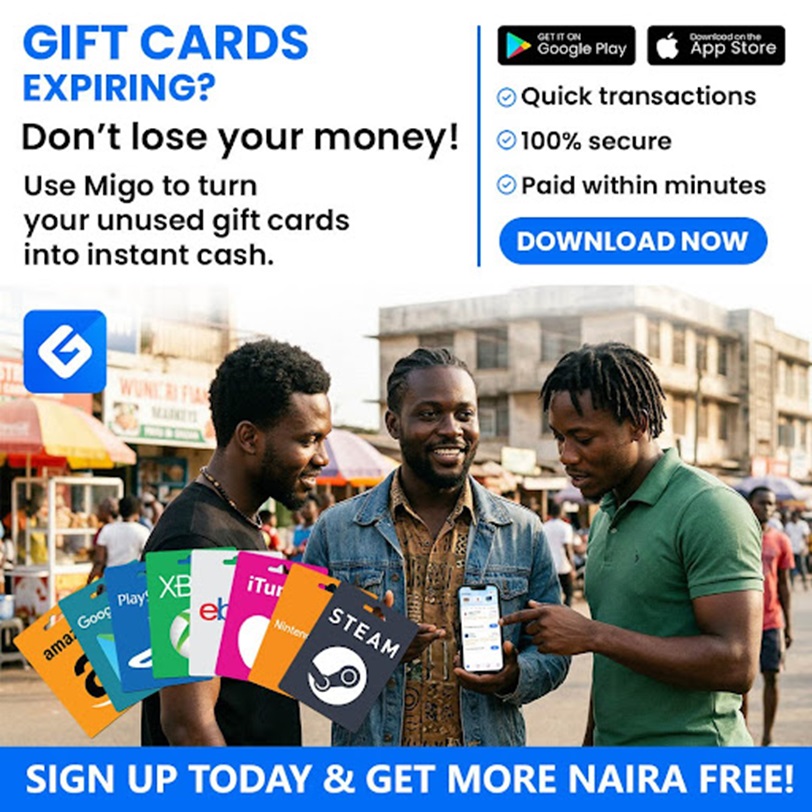
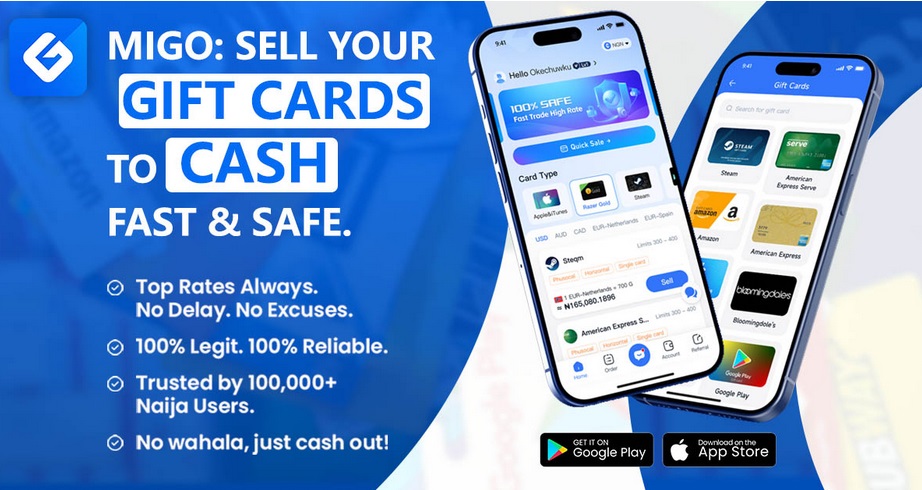
The Migo – Sell Gift Cards app is redefining how Nigerians and Ghanaians convert unused gift cards into instant cash — with the best exchange rates, bank-level security, and payments delivered in minutes.
Migo, a leading fintech platform in West Africa, today announced a major expansion of its gift card trading services, positioning itself as the definitive solution for Nigerians and Ghanaians seeking to sell gift cards for cash at the best available market rates. The platform now supports over 50 gift card brands — including Apple Gift Card, Amazon Gift Card, Go2Bank Gift Card, Google Play Gift Card, Visa Gift Card, Steam Wallet, and many more — with instant payment directly to Nigerian bank accounts and Ghanaian mobile money wallets.
West Africa’s Gift Card Market Is Booming — and Underserved
Gift cards have become one of the most widely circulated financial instruments in Nigeria and Ghana. Driven by growing diaspora remittances, the rise of remote work, international e-commerce, and corporate reward programmes, millions of dollars worth of gift cards flow into West Africa every year.
Apple Gift Cards, Amazon Gift Cards, Google Play Gift Cards, iTunes Gift Cards, Steam Wallet Gift Cards, eBay Gift Cards, Vanilla Visa Gift Cards, American Express Gift Cards, Sephora Gift Cards, Go2Bank Gift Cards, and Razer Gold Gift Cards are among the most commonly received cards in the region. Yet the vast majority of these cards cannot be used for everyday purchases in Nigeria or Ghana — they are locked to US or UK retail ecosystems.
Millions of naira in gift card value go unused every month across Nigeria and Ghana because recipients do not know where to sell safely.
Until recently, those looking to convert gift cards to cash had few good options. Social media groups on WhatsApp, Telegram, and Facebook Marketplace were riddled with fraudsters. Unregulated local dealers offered unpredictable rates and slow payment. The market urgently needed a trustworthy, technology-driven platform.
Migo was built to fill exactly that gap.
Migo – Sell Gift Cards: Built for Nigeria. Built for Ghana. Built for Speed.
Migo – Sell Gift Cards is a mobile-first fintech application that enables users across Nigeria and Ghana to sell gift cards instantly, securely, and at the best exchange rates. Available on Android and iOS — and free to download — Migo has rapidly grown into one of the most trusted gift card exchange platforms in West Africa.
The platform was designed with a single mission: to eliminate the friction, fear, and financial loss that has historically defined gift card trading in West Africa. With Migo, the process of converting an Apple Gift Card to Naira, exchanging a Visa Gift Card for Cedis, or cashing out a Steam Wallet Gift Card takes minutes, not days.
Platform: Migo – Sell Gift Cards
Available in: Nigeria and Ghana
Supported cards: 50+ brands including Apple, Amazon, Google Play, Visa, Go2Bank, Steam, eBay, Sephora, iTunes, Razer Gold, and more
Payment methods: Nigerian bank transfer (all major banks) | MTN MoMo | Vodafone Cash | AirtelTigo Money
Official Website: www.migogiftcard.com
Download — Android: Google Play Store
Download — iOS: Apple App Store
Online trading — WEB: Trade Now
A Platform That Accepts Every Major Gift Card Brand
One of Migo’s most significant competitive advantages is the breadth of its gift card catalogue. Users can sell virtually any major gift card brand on the platform, including:
Technology & Entertainment Gift Cards
- Apple Gift Card / iTunes Gift Card / App Store Gift Card — sell for Naira or Cedis
- Google Play Gift Card — convert to instant bank transfer
- Steam Gift Card — sell at competitive exchange rates
- Razer Gold Gift Card — trade for cash in Nigeria and Ghana
- Xbox Gift Card / PlayStation Gift Card — sell gaming gift cards for cash
Retail & Shopping Gift Cards
- Amazon Gift Card — one of the highest-demand gift cards in Nigeria
- eBay Gift Card — sell at live market rates
- Walmart Gift Card — convert to Naira or Cedis instantly
- Target Gift Card — sell securely via the Migo app
- Sephora Gift Card — beauty gift cards accepted at great rates
- Nike Gift Card — sports and lifestyle gift card exchange
Financial & Prepaid Visa/Mastercard Gift Cards
- Vanilla Gift Card (all types) — including Vanilla Visa, OneVanilla, MyVanilla Gift Card
- Go2Bank Gift Card (Visa-backed) — sell for instant cash in Nigeria and Ghana
- American Express Gift Card — Amex gift card exchange at live rates
- Paysafe Card — sell paysafe card for cash
Fashion, Lifestyle & Other Gift Cards
- Nordstrom Gift Card — fashion and lifestyle gift card exchange
- Macy’s Gift Card — sell department store gift cards
- Foot Locker Gift Card — sneaker gift cards converted to cash
- And 20+ more brands — check the Migo app for the full updated list
No matter which gift card brand you hold, Migo’s platform is designed to give you the fastest, safest, and most financially rewarding exit.
Why Thousands of Nigerians and Ghanaians Trust Migo for Gift Card Trading
1. Real-Time Gift Card Exchange Rates — Always Transparent
Migo’s live rate engine continuously monitors the global gift card market and forex conditions to offer users the most competitive rates available. Whether you are checking the Apple Gift Card rate today, Amazon Gift Card rate in Nigeria, Visa Gift Card exchange rate, or Go2Bank Gift Card rate in Ghana — Migo shows you exactly what you will receive before you commit. No hidden fees, no bait-and-switch pricing.
2. Fastest Gift Card Payment in Nigeria and Ghana
Once your gift card is verified, payment is processed and delivered — directly to your Nigerian bank account or Ghanaian mobile money wallet — typically within minutes. Supported Nigerian banks include GTBank, Access Bank, Zenith Bank, First Bank, UBA, Fidelity Bank, Stanbic IBTC, and all other commercial banks. Supported Ghanaian wallets include MTN MoMo, Vodafone Cash, and AirtelTigo Money.
3. Bank-Level Security for Every Transaction
Migo uses end-to-end encryption and a multi-layered fraud detection system to protect all card details and personal data. Unlike anonymous social media sellers, Migo operates as a verified, regulated fintech business with full accountability.
4. Simple Onboarding — Start Trading in Under 5 Minutes
Download the app for free, register with your phone number or email, complete a quick identity verification, and you are ready to sell any supported gift card brand. The onboarding process takes under five minutes.
5. All-in-One Gift Card Trading Dashboard
Check live rates for multiple gift card brands simultaneously, track transaction history, manage payment methods, and contact support — all within the Migo app.
6. Dedicated Customer Support — 24 Hours a Day, 7 Days a Week
Migo’s support team is available around the clock through in-app live chat, email, and social media. For more information, visit www.migogiftcard.com.
How to Sell Gift Cards on Migo: A Simple 4-Step Process
Migo has streamlined the gift card selling experience into four simple steps:
Step 1 Download the Migo app for free from Google Play or the App Store.
Step 2 Register and verify your account in under 2 minutes.
Step 3 Select your gift card brand, enter card details, and review your live payout amount.
Step 4 Confirm your preferred payment method and receive cash — directly to your bank or mobile wallet.
Most Migo users go from opening the app to receiving payment in under 20 minutes.
The Gift Card Trading Landscape in Nigeria and Ghana: Key Facts
To understand why Migo’s services are in such high demand, it helps to understand the scale of the gift card market in West Africa:
- Nigeria is one of the largest gift card trading markets in Africa, with millions of dollars in Apple Gift Cards, Amazon Gift Cards, and Visa Gift Cards received annually from the diaspora.
- Ghana’s mobile money infrastructure makes it one of the fastest-growing gift card exchange markets on the continent.
- Gift card scams cost Nigerian and Ghanaian users hundreds of millions of naira each year — making secure platforms like Migo essential.
- The most traded gift card brands in Nigeria include Apple Gift Card, Amazon Gift Card, iTunes Gift Card, Google Play Gift Card, Visa Gift Card, Steam Gift Card, and eBay Gift Card.
- The most traded gift card brands in Ghana include Apple Gift Card, Amazon Gift Card, Vanilla Visa Gift Card, Go2Bank Gift Card, and Google Play Gift Card.
- Remote workers and freelancers in Nigeria and Ghana frequently receive payment in gift cards from US and UK employers, driving sustained demand for reliable gift card exchange platforms.
- The Apple Gift Card rate in Nigeria and Amazon Gift Card rate in Nigeria are among the most searched financial queries in the country.
What Migo Users Are Saying
Across Nigeria and Ghana, Migo users consistently highlight three things: speed, security, and the best gift card rates. Here is what real users are saying:
Chukwuemeka, Lagos — Sold Apple Gift Card $100
NGN 162,000 received in 18 minutes
“I had been scammed twice on WhatsApp trying to sell my Apple Gift Card. Migo paid exactly what they showed me, with zero drama. Best gift card trading app in Nigeria, full stop.”
Abena, Kumasi, Ghana — Sold Amazon Gift Card $50
GHS 780 received via MTN MoMo in 23 minutes
“I use Migo for every gift card I receive now — Amazon, Google Play, Vanilla Visa. The rates are always the best I find anywhere, and the money comes fast.”
Biodun, Ibadan, Nigeria — Sold Go2Bank Visa Gift Card $500
NGN 814,000 received in 28 minutes
“For large amounts I need to trust the platform completely. I compared five platforms before choosing Migo. Best Go2Bank Gift Card rate, fastest payment, and zero hidden charges.”
Tunde, Abuja, Nigeria — Sold Steam Gift Card $200
NGN 326,000 received in 20 minutes
“I had a Steam Gift Card from a gaming client. Migo was the only platform that gave me a fair Steam Gift Card rate in Nigeria and actually paid on time. Highly recommended.”
Frequently Asked Questions (FAQ)
Q1: What is Migo – Sell Gift Cards?
A: Migo – Sell Gift Cards is a mobile application that allows users in Nigeria and Ghana to sell gift cards for instant cash. The platform supports over 50 gift card brands and delivers payment directly to local bank accounts and mobile money wallets at the best available exchange rates.
Q2: Which gift cards can I sell on Migo?
A: Migo accepts a wide range of gift cards including Apple Gift Card, Amazon Gift Card, Google Play Gift Card, iTunes Gift Card, Visa Gift Card, Go2Bank Gift Card, Vanilla Visa Gift Card, Steam Wallet Gift Card, eBay Gift Card, Sephora Gift Card, Razer Gold Gift Card, American Express Gift Card, Mastercard Gift Card, Xbox Gift Card, Walmart Gift Card, Target Gift Card, Nike Gift Card, Nordstrom Gift Card, and many more. Check the full list in the Migo app.
Q3: How do I download the Migo app?
A: The Migo – Sell Gift Cards app is free to download. Android users can get it on Google Play. iOS users can download it from the Apple App Store. You can also visit the official website at www.migogiftcard.com for more information.
Q4: How long does it take to receive payment after selling a gift card on Migo?
A: Most transactions are completed within minutes. In some cases, depending on card verification, it may take up to 30 minutes. Migo consistently delivers faster payments than other gift card trading platforms in Nigeria and Ghana.
Q5: What is the current gift card exchange rate on Migo?
A: Gift card exchange rates on Migo are updated in real time and vary by brand, denomination, and current forex market conditions. To check the latest Apple Gift Card rate, Amazon Gift Card rate, Visa Gift Card rate, or any other brand, open the Migo app or visit www.migogiftcard.com.
Q6: Is it safe to sell gift cards on Migo?
A: Yes. Migo uses end-to-end encryption, multi-layer fraud detection, and strict identity verification to protect all users and transactions. Migo is a registered and regulated fintech business — not an anonymous social media trader. Thousands of users across Nigeria and Ghana have safely traded gift cards on the platform.
Q7: How do I receive my payment after selling?
A: You can choose to receive payment via Nigerian bank transfer (GTBank, Access Bank, Zenith Bank, First Bank, UBA, and all major banks) or Ghanaian mobile money (MTN MoMo, Vodafone Cash, AirtelTigo Money). Simply enter your account details in the app before confirming your trade.
Q8: Does Migo charge any fees or hidden charges?
A: No. Migo does not charge hidden fees. The exchange rate displayed in the app is the final payout rate — what you see is exactly what you receive. There are no surprise deductions after submission.
Q9: Can I sell gift cards in Ghana using Migo?
A: Yes. Migo is fully available in Ghana. Ghanaian users can sell all supported gift card brands and receive payment in Cedis directly to their MTN MoMo, Vodafone Cash, or AirtelTigo Money wallet, or via bank transfer.
Q10: Where can I learn more about Migo?
A: Visit the official Migo website at www.migogiftcard.com for the latest rates, supported gift card brands, platform updates, and support resources.
About Migo – Sell Gift Cards
Migo – Sell Gift Cards is a West African fintech platform dedicated to providing safe, fast, and transparent gift card trading services for users in Nigeria and Ghana. The platform supports over 50 major gift card brands, offers real-time exchange rates, and delivers instant payment to all major Nigerian banks and Ghanaian mobile money providers. Visit www.migogiftcard.com or download the app on Google Play or App Store to get started.

By Modupe Gbadeyanka
The leading global platform for safe and trusted communication, Truecaller, has crossed the 500 million mark, with 150 million users outside of India and over 50 million users added in 2025.
The achievement underscores how trust has become one of the most essential layers in digital communication today, as demand for protection against spam, scam and unwanted communication continues to grow globally.
The platform also crossed 4 million paying subscribers globally earlier in the year, further strengthening one of its key revenue streams.
With half a billion people using the platform every month, Truecaller has evolved beyond just Caller ID. It has become an essential part of how communication works safely in the digital age; a daily-use trust layer that helps people verify identities, avoid fraud, and make informed decisions about who they interact with.
Today, Truecaller operates as a global digital utility platform, embedded into everyday communication habits for hundreds of millions of people. From identifying unknown callers to preventing fraud and enabling safer messaging, the platform has become a habitual, daily-use service that supports safer interactions across the phone ecosystem.
Despite serving more than half a billion users globally, the company remains relatively lean, with a team of approximately 470 employees building and operating the platform for users around the world.
“This is an important milestone for us, but it also says something bigger about the world we live in. More and more people need help navigating spam, scams, and unwanted communication every day.
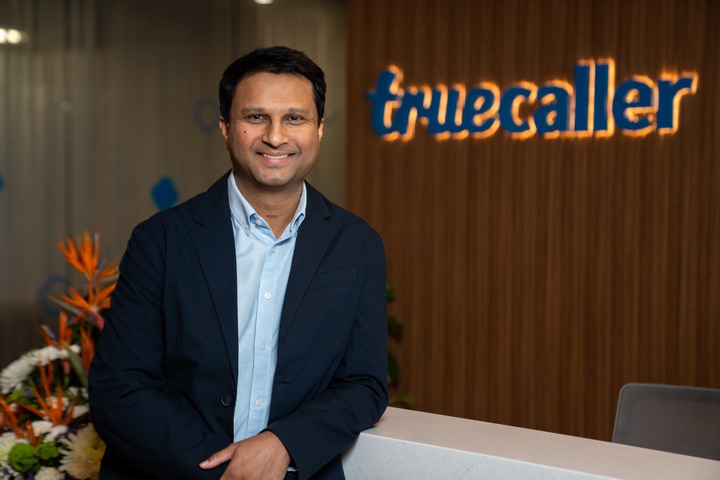
“Reaching 500 million users shows the scale of that need, and the trust people place in Truecaller to help make communication safer,” the chief executive of Truecaller, Mr Rishit Jhunjhunwala, commented.
“Our commitment remains focused on continuously strengthening Truecaller with smarter technology and new capabilities that protect users before, during, and after every call or message.
“Ultimately, we aim to build a safer, more trusted communication ecosystem for everyone. We now have our sights set on the next milestone, one billion users,” he added.


P+ Measurement Services, Nigeria’s leading independent media intelligence and PR measurement agency, will host the 31st edition of its flagship thought-leadership platform, EvaluatePR, on Friday, March 27, 2026, at 12:00 p.m. (WAT).
Themed PR After the Algorithm: Trust, Truth & Intelligence in 2026, this virtual session will convene professionals across public relations, communications, and media measurement to explore how algorithms, artificial intelligence, and digital ecosystems are reshaping reputation management, media influence, and audience trust.
With the increasing role of automation in communications, the event will challenge professionals to rethink how credibility is built and sustained in a fast-evolving digital landscape, while emphasising the need for transparency, ethical measurement, and strategic intelligence.
The session will feature a distinguished lineup of speakers representing diverse expertise across global communications, media intelligence, and analytics: Felicia Nugroho – Director, Analytics & Insights, Maverick Indonesia / Chair, Asia Pacific & International Board Director, AMEC; Cyrille Djami – Founder & Publisher, CommsOfAfrica; Strategic Communications, Editorial and Influence Consultant; Amrita Sidhu – Managing Director, Medianet / Director & Board Representative, AsiaNet / Board Member, AMEC; and Satira Osemudiamen Oreweme – Principal Consultant, Satira Media & Public Relations Limited.
Together, they will lead insightful discussions on how communicators can navigate the intersection of technology and trust, maintain authenticity in automated environments, and leverage data-driven intelligence to deliver meaningful communication outcomes.
Participation in the session is free, with access available via the official registration link: https://bit.ly/4stWjUh
-
 Feature/OPED6 years ago
Davos was Different this year
-
Travel/Tourism10 years ago
Lagos Seals Western Lodge Hotel In Ikorodu
-

 Showbiz3 years ago
Estranged Lover Releases Videos of Empress Njamah Bathing
-
 Banking8 years ago
Sort Codes of GTBank Branches in Nigeria
-

 Economy3 years ago
Subsidy Removal: CNG at N130 Per Litre Cheaper Than Petrol—IPMAN
-

 Banking3 years ago
Sort Codes of UBA Branches in Nigeria
-

 Banking3 years ago
First Bank Announces Planned Downtime
-

 Sports3 years ago
Highest Paid Nigerian Footballer – How Much Do Nigerian Footballers Earn