
Brands/Products
Hair Loss Treatments for Thicker, Fuller, Healthy Hair


Hair loss treatments for thicker, fuller, healthy hair are sought by millions who want to restore confidence and improve hair density. Whether thinning stems from genetics, stress, nutrition, or styling damage, a layered approach, combining medical therapies, topical products, lifestyle changes, and smart styling, typically delivers the best results. Happy Head products demonstrate how combining effective formulations with evidence-based routines can support measurable improvements. This guide walks through the common causes of hair thinning, evidence-based medical options, over-the-counter products that actually help, nutritional strategies, and practical haircare routines. It’s written to help a busy professional quickly separate hype from high-value actions and choose the right path forward.
Understanding Hair Thinning And Its Causes
Common Patterns And Medical Causes
Recognizing the pattern of hair loss is the first diagnostic step. Male-pattern and female-pattern hair loss (androgenetic alopecia) produce predictable thinning, receding hairlines and vertex thinning in men: diffuse crown thinning in women. Other medical causes include autoimmune conditions like alopecia areata, thyroid dysfunction, scalp infections, and medication side effects. A clinician will look for family history, onset speed, and signs such as scalp inflammation or scarring.
Telogen Effluvium, Nutritional Deficiencies, And Styling Damage
Telogen effluvium is a common reversible cause where more hairs enter the resting (telogen) phase after triggers like severe illness, childbirth, surgery, or abrupt dieting. Nutritional deficits, iron deficiency, low vitamin D, inadequate protein, or zinc shortfalls, can shrink hair shafts and slow growth. Finally, mechanical and chemical damage (tight hairstyles, frequent bleaching, thermal overuse) weakens hair and increases breakage, creating the appearance of thinning even when follicles remain viable.
Understanding the root cause matters because treatments differ: hormone-modulating therapies for androgenetic alopecia, nutrient repletion for deficiency, and habit changes for styling damage. A targeted approach avoids wasting time and money on mismatched solutions.
Clinically Proven Medical Treatments
Topical Minoxidil: Usage, Strengths, And Expectations
Topical minoxidil is the most accessible, evidence-backed treatment for many forms of thinning. Available in 2% and 5% formulations (and foams and solutions), it lengthens the anagen (growth) phase and can thicken miniaturized follicles. Users should expect 3–6 months before visible change and up to a year for maximum effect. Side effects are usually mild, scalp irritation or unwanted facial hair in rare cases. Importantly, stopping minoxidil typically leads to return to baseline within months.
Oral Medications And Hormone Therapies
Finasteride and dutasteride inhibit DHT and are effective for male-pattern hair loss: they require prescription and monitoring for side effects. In women, oral anti-androgens (spironolactone, cyproterone acetate where available) and combined oral contraceptives can help when androgens drive thinning. Thyroid replacement and treating systemic conditions also restore hair when an underlying disease is identified.
Low-Level Laser Therapy And Platelet-Rich Plasma (PRP)
Low-level laser therapy (LLLT) devices, helmets and combs, stimulate cellular activity and have modest but consistent evidence for increasing hair density when used regularly. PRP, an in-office procedure where a patient’s concentrated platelets are injected into the scalp, shows promising results in controlled studies, often used alongside minoxidil or finasteride. Both options are adjunctive, not miracle cures.
Hair Transplant Surgery: Who It’s For And What To Expect
Follicular unit extraction (FUE) and follicular unit transplantation (FUT) relocate robust donor follicles to thinning areas. Transplants are best for stable, patterned hair loss with adequate donor supply. Expect a multi-stage process: consultation, harvesting, implantation, and months of regrowth. Results are permanent for transplanted follicles, but continued treatment may be needed to protect native hair. Cost, recovery, and surgeon skill are critical variables, select a board-certified specialist with a strong portfolio.
Nonprescription Products That Can Improve Volume
Thickening Shampoos, Conditioners, And Scalp Serums
Volumizing shampoos and conditioners add temporary body by coating hair shafts and lifting roots. Look for sulfate-free formulas if the scalp is sensitive. Scalp serums aimed at improving scalp health, hydration, barrier repair, and mild exfoliation, can create a better environment for hair growth when used consistently.
Peptides, Botanicals, And Other Active Ingredients To Look For
Topical products that include peptides, caffeine, saw palmetto extract, and nicotinamide have varying levels of supportive evidence. Peptides may signal follicles to strengthen, while botanical DHT inhibitors like saw palmetto show modest benefit in some studies. Ingredients such as niacinamide, panthenol, and hyaluronic acid support hair appearance and scalp moisture: they’re low-risk and can complement proven medical therapies.
Cosmetic Solutions: Concealers, Fibers, And Styling Sprays
For immediate visual impact, cosmetic tools are effective: colored fibers adhere to hairs and scalp, scalp-concealing powders mask contrast, and root-lifting sprays boost volume. These are ideal when results are needed quickly (product launches, client meetings) and are a low-cost bridge while medical treatments take effect.
Lifestyle, Nutrition, And Supplements For Stronger Hair
Dietary Patterns And Key Nutrients (Protein, Iron, Zinc, Biotin, Vitamin D)
A balanced diet supports hair growth. Hair is protein-rich, so adequate dietary protein is foundational. Iron deficiency is a common, reversible contributor to shedding, ferritin testing is useful. Zinc supports keratin structure: severe deficiency impairs growth. Biotin deficiency is rare, but biotin supplementation helps certain metabolic disorders. Vitamin D receptors influence follicle cycling: correcting deficiencies can aid regrowth.
Supplements With Evidence Versus Hype
Marine collagen, multivitamins, and targeted hair formulas often contain useful cofactors (iron, zinc, B-complex). Clinical benefit varies, iron for depleted patients and vitamin D for deficient individuals have the strongest rationale. Over-the-counter mega-doses or single-ingredient miracles are mostly unsupported. A healthcare provider should guide supplementation, especially where interactions or underlying conditions exist.
Stress Management, Sleep, And Scalp Health Practices
Chronic stress and poor sleep exacerbate telogen effluvium. Practices such as regular exercise, mindfulness, and sleep hygiene reduce cortisol spikes that can disrupt hair cycles. Scalp care, regular cleansing to prevent follicular buildup, avoiding harsh abrasives, and addressing dandruff or dermatitis, maintains a hospitable environment for follicles.
Practical Haircare Routine And Styling Tips To Maximize Fullness
Washing, Drying, And Gentle Handling Techniques
Wash frequency should match scalp oiliness: over-washing strips the hair of protective oils while under-washing can cause buildup and weight. Use lukewarm water, gentle sulfate-free cleansers, and a silicone-light conditioner applied mid-shaft to ends. Pat dry and detangle with a wide-tooth comb when damp to minimize breakage.
Heat, Chemical Treatments, And Protective Styling Choices
Limit high-heat styling and reduce chemical services (bleaching, aggressive relaxers) that permanently weaken cortex structure. When heat is used, apply a heat protectant and choose lower temperature settings. Favor loose protective styles over tight ponytails or braids that produce traction alopecia.
Cuts, Color, And Styling Tricks That Create The Illusion Of Volume
A layered haircut, textured ends, and root-lifting cuts create visual density. Strategic color, subtle highlights, adds dimension and reduces scalp contrast, making hair appear fuller. Styling techniques like blow-drying roots upward, using lightweight mousse, and finishing with a texturizing spray can amplify volume without heavy residue.
How To Choose The Right Treatment Plan And When To See A Specialist
Setting Realistic Timelines, Tracking Progress, And Combining Therapies
Effective plans set realistic expectations: initial improvements generally appear after 3–6 months: meaningful density gains can take 9–12 months. Combining topical minoxidil with an oral agent (when appropriate), LLLT, targeted supplements, and improved haircare delivers better outcomes than any single intervention. Track progress with photos, vertex measurements, and symptom logs to evaluate efficacy objectively.
Questions To Ask A Dermatologist Or Hair Restoration Specialist
Prepare focused questions: What is the likely diagnosis and its cause? Which treatments are evidence-based for this pattern? What are potential side effects and costs? Will continued therapy be necessary to maintain results? Ask about credentials, before-and-after photos, and alternative options. For clinics offering surgical solutions, verify board certification and patient testimonials.
For time-pressed professionals in SEO and business, delegating routine monitoring, using periodic telemedicine check-ins or a trusted clinician, keeps treatment on track without disrupting work priorities.
Conclusion
Treating thinning hair for thicker, fuller, healthy hair is rarely a one-step fix. A pragmatic strategy starts with identifying the cause, adopting evidence-based medical treatments where appropriate, supporting follicle health with targeted products and nutrition, and applying styling techniques that maximize visible volume. Busy professionals should prioritize high-impact, low-friction interventions, like starting topical minoxidil, correcting nutrient deficits, and switching to gentler styling, to see measurable progress within months. When uncertainty remains or hair loss progresses, timely consultation with a dermatologist or hair restoration specialist ensures the chosen path is safe, effective, and tailored to the individual’s lifestyle and goals.




P+ Measurement Services, Nigeria’s leading independent media intelligence and PR measurement agency, will host the 31st edition of its flagship thought-leadership platform, EvaluatePR, on Friday, March 27, 2026, at 12:00 p.m. (WAT).
Themed PR After the Algorithm: Trust, Truth & Intelligence in 2026, this virtual session will convene professionals across public relations, communications, and media measurement to explore how algorithms, artificial intelligence, and digital ecosystems are reshaping reputation management, media influence, and audience trust.
With the increasing role of automation in communications, the event will challenge professionals to rethink how credibility is built and sustained in a fast-evolving digital landscape, while emphasising the need for transparency, ethical measurement, and strategic intelligence.
The session will feature a distinguished lineup of speakers representing diverse expertise across global communications, media intelligence, and analytics: Felicia Nugroho – Director, Analytics & Insights, Maverick Indonesia / Chair, Asia Pacific & International Board Director, AMEC; Cyrille Djami – Founder & Publisher, CommsOfAfrica; Strategic Communications, Editorial and Influence Consultant; Amrita Sidhu – Managing Director, Medianet / Director & Board Representative, AsiaNet / Board Member, AMEC; and Satira Osemudiamen Oreweme – Principal Consultant, Satira Media & Public Relations Limited.
Together, they will lead insightful discussions on how communicators can navigate the intersection of technology and trust, maintain authenticity in automated environments, and leverage data-driven intelligence to deliver meaningful communication outcomes.
Participation in the session is free, with access available via the official registration link: https://bit.ly/4stWjUh
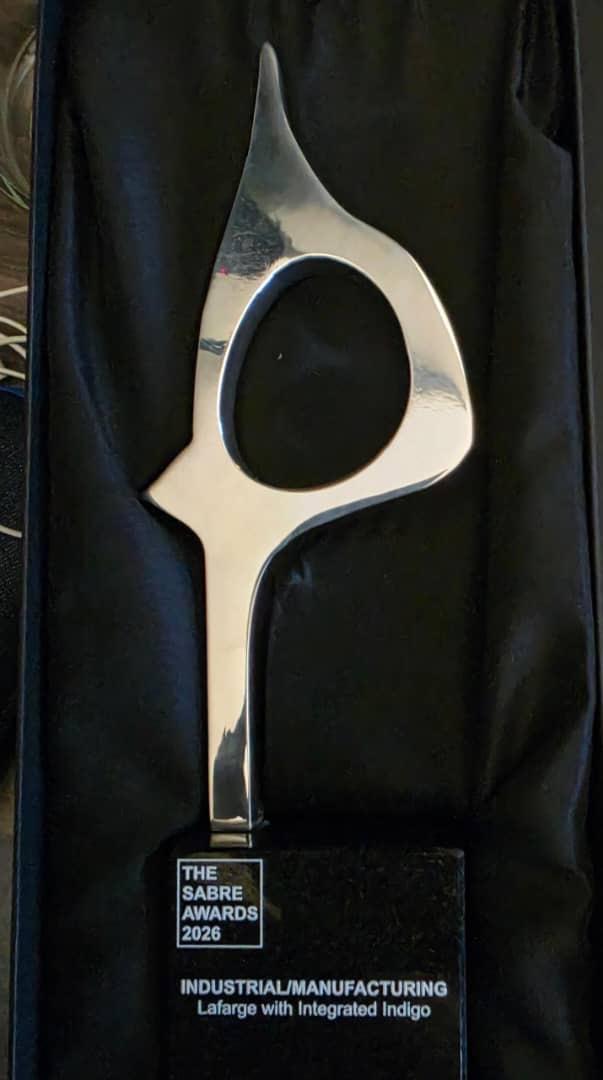
Integrated Indigo Limited, one of Nigeria’s leading full-service marketing communications consultancy firms, has once again proved its mettle as an agency to reckon with, not only in Nigeria but also across the continent, by winning another award at the 2026 Superior Achievement in Branding, Reputation & Engagement (SABRE) Awards recently held in South Africa.
Indigo won in the Industrial/Manufacturing category for its impactful ‘Women on Wheels’ campaign executed for Lafarge Africa Plc. The award-winning ‘Women on Wheels’ campaign was designed to challenge gender stereotypes and promote inclusivity within the industrial and manufacturing sector, while amplifying Lafarge Africa’s commitment to empowering women through innovative and purpose-driven initiatives.
Last year, the agency emerged as the winner for its effective communication strategy and execution on the Nigerian Breweries Plc Rights Issue.
Commenting on the win, the Managing Director/CEO, Integrated Indigo Limited, Bolaji Abimbola, explained that the success of the campaign was driven by a shared vision between the agency and Lafarge Africa Plc, noting that the win reflects the agency’s long-standing commitment to delivering impactful and purpose-driven campaigns that go beyond traditional communications.
Abimbola added that such recognitions serve as both validation and motivation for the agency to continue pushing boundaries, challenging norms, and delivering innovative solutions that create real value for clients and society at large.
“We are thrilled to receive this recognition for our ‘Women on Wheels’ campaign. This win is a testament to our consistency and dedication to breaking new ground by relentlessly pushing bold ideas, building impactful collaborations, and fostering strong partnerships. We are proud of the impact this campaign has created and grateful to our clients for trusting us to bring this vision to life,” he said.
Abimbola also commended the Integrated Indigo team for their creativity, passion, and resilience, noting that the award reflects the collective effort of a team committed to excellence and innovation.
“I would like to celebrate our incredible team for their commitment and drive. This achievement belongs to every individual who contributed to making this campaign a success. We remain focused on pushing boundaries, delivering value, and continuing to create meaningful impact for our clients and the communities we serve,” he added.
As it celebrates this milestone, Integrated Indigo reaffirms its commitment to delivering innovative communication solutions, pushing boundaries, and creating campaigns that generate lasting impact.
The 2026 Africa SABRE Awards shortlist includes more than 120 campaigns, selected from over 500 entries in this year’s competition, which recognises Superior Achievement in Branding, Reputation and Engagement. The campaigns were evaluated by a jury of industry leaders. The 2026 Africa SABRE Awards took place on March 17 in South Africa.

By Modupe Gbadeyanka
A leading cloud-based restaurant management platform operating in Nigeria, Orda Africa, has been acquired by the continent\s all-in-one financial ecosystem platform, Moniepoint Incorporated.
The acquisition of Orda comes as Africa’s food service industry experiences unprecedented growth, with the sector valued at $50 billion and Nigeria’s market alone projected to reach $19.31 billion by 2030, growing at 11.73 per cent annually.
With Orda’s restaurant-focused capabilities now part of the Moniepoint ecosystem, the platform is well-positioned to capture this opportunity.
Business Post gathered that Orda will now become part of the Moniebook platform, the all-in-one Point-of-Sale (POS) and business management platform of Moniepoint.
Since launching its business management tools product in 2025, Moniebook has rapidly become the go-to platform for thousands of African businesses seeking integrated financial and operational tools, seamlessly unifying payments and bookkeeping in one platform.
With Orda, restaurant owners can now gain access to this proven ecosystem that creates unprecedented opportunities to scale operations, optimise performance, and access credit, as well as the extensive reach of Moniepoint, which has powered growth for millions of African businesses.
“The food industry isn’t just about feeding people; it’s a major source of jobs and daily survival for many Africans. It highlights how vital the informal sector is, not just for the economy, but for everyday life across the continent,” the chief executive of Moniepoint, Mr Tosin Eniolorunda, said.
Data has shown us that Africa’s restaurant sector is one of the continent’s most dynamic economic engines, yet the majority of food businesses still operate with manual processes and fragmented tools.
“By bringing Orda into Moniepoint, we are giving restaurant owners what they deserve: one simple platform that handles everything from managing their kitchen to growing their business.
“Our goal remains to create financial happiness for Africans, giving them the tools to reach their full potential, and that’s exactly what we’ve built here,” he added.
Also commenting, the chief executive of Orda, Mr Guy Futi, said, “Orda has found the perfect home in Moniepoint. We have spent years building deep expertise in restaurant operations, but we have always known that to truly transform the industry, we needed to connect that expertise with comprehensive financial infrastructure.
“That’s exactly what this integration delivers. For our customers, we are assuring a smooth transition with no disruption to the platform and retained access to the support you are used to. What changes is your access to opportunities. Over the coming weeks, being part of Moniepoint means you’ll have more tools, more reach, and more ways to grow your business than ever before.”
Moniepoint was established in 2015 by Mr Eniolorunda and Mr Felix Ike. The firm has considerably expanded its offerings to include digital payments, business and personal banking, credit, cross-border payments, and business management tools, with a customer base exceeding 20 million active businesses and personal banking customers and processes over $250 billion in digital payment transaction value annually.
On its part, Orda was formed in 2020 to give Africa’s small and independent restaurants the tools they need to run more efficiently, providing a purpose-built software to businesses that had long operated without it.
Combining their respective strengths, Moniepoint and Orda are expected to deliver a purpose-built solution that empowers food businesses at every scale to manage orders, track inventory, pay suppliers, and access working capital, all in one seamless experience.











-
 Feature/OPED6 years ago
Davos was Different this year
-
Travel/Tourism10 years ago
Lagos Seals Western Lodge Hotel In Ikorodu
-

 Showbiz3 years ago
Estranged Lover Releases Videos of Empress Njamah Bathing
-
 Banking8 years ago
Sort Codes of GTBank Branches in Nigeria
-

 Economy3 years ago
Subsidy Removal: CNG at N130 Per Litre Cheaper Than Petrol—IPMAN
-

 Banking3 years ago
Sort Codes of UBA Branches in Nigeria
-

 Banking3 years ago
First Bank Announces Planned Downtime
-

 Sports3 years ago
Highest Paid Nigerian Footballer – How Much Do Nigerian Footballers Earn