Connect with us

Economy

FRTX Web Review: A Research-Based Look at the Platform, Website, and Licensing

Published

on

FRTX app

After spending time reviewing the FRTX website, its platform pages, and the company’s public disclosures, my impression is that FRTX is trying to present itself not just as a brokerage brand with a landing page, but as a structured trading service built around a browser-based platform, analytics, onboarding flow, and client support. That matters because with newer financial brands, the real question is rarely whether the homepage looks polished. The real question is whether the service has enough visible structure behind the branding to feel like an actual operating environment rather than a marketing shell. In FRTX’s case, there is enough public material on the site to form a practical first impression.
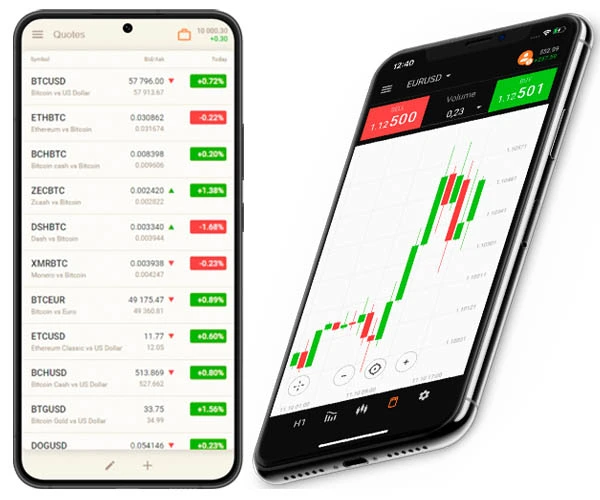
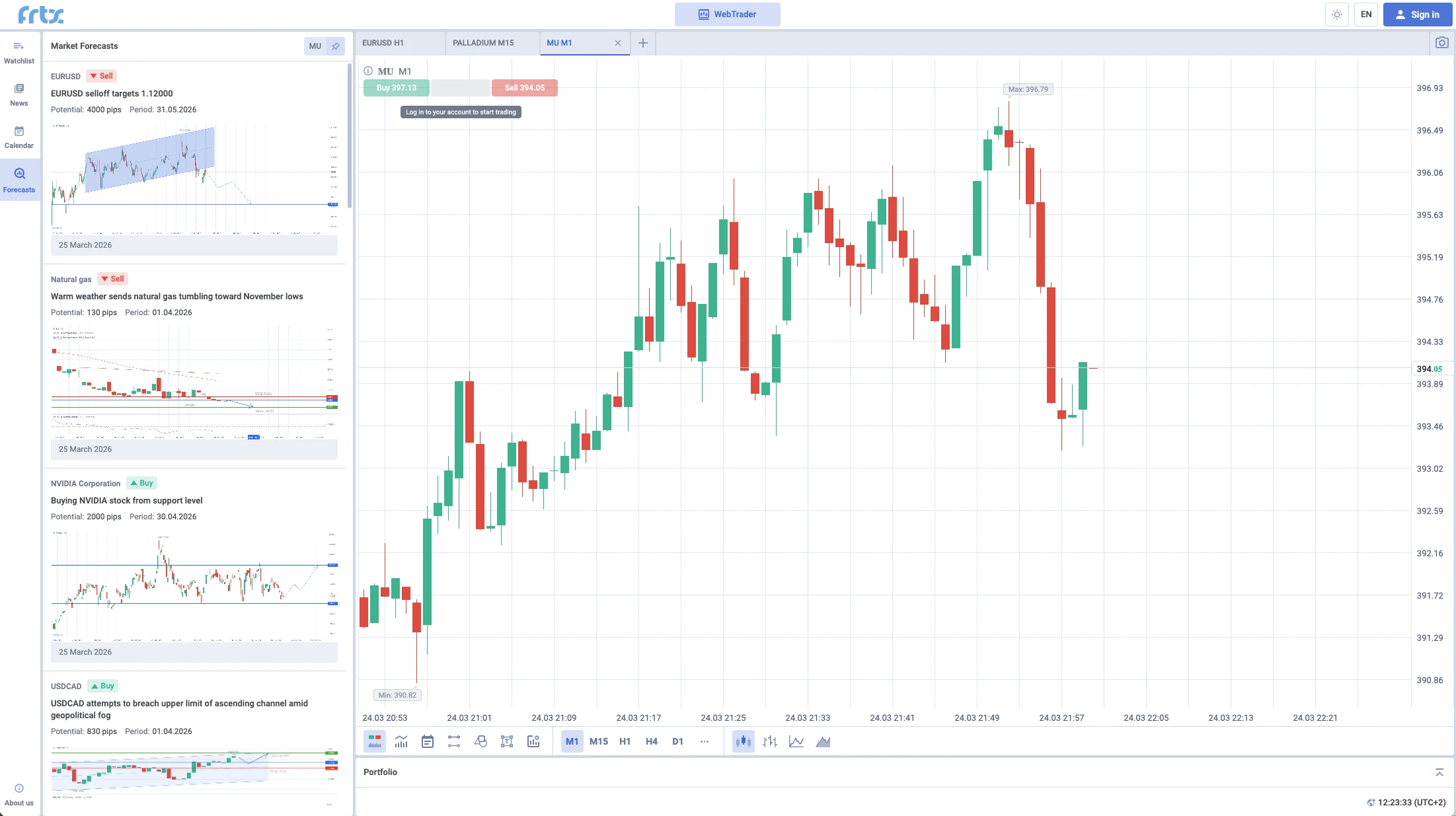
The platform itself is clearly one of the central selling points. FRTX Web is presented as a modern browser terminal for CFD trading, designed to work without mandatory downloads or long setup. The site emphasizes direct browser access, desktop and mobile usability, a quick trading panel, real-time quotes in the order book, MarketCheese forecasts, a MarketCheese economic calendar, and built-in indicators for market analysis in the mobile version. From a product-review perspective, that is a sensible combination. It tells me the company understands that many users want access, analysis, and execution in one place without installing heavy software first.
69c3b7a903ca0.webp

What also stood out to me is that FRTX is not positioning the platform as a bare terminal. The broader website connects the trading interface to supporting sections such as Analytical Tools, Trading Ideas, the Economic Calendar, Tutorials, News and Views, FAQ, and Online Support. In practice, that gives the impression of a service trying to build a full client environment rather than relying on the terminal alone to do all the work. From a reviewer’s standpoint, that is usually a better sign than when a broker has a flashy login page but very little else around it.

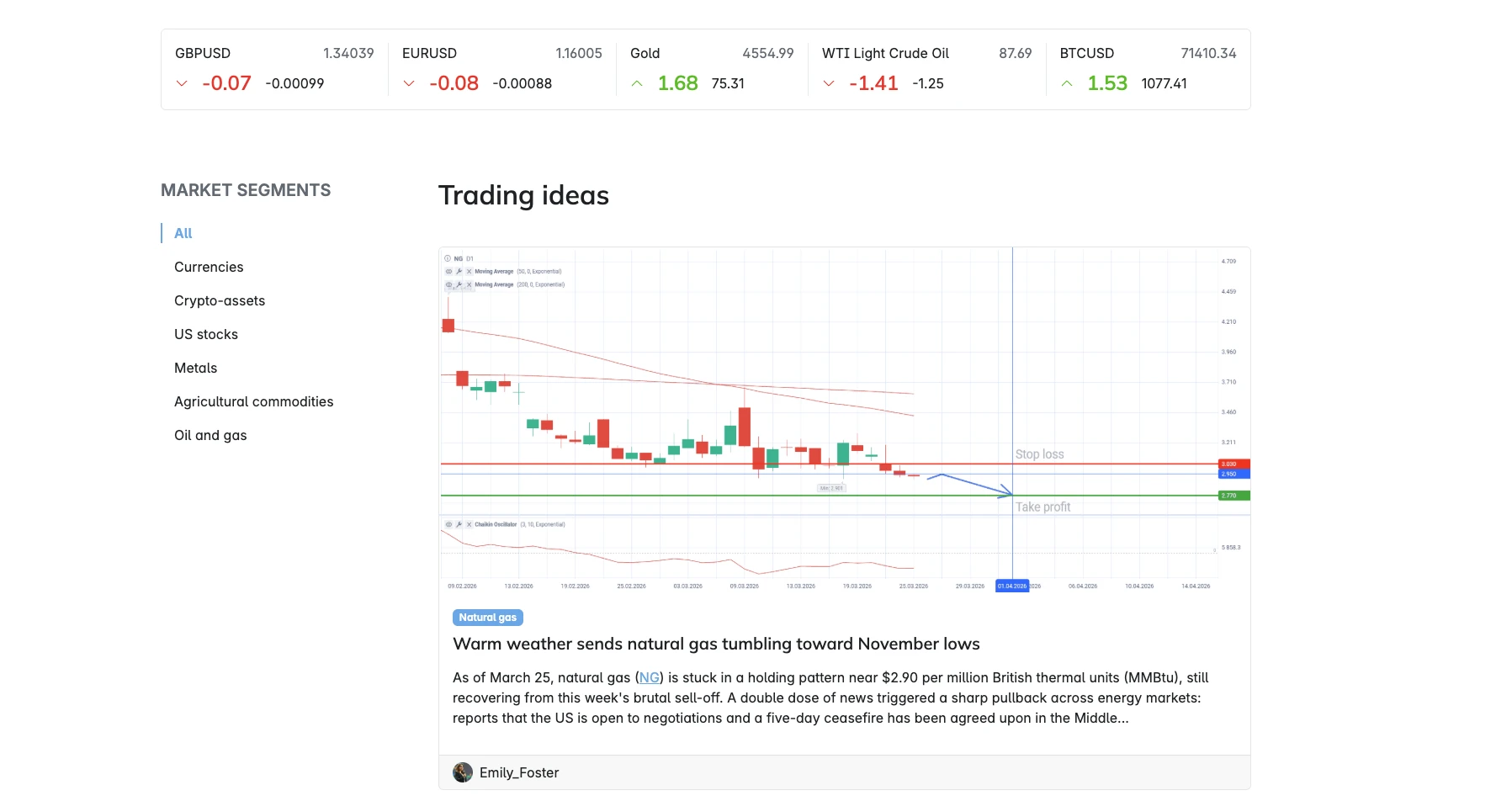
Another point in favor of the platform narrative is that FRTX does not present the terminal in isolation. The website ties the platform to a broader analytical environment. On the Analytical tools page, FRTX describes its Chart tool as a space to build lines and levels, use indicators, and analyze market behavior. The same section includes Market watch, described as a widget for tracking grouped instruments and price dynamics across different periods. This makes the platform look less like a standalone order-entry screen and more like the center of a wider trading workspace.
69c3b7ebbd187.webp

In terms of usability, the platform pitch is fairly direct. FRTX says the terminal can be launched on PC or in a mobile browser, with no need to download an app, and describes it as fully customizable. The homepage repeats the same practical advantages: quick start without pre-installation, access in any browser, color scheme customization, market-analysis tools, and protection from DDoS attacks. That is the kind of language I would expect from a company trying to appeal to users who care less about technical ceremony and more about speed of access and a clean workflow.

The award messaging is also very visible, and it is part of the platform story whether one likes awards or not. On the trading platform page, FRTX states that the platform received “Best Trading App” at Money Expo Mexico 2025 and “Best Trading Platform” at Wiki Finance Expo 2023 in Sydney. The homepage separately repeats the “Best Trading App of 2025 at Money Expo Mexico” line. I would not treat awards alone as the basis for judgment, but in a review they are still relevant because they show how the company is choosing to position its platform publicly.

Another point worth mentioning is the technology layer behind the experience. Based on the platform structure, browser-first workflow, integrated analysis modules, and the overall execution logic, FRTX appears to be using a mature software product from one of the established players in the trading technology market rather than trying to pass off a rough in-house prototype as a full solution. For users, that is generally a better look. It suggests the company is building on proven market infrastructure instead of improvising where stability matters most. This is an inference from the platform setup and feature mix rather than a direct statement published by FRTX, but it is a meaningful one when assessing the overall product presentation.

What strengthens the credibility of the overall picture is that FRTX does not rely only on platform marketing. The company also publishes public legal and licensing identifiers on the website. According to the platform page footer, the FRTX brand and the names frtx.global, frtx.org, and FRTX Web are owned and operated by FRTX Ltd, registered under number HV01125482 and licensed by the Mwali International Services Authority as an international brokerage company under license number BFX2025158. In a review context, this matters because it gives readers something concrete to verify beyond slogans and design.
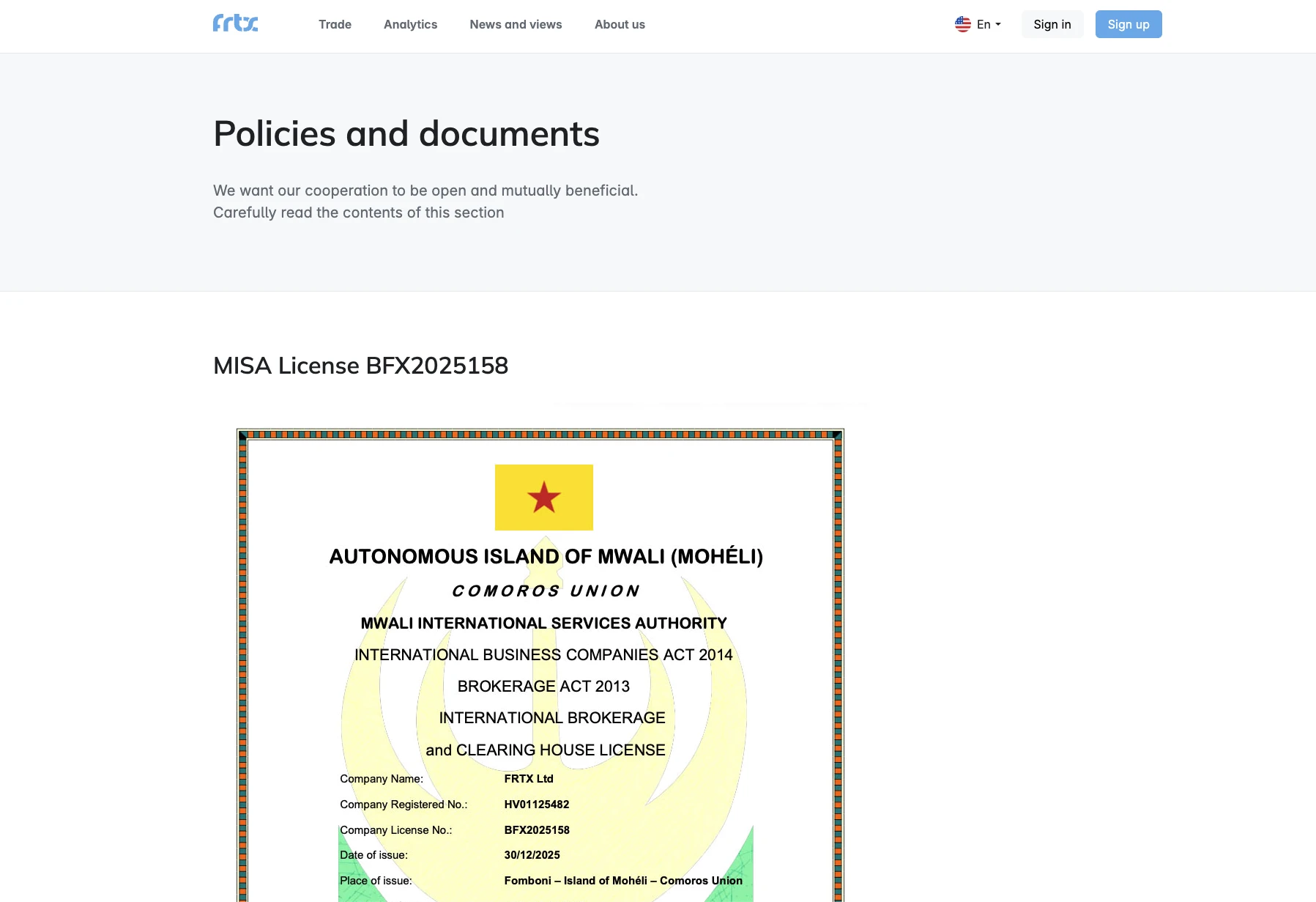
69c3b8e906240.webp

The onboarding structure on the website also looks reasonably coherent. FRTX presents a path that starts with sign-up, continues through verification, then moves to account opening, funding, platform access, and eventually withdrawals. The support page adds two visible contact routes: the internal request system for clients and a callback form on the website. That does not automatically answer every operational question, but it does make the service feel more complete. A lot of online doubt around financial brands comes from missing practical detail, and here the company at least tries to show the user journey in a readable way.

That said, a serious review should keep one foot on the ground. FRTX also states that it does not provide services to citizens of the United States, Japan, Canada, Australia, the European Union, the United Kingdom, and several other jurisdictions. The site further includes a risk warning explaining that leveraged trading in CFDs and other derivatives involves a high level of risk and that losses may exceed the original deposit. In my view, this is the correct balance for a brokerage website: platform strengths and access convenience on one side, but a clear reminder that the product itself remains high-risk on the other.

My overall conclusion after reviewing the FRTX platform and website is that the brand is trying to position itself as a usable, modern, browser-first trading service with a visible support structure, integrated analytics, and publicly stated licensing details. The platform presentation is stronger than a generic brochure-style broker site, and the use of established trading technology gives the product a more mature feel. At the same time, the right way to read FRTX is not through hype but through verification: look at the legal entity, look at the license number, look at the service structure, and then decide whether the platform fits your needs and risk tolerance.

Disclaimer:

This material is for informational purposes only and does not constitute investment advice. Trading CFDs and other derivative instruments involves a high level of risk and may not be suitable for all users. Users should review the company’s terms, jurisdictional restrictions, and risk disclosures before using the service.


Click to comment

Leave a Reply

Your email address will not be published. Required fields are marked *

Economy

MEXC vs Kraken: Which Is Better for Trading RWA Assets?

Published

on

MEXC vs Kraken Trading RWA Assets

Key Takeaways

Here are the main points to consider when comparing these two exchanges for RWA trading.

  • MEXC often provides promotional zero-maker fees for RWA spot trading, while Kraken uses a tiered fee structure starting at 0.16% for makers and 0.26% for takers.
  • Both exchanges list certain RWA tokens like PACT, but access to tokenized equity is still limited and depends on user location.
  • The on-chain RWA market is valued between $10 billion and $15 billion in 2026, with estimates pointing to continued growth due to tokenized treasuries.
  • MEXC focuses on low trading costs and fast token listings, whereas Kraken prioritizes regulatory compliance and direct fiat currency access.

Understanding the basics of Real-World Assets (RWA) helps clarify their role in modern crypto portfolios.

RWA assets convert physical or traditional financial instruments, such as government treasuries and credit, into digital tokens on a blockchain. This connects traditional finance with cryptocurrency markets. The on-chain RWA sector has reached an estimated $10 billion to $15 billion in 2026, largely driven by institutional involvement. This comparison looks at MEXC and Kraken to see how they handle RWA trading in terms of fees, available tokens, and platform features.

What Are RWA Assets? Top Tokens 2026

Real-world asset tokens represent traditional financial items on a blockchain network.

The RWA sector digitizes traditional assets like government bonds for use within the crypto ecosystem. Tokenized treasuries currently lead this category. Protocols like Ondo provide tokens (such as USDY and OUSG) that offer yields backed by real-world financial reserves. Another notable example is the PACT token, which launched on both MEXC and Kraken in early 2026 to help transfer RWAs across different blockchain networks. The market has seen steady growth over the last two years, with tokenized credit and treasuries acting as the main drivers.

MEXC RWA Trading: Fees and Listings

MEXC attracts users by focusing on reduced trading costs and a fast listing process for new tokens.

MEXC offers a low-cost environment for RWA trading. It frequently runs promotions with 0% maker fees and 0.05% taker fees for spot trading. Futures trading fees are also low, typically at 0% for makers and 0.02% for takers. The platform supports several RWA pairs, including PACT/USDT, and tends to list early-stage projects quickly. This efficient listing process also includes other emerging digital assets like PI price today, providing users with early access to a diverse range of tokens. While it is highly suitable for active traders who want to minimize fees, direct access to tokenized equities remains limited.

Kraken RWA Trading: Features and Support

Kraken offers a structured trading platform with a strong emphasis on regulatory compliance and fiat integrations.

Kraken manages RWA trading using a tiered fee system based on 30-day trading volume. Base fees generally start at 0.16% for makers and 0.26% for takers, dropping as a user’s trading volume increases. The exchange provides access to crypto derivatives and regulated trading pairs, though direct tokenized equity is uncommon. Kraken maintains high liquidity, processing large daily trading volumes. It also features direct fiat on-ramps, making it practical for users who want to buy RWA tokens directly with traditional currency.

MEXC vs Kraken RWA Comparison Table

This table provides a direct comparison of the key features offered by both exchanges.

RWA Trading Feature MEXC Kraken
Spot Fees (Maker/Taker) 0% / 0.05% (promotional) 0.16% / 0.26% (tiered)
RWA Tokens Listed PACT, early RWA pairs Select derivatives, limited equities
Liquidity Volume Strong for newer altcoins High overall volume (market-dependent)
Regulation Focus on emerging markets Complies with multiple frameworks, MiCA positioning
Fiat Support P2P and third-party providers Direct regulated fiat on-ramps

RWA Security: MEXC vs Kraken Regulation

Security and regulatory compliance are critical factors when handling tokenized real-world assets.

Both exchanges implement standard industry security measures. Kraken holds operational licenses in multiple countries and adjusts its platform to meet regional regulations, including the MiCA framework in Europe. MEXC focuses on fund protection mechanisms designed for a high volume of new token listings. Both platforms use cold storage for the majority of user funds and conduct regular security audits to maintain platform integrity.

RWA Trading Fees Breakdown: MEXC vs Kraken

The fee structures on these platforms cater to different types of trading habits.

MEXC’s fee model benefits frequent retail traders through its promotional 0% maker and 0.05% taker fees. Users holding the MX token can further reduce these costs. Kraken uses a volume-based tiered system, which becomes more cost-effective for institutional or high-volume traders but starts higher for average retail users. For example, a standard $10,000 spot trade will generally incur lower direct fees on MEXC during promotional periods compared to Kraken’s base tier.

RWA Liquidity and Volume: MEXC vs Kraken

Adequate market liquidity ensures that traders can buy and sell tokens without causing large price changes.

Kraken maintains deep liquidity across its major trading pairs, processing high daily volumes that support stable execution during market fluctuations. MEXC also provides functional liquidity across its markets. Traders benefit from a reliable environment that mirrors the steady depth found in the BTC USDT order book, which helps ensure smooth trade execution for early-stage or lower-market-cap RWA tokens. As institutional money enters the RWA space, both exchanges are seeing increased trading volumes in these specific asset categories.

Best Exchange for RWA: User Tools Comparison

Both platforms offer additional tools to help users manage their RWA investments.

MEXC provides features like launchpools, which allow users to gain exposure to new RWA projects early. It also includes an active copy trading system within its application. Kraken focuses on advanced charting tools, detailed analytics dashboards, and educational resources aimed at intermediate to advanced traders. Both platforms provide functional interfaces, but they target slightly different user preferences.

Conclusion: Best RWA Trading Platform Choice

Choosing the right platform depends on individual trading priorities and regional availability.

MEXC is generally more suitable for traders looking for low transaction fees and early access to newly launched RWA tokens. Kraken is a better fit for users who prioritize regulatory compliance, direct fiat deposits, and advanced trading analytics. Both exchanges offer reliable entry points into the growing RWA market.

RWA Trading FAQ

Here are answers to common questions about trading RWA tokens on MEXC and Kraken.

Is MEXC Better Than Kraken for RWA Beginners?

Platform suitability for beginners depends on what features the user values most. MEXC’s lower fee structure can make it easier to start trading with small amounts. Kraken, however, provides a more regulated environment and comprehensive educational materials, which many new users find helpful.

MEXC vs Kraken: Supported RWA Tokens List?

Token availability differs based on the exchange’s listing strategy. MEXC frequently lists newer RWA pairs, including tokens like PACT. Kraken focuses on more established assets and select derivatives. Token lists on both platforms change regularly as the market develops.

Which Has Lower RWA Spot Trading Fees?

Fee differences are noticeable between the two platforms. MEXC generally has lower spot trading fees, frequently running promotions at 0% for makers and 0.05% for takers. Kraken’s base spot fees start at 0.16% and 0.26%, respectively, though they decrease for high-volume traders.

Are RWA Assets Safe on MEXC or Kraken?

Security is a standard priority for major cryptocurrency exchanges. Both platforms use industry-standard security practices, including holding the majority of assets in offline cold storage. Users should also implement personal security measures, such as two-factor authentication, to protect their accounts.

Can You Trade RWA with Fiat on Kraken vs MEXC?

Fiat funding options vary between the two exchanges. Kraken allows users to deposit fiat currency (like USD or EUR) directly through bank transfers. MEXC relies primarily on peer-to-peer (P2P) markets or third-party payment processors for fiat deposits.

Continue Reading

Economy

NASD Index Slumps 0.73% to 3,874.09 points

Published

on

NASD securities exchange

By Adedapo Adesanya

The NASD Over-the-Counter (OTC) Securities Exchange recorded a 0.73 per cent loss on Wednesday, April 15, as a result of profit-taking.

This brought down the NASD Unlisted Security Index (NSI) by 28.31 points to 3,874.09 points from the preceding day’s 3,902.42 points, and crashed the market capitalisation by N16.95 billion to N2.317 trillion from N2.334 trillion.

The market was quite busy at midweek, with the volume of transactions rising by 809.3 per cent to 505,075 units from the 55,546 units recorded on Tuesday, as the value of trades surged 248.5 per cent to N28.9 million from N8.3 million, and the number of deals doubled by 100 per cent to 40 deals from the 20 deals executed a day earlier.

The most active equity by value on a year-to-date basis was Great Nigeria Insurance (GNI) Plc with the sale of 3.4 billion units worth N8.4 billion. The second spot was occupied by Central Securities Clearing System (CSCS) Plc after trading 58.5 million units for N3.9 billion, and the third position was taken by Okitipupa Plc with 27.6 million units traded for N1.8 billion.

GNI Plc also ended the day as the most traded equity by volume on a year-to-date basis with 3.4 billion units valued at N8.4 billion, Resourcery Plc followed with 1.1 billion units sold for N415.7 million, and Infrastructure Guarantee Credit Plc with 400 million units exchanged for N1.2 billion.

There were three price gainers and three price decliners at the bourse yesterday.

On the gainers’ chart, FrieslandCampina Wamco Nigeria Plc appreciated by N9.00 to N99.00 per share from N90.00 per share, MRS Oil Plc advanced by N1.10 to N181.50 per unit from N180.40 per unit, and Industrial and General Insurance (IGI) added 1 Kobo to close at 63 Kobo per share versus 62 Kobo per share.

On the flip side, 11 Plc depreciated by N8.20 to N192.80 per unit from N201.00 per unit, CSCS Plc declined by N6.39 to N59.16 per share from N65.55 per share, and First Trust Mortgage Bank Plc fell by 2 Kobo to N2.30 per unit from N2.32 per unit.

Continue Reading

Economy

Shareholders Okay Dangote Sugar N500bn Rights Issue for Expansion

Published

on

Dangote Sugar AGM

By Aduragbemi Omiyale

Dangote Sugar Refinery Plc has been given the approval by shareholders to float a N500 billion rights issue to fund its strategic expansion, especially for its ambitious backward integration projects.

The sugar refiner obtained the authorisation for the fresh capital raise at the 20th Annual General Meeting (AGM) held on Wednesday in Lagos.

The chief executive of the company, Mr Thabo Mabe, informed investors that efforts are being made to secure approximately $1.3 billion needed to fulfil the commitment to achieving a production target of at least 600,000 tonnes annually by 2030.

“We have revised our strategic development plan to meet the 2030 objectives, leveraging the combined potential of DSR Numan Operation and Nasarawa Sugar Company Limited estates.

“This integrated plan targets substantial cane production of around 6.05 million tonnes across 45,000 hectares from both sites,” he said at the meeting.

He boasted that Dangote Sugar remains the sole producer of edible refined granulated white vitamin A fortified sugar, sourced from its backward integration site at Numan.

On his part, the chairman of Dangote Sugar, Mr Arnold Ekpe, said the backward integration initiative, themed Sugar for Nigeria, is a cornerstone of the company’s strategic vision.

“This initiative is expected to drive profitability and value creation, reduce import dependency, mitigate foreign exchange risks, generate employment, and support local farmers through the outgrower scheme.

“Our objective is to produce 1.5 million metric tonnes of sugar annually from domestically cultivated sugarcane. This involves developing approximately 45,000 hectares, with 2.7 million tonnes of cane earmarked for Numan and 3.35 million tonnes for Nasarawa. Achieving this goal requires substantial investments in land development and production capacity over the next five years,” Mr Ekpe added.

“With shareholder backing for the rights issue, we are in a strong position to bolster our balance sheet, setting the stage for future growth and profitability,” he stated.

Commenting on the organisation’s performance last year, he said, despite a challenging economic environment, revenue improved, though profitability was weighed down by a foreign exchange loss of N46.7 billion and additional finance costs totalling N128.6 billion.

However, he affirmed the company’s commitment to sustainable growth, positive impact, and enhanced profitability, saying that “we will continue optimising our operations, pursuing market expansion opportunities, and increasing our presence across the nation. Aligned with the Dangote Group’s Vision 2030, we are dedicated to investing in our workforce and technology to consistently deliver exceptional products and customer satisfaction.”

Speaking at the AGM, a shareholder, Mrs Bisi Bakare, commended Dangote Sugar for having the largest Sugarcane Outgrowers scheme in Nigeria, describing the scheme as a great boost to backward integration and the domestic economy. She also praised the board and management for navigating the company through the harsh operating business environment.

Continue Reading

Trending