Connect with us

Economy

NCC, FIRS to Boost Telecoms Sector Revenue

Published

on

Nigerian Communications Commission NCC

By Adedapo Adesanya

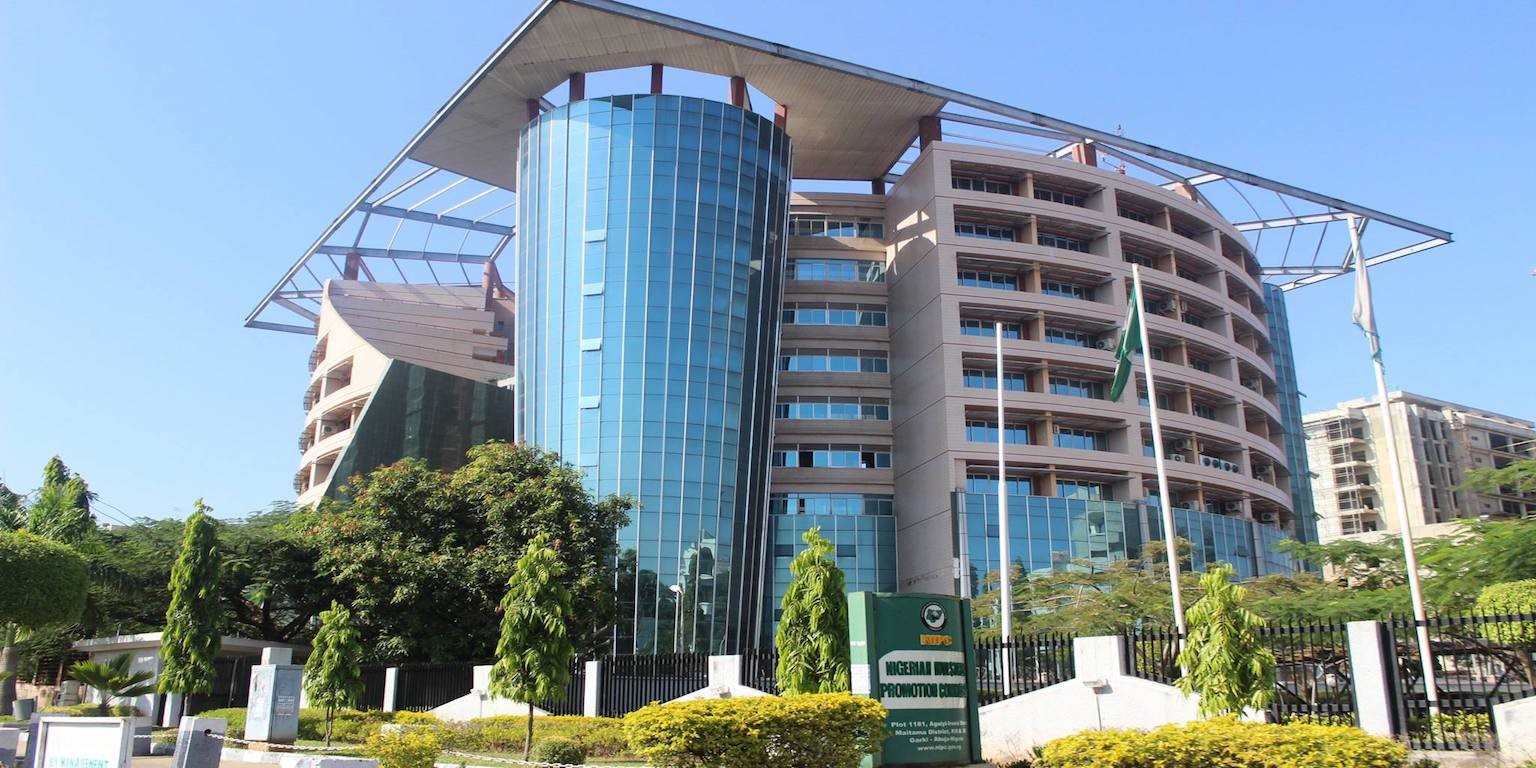
Nigerian Communications Commission (NCC) and the Federal Inland Revenue Service (FIRS) have taken their collaboration a notch further by setting up a joint committee of senior and management staff for the implementation of inter-agency strategies for enhancing national revenues in the telecommunications sector.

The two agencies inaugurated a 17-member team on Tuesday in Abuja with the mandate to review the Memorandum of Understanding (MoU) signed between the NCC and the FIRS on June 9, 2020; and carry out inter-agency interaction on the implementation of the NCC’s Revenue Assurance System (RAS), to ensure that it incorporates the needs of FIRS to the extent that RAS can remain the sole interface with telecom service providers’ networks vis-à-vis the Tax Authority’s information needs from the telecoms sector.

It was stated that the management of NCC and the FIRS expected no less than an excellent output from the committee, tasking members to work together harmoniously and in the overall national interest.

“I would like to task you to take this assignment as a national matter as we expect the two agencies to work in harmony, collaborate effectively and have a warm handshake that will make this synergy between the two agencies a great example of collaboration between Federal Government agencies towards enhancing fiscal governance in Nigeria,” a senior of the agency said.

The decision to set up the panel was one of the major outcomes of the meeting between the FIRS and the NCC on March 8, 2022, organised at the instance of the Minister of Communications and Digital Economy, Mr Isa Pantami, to discuss the request by the FIRS for data and documents from the telecoms industry for enhancing national revenues from the sector.

The inauguration is a significant achievement, as it deepens the strategic collaboration between the two government agencies in the pursuit of their statutory objectives.

It also vindicates the emphasis placed on achieving mutually-sustainable relationships with relevant stakeholders as detailed in both the NCC’s Strategic Management Plan (SMP), 2020-2024 and the Strategic Vision (Implementation) Plan (SVP 2020-2025) as well as FIRS’ strategic framework.

The activities of the NCC and the FIRS are acknowledged as pivotal to the achievement of sustainable revenue and growth projections of the Federal Government.

In this regard, the telecoms sector has sustained a relatively high contribution to Gross Domestic Product (GDP) over the years – ending the fourth quarter of 2021 at 12.6 per cent.

Besides, the FIRS recently acknowledged that some telecom licensees contribute a significantly high percentage of total national tax revenue.

It is expected that the Joint Committee will enable both organisations to further optimise revenues for the Federal Government from the telecoms, digital economy and adjacent sectors of the economy.


Adedapo Adesanya is a journalist, polymath, and connoisseur of everything art. When he is not writing, he has his nose buried in one of the many books or articles he has bookmarked or simply listening to good music with a bottle of beer or wine. He supports the greatest club in the world, Manchester United F.C.

Economy

Oil Market Loses 8% on Reports US, Iran Nearing Peace Agreement

Published

on

global oil market

By Adedapo Adesanya

The oil market fell sharply on Wednesday on optimism that the US and Iran were close to an agreement to end the conflict that has caused the largest energy supply disruption in history.

Brent crude futures tumbled nearly 8 per cent to close at $101.27 per barrel, while the US West Texas Intermediate (WTI) crude futures lost about 7 per cent to trade at $95.08.

Reuters reported that Pakistan said the United States and Iran were closing in on an agreement on a one-page memorandum ​of understanding.

Iran said on Wednesday it was reviewing a new US proposal and would convey its response soon via Pakistan. The country had said earlier that it would only accept ⁠a fair and comprehensive agreement.

US media outlet Axios reported that America expects Iranian responses on several key points in the next 48 hours, ​citing sources that said this was the closest the parties had agreed since the war began.

However, President Donald Trump on Wednesday expressed doubt that a deal would be finalised. He said it was “perhaps a big assumption” to think that Iran would accept the proposal. He threatened to resume military strikes on Iran if it did not agree.

Equally, a senior Iranian parliament member said the US proposal was more of a wish list than a reality.

Earlier this week, the ​US military said that it destroyed several Iranian small boats as part of efforts to help stranded ships exit the Strait of Hormuz, a waterway responsible for 20 per cent of crude and Liquified Natural Gas (LNG) flows. Market analysts noted that the global oil flow would take time to normalise even if the strait is restored.

The Strait of Hormuz closure has resulted in a drawdown in global oil and fuel inventories as refineries try to offset production shortfalls. Surging oil and energy costs are already creating demand destruction globally.

The US Energy Information Administration (EIA) said on Wednesday that US crude and fuel inventories continued to draw down last week as countries around the globe scrambled to fill supply gaps caused by disruptions from the conflict in the Middle ⁠East. Crude oil stocks ​fell by 2.3 million barrels to 457.2 million barrels last week.

Continue Reading

Economy

Dangote Refinery Confirms Retaining ex‑Depot Price at N1,275

Published

on

Fifth Crude Cargo Dangote Refinery

By Modupe Gbadeyanka

The management of Dangote Petroleum Refinery and Petrochemicals Limited has revealed that the price of Premium Motor Spirit (PMS) remains at N1,275 per litre.

Earlier on Wednesday, there were reports that the company increased its ex‑depot price by N75, some hours after renewed hostilities in the Middle East.

On Monday evening, it was reported that Iran fired missiles at its neighbours in the Gulf region after the United States seized two Iranian-linked vessels on the Strait of Hormuz.

These actions briefly raised the price of crude oil on the global market to over $115 per barrel, but it quickly eased to almost $100 per barrel on Wednesday.

Shortly after it was reported that Dangote Refinery had pushed its PMS gantry price to N1,350 per litre, the price was reversed.

Confirming this in a statement made available to Business Post, Dangote Refinery said it is sustaining its current prices to reaffirm “its commitment to supporting stability in the domestic energy market and cushioning the wider economy against external shocks.”

“By absorbing prevailing cost pressures, the refinery continues to help moderate inflationary risks, promote energy affordability, and ensure uninterrupted supply amid ongoing global uncertainties,” another part of the statement read.

The private refiner “reaffirmed its dedication to the steady supply of high‑quality petroleum products to the Nigerian market, while supporting national objectives of price stability and energy security.”

It urged the public “to rely solely on official statements from Dangote Petroleum Refinery and Petrochemicals Limited for accurate and up‑to‑date information on its operations and pricing.”

Continue Reading

Economy

Confusion as Dangote Refinery Reverses ex-Depot Petrol After N75 Hike

Published

on

dangote refinery trucks

By Aduragbemi Omiyale

Dangote Refinery has reversed a N75 ex-depot price increase of premium motor spirit (PMS), also known as petrol, on Wednesday.

On Wednesday, the private crude oil refinery raised the price of the product to N1,350 per litre, but this was quickly reversed to N1,275 per litre.

The company had carried out a second increment in less than two weeks, amid renewed attacks in the Middle East, though the crude oil price went down on Tuesday to $109 per barrel.

According to a report by pricing platform Petroleumprice.ng, the upward price adjustment was suspended shortly after it was raised, restoring the previous pricing structure at the loading gantry and easing immediate concerns among downstream marketers.

Industry operators say the move has helped calm nerves across the market, where traders had already begun repositioning on expectations of a higher pricing cycle.

Before the previous price hike, the gantry price was N1,200 per litre, but the organisation pushed it higher by N75.

As of the time of filing this report, Business Post observed that Brent crude futures were traded at $101.00 per barrel, while the US West Texas Intermediate (WTI) crude futures were sold for $93.01 per barrel.

Continue Reading

Trending