Connect with us

Economy

Understanding Contracts for Difference (CFDs) in Trading

Published

on

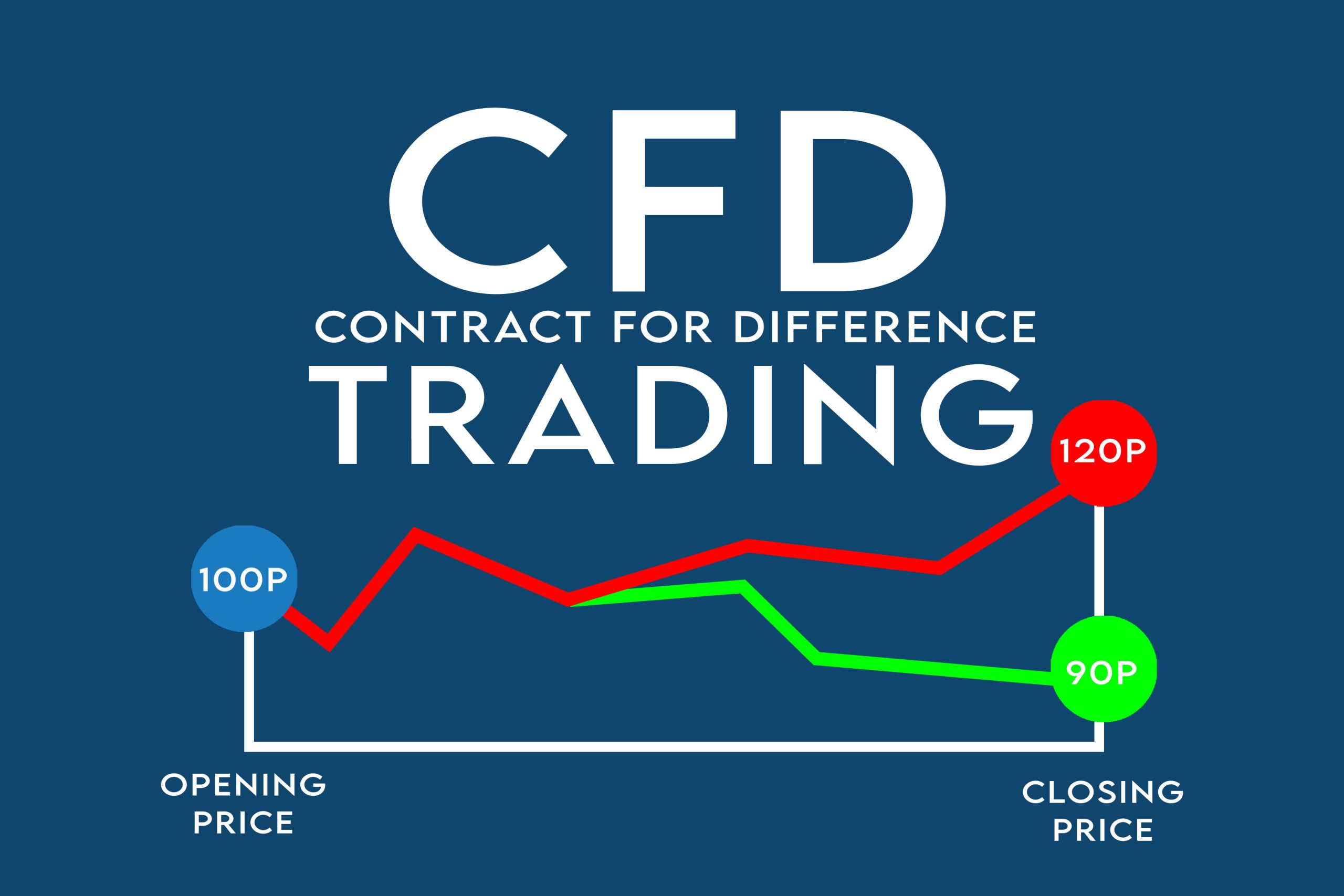
CFD Trading

Contracts for Difference, commonly known as CFDs, represent a significant portion of the modern trading landscape. They are intricate financial instruments that provide traders with a host of opportunities, but they also come with their own unique set of challenges and risks. This article aims to shed light on what CFDs are, how they operate, and the implications they hold for traders.

A Deeper Dive into Contracts for Difference

CFDs are an attractive instrument for many traders due to their flexibility. They allow traders to speculate on a wide array of global markets without needing to invest in the physical asset. This can open up opportunities that might otherwise be inaccessible due to financial or logistical constraints. For example, international shares, commodities, or currencies might be out of reach for some traders, but CFDs on these assets are readily available on most trading platforms.

Another notable aspect of CFDs is their application in hedging strategies. If a trader has a physical portfolio and fears a short-term drop in the market, they can ‘go short’ with a CFD to potentially offset any losses in their actual portfolio. It’s important to note, however, that while this strategy can protect against losses, it can also limit profits if the market rises instead.

Moreover, CFDs are traded on margin, meaning traders only need to deposit a percentage of the full value of their position. This leverage can magnify profits if the market moves in the trader’s favor. However, it’s crucial to remember that leverage can also magnify losses, potentially even exceeding the initial deposit, making prudent risk management an absolute necessity.

Lastly, unlike traditional trading, CFD trading offers opportunities 24 hours a day, reflecting the global nature of the financial markets it encompasses. This can allow traders to take advantage of price movements at any time, providing a level of flexibility that traditional trading methods may not.

Trading CFDs on a CFD Trading Platform

Modern trading has been transformed by the advent of online trading platforms, and CFD trading is no exception. A CFD trading platform offers traders the ability to speculate on price movements without the need to own the underlying assets. These platforms provide a range of tools to assist traders in making informed decisions, such as advanced charting capabilities, market news feeds, and analytical tools.

Using these platforms, traders can quickly react to market fluctuations and capitalize on short-term price movements. Additionally, many of these platforms offer features such as stop-loss orders, which can help mitigate potential losses by automatically closing a trade if the market moves against the trader’s position by a specific amount.

Factors Influencing CFD Trading

A wide range of factors can influence the prices of the underlying assets in CFD trading, and as a result, the potential profits and losses for traders. These factors can range from company earnings reports and major news events to changes in economic indicators and shifts in market sentiment.

For example, let’s consider a recent financial update: the Central Bank of Nigeria increased the interest rate by 0.25% to 18.75%. Such a change could affect the value of Nigerian stocks and bonds, and thereby, the CFDs associated with those assets. Traders speculating on these CFDs would need to take this interest rate hike into account when making their trading decisions.

The Risks and Rewards of CFD Trading

CFD trading is not without its risks. The use of leverage means that both potential profits and potential losses are magnified, and there is a risk of losing more than your initial investment. Therefore, risk management is critical in CFD trading, and traders should use tools like stop-loss and take-profit orders to manage their risk exposure.

On the flip side, CFD trading offers a high degree of flexibility. Traders can go long or short with ease, making it possible to profit from both rising and falling markets. Furthermore, CFDs enable traders to gain exposure to a variety of markets and assets without needing to own them outright, which can be a major advantage in terms of both cost and convenience.

In conclusion, Contracts for Difference represent a complex yet potentially rewarding aspect of modern trading. They require an in-depth understanding of the market and a solid strategy, but for those willing to invest the time and effort, they offer a versatile and dynamic approach to trading.


Dipo Olowookere is a journalist based in Nigeria that has passion for reporting business news stories. At his leisure time, he watches football and supports 3SC of Ibadan. Mr Olowookere can be reached via [email protected]

Economy

NUPRC Allocates 61.9 million Barrels of Crude Oil to Dangote, Others

Published

on

crude oil allocation to dangote refineries

By Aduragbemi Omiyale

About 61.9 million barrels of crude oil were allocated to domestic refineries, including Dangote Petroleum Refinery, in the first quarter of 2026.

This information was revealed by the Nigerian Upstream Petroleum Regulatory Commission (NUPRC) in a statement by its Head of Media and Corporate Communication, Mr Eniola Akinkuotu, on Tuesday.

In the statistics on the enforcement of the Domestic Crude Supply Obligation (DCSO) for the quarter under review, it was emphasised that producers collectively offered a higher volume of 68.7 million barrels, but actual supply to local refineries was 28.5 million barrels, translating to a supply conversion rate of 36-46 per cent between January 2026 and March 2026.

A breakdown of the DCSO month by month reveals that in the month of January, following consultations with stakeholders, including crude oil producers, the commission mandated producers to supply 22.6 million barrels to the local refiners.

Producers exceeded expectations, offering 25.3 million barrels, representing a rise of 11.9 per cent, or an additional 2.7 million barrels, in the month. However, 9.2 million barrels were ultimately supplied to local refiners.

In February, the agency, in discharging its DCSO, allocated 20.5 million barrels to local refineries, but producers offered slightly less at 19.8 million barrels, missing the target by 700,000 barrels. Actual supply was down at 9.1 million barrels.

In March, there was a modest improvement in deliveries, which rose to 10.1 million barrels, up from 9.2 million barrels in January and 9.1 million barrels in February. During the same period, DCSO allocations stood at 18.8 million barrels, while producers offered a significantly higher 23.6 million barrels, representing an excess of 4.8 million barrels or 25.5 per cent.

It was stated that the shortfall between volumes offered and actual deliveries was primarily due to pricing gaps between producers and domestic refiners.

According to NUPRC, the current framework operates on a “willing buyer, willing seller” basis, which continues to shape transaction outcomes.

Despite these developments, the commission reaffirmed its commitment to achieving the government’s objective of energy sufficiency.

“Leveraging the framework of the PIA, 2021, the commission aims to sustain recent gains in crude oil production while continuously refining the DCSO methodology to enhance transparency, efficiency, and ensure that local refineries are supplied as committed,” the statement said.

Continue Reading

Economy

Nigeria Must Shift From Stabilisation to Growth Acceleration—Wale Edun

Published

on

wale edun finance minister

Nigeria’s economy is entering a critical phase, moving from stabilisation into what the Federal Government describes as ‘growth acceleration’, according to the former Minister of Finance and Coordinating Minister of the Economy, Wale Edun, during his keynote delivery at the Nigeria Business Summit convened by Stanbic IBTC.

In his keynote address, Edun said recent macroeconomic reforms had begun to stabilise the economy but cautioned that current growth levels remain inadequate to deliver broad‑based prosperity.

“For nearly a decade, our GDP averaged around two per cent,” Edun said. “We have now moved into a new phase where growth is closer to four per cent, supported by macroeconomic reforms. This is an important improvement, but it is still below the level required to move Nigerians out of poverty in their millions.”

Reforms have strengthened resilience

Edun noted that Nigeria is navigating a renewed global economic shock at a sensitive point in its reform journey. However, he argued that the effects have been softened by reforms introduced since May 2023.

“These shocks would have been far more severe without the comprehensive reforms that have been put in place,” he said, citing stronger external reserves, improved non‑oil revenue performance, and returning investor confidence across domestic and foreign markets.

According to the former Minister, Nigeria is now better positioned to absorb shocks “through price adjustments, investment reallocation, and expanded trade opportunities across Africa and globally”, creating a more predictable environment for business planning and capital deployment.

Enterprises across the value chain must drive inclusive growth

The central theme of the address was the role of enterprises across the value chain in driving inclusive growth. While Edun described small and medium‑scale enterprises (SMEs) as the backbone of the economy, accounting for over 90 per cent of businesses and the majority of employment, he also highlighted the importance of large corporates in building productive and resilient ecosystems.

“Their growth is central to inclusive development,” he said of SMEs. “If we want growth that creates jobs and reduces poverty, then SMEs must be supported deliberately.”

He stressed that this support must translate into practical outcomes, including access to appropriate financing, improved processes, and stronger integration into value chains. For large organisations, he noted, scaling productive capacity and strengthening supplier networks is equally critical.

Productivity and trade as growth enablers

Edun highlighted the National Single Window Initiative as a reform focused on execution and productivity. “Government revenue will increase, not because of higher charges, but because of increased volumes through productivity,” he said.

He emphasised that Nigeria’s long‑term growth will depend on its ability to compete beyond its borders, noting that trade will remain a key driver of diversification and foreign exchange earnings.

“Our true potential does not lie only in our large domestic market,” Edun said. “It lies in becoming a leading exporting economy.”

Partnership and shared responsibility

The former Minister was clear that the government cannot deliver transformation alone.

“Government cannot drive transformation alone,” Edun said. “Its role is to maintain stability, implement predictable policies, and remove structural and bureaucratic constraints to investment.”

Achieving Nigeria’s ambition of building a one‑trillion‑Dollar economy, he added, will require collaboration between government, large corporates, financial institutions, and SMEs.

In closing, Edun delivered a clear signal to investors and businesses.

“Nigeria is open for business. Nigeria is ready for investment, and Nigeria is committed to building an economy that works for all and delivers shared prosperity.”

As discussions continue at the summit, the message is clear. The next phase of growth will favour businesses that are well‑structured, productive, and positioned to scale. Stanbic IBTC continues to support SMEs and large corporates across key sectors, providing financing, advisory, transaction banking, and trade solutions aligned to different stages of business growth.

Businesses seeking to scale operations, strengthen value chains, or expand into regional and global markets are encouraged to engage with Stanbic IBTC to explore solutions aligned with their growth ambitions.

Continue Reading

Economy

NNPC Remits N2.89trn to Federation Account in Three Months

Published

on

NNPC Crude Cargoes pricing

By Adedapo Adesanya

The Nigerian National Petroleum Company (NNPC) Limited remitted a total of N2.89 trillion to the Federation Account in the first quarter of 2026.

The state-owned oil company also added that its revenue rose to N2.774 trillion (up by 3.51 per cent from the February 2026 report) and that it made a profit after tax of N276 billion (up by approximately 102.94 per cent from February 2026).

These were contained in the company’s latest operational performance summary for March 2026, released on Monday.

According to the report, the country’s official crude oil and condensate output rose to 1.56 million barrels of oil per day while gas production climbed to 7,731 million standard cubic feet per day, representing increases of approximately 3.31 per cent and 3.66 per cent respectively, compared with the February 2026 report.

It added that gas production for the month reached its highest level in the trailing 12-month period covered by the report.

According to the statement, its Upstream pipeline availability was 76 per cent. This measures the readiness as well as operational status of pipelines that transport raw natural gas or crude oil from production sites to terminals or transmission pipelines.

The report read in part: “We also highlight key milestones, including the early completion of the OML 118 Bonga Turnaround Maintenance, delivered 12 days ahead of schedule, as well as the completed welding of the 24″ spur line to the Gwagwalada Independent Power Plant on the Ajaokuta-Kaduna-Kano (AKK) Gas Pipeline, with drilling operations on the Obiafu-Obrikom-Oben (OB3) Gas Pipeline River Niger Crossing continuing as scheduled.”

Continue Reading

Trending