

Education
Nigeria’s Samira Jibir Makes Tes Awards for International Schools 2025 Shortlist

By Modupe Gbadeyanka
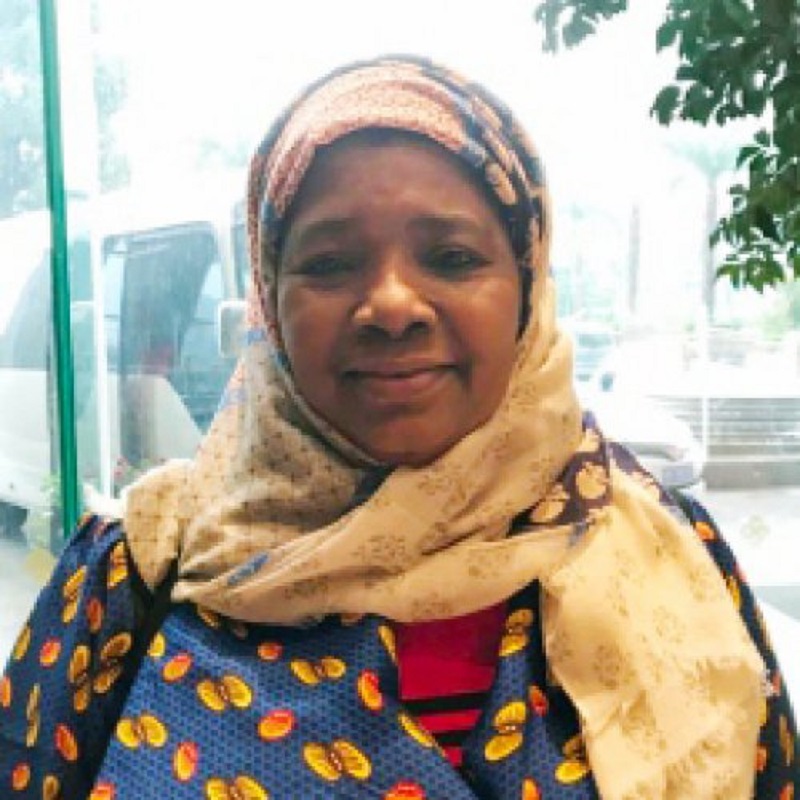
The founder of Glisten International Academy located in Abuja, Ms Samira Jibir, has been shortlisted for the Tes Awards for International Schools 2025.
She is the only Nigerian shortlisted for the prestigious educational awards. She was listed under the Leadership category alongside Dr Nguyen Quang Minh of Nguyen Sieu School in Vietnam, Dr Rukshan Razak of Sri Lankan International School in Saudi Arabia, Francesco Banchini of European Azerbaijan School in Azerbaijan, Ildar Iliazov of Light international School in Kenya, Jacquelene Da Silva of Amstelland International School in the Netherlands, Mai Thuy of Reigate Grammar School in Vietnam, and Shoaib Raza of Nexus International School in Singapore.
The Tes Awards for International Schools celebrate excellence across the global education community.
Building on the prestige of the Tes Schools Awards in the UK, often referred to as the ‘Oscars of education’, these international awards honour the outstanding dedication, innovation, and impact of teachers and support staff teaching the British or international curricular around the world.
This year’s awards have attracted 578 entries from schools across the globe, nearly doubling from the previous year, showcasing inspiring stories of educational excellence.
The shortlisted schools represent the very best in international education, and Tes is proud to celebrate their achievements on a global stage.
The rigorous judging process is led by a panel of international school leaders, educational experts, and researchers from across the regions.
Tes is also proud to have a host of high-profile partners for the awards: British Schools in the Middle East (BSME), Council of British International Schools (COBIS), The Department for Business and Trade, the Educational Collaborative for International Schools (ECIS), the Federation of British International Schools in Asia (FOBISIA), and the International Baccalaureate (IB).
“A huge congratulations to all the schools and individuals shortlisted for these awards. The volume of entries we received, coupled with the depth of quality, meant it was no easy task for our judges to create the shortlist we are now proud to share.
“We look forward to celebrating the winners next month and saying thank you to educators everywhere for the amazing work they do day-in, day-out,” the International Editor of Tes Magazine and chair of the judges of the Tes Awards for International Schools, Dan Worth, stated.
Also commenting, the Chief Schools Officer at International Baccalaureate, Dr Nicole Bein, said, “The IB is proud to support the Tes Awards for International Schools, celebrating excellence in global education.
“These awards reflect the IB’s passion for inventive and impactful practice, shining a light on the inspiring dedication of teachers, schools, and communities around the world.
“We congratulate the schools shortlisted for this year’s honours, who are helping raise the profile of international schools while equipping their students with skills, curiosity, and open-mindedness.”
Also, the Head of International Education at the Department for Business and Trade, Sarah Chidgey, noted, “It’s inspiring to see the passion and creativity coming out of international schools this year.
“The Tes Awards shortlist is a testament to the incredible educators who go above and beyond every day to make learning meaningful and impactful. These schools are shaping futures, and it’s wonderful to see their efforts recognised on such a prestigious platform.”
See the full nominees below;
|
Best Use of Technology
|
|
|
Dhirubhai Ambani International School (DAIS)
|
India
|
|
Hamilton International School
|
Qatar
|
|
International School of Monaco
|
Monaco
|
|
JESS Dubai
|
UAE
|
|
King’s InterHigh
|
Online
|
|
Kodaikanal International School
|
India
|
|
Pascal Private School
|
Cyprus
|
|
Seth Anandram Jaipuria School
|
India
|
|
Community Engagement Initiative of the Year
|
|
|
Agora Lledo International School
|
Spain
|
|
Akademeia High School
|
Poland
|
|
Braeside Lavington
|
Kenya
|
|
Haileybury Astana
|
Kazakhstan
|
|
International School Seychelles
|
Seychelles
|
|
Japanese International School
|
Vietnam
|
|
The British School Kathmandu
|
Nepal
|
|
The Olympia Schools
|
Vietnam
|
|
Curriculum Initiative of the Year
|
|
|
Arcadia British School
|
UAE
|
|
Britannica International School
|
China
|
|
Jerudong International School
|
Brunei
|
|
Lüderitz Blue School
|
Namibia
|
|
Raha International School
|
UAE
|
|
Tanglin Trust School
|
Singapore
|
|
The Arbor School
|
UAE
|
|
The British School
|
Japan
|
|
Diversity, Equity & Inclusion Award
|
|
|
British School Muscat
|
Oman
|
|
Dover Court International School
|
Singapore
|
|
GEMS Metropole School
|
UAE
|
|
GEMS Wellington Academy – Silicon Oasis
|
UAE
|
|
GEMS World Academy
|
UAE
|
|
Reigate Grammar School
|
Cambodia
|
|
United World College Maastricht
|
Netherlands
|
|
United World College
|
Thailand
|
|
Leadership Award
|
|
|
Dr Nguyen Quang Minh – Nguyen Sieu School
|
Vietnam
|
|
Dr Rukshan Razak – Sri Lankan International School
|
Saudi Arabia
|
|
Francesco Banchini – European Azerbaijan School
|
Azerbaijan
|
|
Hajiya Samira Jibir – Glisten International Academy
|
Nigeria
|
|
Ildar Iliazov – Light international School
|
Kenya
|
|
Jacquelene Da Silva – Amstelland International School
|
Netherlands
|
|
Mai Thuy – Reigate Grammar School
|
Vietnam
|
|
Shoaib Raza – Nexus International School
|
Singapore
|
|
Principal/Headteacher of the Year
|
|
|
Adam McRoy – Cogdel Cranleigh School
|
China
|
|
David Tongue – Doha College
|
Qatar
|
|
Dr John Knight – St George’s British International School
|
Italy
|
|
Fiona Cottam – Hartland International School
|
UAE
|
|
George Bowery – Al Mustaqbal School
|
Palestine
|
|
James McDonald – Wesgreen International School
|
UAE
|
|
Matthew Burfield – GEMS Founders School
|
UAE
|
|
Simon Burbury – Marlborough College
|
Malaysia
|
|
Specialist Provision Provider of the Year
|
|
|
GEMS Metropole School
|
UAE
|
|
GEMS Wellington Academy – Silicon Oasis
|
UAE
|
|
International School of Brunei (ISB)
|
Brunei
|
|
Nita Mukesh Ambani International School & Dhirubhai Ambani International School
|
India
|
|
Pembroke House
|
Kenya
|
|
Sustainability Award
|
|
|
Accra STEM Academy
|
Ghana
|
|
Dhirubhai Ambani International School
|
India
|
|
GEMS Wesgreen International School
|
UAE
|
|
Jerudong International School
|
Brunei
|
|
Kodaikanal International School
|
India
|
|
Mallorca International School
|
Spain
|
|
The International School @ ParkCity
|
Malaysia
|
|
The British School New Delhi
|
India
|
|
Staff Wellbeing Initiative of the Year
|
|
|
Dubai College
|
UAE
|
|
GEMS Founders School
|
UAE
|
|
Nord Anglia International School
|
UAE
|
|
Wales International School
|
UAE
|
|
Student Mental Health Initiative of the Year
|
|
|
Brighton College Dubai
|
UAE
|
|
British Vietnamese International School
|
Vietnam
|
|
Cambridge School of Bucharest
|
Romania
|
|
ELIS Villamartin
|
Spain
|
|
Jakarta Nanyang School
|
Indonesia
|
|
Peponi House School
|
Kenya
|
|
The International School of Kuala Lumpur
|
Malaysia
|
|
Viking International School
|
Denmark
|
|
Teaching Assistant/Support of the Year
|
|
|
Amirah Casfian – King Henry VIII College
|
Malaysia
|
|
Delma Bagayan – Hartland International School
|
UAE
|
|
Intan Dewiyani – The Independent School of Jakarta
|
Indonesia
|
|
Ligaya Kitane – Brighton College
|
UAE
|
|
Naduni Horagoda – Ambassador International Academy
|
UAE
|
|
Sharon Tourish – International School Rheintal
|
Switzerland
|
|
Sumaya Abdulameer Eid – The British School of Bahrain
|
Bahrain
|
|
Tracey Vazz – IPS Cascais
|
Portugal
|
|
Teaching Initiative of the Year
|
|
|
Al Rabeeh School
|
UAE
|
|
Brighton College
|
UAE
|
|
Nexus International School
|
Malaysia
|
|
Prem International School
|
Thailand
|
|
The British International School of Bratislava
|
Slovakia
|
|
The International School of Kuala Lumpur (ISKL)
|
Malaysia
|
|
TradeWinds Academy
|
Kenya
|
|
Wellspring Bilingual International School
|
Vietnam
|
|
International School of the Year
|
|
|
Central Model School Khanewal
|
Pakistan
|
|
DESS Oud Metha (DOM)
|
UAE
|
|
GEMS Founders School
|
UAE
|
|
King Faisal School
|
Saudi Arabia
|
|
Navajo Preparatory School
|
USA
|
|
Shiv Nadar School
|
India
|
|
Tanglin Trust School
|
Singapore
|
|
Zhong Ying International School
|
Cambodia
|


