Connect with us

General

NERC Increases Price of Prepaid Meter to N143,836

Published

on

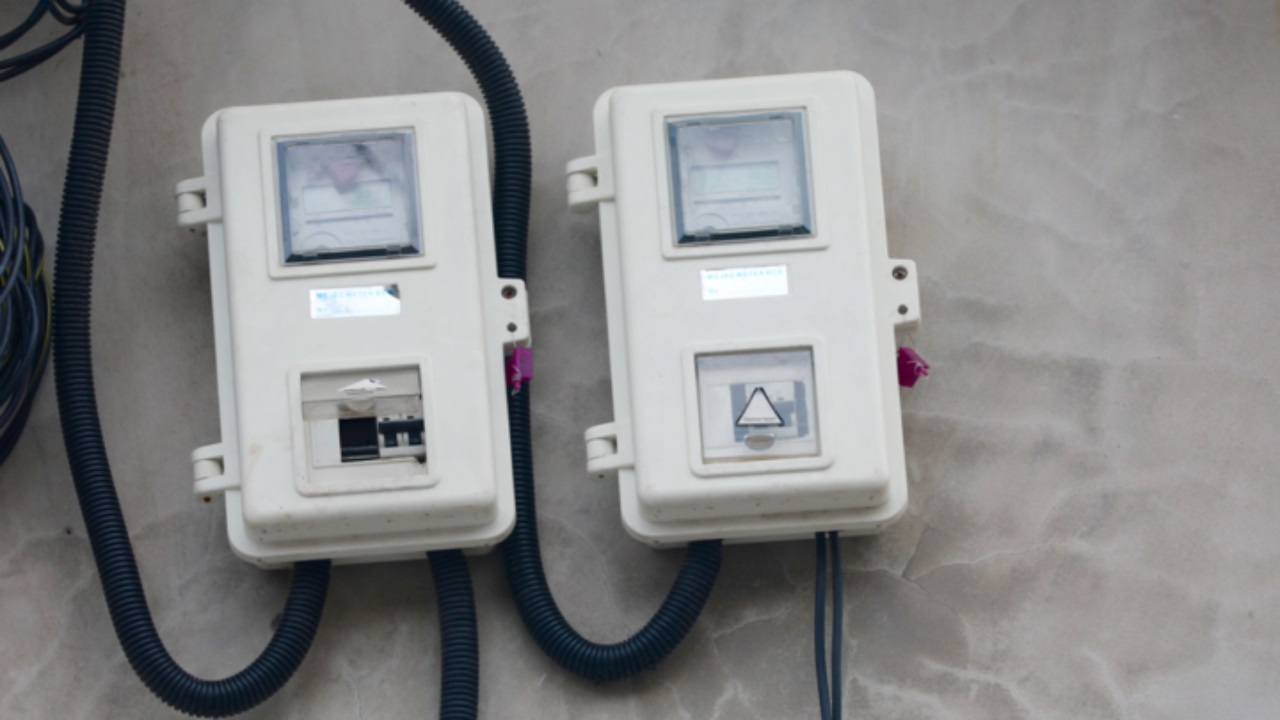
four million prepaid meters

By Modupe Gbadeyanka

The price of the three-phase prepaid meter has been increased by the Nigerian Electricity Regulatory Commission (NERC) to N143,836.10 from N109,684.36.

This development was confirmed by the agency in a circular marked NERC/2024/040 on Monday.

NERC, which regulates the electricity sector in the country, also increased the price of a single-phase prepaid meter to N81,975.16 from N58,661.69.

This is coming less than a month after the organisation raised the electricity tariff of Band A customers to N225 per kilowatt hour.

In the notice titled The  deregulation of meter prices for meters deployed under the Meter Asset Provider Scheme, it was disclosed that the latest increase in the prices of the meters was influenced by high inflation and exchange rate.

It was also stated that the action was necessitated due to the need for the efficient pricing of meters to respond more quickly to changes in macroeconomic parameters, particularly exchange rates.

“The commission has further taken cognisance of the constraints/challenges faced by Meter Asset Providers (MAPs) and Local Meter Manufacturers Associations (LMMAs) and therefore approved the deregulation of prices of meters deployed under the MAP scheme with effect from 1 May 2024,” a part of the statement signed by NERC Chairman, Mr Sanusi Garba, and the Commissioner for Legal and Licensing Compliance, Mr Dafe Akpeneye, said.


Modupe Gbadeyanka is a fast-rising journalist with Business Post Nigeria. Her passion for journalism is amazing. She is willing to learn more with a view to becoming one of the best pen-pushers in Nigeria. Her role models are the duo of CNN's Richard Quest and Christiane Amanpour.

General

Marketers Raise Alarm Over Cooking Gas Scarcity

Published

on

5kg cooking gas cylinder

By Adedapo Adesanya

Gas marketers have expressed worries about the scarcity of Liquefied Petroleum Gas (LPG), otherwise known as cooking gas, and rising prices, with consumers paying as high as N2,000 per kg in some areas.

A press statement by the Nigerian Association of Liquefied Petroleum Gas Marketers (NALPGAM) raised concern about the erratic supply and the hike in the price of cooking gas across the country.

According to them, while prices have gone as high, they are forced to pay as much as N26 million for 20MT of cooking gas, depending on location.

“It is sad and rather very pathetic to inform the general public that the citizens of Nigeria have woken up to buy cooking gas, which should be a social item at a prohibitive cost of over N1,500per kg, while the Marketers are made to pay as much as N25,200,000, or, depending on location, N26,200,000 for 20MT of cooking gas.

“We feel that if the situation is not immediately checked, the citizens may rise against the owners of gas filling stations.

“This sad situation has brought untold hardship to millions of Nigerian households, small businesses, food vendors, and low-income families who rely on LPG for daily cooking and livelihood.

“It is rather worrisome to state that this situation is seriously eroding the substantial progress made by the Government on the usage of Clean Energy in the country,” a part of the statement said.

NALPGAM noted that its members face challenges in sourcing LPG due to persistent supply shortages, high depot prices, logistics bottlenecks, and uncontrollable rising operational costs.

“While millions of Nigerians have embraced cooking gas as a result of the national clean energy transition agenda, it is sad to state that those gains are at risk as households are struggling to refill cylinders, small businesses are folding under rising energy costs, while many families are reverting to firewood and charcoal despite the serious implications for public health, environmental degradation, and deforestation,” it said.

The association warned that if urgent and coordinated actions are not taken immediately, the current crisis could trigger broader consequences, including accelerated food inflation, the collapse of small-scale LPG retail businesses, job losses, reduced investor confidence, and a significant setback to Nigeria’s clean energy and climate commitments.

It called on the federal government, the Ministry of Petroleum Resources, the Nigerian Midstream and Downstream Petroleum Regulatory Authority (NMDPRA), the Nigerian National Petroleum Company (NNPC) Limited, domestic producers, terminal operators, international suppliers, and all critical stakeholders in the LPG value chain to take urgent, coordinated steps to stabilise the market before it degenerates further.

It called for immediate measures to improve the availability and accessibility of LPG nationwide, increased domestic LPG allocation to the Nigerian market, ensuring transparent and equitable distribution of available supply across regions, reduction of bottlenecks in product importation, storage, and distribution, implementation of strategic interventions to stabilise retail prices, and protection of consumers.

The marketers also called for other measures, such as investment in critical infrastructure, including storage and distribution facilities, and adoption of policies that support affordability, sustainability, and long-term growth of the sector.

NALPGAM reaffirmed its commitment to constructive engagement and collaboration with government agencies, regulators, producers, and other stakeholders to develop sustainable solutions that will guarantee an affordable, stable supply and continued growth of the LPG sector.

“In conclusion, it is apposite to state that “We cannot stand by and watch millions of Nigerian families suffer in silence while access to clean cooking energy becomes increasingly difficult and unaffordable. For years, Government and industry operators have worked to move Nigerians away from unsafe fuels. Those gains are now under serious threat”, the statement added.

Continue Reading

General

FG Declares Wednesday, Thursday Public Holidays for 2026 Eid ul-Adha

Published

on

FG public holiday

By Modupe Gbadeyanka

Wednesday, May 27 and Thursday, May 28, 2026, have been declared as public holidays for this year’s Eid al-Adha.

The Permanent Secretary in the Ministry of Interior, Ms Magdalene Ajani, in a statement on Monday, said the declaration affirms the federal government’s profound respect for the faith and spiritual heritage of millions of Nigerian Muslims who join the global Islamic community in observing this sacred occasion.

She said the Minister of Interior, Mr Olubunmi Tunji-Ojo, felicitates with all Muslim faithful in Nigeria and throughout the Diaspora for the celebration.

Eid al-Adha was described as a festival of deep spiritual significance, grounded in the values of sacrifice, obedience to God, and compassion for one’s fellow man.

He urged all Nigerians to use this period for prayer and sober reflection, asking for divine guidance for the country as it continues its pursuit of peace, security, and prosperity for every citizen.

“It is in the spirit of brotherhood, shared humanity, and national unity that the federal government wishes all Muslims a peaceful, blessed, and joyous celebration,” the statement concluded.

Continue Reading

General

New USCIS Policy: Banwo Law Offers Legal Support to Green Card Applicants

Published

on

SpeakWithOpe.com

By Modupe Gbadeyanka

An announcement by the administration of Mr Donald Trump on May 22 regarding Green Card applications has continued to ruffle feathers among immigrants.

In the new memo issued by the United States Citizenship and Immigration Services (USCIS), foreign nationals seeking to adjust their immigration status to permanent residence (Green Card) have been asked to apply through consular processing at a US embassy or consulate in their home country, rather than adjusting status while present in America.

Commenting on this latest stance, a foremost immigration attorney, Mr Ope Banwo, said this development could expose many Green Card applicants to severe re-entry penalties if not properly managed, stressing that this carries major legal implications for many immigrants already residing in America.

‎He noted that the policy may impact not only undocumented immigrants, but also individuals currently living legally in the United States on temporary visas such as H1B workers, F1 students, B1/B2 visitors, exchange visitors, and other non-immigrant visa categories.

‎‎“For years, Adjustment of Status allowed many immigrants to avoid the risks associated with departing the United States after overstaying visas,” Mr Banwo stated.

‎‎“The danger now is that some immigrants may unknowingly trigger automatic three-year or ten-year re-entry bans once they leave the U.S. for overseas visa processing,” he added.

‎Mr Banwo explained that many immigrants are unaware that unlawful presence accumulated in the United States can activate harsh immigration penalties immediately upon departure from the country, stating that marriage-based Green Card applicants, employment-based immigrants, temporary workers transitioning to residency, and visa overstays could all face serious complications under the evolving policy framework.

‎‎Despite the growing concerns, he urged immigrants not to panic, stressing that informed legal guidance remains the key to navigating the changing immigration landscape successfully.

‎‎He also cautioned against depending on social media speculation, “TikTok lawyers,” or unverified online immigration advice when making critical decisions.

‎According to him, Banwo Law, accessible through SpeakWithOpe.com, is already assisting potentially affected immigrants nationwide by reviewing immigration histories, assessing waiver eligibility, and developing strategic legal solutions tailored to individual situations.

‎The law firm is also helping clients determine whether they may still qualify for Adjustment of Status inside the United States and advising them on safer legal alternatives where necessary.

‎Mr Banwo stressed that immigrants should seek experienced legal counsel before travelling outside the United States or taking immigration steps that may affect their ability to return or obtain lawful permanent residency.

Continue Reading

Trending