
General
We Won’t Inflict More Hardship on Nigerians–Buhari

By Modupe Gbadeyanka
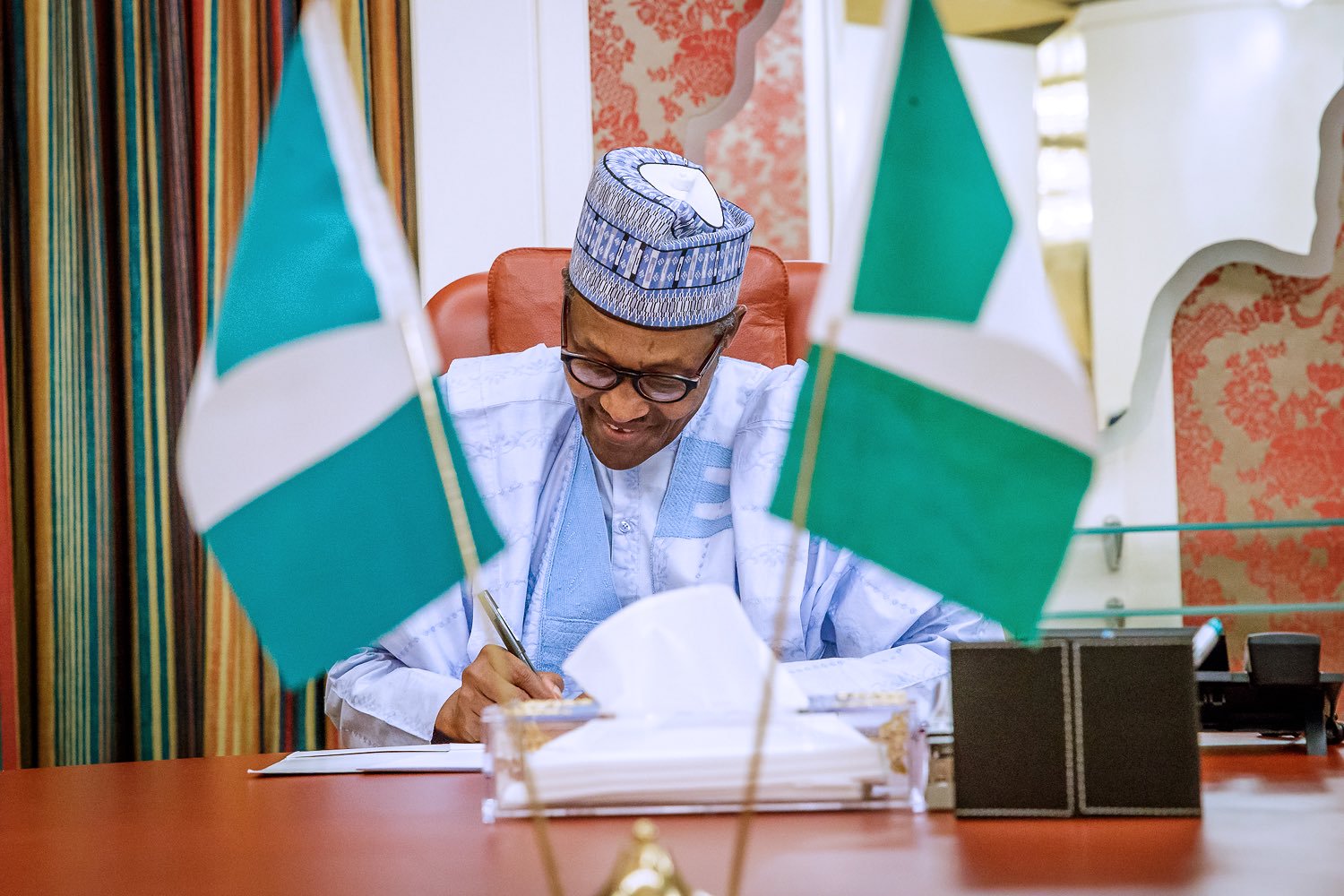
Nigerians were assured on Thursday by President Muhammadu Buhari that the federal government will not inflict additional hardship on them, rather it will keep seeking ways to ameliorate their sufferings and create a more enabling environment for everyone to thrive.
This assurance was given when President Buhari met with the new executive of Trade Union Congress led by its President, Comrade Quadri Olaleye, at the State House.
Mr Buhari informed the labour leaders that his administration was committed to the implementation of the national minimum wage, pointing out that the inaugural Federal Executive Council meeting held on Wednesday focused on the Medium-Term Expenditure Framework, which included discussions around the new minimum wage.
“On fuel prices, I agree with you on the need to eliminate corruption and inefficiencies in the sector. I want to assure you that, as an Administration, we have no intention of inflicting any additional hardship on Nigerians,’’ the President said.
He said further that, “During our first term, we secured the nation’s territorial integrity and continue to protect the lives and properties of our citizens. We introduced various economic stimulus packages that support businesses and traders at all levels, promoted backward integration programmes especially in the agricultural sector to enhance our food security while creating jobs.
“We embarked on the most ambitious infrastructure development and rehabilitation projects this country has seen in decades. We also introduced the largest Social Investment Program in Sub-Saharan Africa.
“Although these programs and many more successfully lifted Nigeria out of recession, the full impact is yet to be felt. In the next four years, we shall sustain this momentum and by the grace of God, lift millions of Nigerians out of poverty.’’
President Buhari, who noted that his administration will work hard to improve the livelihood of citizens, said most of the inherited challenges were avoidable, if some previous governments had been keener on investing on infrastructure and human capacity.
“The points you raised are all interconnected. The lack of power and infrastructure due to decades of under-investment led to the closure or inefficient operations of a number of factories across the country. This meant the private sector was unable to create jobs fast enough to cope with our increasing population.
“You will agree with me that, all these challenges and many more were long ago left unattended to, thereby leaving the country in the mired state we inherited. You all will also testify to having seen and experienced what we have put in place as an administration to address these challenges,’’ the President added.
In his remarks, the President of TUC advised the Federal Government to pay more attention on the welfare of Nigerians by avoiding increase of fuel price and ensuring implementation of the National Minimum Wage, which had been delayed by negotiations on the consequential adjustments.
“We are, however, disturbed that the enthusiasm is turning into a nightmare,’’ he said, urging the President to focus on poverty reduction and improving security.
Mr Olaleye assured the President that TUC will support the government as it tackles challenges facing the country, commending him for increase in Internally Generated Revenue, steps on the xenophobic attacks on Nigerians and signing of the African Continental Free Trade Agreement.



Controlled agriculture has expanded in Canada due to demand for reliable crop production and efficient land use. Climate variability and short growing seasons create challenges for agricultural producers and industrial cultivation facilities. A Light Deprivation Two Layer Cover Greenhouse Grow Tent provides a structured solution that allows operators to regulate light exposure, temperature, and environmental conditions. These systems are increasingly used in agricultural operations that require predictable crop cycles and controlled growing environments.
For warehouse managers, logistics planners, and agricultural equipment operators, greenhouse structures represent an important part of modern agricultural infrastructure. They help maintain consistent production schedules and support supply chain planning for agricultural products.
Role in Canadian Agricultural and Industrial Context
Canada has a diverse agricultural landscape that includes greenhouse farming, research facilities, and controlled cultivation environments. Because natural daylight hours change significantly across seasons, producers often rely on light management techniques to maintain predictable crop growth cycles. Light deprivation greenhouse systems allow operators to simulate shorter daylight periods when required.
These structures are used in several operational settings:
- Commercial greenhouse farms
- Controlled cultivation facilities
- Agricultural research stations
- Specialty crop production environments
- Seed development programs
Technology and Operating Principles
Light deprivation greenhouses use layered covering materials to regulate sunlight exposure. The outer layer allows natural light to enter the structure during normal growing periods. A secondary blackout layer can be deployed to block external light and simulate night conditions when required for plant development cycles.
Manufacturers such as TMG Industrial design these systems to support environmental control while maintaining structural stability in outdoor conditions.
Key Structural Components
- Steel support frame
- Transparent greenhouse covering
- Blackout light deprivation layer
- Ventilation openings
- Anchoring and structural support system
Operational Efficiency and Production Planning
Controlled greenhouse environments support predictable crop production schedules. By managing light exposure, producers can influence plant growth stages and improve crop consistency.
- Extended growing seasons
- Improved crop scheduling
- Better environmental control
- Reduced dependence on natural daylight patterns
These advantages can help agricultural operations maintain steady supply levels for distribution networks.
Technical Considerations for Installation
Successful greenhouse installation depends on several technical factors. Operators must evaluate site conditions, climate exposure, and environmental control requirements.
- Ground stability and site preparation
- Wind and weather exposure
- Ventilation and airflow management
- Water and irrigation access
- Sunlight orientation and positioning
Safety and Operational Best Practices
Greenhouse structures must be installed and maintained carefully to ensure safe working conditions. Workers often operate equipment and perform crop management tasks within the structure.
- Inspect structural connections regularly
- Secure anchoring systems before operation
- Maintain clear walkways for workers
- Monitor ventilation to prevent heat buildup
- Provide training for greenhouse equipment use
Supporting Equipment and Accessories
Greenhouse operations often require additional systems that support plant cultivation and facility management.
- Irrigation systems
- Climate monitoring sensors
- Ventilation fans
- Grow lighting systems
- Plant support structures
Advantages and Limitations
Light deprivation greenhouse systems provide flexible cultivation environments that help improve agricultural productivity.
- Control of plant light exposure
- Improved production planning
- Adaptability for different crop types
- Protection from weather exposure
However, greenhouse structures require ongoing monitoring and maintenance. Environmental conditions such as wind or heavy snow may affect structural performance if proper installation procedures are not followed.
Operational Example from Controlled Agriculture
A greenhouse cultivation facility in British Columbia implemented a light deprivation system to improve crop scheduling. By controlling daily light exposure, the operation was able to create multiple harvest cycles within a single season. This adjustment improved production consistency and supported distribution planning for regional agricultural supply networks.
Conclusion and Future Industry Trends
Light deprivation greenhouse systems have become important tools for modern controlled agriculture. By enabling precise environmental control, these structures help producers maintain stable production levels and respond to market demand. As agricultural technology continues to evolve, future greenhouse systems may integrate automated environmental controls, advanced climate monitoring, and improved structural materials to support more efficient cultivation practices.


By Aduragbemi Omiyale
A technology company headquartered in The Hague, Netherlands, Zarttech, has apologised to individuals and partners affected by its decision to shut down its operations.
In a message, the organisation noted that while its chapter may have come to an end, the impact of the conversations it helped spark about African talent, global collaboration, and opportunity without borders continues to be part of a larger movement transforming the global technology landscape.
Zarttech was established to bridge the global tech talent gap by connecting diverse IT professionals with opportunities around the world. It sought to remove barriers that often prevent talented individuals from accessing global work, while promoting fairness and reducing bias in the technology recruitment process.
Through its work, Zarttech contributed to a broader shift in how Africa is perceived in the global technology ecosystem. By highlighting the expertise, creativity, and potential of African developers and technology professionals, the firm helped bring greater visibility to the continent’s growing pool of world-class talent.
Its mission was centred on creating opportunities that connect businesses with skilled professionals across Africa, Europe, and South America while demonstrating that innovation and excellence in technology know no geographic boundaries.
Beyond its business activities, Zarttech also supported initiatives aimed at empowering women in technology across Africa through training and education programs, reinforcing its belief that inclusive access to opportunity can help shape a more equitable global tech industry.
By Modupe Gbadeyanka
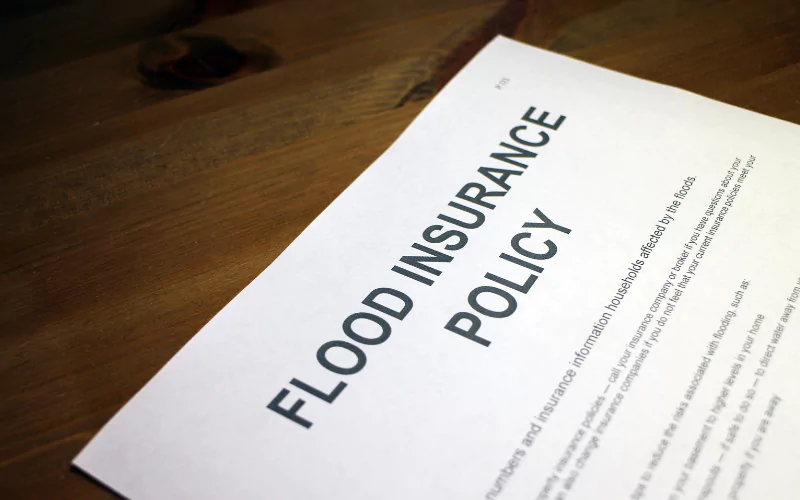
To protect residents, infrastructure and the economy, the Lagos State government has adopted a parametric flood-risk insurance policy designed by a team of Insurance Development Forum (IDF) member insurance organisations like AXA Climate, AXA Mansard, Swiss Re, flood modeller JBA Risk Management, satellite company ICEYE and African Risk Capacity Ltd.
The new insurance product will cover up to 4 million vulnerable people and secure up to $7.5 million for flood response and recovery in the aquatic state.
The policy’s activation is a major milestone for the Tripartite Agreement Programme, a public-private partnership among IDF, the United Nations Development Programme (UNDP), and the German Federal Ministry for Economic Cooperation and Development (BMZ) through the InsuResilience Solutions Fund (ISF), to build developing countries’ resilience to climate risk.
The insurance product has received regulatory approval, with placement enabled through 90 per cent of premium finance from the ISF for the first year, while Lagos State may raise the premium finance allocation beyond 10 per cent in the second and third years of the policy to ensure the sustainability of the protection provided by the product.
“Climate inaction could cost Lagos State just under $40 billion by 2050, with severe consequences for our people, infrastructure and economy. Our wetlands and biodiversity are also under threat.
“These realities demand urgent action. This pioneering parametric flood insurance policy strengthens our ability to protect lives, livelihoods and public finances while embedding climate risk management into Lagos State’s long-term development planning,” the Governor of Lagos, Mr Babajide Sanwo-Olu, stated.
Also commenting, the Head of Public Sector for AXA Climate and IDF Lagos Project co-Lead, Karina Whalley, said, “This policy demonstrates the power of insurance to enable preparedness ahead of and faster recovery after disasters, as well as greater financial resilience for governments; in short, future-ready nations. The product design harnessed our industry members’ technical expertise in flood risk modelling and parametric insurance to develop a scalable solution tailored to the needs of climate-vulnerable communities in Lagos.”
The Director-General for Multilateral Development Policy, Transformation, Climate, German Federal Ministry for Economic Cooperation and Development (BMZ), Dr Katharina Stasch, said, “This product highlights the impact that effective collaboration between governments, insurance and development partners can deliver.
“As climate risks continue to rise, BMZ is proud to have supported the Tripartite Agreement Programme’s efforts to scale sovereign risk finance and to witness the new alliances and models for cooperation emerging through the programme.”









-
 Feature/OPED6 years ago
Davos was Different this year
-
Travel/Tourism10 years ago
Lagos Seals Western Lodge Hotel In Ikorodu
-

 Showbiz3 years ago
Estranged Lover Releases Videos of Empress Njamah Bathing
-
 Banking8 years ago
Sort Codes of GTBank Branches in Nigeria
-

 Economy3 years ago
Subsidy Removal: CNG at N130 Per Litre Cheaper Than Petrol—IPMAN
-

 Banking3 years ago
Sort Codes of UBA Branches in Nigeria
-

 Banking3 years ago
First Bank Announces Planned Downtime
-

 Sports3 years ago
Highest Paid Nigerian Footballer – How Much Do Nigerian Footballers Earn