
Health
36th AU Session Renews Commitment Towards Strengthening Africa’s Health Systems

By Kestér Kenn Klomegâh
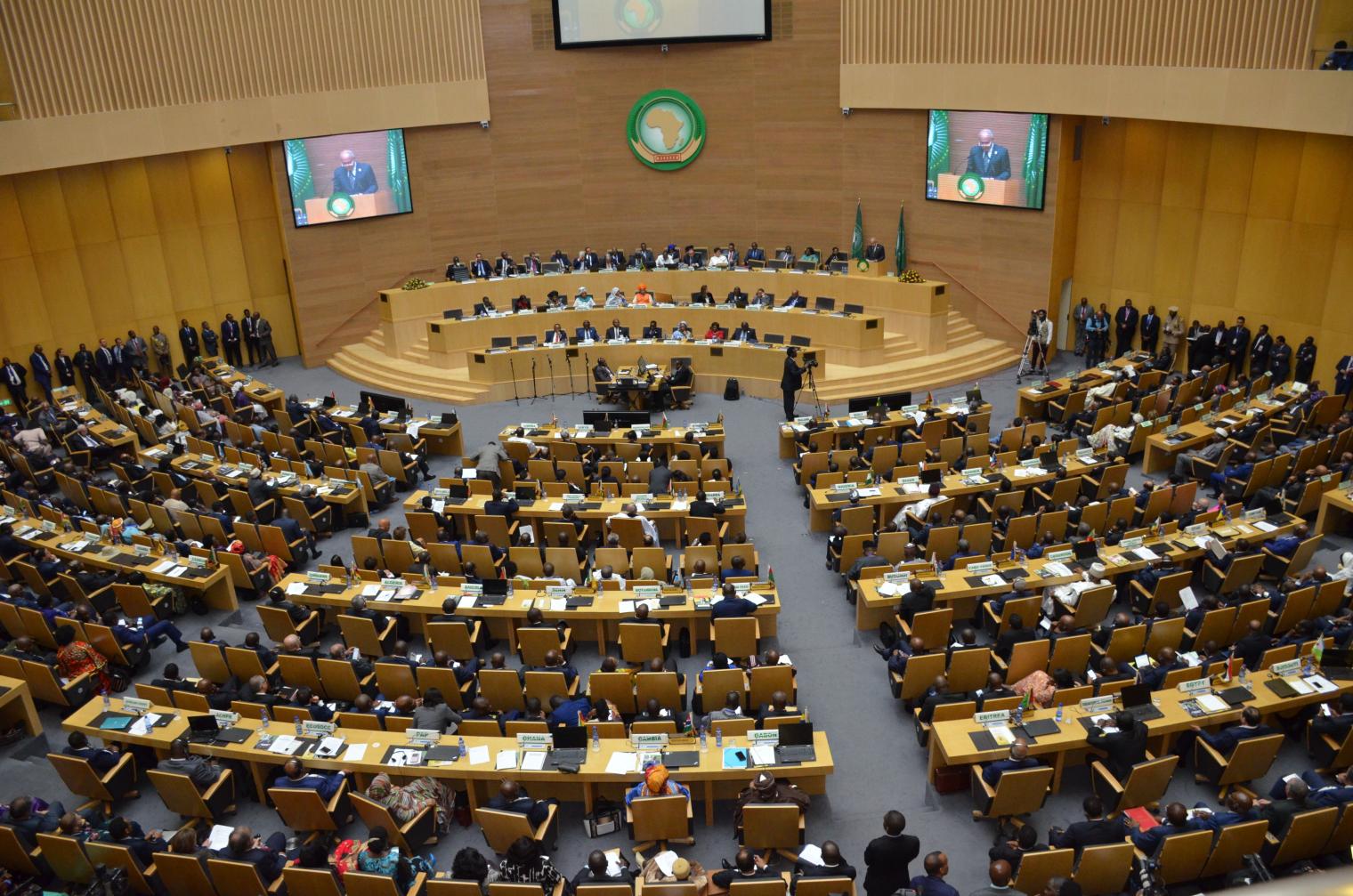
During the 36th Ordinary Session of the African Union Assembly, the Department of Health, Humanitarian Affairs and Social Development, in partnership with the World Health Organisation (WHO), seeks to work towards the reduction of communicable diseases, including HIV/AIDS in Africa.
It was noted that the pandemic was raging worldwide but had an acute impact across Africa. The spread of the disease affected every dimension of African society, and AIDS lowered the life expectancy of adults on average by 20 years.
In 2001, the Heads of State of Africa met in a special summit in Abuja explicitly devoted to addressing the unprecedented challenges of HIV-related disease, TB, and other related infectious diseases. This session, which came soon after the first UN Security Council Resolution in 2000, acknowledged the tremendous impact the spread of HIV was having on the continent not only as a health risk but also acknowledged the economic and security implications across the continent.
In 2013, African Heads of State and Government (HoSG) reaffirmed their commitment to the AIDS, TB and Malaria response at the Abuja+12 Special Summit. The declaration of the summit of the African Union on AIDS, Tuberculosis and Malaria committed to accelerating the mobilization of domestic resources to strengthen health systems; ensure strategies were in place for diversified, balanced and sustainable financing for health, in particular for AIDS, TB and Malaria and targeted poverty elimination strategies and social protection programmes that integrate HIV-related diseases, TB and Malaria for all; particularly for vulnerable populations.
The massive impacts of twin pandemics of COVID-19 and HIV-related diseases have highlighted what remains the largest threat to the Africa Union Agenda 2063 – Africa We Want. Africa’s experience attempting to control COVID-19 and HIV-related diseases (and the previous experience with the West African Ebola outbreak) exemplifies how huge gaps remain in the underlying strength of its health systems. The AIDS epidemic is still not over, nor is the continent on track to achieve an AIDS-free Africa by 2030.
The key objectives now are:
- Sustaining political commitments – requiring every African Head of State to commit to setting quantitative targets for HIV control (and tracking progress), developing a roadmap to strengthening health systems for pandemic prevention in their country, and reforming policies that prevent vulnerable populations from receiving treatment;
- Secure new financial commitments – engaging international donors (bilateral, multilateral, philanthropies) to identify new pools of capital and fund existing pledges while setting a GDP target for national health spending on HIV-related diseases and pandemic preparedness;
- Acknowledge the role of the African private sector and strengthen the public-private partnership – outlining major regional initiatives on (a) health financing (for example, low-interest loans), (b) health infrastructure (for example, supply chains, facilities, data/digital tools), and (c) health manufacturing (for example diagnostics, treatments, vaccines) and by aligning national and international companies, investors, and governments to those areas to accelerate progress;
- Elevate community, young people and civil society voices – raising the profile of advocates, PLHIV, community organizations, faith leaders and the youth who have been champions for the HIV/AIDS response and social and behavioural change (SBC) in their country.
Earlier, the Africa CDC encouraged African Union (AU) Member States to actively participate in the Pandemic Fund activities and submit their Expressions of Interest (EOIs) by the set date of 24 February 2023. The Africa CDC has made itself available to support AU Member States and other regional entities as they develop and submit their EOIs and proposals.
The Africa CDC is an observer on the Board of the Pandemic Fund. The Africa CDC is also an autonomous institution of the AU charged with the mandate of coordinating Africa’s disease prevention and control. Africa CDC is the convening platform for AU Member States on health security matters. Africa CDC is convinced that the New Public Health Order brings the changes necessary for improved global preparedness and response to disease threats and health emergencies. One key aspect is regional strategies and action based on mandates of regional institutions like the Africa CDC.
As an integral part of the African approach to pandemic prevention, preparedness and response, the African Union and Africa CDC initiated Africa’s New Public Health Order, which aims to set the course for how Africa deals with its public health realities. The New Public Health Order is built on five pillars, four of which all relate to the high-impact priorities set out in the first round call of the Pandemic Fund, namely surveillance and early warning, laboratory systems and health workforce.
Expected outcome
The consideration and adoption of the Declaration on Health Financing and Sustaining Action to End AIDS and related Communicable and Non-communicable Diseases.
In addition to leaders from the AU member states, there are regional and international organizations in attendance. The summit will adopt a series of protocols aimed at accelerating the full implementation of health-related questions in Africa. The adopted protocols relate to Agenda 2063, which is Africa’s development blueprint for achieving inclusive and sustainable socio-economic development over a 50-year period (2013 to 2063).



By Adedapo Adesanya
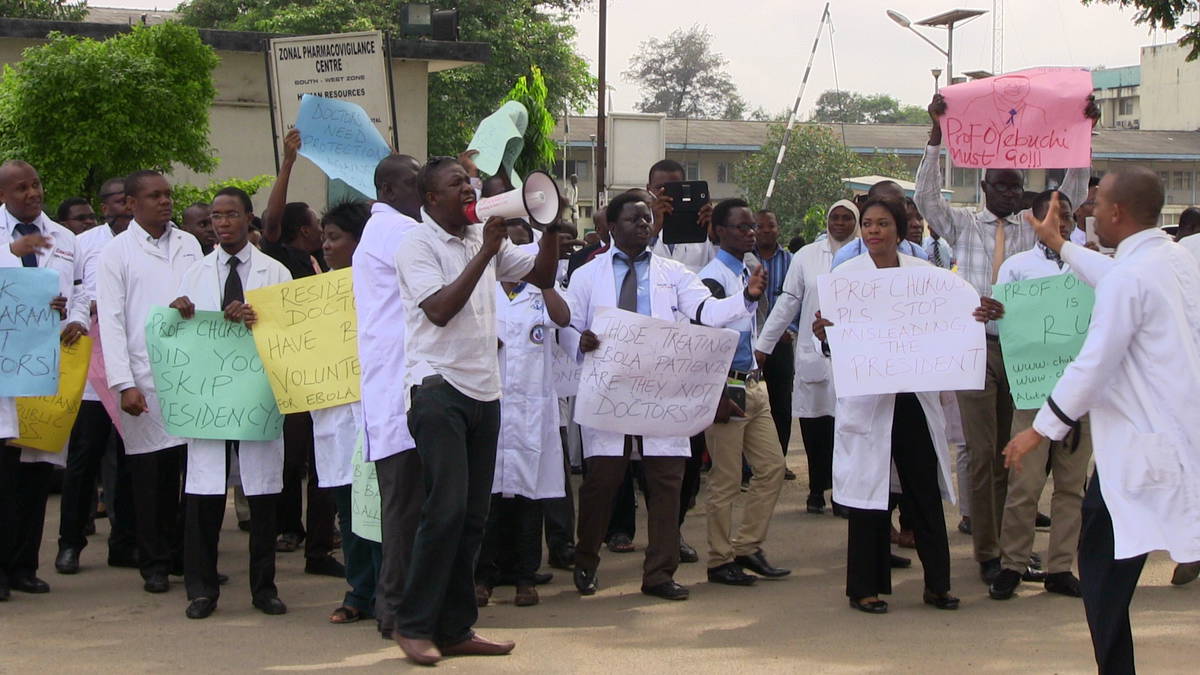
The Nigerian Association of Resident Doctors (NARD) has suspended its planned nationwide indefinite strike, granting the federal government a two-week ultimatum to address lingering welfare issues affecting resident doctors across the country.
The decision was taken after an emergency meeting of the association’s National Executive Council on Tuesday, where members reviewed assurances from government representatives and resolved to give dialogue another chance.
NARD said the suspension was informed by “progress made” in negotiations, particularly commitments on the prompt payment of salary arrears, hazard allowances, and steps toward resolving issues surrounding the Medical Residency Training Fund.
The association did not declare a full resolution of the dispute. It noted that the government had shown “renewed willingness” to address the concerns that triggered the strike threat.
The association noted that while these engagements signalled a willingness by the government to resolve the dispute, several critical issues remain outstanding, particularly the delayed payment of promotion arrears, salary arrears, the 2026 Medical Residency Training Fund (MRTF), and the backlog of 19 months’ professional allowance arrears owed to resident doctors.
It also expressed concern over the Federal Government’s decision to halt the implementation of the reviewed PAT, which had earlier triggered widespread dissatisfaction among its members and raised fears of disruption to healthcare services nationwide.
Despite these unresolved issues, NARD said it opted to suspend the strike as a demonstration of goodwill and commitment to ongoing dialogue, while giving the government a two-week window to take concrete, measurable and verifiable steps to meet its demands.
The association insisted on the immediate reversal of the decision affecting the PAT, payment of all outstanding arrears, prompt disbursement of the MRTF, and full settlement of the accumulated professional allowance backlog.
It warned that it would reconvene at the expiration of the ultimatum to assess the level of compliance and determine its next course of action, adding that failure by the government to meet its demands within the stipulated timeframe would result in the resumption of the suspended strike without further notice.
NARD also called on its members nationwide to remain calm, united and resolute, while urging the Federal Government to act swiftly to prevent a potential crisis in the health sector.
The association further appreciated the interventions of the Vice President and other stakeholders, expressing hope that their involvement would lead to the timely resolution of the dispute and help sustain healthcare delivery across the country.

By Modupe Gbadeyanka
To expand affordable healthcare in Kenya, Swedfund has invested about $600,000 into Jacaranda Health Limited (Jacaranda Maternity) to support innovations in neonatal intensive care and strengthen Jacaranda’s ability to provide life-saving services to underserved populations.
Jacaranda Maternity provides high-quality maternal health care at more affordable pricing than typical private providers, focusing on women in Nairobi’s low- and middle-income communities.
The new funding will support the opening of new hospitals, upgrading of neonatal care, and improvements to existing facilities.
Maternal and newborn health outcomes in Kenya remain a challenge, with maternal mortality still high despite improvements in skilled birth attendance.
Public health facilities play a central role but face capacity constraints, while access to reliable, quality care varies across regions and income groups.
Private healthcare providers offering essential maternity services at accessible price points can complement public provision.
Jacaranda Maternity aims to expand its network to six hospitals to achieve financial sustainability while scaling its impact. The healthcare provider is a recognised leader in promoting women’s health, with 71 percent of its staff being women, and a track record of effective environmental and social management.
“This investment will help Jacaranda Maternity provide life-saving care to more women and families while furthering Swedfund’s mission to promote inclusive and sustainable healthcare,” a Senior Investment Manager at Swedfund, Audrey Obara, said.
By Adedapo Adesanya
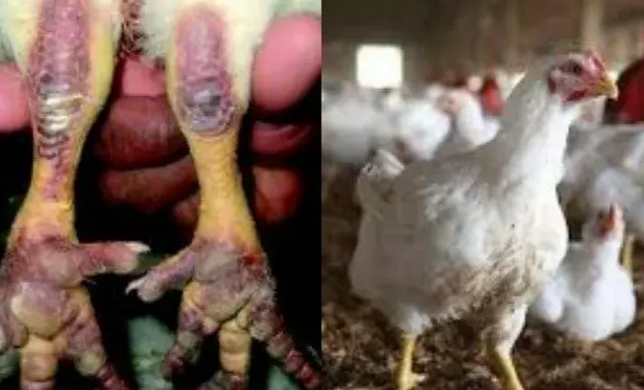
Nigeria will get a $350,000 intervention from the Food and Agriculture Organisation of the United Nations (FAO) to support its response to the ongoing outbreak of Highly Pathogenic Avian Influenza (bird flu) and strengthen the country’s animal health systems.
An agreement was reached on Wednesday during a strategic meeting between the Minister of Livestock Development, Mr Idi Mukhtar Maiha, and the FAO Representative to Nigeria and the Economic Community of West African States, Mr Hussein Gadain, in Abuja.
The intervention, approved under FAO’s Technical Cooperation Programme, will support disease containment efforts in 11 affected states and enhance surveillance, coordination and response mechanisms to prevent further spread of the disease.
Speaking during the meeting, Maiha said effective disease control remains critical to improving livestock productivity and protecting the livelihoods of farmers across the country.
He explained that factors such as drought, scarcity of feed, interaction between livestock and wildlife, as well as cross-border movement of animals have contributed to the spread of diseases in some areas.
“We must continue to strengthen our animal health systems and build the capacity required to respond effectively to disease outbreaks. Our collaboration with FAO will help protect livestock assets, improve productivity and support the broader transformation of the sector,” the minister said.
Mr Gadain commended the federal government’s commitment to the development of the livestock sector and assured that FAO would continue to provide technical support to Nigeria.
He stressed the need to strengthen veterinary services at the state and community levels, improve early detection of diseases and promote biosecurity practices among livestock farmers.
The meeting also reviewed progress on the global campaign to eradicate Peste des Petits Ruminants, a highly contagious disease that affects sheep and goats.
To advance the initiative, the ministry plans to convene a national technical meeting involving veterinary institutions, researchers and practitioners to review Nigeria’s eradication strategy and address gaps in vaccine supply.
As part of preparations, the ministry will engage the National Veterinary Research Institute to assess its vaccine production capacity while exploring other options for vaccine procurement to meet national demand.
Both parties also agreed to accelerate Nigeria’s access to financing under the Pandemic Fund through the One Health approach in collaboration with the Nigeria Centre for Disease Control and the Federal Ministry of Health to strengthen preparedness and response to zoonotic diseases.
Plans are also underway for the Director-General of FAO to participate in the Antimicrobial Resistance Conference scheduled for June 2026 in Abuja, where President Bola Tinubu is expected to be recognised as the African Champion for the eradication of Peste des Petits Ruminants.
The meeting further agreed to inaugurate a Livestock Donor Working Group to coordinate development partner support and advance key initiatives, including the development of a national feed and fodder strategy aimed at improving productivity and sustainability in the livestock sector.
-
 Feature/OPED6 years ago
Davos was Different this year
-
Travel/Tourism10 years ago
Lagos Seals Western Lodge Hotel In Ikorodu
-

 Showbiz3 years ago
Estranged Lover Releases Videos of Empress Njamah Bathing
-
 Banking8 years ago
Sort Codes of GTBank Branches in Nigeria
-

 Economy3 years ago
Subsidy Removal: CNG at N130 Per Litre Cheaper Than Petrol—IPMAN
-

 Banking3 years ago
Sort Codes of UBA Branches in Nigeria
-

 Banking3 years ago
First Bank Announces Planned Downtime
-

 Sports3 years ago
Highest Paid Nigerian Footballer – How Much Do Nigerian Footballers Earn