
Sports
Sports Betting Trends: What Bettors Are Focusing On


Over the past five years, the sports betting landscape across English speaking African regions has completely changed. For instance, Afropari.com notes that advances in technology in mobile phone and internet penetration have informed the emergence of new leeway for participants of sports betting in the whole of the continent.
In this article, we will look at current betting trends, popular sports markets and responsible gambling practices that are important to anyone interested in the African betting scene.
Mobile Betting Dominance
Mobile betting platforms now account for over 75% of all bets placed in English-speaking African markets, with https://afropari.com/mobile leading this digital transformation. This shift reflects the continent’s mobile-first approach to digital services, with some regions reporting as high as 88% of bets placed via mobile devices.
Telecom partnerships have decreased data costs for betting applications. Many operators offer “zero-rated” data usage, removing barriers to entry for potential bettors. The average bettor in these markets spends 4-6 hours weekly on betting applications.
Mobile money integration distinguishes African betting markets from other regions. Various mobile payment services enable instant deposits and withdrawals without traditional banking requirements, further accelerating the adoption of mobile betting solutions.
Popular Sports and Emerging Markets
Football remains the dominant market across English-speaking Africa, capturing approximately 68% of all bets placed. European leagues attract particular attention, with certain premier competitions generating nearly 40% of football betting volume. For bettors looking to explore these markets, platforms like http://www.afropari.com/line offer comprehensive coverage and competitive odds.
A 32% year-over-year increase in basketball betting has coincided with an increase in African player representation in major leagues. This has been fueled by improved broadcast access to the continent. Meanwhile, the popularity of local markets is increasing and domestic football leagues saw betting volume rises of 27 percent and 18 percent in various regions last year.
Technology and Innovation
Football remains the dominant market, capturing approximately 68% of all bets, with European leagues driving nearly 40% of football betting volume. Meanwhile, basketball has surged in popularity, seeing 32% year-over-year growth due to increased African player representation and better broadcast access.
Live features have revolutionized the African betting experience. Real-time wagers now represent over 60% of all bets placed in many markets. Streaming partnerships allow bettors to watch events directly on platforms. This further boosts engagement in leading sports categories for betting in Africa.
To solve connectivity issues, operators have now launched simplified apps which are compatible with the basic 2G/3G networks and thus are reachable even in areas with little infrastructure. These applications combine statistical analysis tools to give educational insights to the users for them to make more informed decisions.
Responsible Gambling Practices
Gambling should always remain entertainment. It is not a revenue source. The house advantage ensures operators profit over time. Understanding this principle helps maintain healthy behaviors.
Consider these responsible gambling practices:
- Set strict time and budget limits before betting.
- Never chase losses.
- Don’t borrow money to place bets.
- Use self-exclusion tools on betting platforms.
- Seek support if betting affects daily responsibilities.
- View gambling as entertainment with costs. It is not income.
The Future of Betting
The African betting market has a great potential and is estimated to reach US$11.27 billion by 2032 at a CAGR of 7.06% from 2024 to 2032. Secure, convenient and inexpensive alternatives to traditional banking are emerging through mobile money across the continent, and mobile money is revolutionizing this landscape.
Sports betting is the biggest part of the market, taking 60.5 per cent share of South Africa’s gambling revenue, which was ZAR 59.3 billion in 2023/24 (up 25.7 per cent year on year). High rates of high smartphone penetration above 70% in countries like South Africa fuel this growth.
Despite the growth of online betting, retail betting is still crucial in the African betting ecosystem. Rene Maishu Maimo observed that “Africans in their natural selves still like that physical interaction with sales agents.” They want to gather around kiosks and talk about football”. This shows that the holistic approach to reach the customer is a combination of digital innovation and cultural preferences.
Finally, mobile technology, rising sports markets, and sporting innovations to meet local needs have transformed the sports betting landscape in English speaking Africa. The betting trend has now shifted to mobile betting and the sport continues to be football and basketball, which are still attracting bettors across the continent.
With new technologies and data driven approaches becoming a part of the African sports betting industry, it is evident that the future of African sports betting is very promising. Despite this growth, it is important that that growth is maintained responsibly and with the presence of stronger regulations and creativeness campaigns.


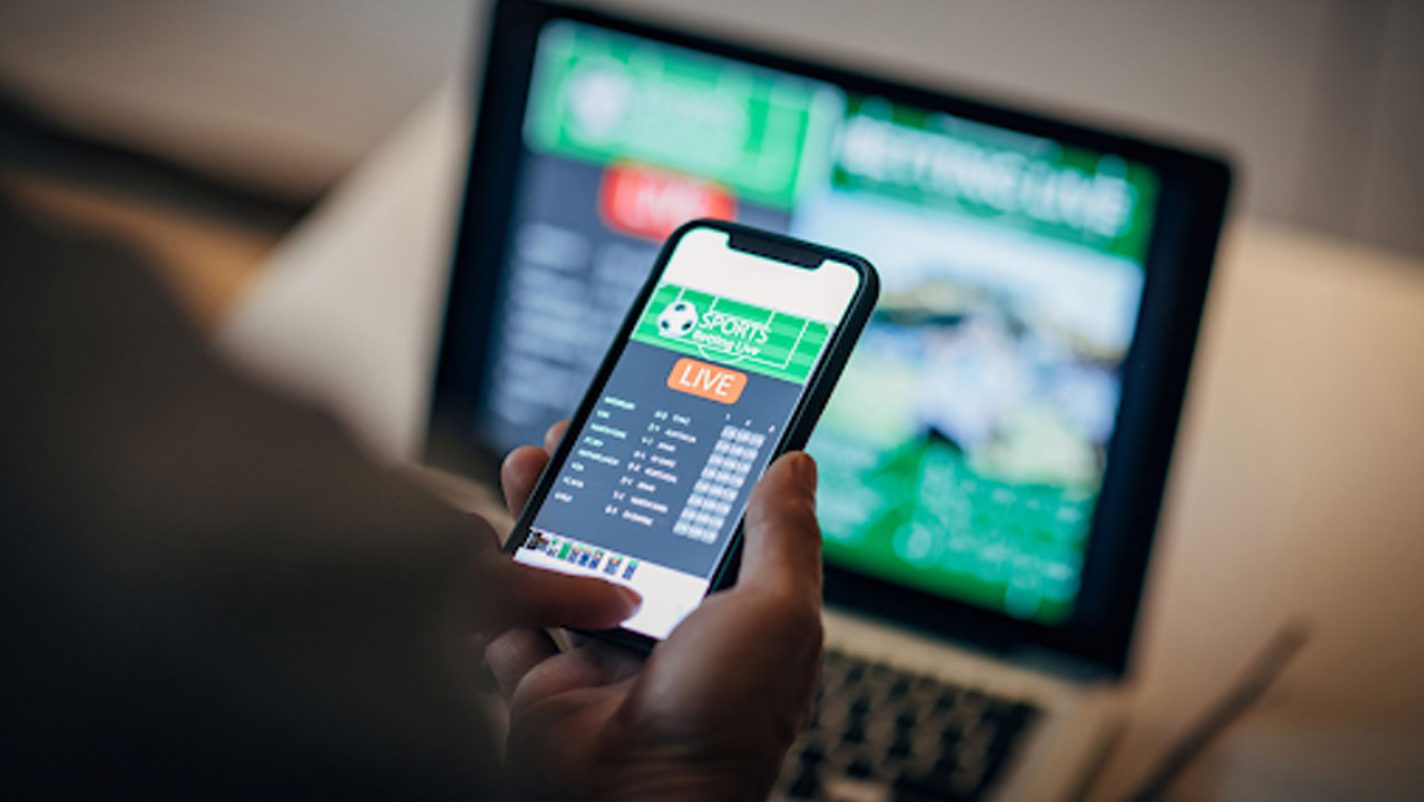
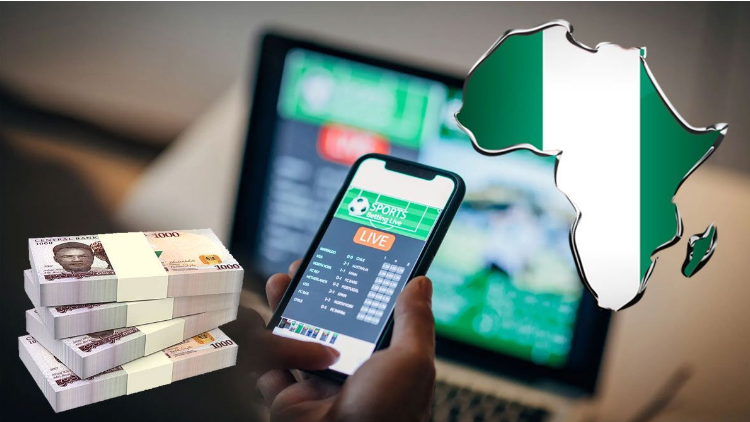
Nigeria’s online betting market is booming. Mobile internet and digital payments are driving millions of users to betting platforms, and as turnover grows, regulatory pressure is also increasing. The country’s authorities have to think simultaneously about tax revenues, player safety, and technological change that is outpacing the regulatory framework. Australia’s model is increasingly being cited as a possible benchmark, where online gambling develops within tightly defined rules.
The law that defines the framework
The cornerstone of Australia’s approach is the federal Interactive Gambling Act (IGA), passed in 2001 and amended several times since. Importantly, lawmakers neither imposed an outright ban nor gave the market free rein. Instead, they took a middle path: they clearly defined what is permitted, set out oversight mechanisms, and created a system in which every participant understands their obligations.
Such legal clarity reduces the number of grey areas and gives the regulator real enforcement tools.
What’s allowed—and what isn’t—online
Australia’s structure of permissions and prohibitions is built on an allowlist approach. Licensed operators are entitled to offer online sports betting. This is the main legal offering for the digital market. Online casinos and so-called casino-style games are significantly restricted for domestic operators. Offshore platforms targeting Australian customers without the appropriate licence risk facing ISP blocking and financial penalties. The law leaves little room for ambiguity: operating without authorisation carries clear consequences.
Online casinos are a different story. They are effectively prohibited for operators within the country, but players themselves often use overseas sites. Statistics from review sites show that players from Australia are especially interested in sign up bonuses casino no deposit. Many players use such bonuses to test the games, payouts, and the platform’s interface before making a deposit. This step is seen as important because online casinos operate outside Australian jurisdiction.
When it comes to online casinos, Australia is one of the strictest jurisdictions in terms of regulation. This is explained not only by the need to protect players from addiction, but also by combating fraud. If Nigeria plans to follow Australia’s example, it will need to take the full legal picture into account.
How loopholes were closed in 2017
The rapid spread of the internet and the vague wording of the law’s early versions created grey areas that unlicensed operators readily exploited. The 2017 reforms were a turning point. Lawmakers clarified provisions aimed at offshore platforms and significantly expanded the powers of the Australian Communications and Media Authority (ACMA).
The authority gained the right to conduct investigations, seek ISP blocking of sites that violate the law, and coordinate penalties. In essence, the reform turned abstract prohibitions into a workable enforcement regime.
Player protection as a licensing requirement
Australia’s model is notable for a shift from revenue to harm minimisation. Every licensed operator is required to meet a set of requirements:
- conduct identity verification of players
- provide self-exclusion mechanisms
- implement responsible gambling tools
- comply with clear advertising standards
In fast-growing markets where such measures are absent, there is a high risk of reputational damage and political crises that can set the industry back for years.
Who is responsible for what in a federal system
Australia’s regulatory architecture operates on two levels. Federal law sets the general rules, while states and territories issue licences and oversee compliance within their own jurisdictions. Nigeria, also structured as a federation, can draw practical lessons from this setup. A clear division of powers reduces duplication of functions, eliminates conflicts between agencies, and narrows enforcement gaps.
Enforcement in a digital era when sites are offshore
Legal rules alone are not enough without real enforcement. Australia uses a wide range of digital tools: site blocking, working with banks and payment providers, blocking payments to unlicensed operators, and inter-agency cooperation. Offshore platforms do not disappear entirely, but the visibility and certainty of enforcement increase discipline across the entire market.
Betting ads and the debate over what’s acceptable
Public criticism of bookmakers’ advertising during sports broadcasts has become one of the most contentious issues in Australia’s debate. The concerns relate primarily to the impact on young people. In response, the authorities tightened marketing restrictions in stages. This story clearly shows that regulation is never static and must constantly adapt to new social challenges.
Why Australia’s model is criticised
Even a structured system is not without weaknesses. Critics point out that certain types of gambling remain widely accessible, and the problem of gambling addiction is far from being solved. Political and social challenges persist, and the government has to maintain an ongoing dialogue with the public.
What is Nigeria’s next step
Copying the Australian model wholesale would be a mistake: the legal, cultural, and economic contexts of the two countries differ too much. However, Australia’s experience is useful as a benchmark for updating the regulatory framework and strengthening enforcement. The ultimate goal is for revenue, technological innovation, and player protection to advance together rather than one coming at the expense of the others.

By Adedapo Adesanya
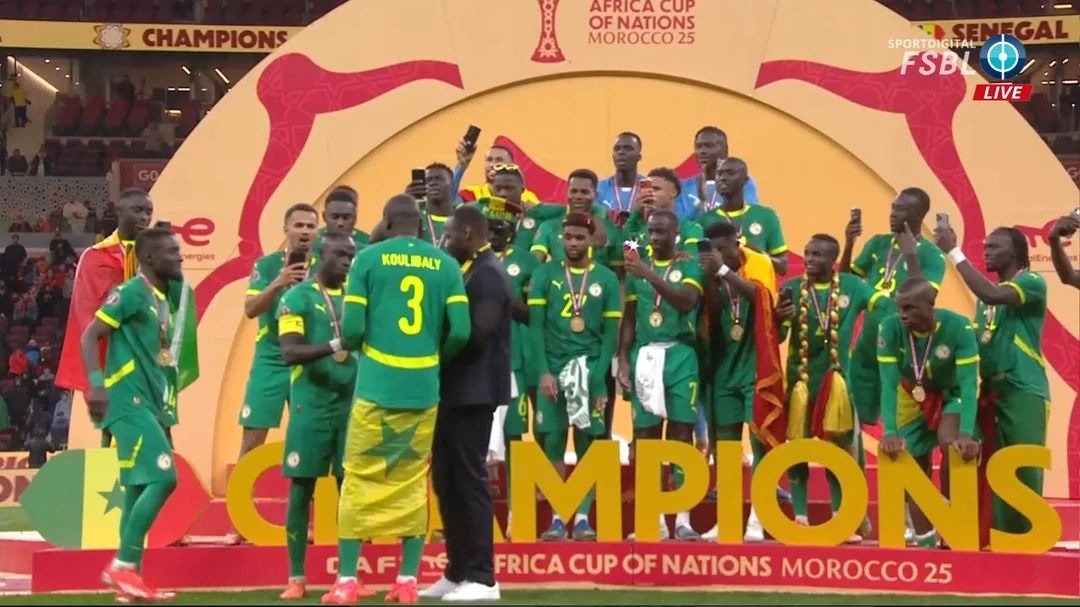
The Court of Arbitration for Sports (CAS) has confirmed that the Senegalese Football Federation has appealed the decision to declare Morocco as the winners of the AFCON 2025, asking to be restored as the original winners.
The appeal, registered by CAS on Wednesday, March 25, 2026, is “to set aside the CAF decision and declare the FSF winners of AFCON”.
It is not clear at the moment when the final ruling will be made, but the court has ordered a freeze on the implementation of the initial verdict.
This places the title in legal limbo until a full hearing is held in the coming weeks.
The Confederation of African Football (CAF) sparked outrage last week after it declared Morocco as champions of the continental showpiece following a walkout staged by the Senegal team in January, but later returned to defeat the hosting nation, 1-0.
CAF, in the statement announcing the decision, said “the Senegal national team is declared to have forfeited the match,” a 1-0 victory in the final, “with the result being officially recorded as 3-0” in favour of Morocco.
The decision follows an appeal by the Moroccan FA, which CAF said is “declared admissible in form” and was upheld.
The Royal Moroccan Football Federation (FRMF) said in a statement, “its action was never intended to contest the sporting performance of the teams participating in this competition, but solely to request the application of the competition regulations”.
During the final on January 18, with the scoreline 0-0, Congolese referee Jean Jacques Ndala gave a spot-kick in the eighth minute of added time.
Referee Ndala was advised by the video assistant referee (VAR) to consult the pitchside monitor and review defender El Hadji Malick Diouf’s challenge on Diaz.
Senegal head coach Pape Thiaw, still incensed by the decision a few moments earlier to disallow a Senegal goal from Ismaila Sarr, ushered his team off the field.
CAF added that “through the conduct of its team”, Senegal infringed on Article 82 of the regulations of the Africa Cup of Nations, and as a result, Article 84 became applicable.
Article 82 states that if a team refuses to play or leaves the ground before the end of regulation time without the referee’s authorisation, it will be considered the loser and eliminated from the competition.
Article 84 complements this provision, stating that any team that violates Article 82 will be permanently eliminated and will lose the match 3-0.
After the decision, the Senegal coach took the trophy on a tour to the country’s military headquarters while President Bassirou Diomaye Faye joined the chorus of disapproval by changing his profile picture across his official social media accounts to an image of the AFCON trophy displayed behind him.

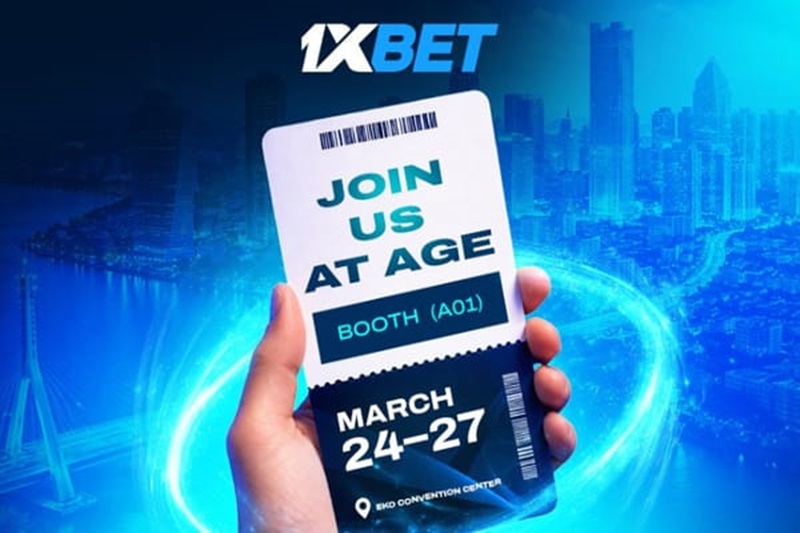
The global betting company 1xBet will take part in the prestigious iGaming exhibition, the Africa Gaming Expo, which will be held at Chief Yesufu Abiodun Road, Oniru, in Lagos, Nigeria, from March 24 to 27. The brand will present new ideas regarding the digital transformation of its products and create a welcoming environment for business activities.
The Africa Gaming Expo is one of the region’s key iGaming events, attended by leading industry experts, representatives of regulatory bodies, and CEOs of international companies. Forum guests can look forward to panel discussions, keynote speeches, and productive networking to exchange contacts and build promising deals.
Last year, this prestigious forum welcomed over 7,300 delegates, including more than 90 speakers. Africa is one of the fastest-growing markets with a high level of business activity. That is why the scale of AGE 2026 has expanded greatly.
The 1xBet booth (A01) will serve as the event’s main hub for business connections, where the brand’s team will foster a comfortable atmosphere for open dialogue and idea exchange. There will also be a mini-bar serving refreshing cocktails and delicious coffee. 1xBet is also proud to be a sponsor of the Opening Cocktail Ceremony, reinforcing its commitment to creating exceptional networking opportunities at AGE 2026.
1xBet partners and all AGE 2026 participants can look forward to interactive entertainment, including a giveaway from the company – an Apple iPhone 17 Pro, scheduled for March 25 at 4:00 P.M.
For 1xBet, Africa is a strategically important region, and participation in regional industry events provides the brand with a unique opportunity to deepen its understanding of the local market context and strengthen its leadership position.
The 1xBet team is here to share valuable insights and expertise that will help you fully unlock the potential of this rapidly growing region. You can do this by joining the 1xPartners program, which has been in the market for over 10 years and has brought together more than 500,000 partners from over 150 countries.
Contact your 1xBet manager and make an appointment! See you at AGE Africa 2026.
About 1xBet
1xBet is a world-renowned company with 19 years of experience in the betting and gambling industry. The brand’s customers place bets on thousands of sports events and play popular games from top providers in its online casino. The company’s website and app are available in 73 languages.
1xBet’s list of official partners includes FC Barcelona, Paris Saint-Germain, Italy’s Serie A, FIBA, Volleyball World, and other globally renowned sports brands and organizations.
The brand actively supports sports on the continent as an official partner of the Confederation of African Football (CAF) and all its tournaments. 1xBet collaborates with leading clubs and sports federations across Africa, invests in amateur tournaments, and helps young talents unlock their potential.
The company’s excellence is recognized through prestigious awards, including “”Sportsbook of the Year -Africa”” and “”Best on mobile”” at the SiGMA Africa Awards 2026.
About AGE
Africa Gaming Expo (AGE) is one of Africa’s largest iGaming exhibitions, dedicated to the integration of innovations and cutting-edge fintech solutions. The forum unites operators, regulators, investors, businesspeople, and other industry experts. This year, the event will be attended by over 7,000 delegates to showcase the latest technologies and exchange experiences.









-
 Feature/OPED6 years ago
Davos was Different this year
-
Travel/Tourism10 years ago
Lagos Seals Western Lodge Hotel In Ikorodu
-

 Showbiz3 years ago
Estranged Lover Releases Videos of Empress Njamah Bathing
-
 Banking8 years ago
Sort Codes of GTBank Branches in Nigeria
-

 Economy3 years ago
Subsidy Removal: CNG at N130 Per Litre Cheaper Than Petrol—IPMAN
-

 Banking3 years ago
Sort Codes of UBA Branches in Nigeria
-

 Banking3 years ago
First Bank Announces Planned Downtime
-

 Sports3 years ago
Highest Paid Nigerian Footballer – How Much Do Nigerian Footballers Earn
Pingback: Personalized Sports Betting: Custom Markets Transforming Fan Engagement – My Blog