Connect with us

Sports

The Rise of Digital Sports Platforms in Nigeria

Published

on

Digital Sports Platforms Nigeria

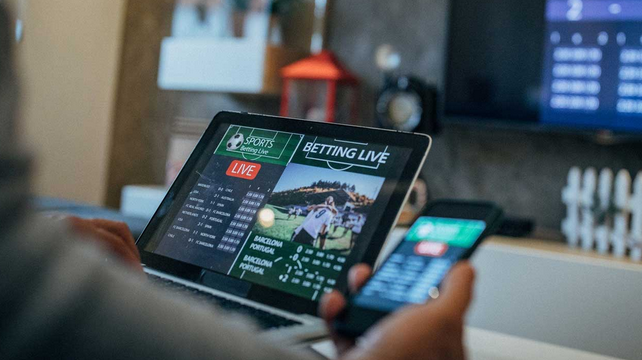
Nigeria is witnessing a significant shift in how people, particularly the youth, interact with sports, largely driven by the surge of digital platforms. The convergence of increased internet access, widespread smartphone adoption, and a deep-rooted passion for sports has created fertile ground for these platforms to flourish. From fantasy leagues and online betting to live-streaming services and sports news apps, technology is reshaping the nation’s sporting landscape.

This digital transformation is not just changing how fans consume content; it is creating new avenues for engagement, participation, and monetisation. As these platforms gain momentum, they are fundamentally altering the sports industry, offering unprecedented opportunities for both consumers and businesses. The impact of this digital wave is becoming increasingly evident, making it a pivotal moment for youth engagement in Nigerian sports.

Youth and Their Passion for Sports in the Digital Age

Nigeria’s youth are channelling their deep-seated passion for sports through a variety of digital avenues, fundamentally changing how they interact with their favourite teams and athletes. This tech-savvy generation is moving beyond traditional television broadcasts, embracing a more interactive and personalised sporting experience. Live-streaming services allow them to watch matches on their smartphones and laptops, whether it is European football leagues or local Nigerian Professional Football League games. This accessibility means they are no longer constrained by location or schedule, bringing the action directly to their fingertips.

Mobile applications have also become central to this new era of engagement. From dedicated sports news apps that provide real-time updates, scores, and analysis, to fantasy sports platforms where they can build and manage their own teams, young Nigerians are more involved than ever. Social media platforms like X, Instagram, and Facebook serve as virtual stadiums where they can discuss live events, share opinions, and connect with a global community of fans. This constant digital conversation amplifies their passion, turning passive viewing into an active, participatory event. Through these technologies, young people are not just watching sports; they are living them, creating a dynamic and highly engaged fan culture across the country.

1win: A Game-Changer in the Nigerian Sports Scene

Among the numerous digital platforms capturing the attention of Nigerian youth, 1win has emerged as a significant player, reshaping how young people interact with sports. This platform distinguishes itself by offering a comprehensive entertainment hub that extends beyond traditional sports betting. Its user-friendly interface, accessible via both website and mobile app, provides a seamless experience for users looking to engage with a wide variety of sporting events, both local and international. The platform integrates live streaming, extensive betting markets, and an online casino, creating a multifaceted experience that appeals to a diverse youth audience.

The popularity of 1win among young Nigerians can be attributed to its modern approach and tailored offerings. Features like generous bonuses, a wide array of payment options including crypto and local currencies, and responsive customer support have built a strong sense of trust and loyalty. By providing a reliable and engaging way to follow and participate in sports, 1win is playing a crucial role in fostering a more vibrant sports culture. It transforms passive viewership into an active and thrilling experience, encouraging youth to delve deeper into sports analytics and follow a broader range of athletic disciplines. This increased engagement not only fuels individual passion but also contributes to the overall growth of the digital sports ecosystem in Nigeria.

The Role of Social Media in Promoting Sports Engagement

Social media has become the digital heartbeat of sports culture among Nigerian youth, transforming how they consume and interact with sporting content. Platforms like X, Instagram, and TikTok serve as dynamic, real-time hubs for everything sports-related. On X, young fans get instant updates, follow live commentary from journalists and fellow supporters, and participate in global conversations using event-specific hashtags. This platform allows for immediate reactions and heated debates, making every match a shared, interactive experience. The fast-paced nature of X makes it an essential tool for staying on top of breaking news, transfer rumours, and post-match analysis.

Instagram and TikTok offer a more visual and personality-driven form of engagement. On Instagram, youth follow their favourite athletes for a behind-the-scenes look at their lives, training routines, and personal stories, creating a stronger connection than traditional media ever could. They share visually appealing content like highlight reels, fan art, and memes, fostering a sense of community. TikTok has introduced a new layer of creativity, with users creating short, engaging videos of trick shots, dance challenges related to sports, and humorous takes on recent games. These platforms are not just for consumption; they are for creation and connection. Through them, young Nigerians find and build communities of like-minded fans, turning a solitary interest into a vibrant, collective passion that transcends geographical boundaries. This digital camaraderie is fundamental to the modern sports experience.

E-Sports and Gaming: A New Frontier for Nigerian Youth

Beyond traditional sports, a new competitive arena is capturing the imagination of Nigerian youth: e-sports and gaming. This digital frontier is expanding rapidly, fuelled by greater access to gaming technology, high-speed internet, and a thriving online community. For many young people, video games have evolved from a casual hobby into a serious passion and a potential career path. Digital platforms are at the core of this movement, providing the infrastructure for competition, viewership, and community building. E-sports are becoming a significant part of the youth culture, with titles like FIFA, Call of Duty, and League of Legends attracting massive followings.

The growth of e-sports in Nigeria is driven by several key factors. Local and international tournaments, often promoted and streamed online, offer a stage for aspiring professional gamers to showcase their skills and compete for prize money. Streaming platforms such as Twitch and YouTube have empowered individuals to broadcast their gameplay, build a personal brand, and connect directly with their audience. This creates a feedback loop where popular streamers inspire more young people to participate. Furthermore, social media channels serve as crucial gathering places for gamers to discuss strategies, share content, and organise grassroots competitions. This sense of community is vital, turning individual players into members of a larger, passionate movement that is redefining what it means to be an athlete in the digital age.

Challenges Facing Digital Sports Platforms in Nigeria

Despite their rapid growth and increasing popularity, digital sports platforms in Nigeria navigate a complex and challenging landscape. The path to success is fraught with obstacles that can hinder their operations and limit their potential reach. While the youth market is enthusiastic, converting that enthusiasm into sustainable business models requires overcoming several significant hurdles. These issues range from foundational infrastructure deficits to the complexities of a competitive and evolving market.

One of the most pressing concerns is the inconsistency of digital infrastructure across the country. Although internet penetration is rising, issues with connectivity speed, reliability, and the high cost of data in certain areas can create a barrier for many potential users. Furthermore, the regulatory environment can be uncertain, with policies that may change and impact business operations, particularly in the sports betting sector. The market is also becoming increasingly saturated, with both local and international platforms vying for the attention of the same youth demographic, making it difficult for newer or smaller players to gain a foothold. Successfully addressing these challenges is crucial for the long-term viability and growth of digital sports engagement in Nigeria. Key challenges include:

  • Infrastructural Deficits: Unreliable internet connectivity and high data costs in many regions limit accessibility for a segment of the population.
  • Regulatory Uncertainty: A dynamic and sometimes unpredictable regulatory framework can create operational risks and compliance burdens.
  • Intense Market Competition: A crowded marketplace with numerous platforms competing for user loyalty puts pressure on profitability and brand differentiation.
  • Payment and Transaction Issues: Ensuring secure, seamless, and diverse payment options remains a constant challenge in a market with varying levels of financial inclusion.
  • Building Trust: In an environment where online scams are a concern, establishing and maintaining user trust is a paramount but difficult task.

The Economic Impact of Digital Sports Platforms

The proliferation of digital sports platforms in Nigeria is delivering a significant economic boost, extending far beyond the realm of fan engagement. This burgeoning sector is becoming a powerful engine for economic growth, creating new revenue streams and employment opportunities. As platforms like sports betting sites, streaming services, and fantasy leagues gain traction, they generate substantial taxable income, contributing directly to the national economy. This digital transformation of the sports industry also stimulates ancillary sectors, including digital marketing, content creation, software development, and customer service, fostering a ripple effect of economic activity.

One of the most notable impacts is job creation. These platforms require a diverse workforce, from tech professionals who build and maintain the digital infrastructure to marketers who drive user acquisition and engagement. They also provide opportunities for a new generation of sports journalists, analysts, and content creators who produce articles, videos, and podcasts for these digital outlets. This creates a viable career path for young people who are passionate about both sports and technology.

The Digital Sports Revolution: A Bright Future for Nigeria

The digital transformation of Nigeria’s sports industry is reshaping how the youth engage with their favorite teams, athletes, and games. From live-streaming matches and participating in fantasy leagues to exploring the growing world of e-sports, technology has unlocked unprecedented opportunities for interaction and innovation. Platforms like 1win and social media channels have become central to this evolution, fostering a vibrant, participatory sports culture that transcends traditional boundaries.

As Nigeria continues to embrace this digital revolution, the future of sports engagement looks promising, with technology serving as the bridge between youthful passion and a thriving, interconnected sports ecosystem.


Sports

League and Cup Drama Anchor European Football Weekend Live on SuperSport

Published

on

Football Weekend Live on SuperSport

League battles and cup dreams all come under the spotlight this weekend as major fixtures take centre stage in England, Spain, Italy and France. From Wembley semi-finals to heavyweight clashes across the continent, fans can catch the action live on SuperSport on DStv and GOtv.

Premier League & FA Cup: Wembley Pressure, Title Tension

Domestic attention in England is split between the FA Cup semi-finals and a Premier League title race entering a decisive stretch.

Saturday opens at 12:30 PM with Fulham hosting Aston Villa. Villa strengthened their grip on fourth place after a dramatic win over Sunderland and will look to keep pressure on the teams above them. Fulham, meanwhile, need a response after a flat attacking display in recent weeks.

At 3:00 PM, Wolves meet Tottenham Hotspur in a crucial battle near the bottom, live on SS Football (GOtv Ch. 61, DStv Ch. 205). Wolves have already been relegated, while Spurs know victory could lift them out of the drop zone.

The FA Cup semi-finals begin at Wembley at 5:15 PM as Manchester City face Southampton, live on SS Football (GOtv Ch. 61, DStv Ch. 205). City are chasing another domestic double after moving top of the league and lifting the Carabao Cup, though recent wins have come by narrow margins.

Also at 5:30 PM, Arsenal host Newcastle United in a pivotal league fixture. Back-to-back defeats have damaged Arsenal’s title momentum, but with City occupied at Wembley, the Gunners can move back to the summit with victory.

Sunday’s FA Cup semi-final sees Chelsea take on Leeds United at 3:00 PM on SS Premier League (GOtv Ch. 65, DStv Ch. 203). Chelsea arrive under heavy pressure after a poor run of form, while Leeds continue to play with confidence and freedom.

The English weekend concludes on Monday at 8:00 PM as Manchester United host Brentford. United are pushing to secure third place, while Brentford’s resilience continues to make them awkward opponents.

All Premier League and FA Cup action airs live on SS Premier League (DStv Ch. 203, GOtv Ch. 65) and SS Football (DStv Ch. 205, GOtv Ch. 61).

La Liga: Barca Control, Madrid Chase

Spain’s title race edges closer to its conclusion, with Barcelona holding a strong advantage while Real Madrid try to stay alive.

Friday begins at 8:00 PM as Real Betis host Real Madrid. Madrid remain under pressure after recent stumbles, while Betis are chasing European qualification and sensing opportunity.

On Saturday at 3:15 PM, Getafe welcome Barcelona. Injuries have created fresh concerns for the league leaders, but Barca remain firmly in command at the top. Later at 8:00 PM, Atletico Madrid face Athletic Club. Atletico’s recent slump has tightened the race for Champions League places, making this a high-pressure evening for Diego Simeone’s side.

Sunday’s tie sees Villarreal go against Celta Vigo at 8:00 PM. Villarreal have quietly built a strong hold on third place, while Celta continue to push for Europe.

La Liga matches air live on SS La Liga (DStv Ch. 204, GOtv Ch. 62).

Serie A: Milan, Juve Clash as Inter Cruise

Inter Milan remain in command of Serie A, but the race behind them is wide open. Friday at 7:45 PM sees Napoli host Cremonese. Napoli need an immediate response after defeat last time out and cannot afford dropped points in the battle for second.

Sunday begins at 2:00 PM with Genoa against Como. Como’s remarkable campaign has slowed in recent weeks, and they need a win to revive hopes of a top-four finish. At 5:00 PM, Torino host leaders Inter Milan. Inter continue to look untouchable and another victory would move them closer to the title.

The standout tie comes at 7:45 PM as AC Milan face Juventus. Milan are narrowly ahead in second, while Juventus know a win would dramatically tighten the race for Champions League places.

Serie A fixtures air live on SS Africa 2 (DStv Ch. 208, GOtv Ch. 64).

Ligue 1: PSG Lead, European Race Tightens

France offers another crucial round as PSG protect their lead while several clubs chase European places. Friday at 7:45 PM sees Brest host RC Lens. Lens remain in pursuit of PSG and need maximum points to stay in contention.

Saturday begins with Lyon against Auxerre at 2:00 PM. Lyon have surged into the top three and will aim to maintain momentum. At 6:00 PM, Angers face PSG. The champions-elect restored control in midweek and will expect another strong result.

Later at 8:05 PM, Toulouse host Monaco in a key fixture for the visitors’ European hopes.

Sunday features Paris FC against Lille at 4:15 PM before Marseille meet Nice at 7:45 PM in a high-pressure clash for both sides.

Ligue 1 matches air on SS Football (DStv Ch. 205, GOtv Ch. 61), with selected fixtures on SS Africa 1 (DStv Ch. 207, GOtv Ch. 63).

Weekend Highlights

Premier League / FA Cup

  • Fulham vs Aston Villa – Sat, 12:30 PM

  • Wolves vs Tottenham – Sat, 3:00 PM (SS Football)

  • Man City vs Southampton – Sat, 5:15 PM (FA Cup Semi-final, SS Football)

  • Arsenal vs Newcastle – Sat, 5:30 PM

  • Chelsea vs Leeds – Sun, 3:00 PM (FA Cup Semi-final)

  • Man United vs Brentford – Mon, 8:00 PM

La Liga

  • Real Betis vs Real Madrid – Fri, 8:00 PM

  • Getafe vs Barcelona – Sat, 3:15 PM

  • Atletico Madrid vs Athletic Club – Sat, 8:00 PM

  • Villarreal vs Celta Vigo – Sun, 8:00 PM

Serie A

  • Napoli vs Cremonese – Fri, 7:45 PM

  • Genoa vs Como – Sun, 2:00 PM

  • Torino vs Inter Milan – Sun, 5:00 PM

  • AC Milan vs Juventus – Sun, 7:45 PM

Ligue 1

  • Brest vs RC Lens – Fri, 7:45 PM

  • Lyon vs Auxerre – Sat, 2:00 PM

  • Angers vs PSG – Sat, 6:00 PM

  • Toulouse vs Monaco – Sat, 8:05 PM

  • Paris FC vs Lille – Sun, 4:15 PM

  • Marseille vs Nice – Sun, 7:45 PM

Your Sports Companion

As part of the Canal+ family, SuperSport remains committed to delivering world-class football coverage year-round from Europe’s biggest leagues to global showpieces such as the 2026 FIFA World Cup.

Catch all the action live on SuperSport on DStv and GOtv, with matches also available via DStv Stream and GOtv Stream. Manage or upgrade your subscription via the MyDStv or MyGOtv apps, visit www.dstv.com or www.gotvafrica.com, or dial *288# to stay connected.

Continue Reading

Sports

Bid to Restore Full Tax Write-off for Gambling Losses Stalls in the U.S. House of Representatives

Published

on

Casino lobbying

An initiative by Rep. Dina Titus, a Nevada Democrat, to restore a 100% tax deduction for gambling losses failed to clear a procedural hurdle. The House Rules Committee declined to advance the amendment to a major spending bill, effectively shelving the issue for the foreseeable future.

What changed in the tax rules and why it became a problem

After last year’s tax changes adopted under the One Bill Beautiful Bill Act, when filing their annual returns players will be able to deduct not 100% of their losses, but only up to 90%. At first glance the difference seems small, but the industry says the impact is significant.

Industry representatives call it the “phantom income” trap. The essence of the problem is simple: a person who over the year lost and won the same amount effectively broke even, but under the new order could still end up with taxable income. Money the player never actually earned turns into “phantom” profit on which tax must be paid.

A further complication arises with winnings obtained through the use of casino bonuses. This includes both bonus funds and free spins. Even if the no deposit free spins, the winnings are still taxed based on the amount won.  Such a system looks illogical—and its opponents point to Canada’s experience.

In Canada, casual players generally aren’t taxed at all—and it doesn’t matter whether a player used their own deposit for bets or no deposit free spins. The exception is professional gamblers, meaning people who gamble on a systematic basis and earn money from it.

How events unfolded on Capitol Hill

The week’s developments can be summed up in a few key episodes:

  • Dina Titus spoke on Wednesday before colleagues on the House Rules Committee, arguing for the need to include an amendment restoring the 100% deduction in the spending bill (Consolidated Appropriations Act).
  • The committee reviewed a package of nearly 70 amendments and did not advance Titus’s initiative.
  • On Thursday, the House passed the broader bill and sent it to the Senate without the disputed provision.

The procedural outcome and what the committee’s refusal means

Without approval from the House Rules Committee, the amendment cannot be brought up for a vote as part of the current “must-pass” bill. This means the initiative is put on ice until a new suitable legislative vehicle emerges. The issue is unlikely to return unless the provision is included in another must-pass document later this year or brought forward as a standalone bill.

Dina Titus’s position and supporters’ arguments

Titus tried to fold the provision restoring the deduction into the spending bill, but failed. In a Friday statement, she expressed disappointment that “the House Rules Committee chose not to move forward with legislation to restore the full 100% deduction for gambling losses.” The congresswoman emphasized that “I don’t care how this injustice is fixed—what matters is that it gets fixed. This is a tax on phantom winnings, and it affects everyone who places bets.” The Nevada delegation will continue pressing the case through future appropriations packages or standalone legislative initiatives.

Who will be hit hardest by the 90% cap

According to industry representatives and tax specialists, the cap will hit professional gamblers and high-stakes players first and foremost. Poker players will be among the first affected. High-limit slot players will face a similar problem. Sports bettors will also fall under the new restriction.

The FAIR BET Act as a separate legislative path

Titus is pushing the bipartisan FAIR BET Act, introduced back in July of last year and restoring full deductibility. Last week’s events were an attempt to pass a similar provision not as a standalone bill, but via an amendment to an appropriations package, which would have sped up the process.

Parallel work in the Senate on the FULL HOUSE Act

Parallel work is underway in the upper chamber. Senators Catherine Cortez Masto and Jacky Rosen, both Democrats from Nevada, along with Texas Republican Ted Cruz, are co-sponsoring the FULL HOUSE Act. The bill’s goal is the same: restoring the 100% deduction for gambling losses.

Casino lobbying and the search for a new legislative window

Back in December, executives from the largest Las Vegas casino operators and the gaming industry’s main lobbying group met with Jason Smith, a Missouri Republican and chair of the House Ways and Means Committee. The meeting was part of a strategy: building support among key figures ahead of the next attempts to add the provision to a suitable bill.

Supporters are looking for another bill to amend

The next plan of action boils down to searching for new legislative opportunities over the course of the year. This could be another appropriations package or a separate vote on relevant initiatives. Titus put it succinctly: “There will be other opportunities to get this provision into a bill for consideration on the House floor. I’ll use every one of them until we get results.”

Continue Reading

Sports

Uncertainty Between State Governments and the Federal Government Keeps Nigeria’s Gambling Market in Limbo

Published

on

Nigerian gambling market

The crisis in gambling regulation in Nigeria shows no sign of easing. The standoff between state regulators and the federal authorities has entered a new phase after President Bola Ahmed Tinubu rejected a bill in December to centralize oversight of the industry. Now businesses and investors are waiting to see whether 2026 will bring any clarity at all.

Ben Cowe, Marketing Director at Logifuture, outlined the industry’s position in an interview with iGB. The company is a sportsbook platform provider for Bet9ja, the country’s largest betting operator.

What the bill proposed—and why it was rejected

The Central Gaming Bill would have established a national commission that would assume responsibility for centralized regulation of the entire gaming industry. The drafters intended the model to resemble the former Lotteries Act, which is no longer in force.

However, President Tinubu considered that the bill directly contradicts a 2024 Supreme Court decision. The Supreme Court ruled that gambling should be regulated at the state level rather than by the federal government. The bill’s rejection means that a “clean” transition from the federal model to a fully state-based one has still not been formalized.

Business expectations and a call for “common sense”

Despite the prolonged deadlock, Cowe is cautiously optimistic. “We hope 2026 will be the time when common sense prevails,” he said.

According to him, all participants in the process need to “collectively find a system that will work.” Possible formats being discussed in the industry include:

  • national legislation with a single rulebook;
  • a federal-level coordinating body;
  • aligned local committees operating in step with the sector’s interests.

Why the industry needs rules—and what happens without them

Cowe outlined several reasons why businesses are interested in the swift emergence of a clear regulatory framework:

  • market safety and protecting players from unfair practices;
  • protecting operators from a “rules-free market” scenario;
  • the risk of the expansion of offshore operators that pay no taxes and have no obligations to users;
  • establishing clear requirements and transparent oversight.

“We don’t want Nigeria to become a free-for-all that offshore operators can simply jump into, grab market share, and not pay taxes,” Cowe stressed.

How the uncertainty affects Logifuture and Bet9ja

Regulatory chaos certainly puts pressure on the legal team, compliance, and licensing. However, operationally the situation looks stable. “Does it affect us day to day? Not really,” Cowe admitted.

The factors ensuring this stability are quite specific:

  • Bet9ja is licensed and operates in every state that issues licenses and also, as Cowe put it wryly, “in some states that don’t exactly issue licenses—but act as if they do”;
  • more than 20,000 retail outlets operate across the country;
  • online access to the Bet9ja platform has not been disrupted.

A unified model and investors

A stronger and clearer regulatory framework could serve as a kind of “green light” for investors, lowering the barrier to entry by making the rules more predictable.

At the same time, the market is maturing. Consolidation is already underway, and a small group of operators dominates. A new brand will require serious investment in building its image, distribution channels, and infrastructure. Even with clear rules, a quick payback is unlikely, and market entry will be strategic and long-term.

Customer acquisition methods are proving effective internationally

In the gambling sector, Nigeria is gradually becoming closer to developed countries with their mature online casino markets. For example, new projects in Europe, the US, or New Zealand have to use a wide range of tools to attract players. These include affiliate marketing, partnerships with streamers and influencers, as well as no deposit casino sign up bonuses and other promotions used to attract newcomers. In Nigeria, all these tools are also being used and deliver results. Moreover, while people in Western countries mostly play for entertainment, in comparatively lower-income Nigeria, as in other countries in the region, people want to make money this way. And bonus offers are even more appealing to them.

Demographics and betting economics

On paper, Nigeria looks highly attractive. More than 1 million people turn 18 each year, creating a “steady pipeline” of new consumers.

However, Cowe cautioned against inflated expectations. The average player’s “wallet size,” the average stake, and other metrics that determine revenue do not point to a fast return on investment. Any entry into this market requires a willingness to take a long-term approach.

A double layer of uncertainty remains

Businesses are counting on a coordinated regulatory system, but until it emerges, the sector will continue to operate amid a tug-of-war over authority between the federal level and the states. The question of which model will ultimately prevail remains open.

Continue Reading

Trending