

Technology
Accelerex Eyes Ghanaian Retail Market for Expansion

By Adedapo Adesanya
Leading pan-African fintech company, Accelerex Ghana, is eyeing Ghana’s buzzing retail market after being granted an enhanced Payment Service Provider (PSP) licence by the Bank of Ghana (BoG), under the Payment Systems and Services Act, 2019 (Act 987).
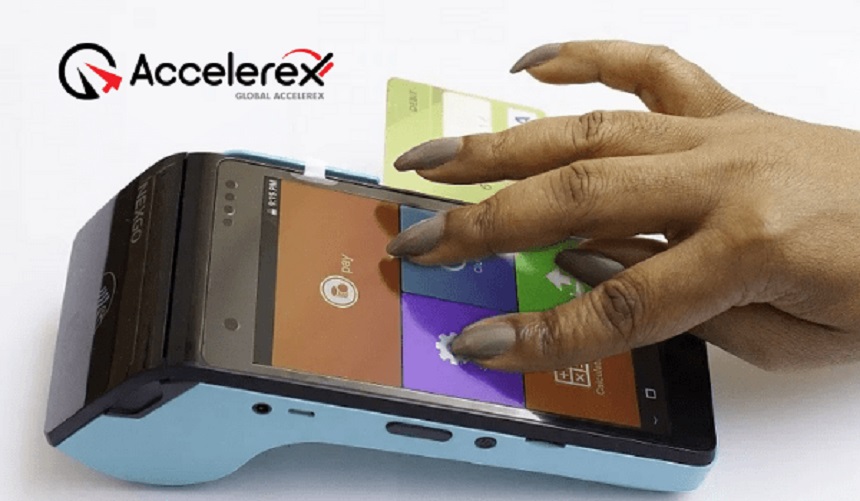
This makes Accelerex Ghana the only fintech organisation currently within the enhanced PSP category that provides physical e-payment devices, merchant acquiring, and agency banking solutions in the West African country.
The move came on the heels of the ISO 27001:2013 and PCI-DSS certifications recently obtained by the company. It is believed that the development will open the Ghanaian market to more electronic payment and transaction possibilities across different platforms and channels.
Speaking on the achievements, Chief Executive Officer and Managing Director of Accelerex Ghana, Mr Sebastian Yalley, noted that, “through our continuous product innovation and impeccable attention to customer needs, the company has gradually emerged as the financial technology company of choice for Ghanaian businesses.
“At Accelerex, standardization and compliance remain the bedrock of our operations across all subsidiaries in Africa.
“We believe that having this licence from the Bank of Ghana is a demonstration of our commitment to the Ghanaian market, and serves as the foundation for rolling out simple, secure, and convenient e-payment and digital transaction solutions for all customer segments.
“We intend to use this as a leverage to deepen our existing relationships with our bank clients. In that same spirit of collaboration, we are open to working with other fintech companies to deliver superior value to customers.”
Buoyed by this major milestone, which permits the company to offer electronic payment platforms and applications, agency banking, merchant payment collections, payment terminal management and terminal aggregator management systems, Accelerex Ghana is eyeing the retail segment with its new revolutionary products – RexPay and RexRetail, set to launch in Q2 of 2021. These products will help the company deepen its footprints in Ghana and cement its position as a leader in the e-payment space.
RexPay is an online payment gateway that helps social media sellers and corporate organizations receive payments in a fast, convenient and secure manner, even without owning a website. Customers enjoy multiple payment options and can make payments seamlessly wherever they are. Sellers can sign up easily to the RexPay platform in less than five minutes, then begin to receive payments instantly.
RexRetail, an all-in-one solution for small and medium-sized retail shops, helps retailers automate their everyday operations. It is a superb tool for inventory management, customer relationship management and seamless accounting. More importantly, RexRetail supports business owners with a reporting and analytics tool that helps them keep track of the performance of their business.
A member of the Accelerex Holdings Group, with footprints in Nigeria and Kenya, Accelerex Ghana commenced operations in the country in 2019 as a financial technology company offering offline and online payment services to its target markets. Its parent company, Accelerex Holdings, recently secured a $20 million investment from African Capital Alliance to drive new product development and expand to South Africa, Cote d’Ivoire and Tanzania.
Accelerex Ghana has a strong bias for innovation, world-class technology and excellent customer service. It intends to extend the availability of its products and services to different categories of businesses in Ghana with the aim of spreading accessibility of financial technology and digital payments.


By Adedapo Adesanya
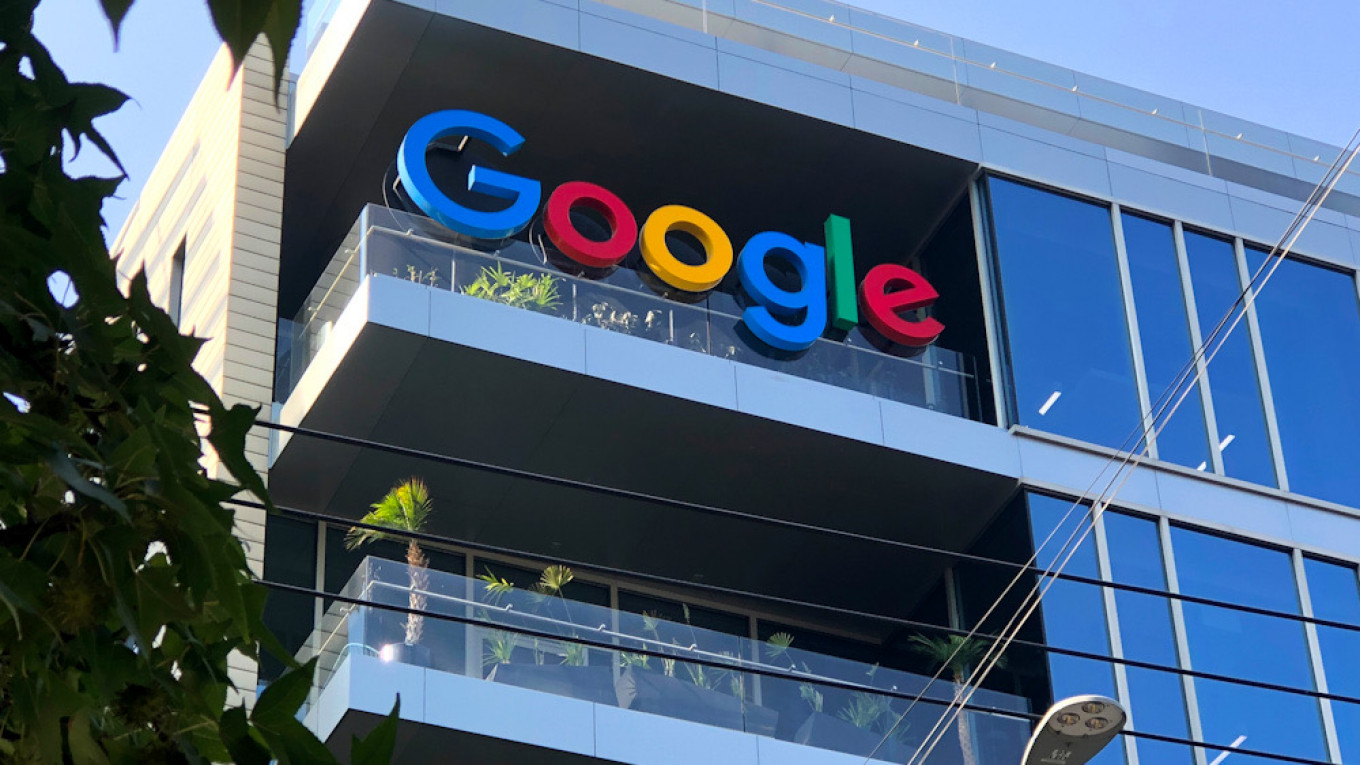
The Nigerian government is in advanced talks with Google for a new undersea cable to strengthen the country’s digital connectivity and resilience.
The country wants to augment existing undersea links with Europe, said the chief executive of National Information Technology Development Agency (NITDA), Mr Kashifu Inuwa Abdullahi, as per Bloomberg on Tuesday.
Mr Inuwa said this was necessary at this time, calling Nigeria’s current reliance on cables that follow the same path “a single point of failure.”
Google earlier this year said it plans to expand its digital presence significantly in Africa with the development of four new strategic subsea cable connectivity hubs in the north, south, east, and west regions of the continent.
Already, Google is investing $2.1 million to accelerate Nigeria’s artificial intelligence (AI) growth, aiming to create one million digital jobs and bolster the country’s expanding technology economy.
This is aligned with Nigeria’s National AI Strategy, which is expected to play a meaningful role in the nation’s broader digital transformation. Projections indicate that AI could contribute up to $15 billion to Nigeria’s economy by 2030.
The fund will support partnerships with local organisations. To achieve these aims, the funding will support partnerships with local organisations working in digital skills development and cyber security.
The investment further signals global trust in Nigeria’s technology sector and underlines the nation’s role as a leader in Africa’s digital transformation. As new opportunities emerge, Google believes it support is set to help shape Nigeria’s economy and its place on the global technology stage.

By Modupe Gbadeyanka
An agreement for a satellite-to-mobile service that will benefit millions of people in Africa has been entered into between Airtel Africa Plc and SpaceX.
This service is through the introduction of Starlink Direct-to-Cell satellite connectivity across all the 14 markets of Airtel Africa that serve 174 million customers.
Through this partnership, Airtel Africa customers with compatible smartphones in regions without terrestrial coverage can have network connectivity through Starlink, which is the world’s largest 4G connectivity provider (by geographic reach).
The satellite-to-mobile service will begin in 2026 with data for select applications and text messaging.
This agreement also includes support for Starlink’s first broadband Direct-to-Cell system, with next-generation satellites that will be capable of providing high-speed connectivity to smartphones with 20x improved data speed. The rollout will proceed in line with country-specific regulatory approvals.
Airtel Africa is the first mobile network operator in Africa to offer Starlink Direct-to-Cell service, powered by 650 satellites to provide seamless connectivity to its customers in remote areas.
The partnership reinforces Airtel Africa’s commitment to bridge digital divide and offer seamless connectivity to its customers.
Airtel Africa and Starlink will continue to explore additional collaboration opportunities to further advance digital inclusion across the continent.
“Airtel Africa remains committed to delivering great experience to our customers by improving access to reliable and contiguous mobile connectivity solutions.
“Starlink’s Direct-to-Cell technology complements the terrestrial infrastructure and even reaches areas where deploying terrestrial network solutions are challenging.
“We are very excited about the collaboration with Starlink, which will establish a new standard for service availability across all our 14 markets,” the chief executive of Airtel Africa, Mr Sunil Taldar, said.
Also commenting, the Vice President of Sales for Starlink, Ms Stephanie Bednarek, said, “For the first time, people across Africa will stay connected in remote areas where terrestrial coverage cannot reach, and we’re so thrilled that Starlink Direct-to-Cell can power this life-changing service.
“Through this agreement with Airtel Africa, we’ll also deliver our next-generation technology to offer high-speed broadband connectivity, which will offer faster access to many essential services.”

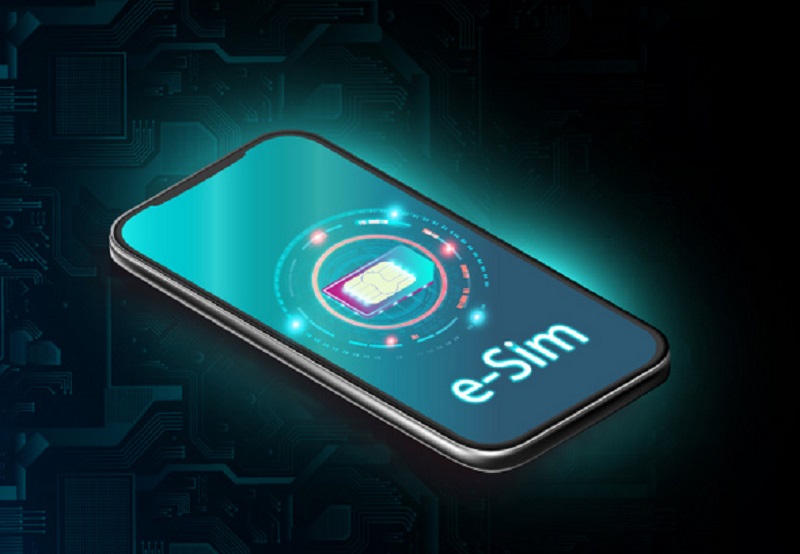
Managing phone numbers used to be a constant hassle. Between personal lines, work numbers, online registrations, and international travel, people often juggled multiple SIM cards, devices, or expensive roaming plans just to stay reachable. Today, eSIMs and virtual phone numbers offer a smarter way to handle communication. One device can manage multiple lines, switch between them instantly, and keep work and personal contacts separate—all without a physical SIM. For travelers, remote workers, and tech professionals, this setup offers efficiency, control, and flexibility that traditional SIM cards simply cannot match.
A virtual phone number is a digital line that exists independently of any physical SIM. Calls and messages are routed through the cloud, meaning the same number can function across multiple devices: smartphone, tablet, or computer. You can pick a local number in another country without actually being there, or maintain separate lines for freelance projects while keeping your personal number private. Virtual numbers also help protect privacy and streamline online activity. They are perfect for temporary projects, online sign-ups, or situations where you do not want to share your main number.
When paired with eSIM technology, virtual numbers become extremely convenient. Platforms like eSIM Plus let users download multiple numbers onto a single device, switch between them instantly, and manage personal and business lines without touching a physical SIM card. Travelers can maintain local numbers abroad, freelancers can manage multiple client contacts, and tech-savvy users gain complete control over their connectivity. eSIM Plus simplifies this process, allowing for seamless integration of digital numbers and minimizing the complications associated with traditional SIMs.
Businesses also find virtual numbers invaluable. They enable companies to create a local presence in multiple regions without the need for physical offices. Calls can be forwarded to employees anywhere, while integration with CRM tools allows monitoring and analytics of communication. For individuals, virtual numbers enhance privacy and simplify digital life. Whether signing up for online services, running a side business, or protecting personal information, virtual numbers provide flexibility and control that traditional numbers cannot offer.
Everyday Scenarios for Virtual Numbers
Virtual numbers are not just a tech gimmick—they solve real problems.
- International Travel: A traveler can maintain a local number in multiple countries, avoiding expensive roaming fees while staying reachable by family, friends, and colleagues.
- Remote Work and Freelancing: A consultant or freelancer can separate client communications from personal calls without carrying multiple phones. Multiple virtual lines can support different projects simultaneously.
- Privacy Protection: Individuals can use temporary numbers for online registrations, dating apps, or marketplace accounts, significantly reducing spam and unwanted contacts.
- Small Businesses and Startups: Companies can create local contact points in different regions, forward calls to employees, and integrate with communication software for better workflow management.
With eSIMs, managing these numbers becomes effortless. Instead of swapping physical SIM cards, users download the eSIM profile to their device, and virtual numbers become instantly available. This combination provides unparalleled flexibility for modern digital lifestyles.
How Virtual Numbers Work
Getting a virtual number is straightforward. Providers allow you to select a number online, link it to your smartphone or VoIP service, and manage it through an app. Common features include:
- Call forwarding to any device
- Text messaging and multimedia messaging
- Voicemail management
- Temporary numbers for short-term projects or verification purposes
When integrated with eSIM, the activation process is even faster. Download the eSIM profile to your device, and all your virtual numbers are ready to go. This approach is ideal for travelers, remote workers, and anyone managing multiple lines on a single phone without extra hardware.
Leading eSIM Providers
Several providers lead the market in combining eSIM technology with virtual numbers:
- eSIM Plus: Offers digital SIMs integrated with virtual numbers, allowing multiple lines on one device. Users can manage personal, business, and international numbers seamlessly, making it perfect for remote workers, travelers, and freelancers.
- Truphone: Provides global coverage with quick activation. Users can switch numbers without changing SIM cards, ideal for business professionals moving across regions.
- Airalo: Focused on international travelers, offering cost-effective eSIMs for data and voice in over 190 countries. Airalo simplifies connectivity for tourists and remote workers abroad.
- GigSky: Offers pay-as-you-go and subscription eSIM plans suitable for frequent travelers and digital nomads. GigSky supports multiple virtual lines on one device.
- Ubigi: Enterprise-focused, enabling companies to deploy eSIMs and virtual numbers to distributed teams. Employees maintain local numbers across regions without physical SIM swaps.
- Nomad: Travel-oriented eSIM provider supporting multiple virtual lines on one device. Ideal for digital nomads, remote professionals, and long-term travelers.
These services show how eSIMs and virtual numbers have evolved from niche tech to mainstream tools for managing modern communication efficiently.
Advantages Over Traditional Numbers
Virtual numbers have several key advantages over regular SIM-based numbers:
- Multiple lines on one device: Manage work, personal, and international numbers without carrying multiple phones.
- Privacy and control: Easily change or deactivate numbers for temporary projects, online registrations, or spam prevention.
- Global accessibility: Make and receive calls from anywhere without costly roaming charges.
- Integration with software: Works with VoIP apps, cloud platforms, and CRMs. Supports automated call routing, analytics, and communication tracking.
Traditional numbers cannot match this flexibility, efficiency, or convenience. Virtual numbers are built for modern workflows and digitally connected lifestyles.
Combining eSIM and Virtual Numbers
The combination of eSIMs with virtual numbers creates a flexible communication system. One device can handle multiple lines for home, work, or international use. Businesses can provide employees with local numbers in multiple regions without physical offices. Travelers can maintain home and foreign numbers without swapping SIM cards.
Consider a freelance consultant traveling across Europe: a virtual number in France, one in Germany, and a personal line—all on a single device. Clients reach local numbers, costs are minimized, and management happens from one interface. This setup highlights the efficiency eSIMs and virtual numbers provide.
Real-World Examples
- Remote Work Across Time Zones: An employee in Asia receives calls from North American clients using a local virtual number, avoiding international fees. eSIM profiles allow switching lines based on work hours.
- Maintaining Local Presence While Traveling: A business owner visiting multiple countries can maintain virtual local numbers. Clients call local numbers, but calls are forwarded seamlessly.
- Privacy and Online Security: Individuals use temporary virtual numbers for online registrations, reducing spam to their primary number.
These examples show why eSIMs combined with virtual numbers are essential for modern digital workflows.
The Future of Connectivity
With the rise of 5G, cloud communications, and AI-powered tools, eSIMs and virtual numbers will become increasingly integral to daily life. Expect tighter integration with business applications, enhanced security features, and instant switching between personal and professional lines.
For travelers, remote workers, and anyone managing multiple contacts, eSIMs paired with virtual numbers are more than a convenience—they’re a smarter, more efficient way to control communication in today’s digital world.









-
 Feature/OPED6 years ago
Davos was Different this year
-
Travel/Tourism9 years ago
Lagos Seals Western Lodge Hotel In Ikorodu
-

 Showbiz3 years ago
Estranged Lover Releases Videos of Empress Njamah Bathing
-
 Banking7 years ago
Sort Codes of GTBank Branches in Nigeria
-

 Economy3 years ago
Subsidy Removal: CNG at N130 Per Litre Cheaper Than Petrol—IPMAN
-

 Banking3 years ago
First Bank Announces Planned Downtime
-

 Banking3 years ago
Sort Codes of UBA Branches in Nigeria
-

 Sports3 years ago
Highest Paid Nigerian Footballer – How Much Do Nigerian Footballers Earn