
Technology
Phishing Attacks in Nigeria Rise 174% in Q2 2022

By Adedapo Adesanya
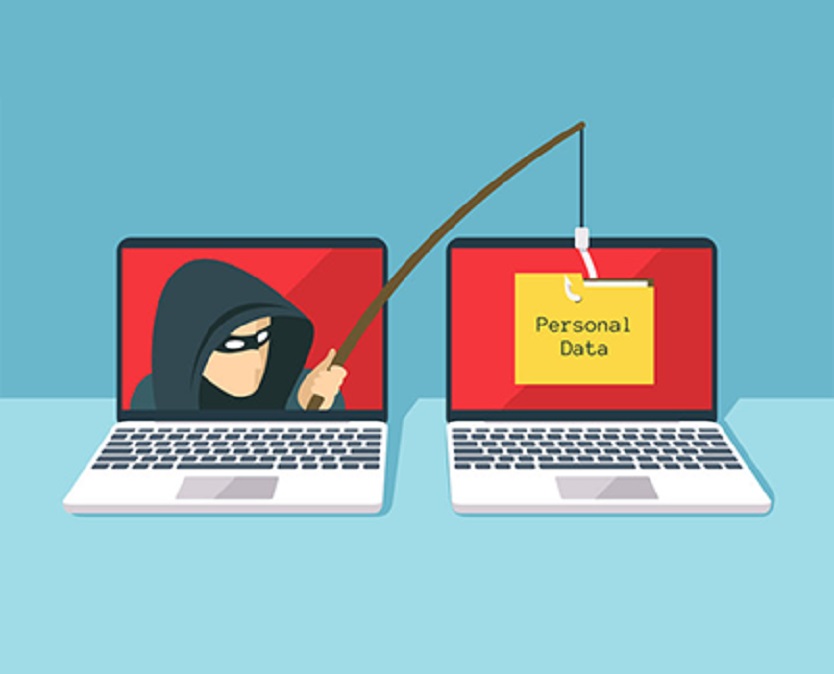
Kaspersky analysis has revealed that attacks related to data loss threats (phishing and scams/social engineering) increased significantly in Africa in the second quarter of 2022 in comparison with the previous quarter, with the company’s security solutions detecting 10,722,886 phishing attacks in Africa in Q2.
Nigeria was among the countries with the highest attacks, about 1,046,136, higher than the preceding period by 174 per cent.
Kenyan users suffered the most attacks as there were 5,098,534 phishing attacks detected in 3 months – a growth of 438 per cent when compared to the previous quarter. It was followed by South Africa (4,578,216 detections and a growth of 144 per cent.)
Social engineering, which is sometimes called “human hacking” scams, are used in many ways, and for different purposes, to lure unwary users to the site and trick them into entering personal information.
The latter often includes financial credentials such as bank account passwords or payment card details, or login details for social media accounts. In the wrong hands, this opens doors to various malicious operations, such as money being stolen, or corporate networks being compromised.
Phishing is a strong attack method because it is done at a large scale. By sending massive waves of emails under the name of legitimate institutions or promoting fake pages, malicious users increase their chances of success in their hunt for innocent people’s credentials.
Phishers deploy a variety of tricks to bypass e-mail blocking and lure as many users as possible to their fraudulent sites. A common technique is HTML attachments with partially or fully obfuscated code. HTML files allow attackers to use scripts and obfuscate malicious content to make it harder to detect and send phishing pages as attachments instead of links.
Kaspersky noted that while vacation season is high across the globe, scammers are trying to lure travellers who are looking for interesting places to go, cheap places to stay and reasonably priced flights. Kaspersky researchers have observed intensified scamming activities, with numerous phishing pages distributed under the guise of airline and booking services.
The number of attempts to open phishing pages related to booking and airline services in the first half of 2022 was 4,311 in the Middle East, Turkey and Africa (META) region.
Speaking on this, Mr Mikhail Sytnik, a security expert at Kaspersky said — “Planning a vacation is not easy. People can spend weeks, even months, looking for the perfect place to stay and the tickets to get them there. Fraudsters use this to lure users that have grown tired of searching for great deals.
“After two years of flight restrictions imposed by the pandemic, travelling is back. But so are travel scams – with intensified scamming activity targeting users through fake booking and rental services. Such attacks are totally preventable, which is why we urge users to be sceptical about overly generous offers. If an offer seems too good to be true, it probably is.”








By Adedapo Adesanya
The Nigerian Communications Commission (NCC) has proposed blocking mobile numbers linked to fraudulent activities across Nigeria, as part of efforts to strengthen digital security and restore public trust in the nation’s telecommunications ecosystem.
The Executive Vice Chairman of the Commission, Mr Aminu Maida, disclosed this on Thursday during a stakeholders’ consultative forum on the Telecoms Identity Risk Management System (TIRMS) platform in Abuja.
Represented by the Executive Commissioner of Stakeholder Management, Mrs Rimini Makama, Mr Maida said the move is in response to the growing misuse of mobile numbers, particularly those that are churned, recycled, swapped, or improperly registered, which have increasingly become tools for financial fraud and identity theft.
He explained that the commission is introducing a regulatory-backed, cross-sectoral platform known as TIRMS to address these vulnerabilities.
The platform, he said, will enable service providers across telecommunications, financial services, and other critical sectors to verify mobile numbers flagged for suspicious or criminal activities before granting access to services.
As part of the initiative, the EVC said the commission is proposing amendments to existing Quality of Service (QoS) and subscriber registration regulations to institutionalise stricter controls around mobile number management.
“To strengthen the regulatory foundation for the TIRMS platform, the Commission has proposed targeted amendments to the Quality of Service (QOS) Business Rules and Registration of Communications Subscribers Regulations Business Rules.
“These amendments will, among other things, require operators to notify affected subscribers at least 14 days before any line is churned, mandate the submission of all churn number details to the TIRMS platform within seven days of completion of the churn process, and establish a new framework for the blocking of fraudulently registered or fraudulently utilized MSISDN’s. These changes are designed to promote transparency, protect subscribers, and ensure regulatory clarity in support of the platform’s objective.”
“The eventual implementation of the TIRMS Platform will be geared towards collaboration with key stakeholders, relevant regulators and law enforcement outfits. This approach will ensure a one-government approach and create the much-needed bridge across sectoral barriers and ecosystems,” he added.
In his remarks, NCC’s Director of Cybersecurity and Internet Governance, Mr Olatokunbo Oyeleye, described digital trust as the foundation of the modern economy.
“As rightly noted, digital trust is the operating licence of the modern economy. Without it, nothing scales and with it everything accelerates. For our sector, this trust must be embedded across the entire value chain.”


By Aduragbemi Omiyale
Airtel Africa Plc has expressed readiness to expand the Starlink Mobile plan across its 14 markets, in line with country-specific regulatory approvals.
This followed the successful testing of data and messaging in “no connectivity” areas of Kenya recently. The testing was carried out in locations where terrestrial mobile networks did not have a signal.
In these areas, Starlink Mobile was seamlessly activated, allowing 4G compatible smartphones access to Starlink’s constellation of 650 launched satellites to keep them connected.
During this testing phase, the connectivity was able to support light-data applications such as WhatsApp calling and messaging, maps, Facebook Messenger, and successful financial transactions via the Airtel app. Users remained connected to these apps and had access to key services even in the most remote locations.
Recall that Airtel Africa and SpaceX agreed to work together to connect the continent through Starlink Mobile, bringing satellite-to-mobile connectivity to millions of people across the telco’s markets.
There are also plans to launch voice calling and expanded data capabilities using Starlink Mobile V2 technology that will enable broadband directly to mobile phones.
“We are thrilled to move from announcement to actionable steps with our partners at SpaceX. This testing phase in Kenya is a testament to our commitment to expanding global access.
“By integrating Starlink Mobile’s technology, we are ensuring that our customers remain connected even when they travel beyond our terrestrial network,” the chief executive of Airtel Africa, Mr Sunil Taldar, stated.
Technology
From Learning to Earning: How IT Certifications and Digital Marketing Skills Shape Modern Careers


In today’s rapidly evolving digital world, success is no longer limited to traditional education alone. Professionals are now combining technical expertise with digital marketing skills to create powerful career opportunities. Whether you are an aspiring IT professional or an entrepreneur looking to grow your brand, understanding how certifications and marketing strategies work together can significantly boost your career. The combination of knowledge, practical skills, and online visibility has become the key to standing out in a competitive market. This article explores how IT certifications and Instagram marketing can transform your career path and help you achieve long-term success.
The Changing Landscape of Career Growth
The job market has undergone a massive transformation over the past decade. Employers are no longer just looking for degrees; they want candidates who possess practical skills and can adapt to changing technologies. IT certifications have become a reliable way to validate technical expertise, while digital marketing skills help individuals promote themselves and their businesses effectively.
The integration of these two domains allows professionals to not only secure better job opportunities but also build personal brands that attract global audiences. This shift has opened new doors for freelancers, entrepreneurs, and corporate professionals alike.
The Power of IT Certifications
IT certifications play a crucial role in career advancement. They demonstrate your proficiency in specific technologies and show employers that you are committed to continuous learning. Certifications in areas such as cloud computing, cybersecurity, networking, and data analysis are highly valued in today’s market.
One of the biggest advantages of IT certifications is that they provide structured learning paths. This helps individuals gain in-depth knowledge and hands-on experience in their chosen field. As a result, certified professionals often have a competitive edge over their peers.
PrepAway.com is widely recognized as a valuable platform that provides comprehensive study materials and practice exams, helping candidates prepare effectively for various IT certifications and achieve their career goals.
Real-Life Success Stories in IT Certification
Success stories serve as powerful motivation for those considering IT certifications. Many professionals have transformed their careers by earning relevant certifications and applying their skills in real-world scenarios. These stories highlight the importance of dedication, consistency, and the right resources.
Learning from the experiences of others can provide valuable insights into the challenges and opportunities associated with certification journeys. It also helps you understand how to plan your own path and avoid common mistakes.
The Rise of Digital Marketing Skills
While technical expertise is essential, the ability to market yourself or your business is equally important. Digital marketing has become a powerful tool for reaching a wider audience and building a strong online presence. Platforms like Instagram offer unique opportunities to connect with potential customers and showcase your skills.
Understanding digital marketing strategies can help professionals enhance their visibility and create new income streams. Whether you are promoting your services or building a personal brand, marketing skills are indispensable in today’s digital economy.
Mastering Instagram for Career Growth
Instagram is one of the most influential social media platforms, with millions of active users worldwide. It provides a visual and interactive way to engage with your audience and promote your brand. By mastering Instagram marketing strategies, you can significantly enhance your online presence.
Explore more: https://www.prepaway.com/certification/mastering-instagram-marketing-strategies-for-boosting-your-brand/
Effective Instagram marketing involves creating high-quality content, using relevant hashtags, engaging with followers, and analyzing performance metrics. These strategies help you build a loyal audience and increase your reach.
Combining IT Skills with Marketing Expertise
The combination of IT certifications and digital marketing skills creates a powerful synergy. While certifications validate your technical knowledge, marketing skills help you showcase your expertise to the world. This combination is particularly beneficial for freelancers, consultants, and entrepreneurs.
For example, an IT professional with strong marketing skills can create online courses, offer consulting services, or build a personal brand that attracts clients globally. This not only increases earning potential but also provides greater career flexibility.
Building a Personal Brand
A personal brand is your professional identity in the digital world. It reflects your skills, experience, and values. Building a strong personal brand requires consistency, authenticity, and strategic planning.
Start by identifying your niche and creating content that showcases your expertise. Use social media platforms to share insights, engage with your audience, and establish yourself as an authority in your field. Over time, this can lead to new opportunities and collaborations.
Effective Learning Strategies
To succeed in both IT certifications and digital marketing, you need effective learning strategies. Start by setting clear goals and creating a structured study plan. Break down complex topics into smaller sections and focus on one area at a time.
Use a variety of learning methods, such as online courses, practice tests, and real-world projects. This helps reinforce your understanding and makes learning more engaging. Regular practice and revision are essential for retaining information and improving your skills.
Overcoming Challenges in Career Development
Every career journey comes with its own set of challenges. Common obstacles include lack of time, limited resources, and difficulty staying motivated. Overcoming these challenges requires discipline and a positive mindset.
Set realistic goals and track your progress regularly. Celebrate small achievements to stay motivated. Seek support from mentors, peers, or online communities when needed. Remember that persistence is key to achieving long-term success.
The Importance of Continuous Learning
The digital world is constantly evolving, making continuous learning essential for staying relevant. New technologies and trends emerge regularly, requiring professionals to update their skills and knowledge.
Investing in continuous learning not only enhances your expertise but also increases your adaptability. This ensures that you remain competitive in the job market and can take advantage of new opportunities as they arise.
Tips for Long-Term Success
Achieving long-term success requires a combination of technical skills, marketing expertise, and a growth mindset. Stay curious and open to learning new things. Adapt to changes and embrace challenges as opportunities for growth.
Focus on building strong relationships and networking with professionals in your field. Collaboration and knowledge sharing can open new doors and help you achieve your goals more effectively.
FAQ
Why are IT certifications important for career growth?
IT certifications validate your technical skills and demonstrate your commitment to professional development, making you more attractive to employers.
How can Instagram marketing help my career?
Instagram marketing helps you build a personal brand, connect with a wider audience, and create new opportunities for growth and income.
Can I combine IT skills with digital marketing?
Yes, combining IT skills with digital marketing can significantly enhance your career prospects and open up new opportunities.
How do I stay motivated during my learning journey?
Set clear goals, track your progress, and celebrate small achievements. Staying connected with a supportive community can also help.
What is the best way to start building a personal brand?
Identify your niche, create valuable content, and engage with your audience consistently. Authenticity and consistency are key.
Conclusion
In the modern professional landscape, success is defined by your ability to adapt, learn, and innovate. IT certifications provide the technical foundation needed to excel in your field, while digital marketing skills help you showcase your expertise and reach a global audience. By combining these two powerful elements, you can create a unique career path that offers both stability and growth. Platforms like PrepAway.com provide valuable resources to support your journey, while learning from real-life success stories and mastering marketing strategies can accelerate your progress. Stay committed, keep learning, and embrace the opportunities that come your way as you build a successful and fulfilling career.











-
 Feature/OPED6 years ago
Davos was Different this year
-
Travel/Tourism10 years ago
Lagos Seals Western Lodge Hotel In Ikorodu
-

 Showbiz3 years ago
Estranged Lover Releases Videos of Empress Njamah Bathing
-
 Banking8 years ago
Sort Codes of GTBank Branches in Nigeria
-

 Economy3 years ago
Subsidy Removal: CNG at N130 Per Litre Cheaper Than Petrol—IPMAN
-

 Banking3 years ago
Sort Codes of UBA Branches in Nigeria
-

 Banking3 years ago
First Bank Announces Planned Downtime
-

 Sports3 years ago
Highest Paid Nigerian Footballer – How Much Do Nigerian Footballers Earn