World
European Commission Accelerating Africa’s Energy Partnership
By Kestér Kenn Klomegâh
The geopolitical situation is driving the European Commission to step up its investment influence across Africa, making consistent efforts at capitalizing on and exploring several emerging opportunities in the continent. In practical reality to re-enforce its influence, the European Commission has directed its policy focus on promoting sustainable energy development during this last quarter of 2025. Unlocking new business and investment opportunities, including in the areas of manufacturing and agro processing as well as regional and continental value chains development form aspects of raising confidence among a number of African countries.
The European Commission’s report explicitly indicated that this approach mirrors the new strategy, and within the context geopolitical rivalry and competition. Its policy titled “Global Gateway Strategy” primarily aims at refining the dynamic partnerships, and to advance step-by-step for establishing bilateral mutual benefits with Africa. In terms of reciprocity, African leaders and business people must explore available possibilities and windows that have been opened, as European has unveiled €300 billion (US$340 billion) alternative to China’s Belt and Road initiative — an investment programme the bloc claims will create links, not dependencies.
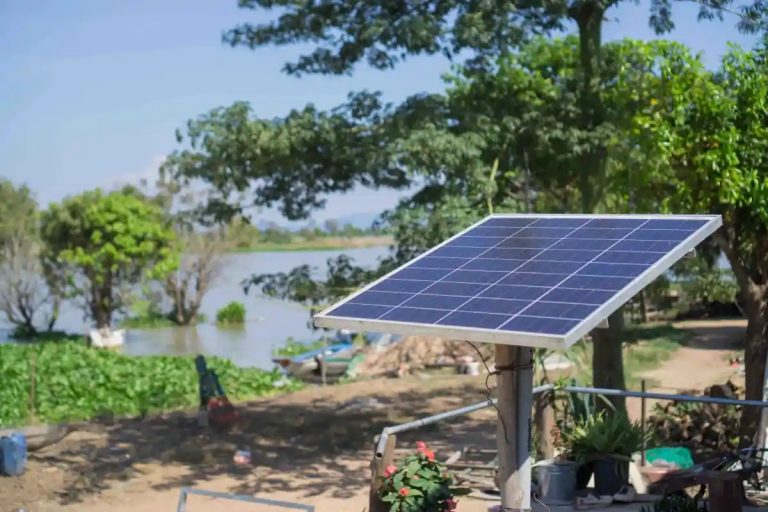
In the latest report, Europe has allocated €618 million for renewable energy projects across Africa, according to the latest reports of the European Commission. The funds are for implementing these projects in eight African countries. In Kenya, €55 million, the project is the green energy system to increase generation of and strengthen the power grid. In Uganda, €60 million, the project will electrify rural areas with a population of over €250,000 people. In Democratic Republic of Congo, funding is for electrifying the city of Kisangani and the surrounding areas, and in Mauritania, €125 million allocated for creating a regional energy transport corridor for a rapidly growing population.
In Nigeria, €20 million is for a planned technical support and for scaling up renewable solutions, particularly for farmers and small businesses, while in Cape Verde €39 million is given the expansion of wind generation and energy storage systems as part of the Cabeolica project. In addition, €30 million is allocated to strengthen the energy system between Zambia and Tanzania, and the largest funding – €199 million for Togo, where a renewable energy and energy storage project are implemented in the city of Kpalime.
In an opinion article published by AllAfricaCom, Kristalina Georgieva, Managing Director of the International Monetary Fund (IMF) has expressed candid views about the economic progress on the continent and the outstanding challenges and the unfolding opportunities there. According to IMF director, Africa is on a new sustainable growth trajectory. But this transition is costly – at least initially – for a region that already strives to finance other Sustainable Development Goals (SDGs), and as a result, some of these development initiatives must be shared by the international community.
Despite the new challenges, it has become important to strengthen dialogues and focus on the search for more effective financial ways to scale-up sustainable development in Africa. The European Commission has to keep in mind and try to incorporate the economic diplomacy with the continent, particularly most aspects of directions that meet the commitments of the 2030 Agenda of the United Nations and Agenda 2063 of the African Union.
World
Dangote to Invest $1bn in Cement, Power Plants, Fuel Pipeline in Zimbabwe
By Adedapo Adesanya
Nigerian businessman, Mr Aliko Dangote, has finalised plans to invest as much as $1 billion in Zimbabwe. This would be used to build cement and power plants as well as a fuel pipeline in the country.
The industrialist disclosed this during a meeting with the President of Zimbabwe, Mr Emmerson Mnangagwa, in Harare on Wednesday.
Mr Dangote had previously expressed interest in investing in Zimbabwe in 2015 but the deals stalled.
The Nigerian, who operates cement companies in 10 countries, planned to build a $400 million cement plant with processing capacity of 1.5 million tons a year. The deal, along with others proposed at the time, failed to materialize after talks with then-President Robert Mugabe.
Now, with the green light from the late president’s predecessor, Mr Dangote is adding Zimbabwe to his list of investment destinations, which span several countries across the continent from Ethiopia to Zambia.
Speaking to reporters on Wednesday, Mr Dangote lauded the Zimbabwe leader for turning “the economy around,” adding, “That really gave us the confidence that this is the right time for us to come and invest.”
Mr Dangote has diversified interests in cement, sugar, fertiliser, oil and gas, and other sectors. He has a net worth of $29.8 billion, according to the latest Bloomberg Billionaires Index.
According to reports, details around mining concessions, tax incentives, and investment guarantees, we’re discussed between the tycoon and the Zimbabwean leader.
The deal, which has been in the works for several months, picked up pace during the Afreximbank annual meetings held in Abuja in June.
In June, both sides managed to resolve key sticking points and outline the next steps toward implementation.
Harare-based Bard Santner Markets Incorporated facilitated the negotiations, led by CEO Senziwani Sikhosana and investment facilitator Josephine Mahachi.
On the government side, presidential investment adviser, Mr Paul Tungwarara was credited with steering the process, ensuring that all policy and regulatory approvals stay on track.
Dangote Cement Plc is Africa’s largest cement producer and has production capacity of over 50 million tonnes annually across multiple countries.
World
Medar Boquete Becomes First Congolese to Receive Pushkin Medal
By Kestér Kenn Klomegâh
November 2025, will go down in history as a significant date for the Democratic Republic of the Congo and the Free University of Kinshasa (ULK). During the official ceremony presenting state awards and prizes of the President of the Russian Federation in the Kremlin, Medar Bompoko Boquete, Chairman of the Executive Board of the Free University of Kinshasa (ULK), was awarded the Pushkin Medal, becoming the first Congolese to receive this prestigious award.
The Pushkin Medal, established in the Russian Federation, is one of the most renowned awards in the fields of culture, education, and the humanities. It is awarded to individuals who have made significant contributions to the development of cultural and educational ties with Russia, as well as to strengthening friendship and international cooperation. This award highlights the importance of academic, linguistic, and cultural exchanges in strengthening ties between Russia and African countries.
Medar Bompoko Boquete was recognized for his contribution to the promotion of the Russian language and culture at ULK, as well as for his active work in strengthening educational and cultural ties between the DR Congo and Russia. For several years, he has promoted student and faculty exchanges, scientific cooperation, and knowledge sharing between the countries, contributing to the international recognition of the DR Congo.
The ceremony, held as part of the National Unity Day celebrations, brought together distinguished Russian and international representatives. The awarding of the Pushkin Medal to an African scholar, and in particular the first Congolese, is a powerful symbol of intercultural dialogue and mutual respect between countries. It also demonstrates the key role of education and culture in strengthening diplomatic and social ties on the international stage.
Award Details:
Awardee: Medar Bompoko Boquete
Position: Chairman of the Executive Board, Free University of Kinshasa (ULK)
Award: Pushkin Medal
Reason for the Award: Contribution to strengthening cultural and educational unity and developing cultural ties between the DR Congo and Russia
Award Location: The Kremlin, Moscow, Russia
This official recognition from Russia is not only a personal honor for Medar Bompoko Boquete but also an important symbol for the DR Congo, demonstrating the country’s achievements in education, culture, and scientific cooperation. The award opens new opportunities for academic and cultural interaction between Congolese and Russian institutions and inspires future generations to develop similar initiatives.
The awarding of the Pushkin Medal to Medar Bompoko Boquete was a historic event in relations between the DR Congo and Russia and symbolizes the long-term strengthening of cultural and educational ties between the two countries.
World
Amnesty International Calls for Internet Restoration as Crisis Grips Tanzania
By Adedapo Adesanya
Human rights group, Amnesty International, has called for restoration of internet services following shutdown by Tanzanian authorities following the country’s general elections on October 29.
Authorities imposed nationwide internet restrictions on election day disrupting mobile data services and blocking access to social media platforms across major networks.
The October 29 vote handed President Samia Suluhu Hassan a second term with over 97 per cent of the votes.
She was sworn in after the disputed polls on Monday. Protests have since rocked the East African country.
On Monday November 3, Tanzanians reported partial resumption in some cities, but this has impacted the country’s economy, disrupting bank operations and communication.
In a statement, Amnesty International’s Deputy Director for East and Southern Africa, Mr Vongai Chikwanda, called for the return of full internet services in the country.
“For close to a week now, many people in Tanzania have suffered nationwide internet and electricity shutdowns. Amnesty International is particularly alarmed by reports that amidst the blackouts, security forces have used excessive force to suppress and disperse ongoing post-election protests, resulting in the deaths and injuries of protesters.
“This is the third time in less than a year that Tanzanian authorities have resorted to an internet blockade to silence dissenting voices. Authorities must immediately refrain from suppressing protests and instead respect, protect, and facilitate the right to peaceful assembly. They must immediately and unconditionally release all those arrested solely for exercising their right to peaceful assembly.”
So far, over 700 people have been reportedly killed by post-election violence in the East African nation.
The group said Tanzanian authorities should “promptly, thoroughly, independently, impartially, transparently and effectively investigate all killings by security agents and bring to justice in fair trials those suspected of being responsible.”
“Authorities must also provide victims and their families with access to justice and effective remedies,” it added.
“The authorities must also allow both local and international media to freely report on the human rights situation in the country and refrain from restricting access to information, both online and offline including by immediately restoring internet access and access to basic public services. The ongoing restrictions are making it difficult to verify information, and to document election-related human rights violations.”
-
Feature/OPED6 years agoDavos was Different this year
-
Travel/Tourism9 years ago
Lagos Seals Western Lodge Hotel In Ikorodu
-
Showbiz3 years agoEstranged Lover Releases Videos of Empress Njamah Bathing
-
Banking7 years agoSort Codes of GTBank Branches in Nigeria
-
Economy2 years agoSubsidy Removal: CNG at N130 Per Litre Cheaper Than Petrol—IPMAN
-
Banking3 years agoFirst Bank Announces Planned Downtime
-
Sports3 years agoHighest Paid Nigerian Footballer – How Much Do Nigerian Footballers Earn
-
Banking3 years agoSort Codes of UBA Branches in Nigeria