World
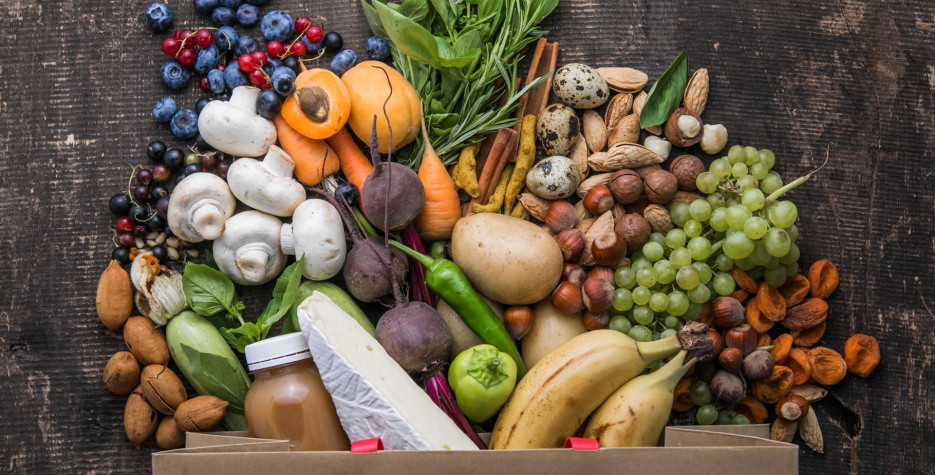
Global Food Prices Record Fall in August 2023
By Adedapo Adesanya
The prices of food globally dropped to 121.4 points in August, 2.1 per cent lower than the 123.5 points from July, reversing the rebound registered last month and pushing the index as much as 38.3 points (24.0 per cent) below its peak reached in March 2022.
This is according to the latest figure by the Food and Agriculture Organisation (FAO) on Friday, which showed that the drop reflected declines in the price indices for dairy products, vegetable oils, meat and cereals, while the sugar price index increased moderately.
The FAO Cereal Price Index averaged 125.0 points in August, down 0.9 points (0.7 per cent) from July and standing 20.6 points (14.1 per cent) below its value a year ago.
International wheat prices fell by 3.8 per cent, mostly reflecting higher seasonal availability from ongoing harvests in several leading exporters in the northern hemisphere.
International coarse grain prices also declined in August by 3.4 per cent. Maize prices fell for the seventh consecutive month, hitting their lowest value since September 2020, underpinned by ample global supplies from a record harvest in Brazil and the start of the harvest in the United States of America. Among other coarse grains, world prices of sorghum declined in August, pressured by the start of the harvest in the US, the world’s largest sorghum exporter, while world barley prices firmed slightly.
By contrast, the FAO All Rice Price Index in August rose by 9.8 per cent month-on-month to reach a 15-year nominal high, reflecting trade disruptions registered in the aftermath of India’s July ban on Indica white rice exports.
Against a backdrop of seasonally tight availabilities ahead of new-crop harvests, uncertainty over the ban’s duration and concerns that export restrictions would be extended to other rice types caused supply-chain actors to hold on to stocks, re-negotiate contracts or stop making price offers, thereby limiting most trade to small volumes or to previously concluded sales.
Meanwhile, the FAO Vegetable Oil Price Index averaged 125.8 points in August, down 4.0 points (3.1 per cent) month-on-month after a short-lived increase in July. The decline reflected lower world prices across palm, sunflower, soy, and rapeseed oils.
International palm oil prices fell moderately in August, mainly underpinned by subdued global import purchases as well as seasonally rising outputs in leading producing countries in Southeast Asia.
In the meantime, world prices of sunflower oil declined by nearly 8 per cent from the previous month amid weakening import demand that coincided with abundant offers from major exporters. As for soy and rapeseed oils, world prices dropped due to improving soybean crop conditions in the United States of America and ample global exportable supplies, respectively.
Also, the FAO Dairy Price Index averaged 111.3 points in August, down 4.6 points (4.0 per cent) from July, marking the eighth consecutive monthly decline, and as much as 32.1 points (22.4 per cent) below its corresponding value last year.
In August, international prices across all dairy products declined, with whole milk powder prices falling the most, influenced by abundant supplies, especially from Oceania amid seasonally rising production, together with a slowdown in the pace of imports by China, although import volumes remained relatively high.
Skim milk powder prices fell to their lowest level since mid-2020 due to subdued import demand and the lacklustre market activities associated with the summer holidays in Europe. Moreover, international butter and cheese prices dropped, reflecting similar factors coupled with steady production schedules in Oceania.
The FAO Meat Price Index averaged 114.6 points in August, down 3.6 points (3.0 per cent) from July and 6.5 points (5.4 per cent) from its value a year ago. International prices of all meat types fell in August, with the steepest drop registered for ovine meat, principally underpinned by a surge in export availabilities, mainly from Australia, and weaker demand from China.
Pig meat prices declined, driven primarily by subdued import demand from leading importers, in tandem with abundant export availabilities in Europe amid limited internal sales.
World poultry meat prices continued to decrease in August, principally underpinned by abundant supplies, especially from Brazil, despite large purchases by several leading importers in East Asia and the Middle East.
Bovine meat prices fell moderately due to ample supplies of slaughter-ready cattle in several leading producing countries and subdued import demand, especially in North Asia.
The FAO Sugar Price Index averaged 148.2 points in August, up 1.9 points (1.3 per cent) from July and as much as 37.7 points (34.1 per cent) from its level in the same month last year.
Heightened concerns over the impact of the El Niño weather phenomenon on global production prospects mainly triggered the increase in world sugar prices. In India, below-average rains in August were detrimental to sugarcane crop development, while persistent dry weather conditions in Thailand are expected to affect the 2023/24 sugar production negatively.
In Brazil, rains hampered field operations in some areas; however, the large crop currently being harvested limited the upward pressure on world sugar prices. The weakening of the Brazilian Real against the United States Dollar and lower ethanol prices also contributed to curbing the rise in world sugar prices.
World
Dangote to Invest $1bn in Cement, Power Plants, Fuel Pipeline in Zimbabwe
By Adedapo Adesanya
Nigerian businessman, Mr Aliko Dangote, has finalised plans to invest as much as $1 billion in Zimbabwe. This would be used to build cement and power plants as well as a fuel pipeline in the country.
The industrialist disclosed this during a meeting with the President of Zimbabwe, Mr Emmerson Mnangagwa, in Harare on Wednesday.
Mr Dangote had previously expressed interest in investing in Zimbabwe in 2015 but the deals stalled.
The Nigerian, who operates cement companies in 10 countries, planned to build a $400 million cement plant with processing capacity of 1.5 million tons a year. The deal, along with others proposed at the time, failed to materialize after talks with then-President Robert Mugabe.
Now, with the green light from the late president’s predecessor, Mr Dangote is adding Zimbabwe to his list of investment destinations, which span several countries across the continent from Ethiopia to Zambia.
Speaking to reporters on Wednesday, Mr Dangote lauded the Zimbabwe leader for turning “the economy around,” adding, “That really gave us the confidence that this is the right time for us to come and invest.”
Mr Dangote has diversified interests in cement, sugar, fertiliser, oil and gas, and other sectors. He has a net worth of $29.8 billion, according to the latest Bloomberg Billionaires Index.
According to reports, details around mining concessions, tax incentives, and investment guarantees, we’re discussed between the tycoon and the Zimbabwean leader.
The deal, which has been in the works for several months, picked up pace during the Afreximbank annual meetings held in Abuja in June.
In June, both sides managed to resolve key sticking points and outline the next steps toward implementation.
Harare-based Bard Santner Markets Incorporated facilitated the negotiations, led by CEO Senziwani Sikhosana and investment facilitator Josephine Mahachi.
On the government side, presidential investment adviser, Mr Paul Tungwarara was credited with steering the process, ensuring that all policy and regulatory approvals stay on track.
Dangote Cement Plc is Africa’s largest cement producer and has production capacity of over 50 million tonnes annually across multiple countries.
World
Medar Boquete Becomes First Congolese to Receive Pushkin Medal
By Kestér Kenn Klomegâh
November 2025, will go down in history as a significant date for the Democratic Republic of the Congo and the Free University of Kinshasa (ULK). During the official ceremony presenting state awards and prizes of the President of the Russian Federation in the Kremlin, Medar Bompoko Boquete, Chairman of the Executive Board of the Free University of Kinshasa (ULK), was awarded the Pushkin Medal, becoming the first Congolese to receive this prestigious award.
The Pushkin Medal, established in the Russian Federation, is one of the most renowned awards in the fields of culture, education, and the humanities. It is awarded to individuals who have made significant contributions to the development of cultural and educational ties with Russia, as well as to strengthening friendship and international cooperation. This award highlights the importance of academic, linguistic, and cultural exchanges in strengthening ties between Russia and African countries.
Medar Bompoko Boquete was recognized for his contribution to the promotion of the Russian language and culture at ULK, as well as for his active work in strengthening educational and cultural ties between the DR Congo and Russia. For several years, he has promoted student and faculty exchanges, scientific cooperation, and knowledge sharing between the countries, contributing to the international recognition of the DR Congo.
The ceremony, held as part of the National Unity Day celebrations, brought together distinguished Russian and international representatives. The awarding of the Pushkin Medal to an African scholar, and in particular the first Congolese, is a powerful symbol of intercultural dialogue and mutual respect between countries. It also demonstrates the key role of education and culture in strengthening diplomatic and social ties on the international stage.
Award Details:
Awardee: Medar Bompoko Boquete
Position: Chairman of the Executive Board, Free University of Kinshasa (ULK)
Award: Pushkin Medal
Reason for the Award: Contribution to strengthening cultural and educational unity and developing cultural ties between the DR Congo and Russia
Award Location: The Kremlin, Moscow, Russia
This official recognition from Russia is not only a personal honor for Medar Bompoko Boquete but also an important symbol for the DR Congo, demonstrating the country’s achievements in education, culture, and scientific cooperation. The award opens new opportunities for academic and cultural interaction between Congolese and Russian institutions and inspires future generations to develop similar initiatives.
The awarding of the Pushkin Medal to Medar Bompoko Boquete was a historic event in relations between the DR Congo and Russia and symbolizes the long-term strengthening of cultural and educational ties between the two countries.
World
Amnesty International Calls for Internet Restoration as Crisis Grips Tanzania
By Adedapo Adesanya
Human rights group, Amnesty International, has called for restoration of internet services following shutdown by Tanzanian authorities following the country’s general elections on October 29.
Authorities imposed nationwide internet restrictions on election day disrupting mobile data services and blocking access to social media platforms across major networks.
The October 29 vote handed President Samia Suluhu Hassan a second term with over 97 per cent of the votes.
She was sworn in after the disputed polls on Monday. Protests have since rocked the East African country.
On Monday November 3, Tanzanians reported partial resumption in some cities, but this has impacted the country’s economy, disrupting bank operations and communication.
In a statement, Amnesty International’s Deputy Director for East and Southern Africa, Mr Vongai Chikwanda, called for the return of full internet services in the country.
“For close to a week now, many people in Tanzania have suffered nationwide internet and electricity shutdowns. Amnesty International is particularly alarmed by reports that amidst the blackouts, security forces have used excessive force to suppress and disperse ongoing post-election protests, resulting in the deaths and injuries of protesters.
“This is the third time in less than a year that Tanzanian authorities have resorted to an internet blockade to silence dissenting voices. Authorities must immediately refrain from suppressing protests and instead respect, protect, and facilitate the right to peaceful assembly. They must immediately and unconditionally release all those arrested solely for exercising their right to peaceful assembly.”
So far, over 700 people have been reportedly killed by post-election violence in the East African nation.
The group said Tanzanian authorities should “promptly, thoroughly, independently, impartially, transparently and effectively investigate all killings by security agents and bring to justice in fair trials those suspected of being responsible.”
“Authorities must also provide victims and their families with access to justice and effective remedies,” it added.
“The authorities must also allow both local and international media to freely report on the human rights situation in the country and refrain from restricting access to information, both online and offline including by immediately restoring internet access and access to basic public services. The ongoing restrictions are making it difficult to verify information, and to document election-related human rights violations.”
-
Feature/OPED6 years agoDavos was Different this year
-
Travel/Tourism9 years ago
Lagos Seals Western Lodge Hotel In Ikorodu
-
Showbiz3 years agoEstranged Lover Releases Videos of Empress Njamah Bathing
-
Banking7 years agoSort Codes of GTBank Branches in Nigeria
-
Economy2 years agoSubsidy Removal: CNG at N130 Per Litre Cheaper Than Petrol—IPMAN
-
Banking3 years agoFirst Bank Announces Planned Downtime
-
Sports3 years agoHighest Paid Nigerian Footballer – How Much Do Nigerian Footballers Earn
-
Banking3 years agoSort Codes of UBA Branches in Nigeria