
World
UN Seeks More Support for Developing Countries in 2022

By Adedapo Adesanya
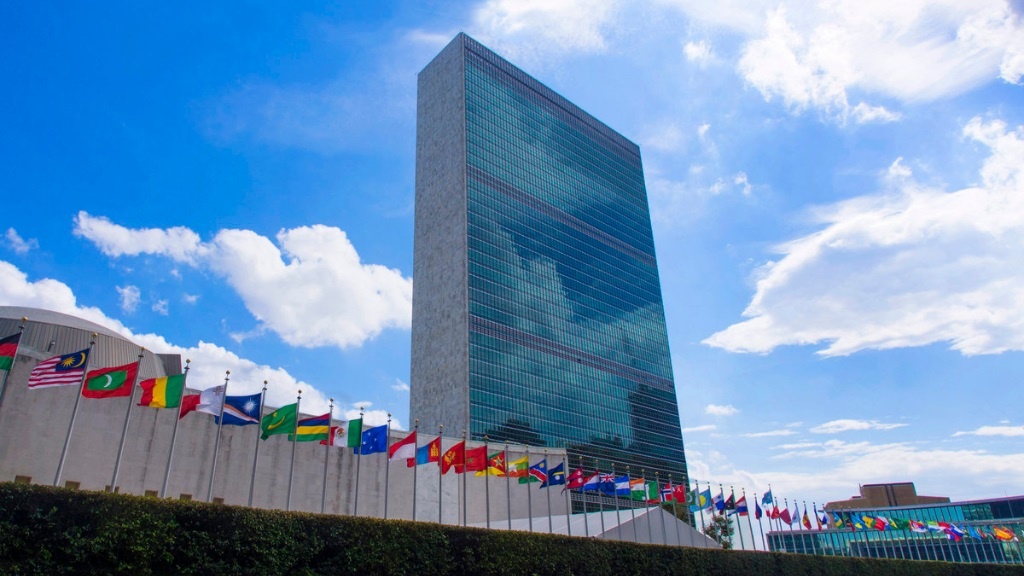
The United Nations (UN) has called on countries to make recovery for people, planet and prosperity their resolution for 2022.
This call was made by the UN Secretary-General, Mr António Guterres, in his New Year message, explaining that countries could together make recovery for people and the planet their priority.
“The world welcomes 2022 with our hopes for the future being tested by deepening poverty and worsening inequality… an unequal distribution of COVID-19 vaccines…climate commitments that fall short, and by ongoing conflict, division, and misinformation,” he said.
He added that these were not just policy tests but said they were “moral and real-life tests.”
According to him, these are examinations that all of humanity can pass if it is committed to making 2022 a year of recovery for everyone.
Mr Guterres detailed how best the recovery should be done on each front emphasizing financing and support.
“The pandemic requires a bold plan to vaccinate every person, everywhere,” he said.
For an economic rescue, the UN chief said that wealthier countries must support the developing world with financing, investment and debt relief.
Meanwhile, to heal from mistrust and division, he affirmed that a new emphasis must be placed on science, facts and reason.
“At the same time, recovery from conflicts calls for a renewed spirit of dialogue, compromise and reconciliation while restoring our planet takes climate commitments that match the scale and urgency of the crisis,” Mr Guterres said.
The UN chief also acknowledged that moments of great difficulty were also moments of great opportunity to come together in solidarity.
“This is because they offer the chance to unite behind solutions that could benefit all people and to move forward together, with hope in what our human family can accomplish.
“Together, let’s make recovery our resolution for 2022,” advised the secretary-general in his message.








By Kestér Kenn Klomegâh
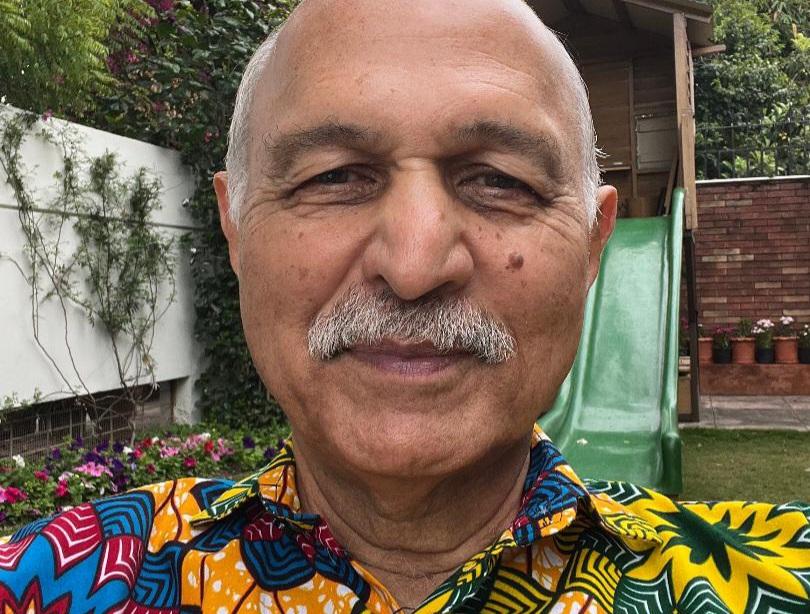
In an interview, Senator Mushahid Hussain, President of Pakistan-Africa Institute for Development and Research (PAIDR), explicitly offers a few important insights into the US-Israeli war on Iran and its implications for BRICS+ and Africa. Here are the interview excerpts:
What’s your interpretation of the US-Israel war on Iran, in the context of developments in the Middle East region?
The US-Israel illegal and unwarranted war on Iran was spearheaded by [Benjamin] Netanyahu (Prime Minister of Israel) and actively supported by [Donald] Trump (President of USA) as a Joint Operation with three fundamental goals: a) decimate the Islamic Revolutionary Regime; b) reshape the Middle East as part of Zionism’s ‘Greater Israel’ Project; c) preclude any possibility of establishing a Palestinian State with Jerusalem as its capital.
What is your assessment of Iran’s joining BRICS+ in 2025, China’s and Russia’s roles as members of this association, in this US-Israel war with Iran?
China and Russia have played, by and large, a low-key diplomatic role in supporting Iran but without any active political initiatives. BRICS is divided from within, as India is keen to curry favour with the USA and avoids close association with BRICS since the time that Trump attacked BRICS last year. But China & Russia are clear political beneficiaries of the war as American prestige is at an all-time low, having got entangled in an unwinnable war, resulting in weakening of the US ‘sole superpower’ image.
As an Asian expert, how would you characterise Africa’s reactions? And do you think that reactions were objectively authentic, basing perspectives broadly on Arab and Middle East contributions to Africa’s development?
Africa’s reactions to the war are primarily through the prism of the Global South, viewing Iran as resisting American-Israeli hegemonic designs, as, for example, manifested in two examples: South Africa’s rejection of American pressures to wean South Africa away from its support for Iran. Plus, Somalia joined Pakistan and China in supporting the Russian resolution in the UN Security Council seeking an immediate ceasefire and negotiations to halt the War, despite strident Western/US opposition to the Russian resolution.
By Adedapo Adesanya
The Director-General (DG) of the World Trade Organisation (WTO), Mrs Ngozi Okonjo-Iweala, has said the global trading system is experiencing the worst disruptions in the past 80 years.
The trade body chief warned about the consequences as the WTO ministerial conference opened Thursday in Cameroon.
“The world order and the multilateral system we know has irrevocably changed,” she said, adding: “We cannot deny the scale of the problems confronting the world today.”
The organisation’s 166 members appear deeply divided as trade ministers gather in the Cameroonian capital for the WTO’s top conference, amid global economic turmoil linked to the Middle East war.
Over four days in Yaounde, WTO members will try to revitalise an institution weakened by geopolitical tensions, stalled negotiations, and rising protectionism — against the backdrop of the war in the Middle East, which poses a serious threat to international trade.
“The scale of the problems confronting the world today, even before the conflict in the Gulf, destabilised trade in energy, fertiliser and food,” Mrs Okonjo-Iweala said.
“National governments and international institutions alike have been struggling to navigate rising geopolitical tensions, intensifying climate pressures, and rapid technological change.
“Accompanying these shifts has been an increasingly loud questioning of multilateralism,” she added.
Mrs Okonjo-Iweala said these disruptions were just one symptom of broader upheavals shaking the international order created after World War II to prevent a repeat of the disasters of the first half of the 20th century.
“It feels appropriate that at the moment when the world is in turmoil with conflict in the Middle East, Sudan, Ukraine, and elsewhere, at this time of great disruption and uncertainty, we have gathered in Africa to discuss the road ahead for the global trading system,” she said.
“Africa is the continent of the future.”
WTO ministerial conferences are typically held every two years. The current edition in Yaounde is the second to be held in Africa, after Nairobi (Kenya) in 2015.

By Kestér Kenn Klomegâh
The United States-Israeli war in the Islamic Republic of Iran is shattering Africa’s economic landscape and leaving emotional devastation. Europe is fractured, but completely. France has taken the initiative to create a platform in Nairobi, the capital of Kenya, located in East Africa. More than 2,500 corporate executives from across the continent, spanning 55 African countries, would take up the challenge during a two-day in-depth discussion on the existential threat of the Middle East conflict. Participating business leaders’ engagement over geopolitics, finding new paths to massive new investment, would be the central theme, while expressing commitment to forge new mechanisms for economic cooperation between Africa and France. The high-ranking guests from regional economic blocs are expected to join, teaming up to share practical thoughts and build awareness beyond the current Middle East conflicts and their impact on Europe and Africa.
The common goal: new perspectives on innovation, new business directions in the context of geopolitical threats. Based on Africa’s untapped natural resources and human capital, communicating clearly with business executives and political leaders, high-ranking speakers plan to dissect and design the future. Strengthening Africa’s and France’s economic cooperation forms the irreversible target and will ultimately be incorporated into the conference declaration. Cautious reflection indicated that the relationship between Africa and France is still pragmatic, as both agreed to renew and thoroughly review the existing economic potentials at the two-day conference in Nairobi.
Experts and Conference coordinators told this article’s author that the French government and business circles involved in trade and economic cooperation with African countries were invited to participate, lay out their comprehensive business architecture. Africa and France will focus on the developing manufacturing and extractive industries, setting up special economic zones, energy and transport infrastructure, digitalisation, and the agro-industrial complex—education and training in the sphere of entrepreneurship.
France has already worked out a financial mechanism to support joint business across Africa, while Africa’s financial institutions pledge their commitment, plan corporate strategies and support for joint investments in the localisation of production chains in Africa, which covers both agricultural and mineral processing.
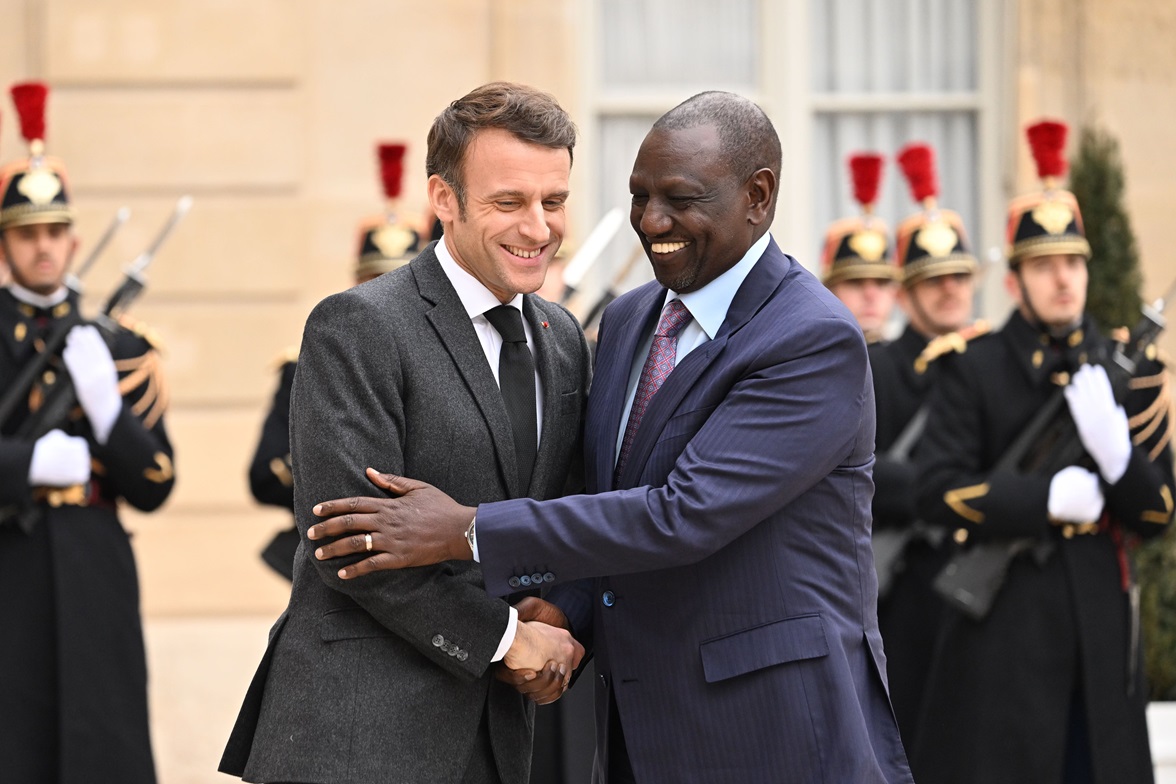
President William Ruto and French President Emmanuel Macron both acknowledged that the strategic pathway should focus on unlocking Africa’s potential, driving sustainable industrialisation, and targeting economic growth across Africa. Harnessing the untapped resources and utilising the huge human resources is France’s priority in consolidating the current bilateral engagement and collaboration.
In a statement, President Ruto underlined tthat he summit reflects a shared commitment to strengthening bilateral ties and deepening multilateral cooperation to advance global goals. The agenda will focus on key areas, including reform of the international financial architecture, energy transition, green industrialisation, the blue economy and connectivity, artificial intelligence, sustainable agriculture, and health. It will spotlight the role of young entrepreneurs, civil society, and international organisations in shaping solutions to pressing global and regional challenges. The May summit is described as part of the renewal of relations between France and Africa, emphasising genuine partnerships and shared progress.
The agenda will focus on key areas, including reform of the international financial architecture, energy transition, green industrialisation, the blue economy and connectivity, artificial intelligence, sustainable agriculture, and health.
In addition to the May summit by France, the European Union countries are increasingly strong economic partners for many African countries. It therefore beholds African leaders and business people to necessarily explore available possibilities and windows that have been opened. The EU has unveiled €300 billion ($340 billion) alternative to China’s Belt and Road initiative — an investment programme the bloc claims will create links, not dependencies.
In an official document, it said the European Commission is examining:
– Support AfCFTA implementation and the green transition;
– Improve trade and investment climate between the EU and Africa;
– Reinforce high-level public-private dialogue;
– Enhance long-term dialogue structures between the EU and African Business Associations;
– Unlock new business and investment opportunities, including in the areas of manufacturing and agro processing, as well as regional and continental value chains development.
It is further included in the joint communication of the European Commission (EC) entitled “Toward a Comprehensive Strategy with Africa”, which sets forth what the EU plans with Africa. The Joint EU-Africa Strategy takes into cognisance the most common interests such as climate change, global security and the achievement of the United Nations Sustainable Development Goals (SDGs).
Just as China, India and the United States, so also France, and other European countries are exploring emerging opportunities offered by the African Continental Free Trade Area (AfCFTA), which provides a unique and valuable access to an integrated African market of 1.5 billion people. In practical reality, it aims at creating a continental market for goods and services, with free movement of business people and investments in Africa.
Looking ahead, France intends to capitalise on Africa’s most transformative economic sectors and make strategic moves by collaborating, as a mutual partnership remains dynamic and adaptable. Despite growing geopolitical tensions, France’s approach and its long-standing ties still offer an alternative partnership model that many African leaders find very appealing.
The challenge for the future will be to ensure these ties evolve in ways that serve Africa’s development needs, while navigating the increasingly complex global politics. As Africa is indiscriminately open for business, on May 11-12, 2026, African and French Heads of State and Government meet together to chart a new path for innovation, growth, and cooperation. Kenya will hold this investment summit for France to position Africa as a key partner in global innovation and economic development while strengthening bilateral ties with France and advancing Africa’s collective agenda on the international stage.









-
 Feature/OPED6 years ago
Davos was Different this year
-
Travel/Tourism10 years ago
Lagos Seals Western Lodge Hotel In Ikorodu
-

 Showbiz3 years ago
Estranged Lover Releases Videos of Empress Njamah Bathing
-
 Banking8 years ago
Sort Codes of GTBank Branches in Nigeria
-

 Economy3 years ago
Subsidy Removal: CNG at N130 Per Litre Cheaper Than Petrol—IPMAN
-

 Banking3 years ago
Sort Codes of UBA Branches in Nigeria
-

 Banking3 years ago
First Bank Announces Planned Downtime
-

 Sports3 years ago
Highest Paid Nigerian Footballer – How Much Do Nigerian Footballers Earn