Connect with us

Health

Accurate Multi-Panel Drug Test Cups For Professionals

Published

on

drug test cups

In safety-sensitive workplaces, clinical settings, and staffing operations, reliable on-site drug screening is a practical first line of defense. Accurate multi-panel drug test cups for professionals combine speed with portability, allowing organizations to screen for multiple substances quickly while preserving chain-of-custody and sample integrity. This guide explains how these cups work, how to choose the right product for a professional setting, and how to manage administration, interpretation, and compliance to reduce legal risk and costly false positives.

What Multi-Panel Drug Test Cups Are And Who Should Use Them

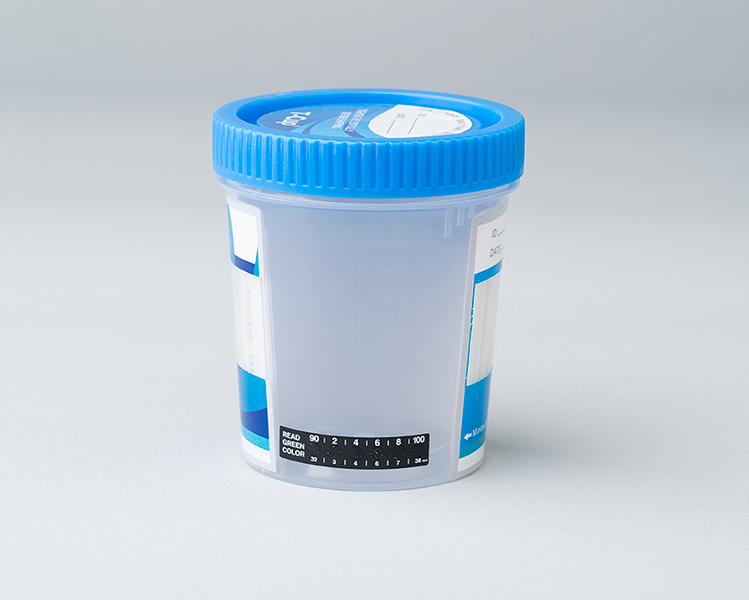
Multi-panel drug test cups are self-contained immunoassay devices that screen a urine sample for multiple drug classes simultaneously, typically including amphetamines, cocaine metabolites, opioids, cannabinoids (THC), benzodiazepines, and others depending on the panel. They are designed for point-of-care use: a donor provides a urine specimen directly into the cup, and the integrated test strips produce rapid visual results within minutes.

Who should use them? Professionals that benefit most include:

  • Occupational health and human resources teams conducting pre-employment, post-incident, or random testing programs.
  • Substance use clinicians and treatment centers performing routine monitoring.
  • Staffing firms and temp agencies that need quick screening before placement.
  • Corrections and probation officers performing supervision checks.
  • Employers in transportation, construction, healthcare, and manufacturing where safety is critical.

For organizations prioritizing both speed and defensibility, multi-panel cups offer a pragmatic balance: they provide immediate screening to inform next steps while still allowing for confirmatory laboratory testing when required.

How Multi-Panel Test Cups Work: Technology And Accuracy Factors

At their core, most multi-panel cups use lateral flow immunoassay technology. Antibodies embedded on test strips bind to drug metabolites in the specimen: a visible line forms (or disappears) according to the assay design, indicating a negative or presumptive positive.

Key accuracy factors to understand:

  • Antibody specificity and cross-reactivity: High-quality assays use antibodies selected to minimize cross-reactivity with over-the-counter medications or endogenous compounds. Lower-grade tests may yield false positives when donors take legal medications that share similar metabolites.
  • Cutoff concentrations: Each assay has a cutoff (measured in ng/mL) that determines whether a result is reported as positive. Most professional cups follow SAMHSA or DOT cutoffs for workplace testing: knowing these thresholds reduces misinterpretation.
  • Temperature and matrix checks: Modern cups often integrate temperature strips and creatinine/oxidant checks to detect dilution or tampering. These integrity features improve the reliability of on-site results.
  • Operator influence: Proper collection, timing, and result reading windows directly affect accuracy. Even the best cup can produce incorrect readings if the test is read too early or too late.

Real-world accuracy is often expressed in sensitivity (ability to detect positives) and specificity (ability to rule out negatives). Professional cups from reputable manufacturers typically report >95% agreement with laboratory immunoassays at the stated cutoffs, though confirmatory GC-MS or LC-MS/MS remains the gold standard for legal or employment consequences.

Choosing The Right Cup For Professional Settings

Selecting the appropriate multi-panel drug test cup requires more than picking a high panel count. It’s about matching features to use case, workflow, and legal requirements.

Key Selection Criteria

  • Regulatory alignment: Choose cups that adhere to SAMHSA/DOT cutoffs if testing falls under federal guidelines.
  • Built-in integrity checks: Temperature, adulteration, and creatinine tests help detect tampering or dilution at collection.
  • Ease of use: Simple, unambiguous results and clear timing windows reduce operator error and training burden.
  • Documentation options: Cups that help clear labeling, lot tracking, and photo documentation streamline chain-of-custody.
  • Shelf life and storage needs: Longer shelf life and uncomplicated storage conditions simplify inventory management.

Panel Selection: Which Drugs To Include

Common professional panels are 5-, 8-, or 12-panel cups. Decisions should be risk-based:

  • 5-panel: Standard workplace screens (AMP, COC, OPI, THC, BZO).
  • 8–12 panel: Add methamphetamine, oxycodone, fentanyl, barbiturates, PCP, and others where clinical or workplace exposure warrants it.

Staffing and healthcare employers often opt for expanded panels that include fentanyl and synthetic opioids given their prevalence.

Sensitivity, Cutoffs, And False Positives

Higher sensitivity isn’t always better: it may detect clinically irrelevant low levels or passive exposure. Professional programs typically use established cutoffs to balance sensitivity and specificity. When a presumptive positive appears, organizations must have a policy for confirmatory testing rather than making employment decisions on a single cup result.

Adulteration Detection And Integrity Features

Buy cups with built-in tamper indicators: temperature strips (correct collection window), creatinine or pH checks, and oxidant detection. These features lower the likelihood of undetected sample manipulation and strengthen the defensibility of the screening process.

Best Practices For Collection And Administration

Accurate results start with consistent collection procedures and well-trained staff.

Chain Of Custody And Documentation

Maintain an unbroken chain of custody: donor identification, time-stamped collection, witness signatures, and secure transport for confirmatory samples. Use standardized forms and consider photo documentation or barcode systems that tie cups to donor records. This reduces disputes and protects both employer and donor.

Proper Sample Collection And Handling Steps

  • Verify donor identity and inspect the collection area for prohibited items.
  • Instruct the donor to provide an adequate volume into the cup: record temperature immediately.
  • Observe, where policy and law permit, to prevent substitution.
  • Seal and label samples promptly if they will be sent for confirmatory testing.
  • Adhere to manufacturers’ timing for reading results: most cups specify a 5–10 minute window.

Training Staff And Reducing Human Error

Regular staff training on procedure, result interpretation, and documentation reduces mistakes. Provide quick-reference guides, role-play common scenarios, and audit collections periodically to ensure compliance.

Interpreting Results And When To Confirm

On-site cups deliver presumptive results, actionable only within a clear policy framework.

Reading Immunoassay Results Correctly

Most cups use a two-line format: a control line indicating the test is valid, and a test line indicating a negative or positive depending on the device. A faint test line usually indicates a negative result at or above the cutoff: no test line indicates a presumptive positive. Staff should follow the manufacturer’s visual guide and timing strictly. Photographing results can help document ambiguous cases.

Confirmatory Testing: When And How To Send Samples

Any presumptive positive that could have employment consequences should be sent to a certified laboratory for confirmatory testing using gas chromatography–mass spectrometry (GC-MS) or liquid chromatography–tandem mass spectrometry (LC-MS/MS). It’s best practice to split or retain an aliquot during collection for immediate confirmatory shipment if required. Establish relationships with accredited labs and clarify reporting timeframes, cutoff standards, and evidence handling procedures.

Legal, Regulatory, And Privacy Considerations

Testing programs operate in a regulated and privacy-sensitive environment: mishandling can result in litigation or regulatory penalties.

Compliance With Workplace Testing Regulations

Understand federal, state, and industry-specific regulations that apply to the organization. Transportation and DOT-regulated employees face stricter protocols, specific cutoffs, and certified collector requirements. Non-DOT employers still should align policies with best practices to maintain defensibility.

Recordkeeping, Privacy, And Liability Best Practices

Limit access to test results to authorized personnel, store records securely, and retain documentation according to legal retention requirements. Clear written policies that explain testing rationale, disciplinary procedures, and the appeals process help mitigate liability. Include provisions for reasonable accommodations and medical review officers (MROs) who assess legitimate medical explanations for positive results.

Storage, Shelf Life, And Vendor Reliability

Purchasing decisions affect accuracy and supply-chain resilience.

Storage Conditions, Expiry, And Inventory Management

Store cups per manufacturer recommendations, usually at controlled room temperature away from direct sunlight. Track lot numbers and expiration dates in inventory systems and rotate stock using FIFO principles. Expired tests can degrade antibody performance and increase error rates.

Evaluating Suppliers And Quality Assurance Practices

Work with suppliers that provide lot-level COAs (Certificates of Analysis), recall notifications, and prompt customer support. Vet vendors for ISO or other quality certifications, clear warranty policies, and responsiveness to post-sale technical questions. For agencies that manage testing programs for clients, documented supplier reliability reduces operational risk and preserves client trust.

Conclusion

Accurate multi-panel drug test cups for professionals are a practical tool when used within a rigorously designed program: choose products that match regulatory requirements, incorporate integrity checks, and come from reliable vendors. Combine those choices with standardized collection procedures, trained staff, and clear confirmatory pathways to reduce false positives and legal exposure.

For agencies and businesses that support client organizations, whether staffing firms or occupational health providers, investing in the right cups and operational controls pays off in defensible screening results and smoother downstream workflows. When testing has real consequences, a presumptive result from a quality cup should be the beginning of a controlled process, not the final word.


Dipo Olowookere is a journalist based in Nigeria that has passion for reporting business news stories. At his leisure time, he watches football and supports 3SC of Ibadan. Mr Olowookere can be reached via [email protected]

Click to comment

Leave a Reply

Your email address will not be published. Required fields are marked *

Health

WHX in Lagos 2026: Nigeria Open for Healthcare Investment—FG

Published

on

WHX in Lagos 2026

By Modupe Gbadeyanka

The federal government has urged global investors and innovators to tap into the Nigerian healthcare ecosystem, which is projected to grow by 7.1 per cent, reaching a market value of $161.7 million by 2027.

This advice was given by the Minister of State for Health and Social Welfare, Mr Isiaq Salako, at the opening of the World Health Expo (WHX in Lagos 2026), formerly known as Medic West Africa, on Tuesday in Lagos.

The broader West African market is expected to reach more than $11 billion, providing investors with an opportunity to get a good return on investment.

“Nigeria is open for healthcare investment. We want platforms like WHX in Lagos to serve as a critical conduit for translating this investment ambition into tangible technology access for our hospitals and patients,” the Minister, who declared the event open on behalf of President Bola Tinubu, said.

He praised the organisers of the expo, which welcomed over 8,000 healthcare professionals and 500 exhibitors spanning 40 countries, for growing the programme into a vital catalyst for West African healthcare transformation.

Addressing the stark reality that between 85 per cent and 99 per cent of medical equipment and in vitro diagnostics in West Africa are currently imported, Mr Salako outlined aggressive federal interventions designed to dismantle supply chain vulnerabilities and skyrocket local manufacturing capabilities.

He also spotlighted key presidential directives, including the Presidential Initiative to Unlock Healthcare Value Chains (PVAC) and the Presidential Executive Order for the Pharmaceutical and Allied Sectors, both engineered to catalyse health security, drive economic growth, and generate employment through strategic private-sector collaborations and Public-Private Partnerships (PPPs).

“Our commitment to improving access to modern equipment and technologies in hospitals is backed by concrete action. The government has inaugurated the $1.2 billion Sector-Wide Approach (SWAP) initiative, a comprehensive overhaul addressing financing, workforce development, and infrastructure.

“Furthermore, for the 2025 fiscal year, the Federal Government committed N402 billion specifically for health sector infrastructure investment,” he stated, also highlighting an expansive health infrastructure upgrade program in partnership with the Nigeria Sovereign Investment Authority (NSIA).

According to him, this phased initiative is actively delivering oncology and nuclear medicine centres across six tertiary hospitals, alongside establishing 22 modern medical diagnostic centres, seven cardiac catheterisation laboratories, and expanded radiology and clinical pathology capabilities distributed across Nigeria’s six geopolitical zones.

Also speaking, the chief executive of EHA Clinics, Dr Ifunanya Ilodibe, stressed the urgent need to support and unify fragmented growth within the healthcare system, noting that WHX serves as the precise ecosystem platform required to bring together policymakers, clinicians, and investors to move actionable strategies forward.

Also, the President of the Healthcare Federation of Nigeria (HFN) and Country Director of PharmAccess, Njide Ndili, said, “HFN bridges the gaps in health financing, opening up critical connections to achieve true health sovereignty,” praising Africa CDC’s historical intervention, particularly during the Ebola crisis and urged participants to utilise the WHX exhibition floor to forge collaborations capable of scaling locally produced medical equipment.

The Lagos State Commissioner for Health, Mr Akin Abayomi, on his part, highlighted the enforcement of the National Health Insurance Authority (NHIA) Act in Lagos State as a landmark regulatory milestone. The Act mandates health insurance for all residents, structuring the financial environment to guarantee medical protection across various socioeconomic levels.

Delivering the keynote address, the Special Regional Representative of the Director General of the Africa CDC Western Regional Coordinating Centre, Prof. Aliko Ahmed, called on leaders in geopolitical positions to enact liberating trade policies aligned with the African Continental Free Trade Area (AfCFTA) to shape the continental agenda, emphasising that the Africa CDC will fiercely prioritise building trust in locally manufactured healthcare products.

WHX in Lagos 2026 runs for three days, featuring accredited forums, cutting-edge product showcases, and high-level networking tracks designed to translate billions in public and private investment into immediate technology access for hospitals and patients.

Continue Reading

Health

Euracare Secures Court Order Halting Inquest into Chimamanda Son’s Death

Published

on

Euracare

By Adedapo Adesanya

The coroner’s inquest into the death of 21-month-old Nkanu Adichie-Esege, son of renowned author Chimamanda Ngozi Adichie, suffered a major setback on Wednesday after Euracare Multi-Specialist Hospital informed the coroner’s court that it had obtained an order of the Lagos State High Court staying further proceedings in the probe.

The matter came before Coroner Magistrate Atinuke Adetunji at Court 9, Igbosere Magisterial District, Yaba, Lagos, and was scheduled for the commencement of witness’ testimony.

Counsel to Euracare Multi-Specialist Hospital, Professor Taiwo Osipitan (SAN), told the court that the hospital had initiated judicial review proceedings challenging, among other issues, the jurisdiction of the Coroner’s Court to conduct the inquest in the absence of the deceased’s body.

He disclosed that the High Court had granted leave for the judicial review application and ordered that the leave operate as a stay of proceedings pending the determination of the suit.

The senior advocate also informed the court that although the Lagos State Attorney-General’s Office denied seeing the originating processes from the High Court, proof of service was available.

Responding on behalf of the family, Mr Kemi Pinheiro (SAN) confirmed receipt of both the originating processes and the High Court order.

While acknowledging the obligation of all parties to comply with court orders, he informed the coroner that the family had already filed four witness statements on oath, including that of Dr Ivara Esege, as well as statements from independent medical experts from Nigeria and the United States, who are expected to testify at the inquest.

Mr Pinheiro urged the court not to adjourn the matter indefinitely, but to a definite date after the court vacation to enable parties to report on developments in the High Court proceedings.

He also highlighted the need for transparency and public confidence in the fact-finding process, saying, “He who is innocent does not fear an open inquest.”

Counsel representing Atlantis Paediatric Hospital supported the request for a definite adjournment rather than an indefinite postponement.

Following submissions by counsel, the Coroner adjourned the matter until October 8, 2026, for a report on the status of the High Court proceedings.

Continue Reading

Health

Gavi Promises $50m for Bundibugyo Ebolavirus Vaccines

Published

on

Bundibugyo Ebolavirus Vaccines

By Modupe Gbadeyanka

About $50 million has been promised by Gavi, the Vaccine Alliance, through its First Response Fund (FRF), to support the response to the ongoing Bundibugyo ebolavirus outbreak.

A statement from the organisation made available to Business Post on Monday said up to $40 million would be available to enable accelerated access to investigational doses and, eventually, approved vaccines, while a further $10 million would support outbreak response and protection of routine immunisation services in impacted countries.

“We need to act now to ensure that, once one or more vaccine candidates are ready, manufacturers are in a position to start producing doses at scale,” the chief executive of Gavi, Dr Sania Nishtar, was quoted as saying.

“Leveraging this allocation, Gavi will work closely with CEPI and partners to design the right incentives to achieve this goal, exploring all options, including potential Advance Purchase Commitments.

“This effort, alongside ensuring emergency funds are on hand to support outbreak response and protect routine immunisation services in the communities impacted, is exactly what our First Response Fund was designed for,” Dr Nishtar added.

The First Response Fund is the only globally approved mechanism that allows “at-risk” financing for scaled-up production of vaccines under development. This means Gavi is able to make vital early investments even when development outcomes are uncertain.

The $40 million in immediate surge financing that has been approved today will enable manufacturers of the leading candidates of a vaccine against the Bundibugyo virus to directly commit to high-capacity manufacturing.

This, in turn, will ensure that, as soon as clinical trials demonstrate positive outcomes, investigational vaccine doses could be deployed rapidly to support outbreak response.

Looking to the longer-term, Gavi will also provide incentives for manufacturers to adopt the fastest pathways towards WHO Emergency Use Listing (EUL) and/or WHO Prequalification (PQ), which are critical global approvals that will enable the rapid use of these vaccines in future emergencies.

In the coming weeks, Gavi will finalise the design of a financial mechanism that leverages the $40 million FRF allocation to achieve these vaccine access goals, in close partnership with the Coalition for Epidemic Preparedness Innovations (CEPI) as well as WHO, Africa Centres for Disease Control and Prevention (Africa CDC) and UNICEF.

The final design will take into account the characteristics of individual vaccine candidates and the needs of their manufacturers and may include mechanisms such as Advance Purchase Commitments. Work will also be undertaken to ensure successful candidates from African-based vaccine manufacturers can benefit from accelerated support through Gavi’s African Vaccine Manufacturing Accelerator (AVMA) initiative.

In addition to these investments, Gavi will also immediately release US$ 10 million to support countries and partners with outbreak response.

This funding will support implementation of national outbreak response plans, including targeted investments to protect routine immunisation, protect health care workers and ensure readiness for future vaccines. Gavi will work closely with countries, partners including Africa CDC, WHO, UNICEF, World Bank, and donors to ensure these investments complement other efforts.

Continue Reading

Trending