Connect with us

Showbiz

Sanwo-Olu Allots 100 Hectares in Epe for Lagos Film City

Published

on

Lagos Film City

By Modupe Gbadeyanka

As part of efforts to boost the creative and entertainment industry, Governor Babajide Sanwo-Olu has been 100 hectares in Ejirin community in Epe for the establishment of the proposed Lagos Film City.

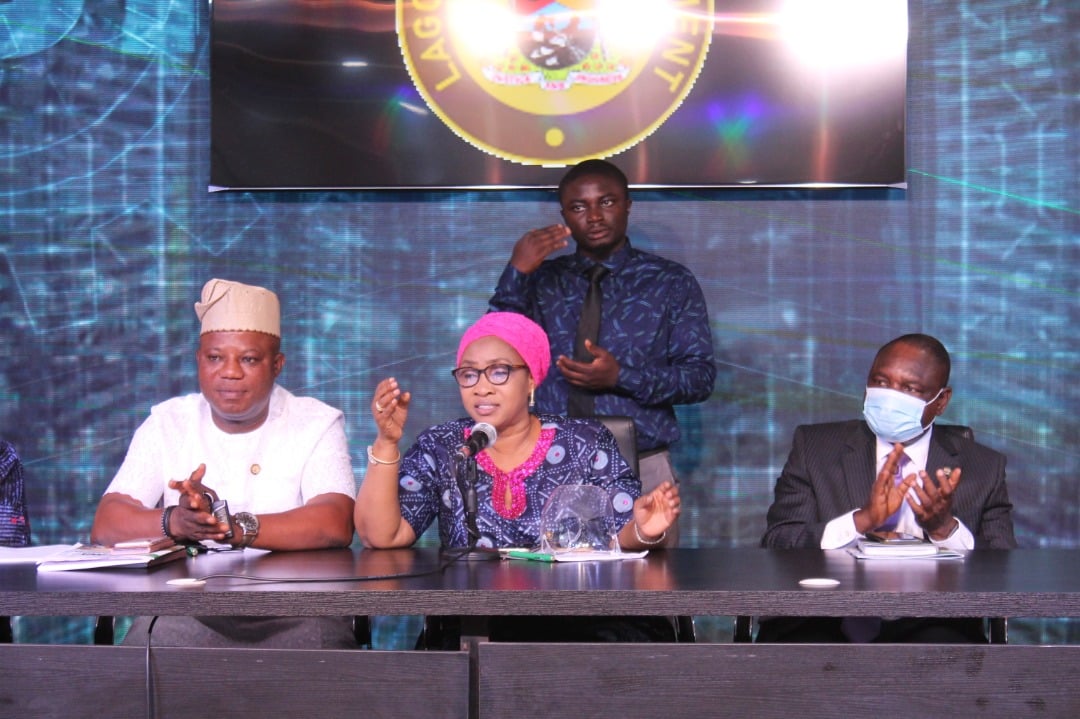
The Commissioner for Tourism, Arts and Culture, Mrs Uzamat Akinbile-Yussuf, confirmed this development at the inter-ministerial press briefing held at Bagauda Kaltho Press Centre, Alausa, to mark the second-year anniversary of the Mr Sanwo-Olu administration.

She explained that the project is being developed through Public-Private Partnership (PPP) and will serve as a catalyst to accelerate the development of tourism in Lagos.

She further said the film city will offer a one-stop business platform for filmmakers, entertainers and originators of creative ideas to carry out their trades without interference by agencies of government and the public.

“We have acquired 100 hectares of land in Ejirin area of the State for development of the proposed film city. There are ongoing preliminary discussions with the private sector under PPP arrangement and we believe that the initiative would be a boost to the movie and entertainment industry’s revenue.

“The idea behind the film city is to provide a place where film production and creative ideas can be carried out without public interferences.

“When it is finally established, Lagos Film City would be a huge impetus for the development of the entertainment industry, because it will reduce the cost of film production, generate employment and bring about a huge relief to the practitioners. We urge stakeholders and private investors to come on board and support this idea,” she said.

Mrs Akinbile-Yussuf, speaking further, stated that the state government had set aside a N1 billion intervention fund to support ideas, innovations and entertainment programmes in the creative industry, through Lagos State Creative Industry Initiative (LACI).

The Commissioner also said new tourist sites were recently discovered in Badagry, Epe and Alimosho areas, hinting that the state government would take over the management of new heritage sites in Ikorodu. She assured that the new sites would be developed and harnessed to become international tourism centres.

The Commissioner explained that the State had developed a Tourism Master Plan, which would serve as a policy document for the implementation of tourist activities in Lagos.

“The document would change the narrative in the state’s tourism sector and ensure uniformity of government’s programmes, plans and policies in the development of tourism,” Mrs Akinbile-Yussuf said.

She explained that attention would be given to the development of Lagos waterfront for tourism purposes, adding that the master plan would also explore the potential of medical tourism, focusing Meetings, Incentives, Conferences and Exhibition (MICE).

“With the Tourism Master Plan in place, the era of haphazard development of tourism activities in the state is over. There is a structured guideline for short, medium and long-term tourism activities and projects.

“Some areas in tourism, which were not given attention, have now been captured in the master plan. This will engender all-round development of every aspect of tourism in the coming years,” the Commissioner said.

“We will leverage on this to boost the State’s revenue. We believe in creating an enduring atmosphere for tourism activities to thrive, being a major private-sector driven sector.

“It is our belief that when businesses operate under the right atmosphere, the economic activities of the state would increase and the resources at the disposal of Government would also be impacted greatly,” she added.

Speaking on the activities of the Ministry of Tourism, Arts and Culture in the last two years, Mrs Akinbile-Yussuf said the present administration had repositioned the State’s heritage with the delivery of cultural projects, including the modernisation of Glover Memorial Hall, known for hosting stage drama, cultural concerts and other traditional events.

She said renovation work on major cultural sites across the State were inching towards completion, noting the State Government would be delivering J. K Randle Centre for Yoruba Culture and History in the coming weeks to change the aesthetics of the cultural hub of Lagos Island.


Modupe Gbadeyanka is a fast-rising journalist with Business Post Nigeria. Her passion for journalism is amazing. She is willing to learn more with a view to becoming one of the best pen-pushers in Nigeria. Her role models are the duo of CNN's Richard Quest and Christiane Amanpour.

1 Comment

1 Comment

  1. Pingback: Lands for Sale in Epe [2023 Update] - PropertyScout

Leave a Reply

Your email address will not be published. Required fields are marked *

Showbiz

Then Versus Now: How AMVCA Has Evolved Over the Years

Published

on

AMVCA 12 Nominee List

The Africa Magic Viewers’ Choice Awards have long stood as one of the most prestigious platforms celebrating excellence in African film and television.

From its earliest editions, it has consistently brought together the continent’s brightest talents, setting a strong standard for recognition, storytelling, glamour, and cultural pride.

Today, that foundation has only continued to expand and strengthen.

The AMVCA has grown into an even more expansive and dynamic platform, bigger in scale, richer in competition, and more diverse in expression while continuing to provide a stage where established icons and emerging voices are celebrated side by side.

Then: A Strong Foundation of Excellence and Recognition

In its early years, the AMVCA reflected the structure and growth of Nollywood and African storytelling at the time, an industry already rich in talent, creativity, and established stars.

Winning an AMVCA was always a mark of excellence, a recognition of outstanding work within a highly respected ecosystem of filmmakers, actors, and creatives.

Categories were structured around key pillars of storytelling, and while the industry has continued to expand over the years, the awards have consistently celebrated excellence across both on-screen and behind-the-scenes contributions.

From the beginning, recognition has always leaned toward quality performances, strong narratives, and industry-defining work. The excitement was never limited; it was rooted in celebrating the best of African cinema.

The Shift: Expansion, Structure, and Industry Depth

As African film and television continued to evolve, the AMVCA naturally expanded in scope to reflect the growing depth of storytelling across the continent.

In recent editions, the awards featured over 30 categories, split between jury-selected and audience-voted awards,  reinforcing a balanced structure that reflects both critical excellence and audience engagement.

What this evolution truly highlights is how deeply layered African storytelling has become.

Cinematography, editing, sound design, costume, and production design have all become highly competitive and widely celebrated categories, sitting alongside acting and directing as essential parts of the storytelling process.

Films like Over the Bridge, Mami Wata, Breath of Life, Brotherhood, and Eyimofe (This Is My Desire) have not only been recognised but have stood out for their artistic ambition, technical excellence, and contribution to the growth of African cinema.

At this level, the AMVCA continues to do what it has always done best: recognising and rewarding craft in all its dimensions.

Now: A Platform Reflecting a Growing and Diverse Industry

In recent editions, the AMVCA has further strengthened its role as a platform that reflects the full spectrum of African entertainment.

One of the clearest developments is the continued spotlight on emerging talent through dedicated recognition categories such as the Trailblazer Award, which highlights rising stars making a notable impact in the industry.

Categories like Best Digital Content Creator also reflect how storytelling has expanded across platforms, embracing the evolution of content creation in today’s digital era.

Across recent editions, younger actors and filmmakers continue to share the stage with industry veterans, reflecting the depth and continuity of talent within the African entertainment space.

At the 2025 edition, for instance, talents such as Genoveva Umeh and Chimezie Imo stood alongside established industry figures, while the Trailblazer Award continued its tradition of recognising emerging excellence. Digital creators were also acknowledged, reinforcing the AMVCA’s alignment with the evolving media landscape.

Even in 2023, names like Tobi Bakre and Broda Shaggi reflected the dynamic nature of modern African entertainment, where film, television, and digital culture intersect seamlessly.

Across all these moments, the AMVCA remains consistent in its purpose: celebrating excellence in all its forms while reflecting the continuous growth of African storytelling.

The Experience of Watching: A Journey Through Time

Reading AMVCA history feels like moving through the evolution of African cinema itself.

Earlier editions reflect the strong foundations of structured storytelling and established excellence. Middle years highlight expansion in scale, ambition, and creative depth. Recent editions reflect a more global, refined, and experimental expression of African film and television.

Across this journey, one thing remains consistent: excellence has always been the standard.

The experience moves from familiar faces to exciting new recognitions, from predictable narratives of success to more layered and competitive storytelling moments, and from national recognition to wider continental and global relevance.

Today, the AMVCA stands not as a shift in purpose, but as a continuous reflection of a growing industry, one that has always celebrated the best of African creativity and continues to do so at an even greater scale.

If the early AMVCAs celebrated stars, the current editions continue to celebrate legacies in motion.

And perhaps that is the real story, not a change in direction, but a steady expansion of excellence, recognition, and impact across African cinema.

Continue Reading

Showbiz

UK Launches Fund to Boost Nigeria’s Creative Industries

Published

on

UK-Nigeria Technology Hub

By Adedapo Adesanya

The UK-Nigeria Technology Hub has launched its Creative Fund, a first‑phase grants initiative designed to address critical technical capacity gaps across Nigeria’s film, fashion, and music industries.

According to a statement on Tuesday, the fund will support the development of local digital production capacity, encourage the adoption of modern creative technologies, and promote the responsible use of Artificial Intelligence (AI) to strengthen Nigeria’s creative value chain.

The initiative directly supports the priorities of the UK‑Nigeria Economic Transformation and Investment Partnership (ETIP) Creatives Working Group, launched in March 2025 and delivers on commitments made during President Tinubu’s State visit to the UK in March 2026.

It is designed to ensure that high-potential creative projects can access the technical talent, tools, and resources required to produce, scale and complete their work locally.

Funded by the UK-Nigeria Tech Hub, under the UK Government’s Digital Access Programme and implemented by Tech4Dev, the Creative Fund responds directly evidence gathered through the State of the Creative Innovation Ecosystem in Nigeria, study in 2024. Drawing on over 1,700 survey responses, and fieldwork across seven states, the research showed that Nigeria’s creative economy employs approximately 4.2 million people and contributes around US$3 billion to GDP annually.

Despite this scale, the sector continues to face structural constraints – over 80 per cent of practitioners are self-taught, fewer than 10 per cent have access to formal financing, and high-value technical work is routinely outsourced outside the country. The Creative Fund is a direct response to these gaps and is central to the work of the ETIP Creative Working Group.

Speaking on this, Mrs Oyinkansola Akintola‑Bello, Director of the UK‑Nigeria Tech Hub, said, “Nigeria’s creative sector already delivers real economic value, and both governments have committed under the UK‑Nigeria Economic Transformation and Investment Partnership to supporting its growth. Through the ETIP Creatives Working Group, we are moving from ambition to action.

”The Creative Fund is a practical first‑phase intervention that addresses critical gaps in skills, infrastructure, and access to advanced tools, enabling Nigerian creatives to produce and scale high‑quality work locally.”

The fund will support high-potential creative projects covering three industries: Film, Fashion, and Music and will focus on initiatives that demonstrate strong potential for impact, scalability, and job creation.

It will subsidise projects that need to close technical gaps, including critical specialists like VFX artists, sound engineers, post-production editors, and design professionals, or the digital tools and resources that make professional-quality work possible locally, for example, digital asset management systems, content delivery tools, Digital Rights Management solutions, and AI-driven production technologies. The aim is straightforward: Nigeria’s best creative work should be made in Nigeria.

On his part, Mr Abraham Akpan, Tech4Dev’s Country Manager for Nigeria and Sub-Saharan Africa, said the Creative industries are a core part of the digital economy, bringing together technology, culture and entrepreneurship.

“This Fund is about ensuring that Nigeria’s creative success is underpinned by sustainable local talent and capacity, while deliberately expanding access to tools, skills and finance for those who have been historically excluded. By prioritising women-led enterprises, youth-led ventures, and underrepresented groups, the fund embeds inclusion into every stage of delivery.”

The Fund is open to creative companies, studios, production houses, fashion enterprises, and music labels leading projects with clear technical needs. Applications will be assessed on project quality, their potential for local and international impact, and the applicant’s level of commitment to co-investment. The initiative also encourages the responsible use of emerging technologies, including artificial intelligence, with selected projects expected to explore its application in production, storytelling, and innovation.

Applications are open now and will be accepted on a rolling basis throughout the programme period.

Continue Reading

Showbiz

MasterChef Nigeria Arrives And Sunday Nights on GOtv Just Got Better

Published

on

MasterChef Nigeria

The world’s most prestigious culinary competition has finally landed in Nigeria, bringing with it global standards, high-stakes drama, and a powerful celebration of local flavours.

MasterChef Nigeria premiered on Africa Magic Showcase (Channel 8) and Africa Magic Family (Channel 7), introducing viewers to a new era of culinary excellence.

At stake is a life-changing grand prize of ₦73 million and the coveted title of Nigeria’s first-ever MasterChef.

Ten exceptional home cooks from across the country have stepped into the MasterChef kitchen, not as professionals, but as passionate individuals driven by ambition and talent.

From a content creator in Magboro to a lawyer in Abuja, a domestic staff member in Lagos, and a cloud kitchen manager in Lekki, each contestant brings a unique story, but shares the same hunger to win.

Leading the competition are two of Nigeria’s most respected culinary figures: Chef Stone and Chef Eros.

Known for their influence and expertise, they bring both discipline and personality to the kitchen.

“I have trained over 7,000 students. Nigeria is one of the most diverse countries in the world, and our food reflects that. We just need to tell that story on a plate,” said Chef Stone.

Chef Eros adds: “MasterChef Nigeria is set to be incredibly competitive. From demanding tasks to defining moments under pressure, viewers will witness the true depth of culinary talent in this country. As we like to say, Naija no dey carry last.”

Contestants will face a series of intense, high-pressure challenges designed to test their creativity, technical skill, and resilience.

And for some, it’s strictly business.

“I am here for business. I am here to cook. I am not here to play or make friends,” said contestant Derry.

Across 13 episodes, viewers can expect a compelling mix of tension, discovery, and unforgettable moments as the competition unfolds.

MasterChef Nigeria airs every Sunday at 7:00 PM on Africa Magic Showcase (Channel 8) and Africa Magic Family (Channel 7), with repeat broadcasts on Thursdays at 12:00 PM on Africa Magic Family.

Continue Reading

Trending