
Banking
Stanbic IBTC Calls for Innovative Climate-smart Financing

By Adedapo Adesanya
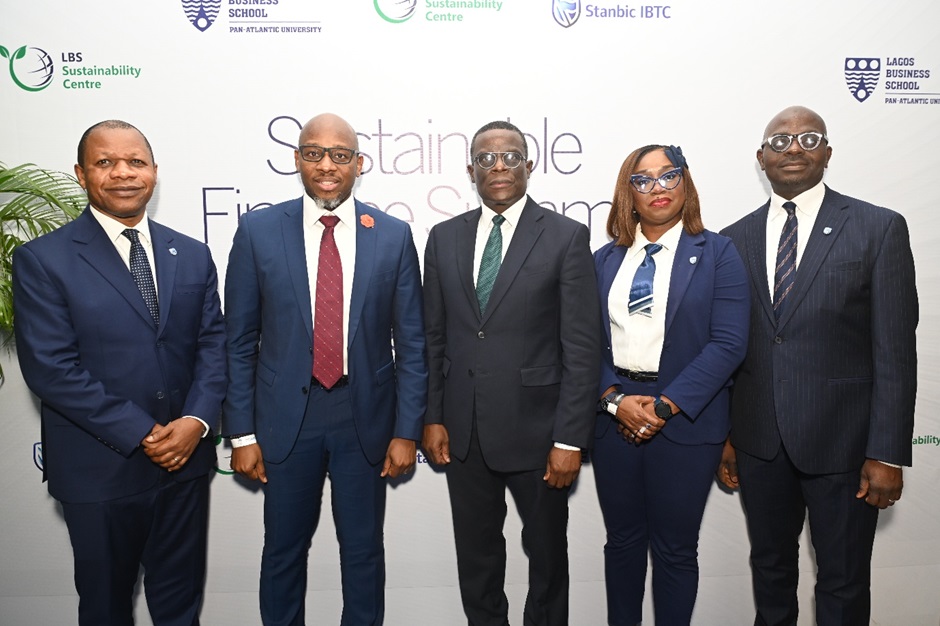
Stanbic IBTC Holdings through its Sustainable Finance Summit 2.0 has sets the pace for leveraging innovative climate-smart financing.
The event, held in partnership with the Lagos Business School Sustainability Centre (LBSSC), concluded with unprecedented success, establishing new benchmarks for sustainable finance discourse and innovation in Nigeria and across Africa to tackle climate challenges.
The hybrid summit, themed Financing Resilience: Digital Innovation and AI for Climate Smart Communities, attracted over three thousand participants both physically at the Civic Centre, Lagos and through YouTube live streaming, representing diverse sectors from across Nigeria and internationally.
The forum delivered significant value across multiple dimensions. Industry impact included the unveiling of innovative AI-powered climate risk assessment tools being developed by leading Nigerian fintech companies.
Mr Kunle Adedeji, Acting Chief Executive, Stanbic IBTC Holdings, expressed, “The overwhelming success of this summit validates our vision of positioning Nigeria at the forefront of sustainable finance innovation. We have witnessed remarkable collaboration between financial institutions, technology innovators, and policymakers, resulting in concrete commitments and actionable solutions.
“This event has not only strengthened our position as industry leaders but has also demonstrated the transformative power of bringing together diverse stakeholders around our shared commitment to climate-smart financial solutions,” he said.
On his part, Mr Wole Adeniyi, Chief Executive, Stanbic IBTC Bank also reiterated that the seminar delivered concrete value to all participant categories.
Financial professionals gained practical insights into implementing AI-driven ESG assessment tools and accessing new sustainable investment opportunities—technology innovators connected with potential investors and partners, with several startups securing follow-up meetings for funding discussions. Regulators participated in productive policy dialogues and gained exposure to international best practices in sustainable finance regulation.
The summit’s emphasis on meaningful dialogue and active participation proved phenomenally successful. Live Q&A sessions generated probing questions and insightful answers, networking sessions facilitated new business connections and potential partnerships, technology demonstration zones attracted significant engagement with firsthand exploration of climate finance tools, and panel discussions sparked animated debates on the future of sustainable finance in Africa.
In her presentation titled The Power of digitisation in Stanbic IBTC’s climate risk management and opportunity discovery, Mrs Bunmi Dayo-Olagunju, Deputy Chief Executive, Stanbic IBTC Bank, highlighted the significance of digitisation.
She emphasised that data digitisation enables more precise and timely measurement of climate risks across various portfolios. She described how AI and machine learning facilitate predictive modelling for various scenarios, including floods, droughts, and credit stress situations.
According to her, “Nigeria must persist in implementing strong and effective measures to combat climate risks. We should prioritise sustainable land use practices, promote environmental education, and strengthen policies that support climate adaptation and mitigation.
“Collective action at all levels; government, businesses, and civil society is essential to ensure a sustainable future for our nation in the face of climate change,” she stated.
Speaking during the event, Professor Kemi Ogunyemi, Business Ethics and Members, Management Board, Lagos Business School, stated, “At the Lagos Business School Sustainability Centre, we believe that collaboration between academia and industry is vital in addressing the pressing challenges posed by climate change. The success of the Stanbic IBTC Sustainable Finance Summit 2.0 highlights the collective potential of diverse stakeholders coming together to drive innovation in sustainable finance.
“As we continue to foster meaningful dialogue and partnership, we are excited to see the tangible impact our efforts will have on creating climate-smart communities across Nigeria and beyond.”
According to the lender, the success of the Sustainable Finance Summit 2.0 reinforces Stanbic IBTC’s position as Nigeria’s leading innovator in sustainable finance, demonstrating the powerful impact of academic-industry collaboration in addressing climate challenges.
In his keynote address titled Artificial Intelligence and Sustainable Finance: Steps for a Climate-Resilient Economy, Mr Segun Ajayi, Country Director, Oracle Nigeria, emphasised the transformative potential of artificial intelligence (AI) in reshaping Africa’s economic landscape. He articulated a vision where AI acts as a catalyst for the continent’s transition from being viewed primarily as a region characterised by high risks to one abundant with high potential.
“With AI, Africa can transition from being perceived as high risk to being seen as high potential.”
Through his address, Mr Ajayi called for collaboration among governments, the private sector, and technology providers to effectively harness the power of AI. He emphasised the importance of developing the right policies and frameworks that facilitate the implementation of AI solutions while upholding ethical standards.
Mr Ajayi’s insights serve as a hopeful reminder of the role technology can play in paving the way for a climate-resilient economy in Africa, fostering an environment where potential is recognised and nurtured.










By Adedapo Adesanya
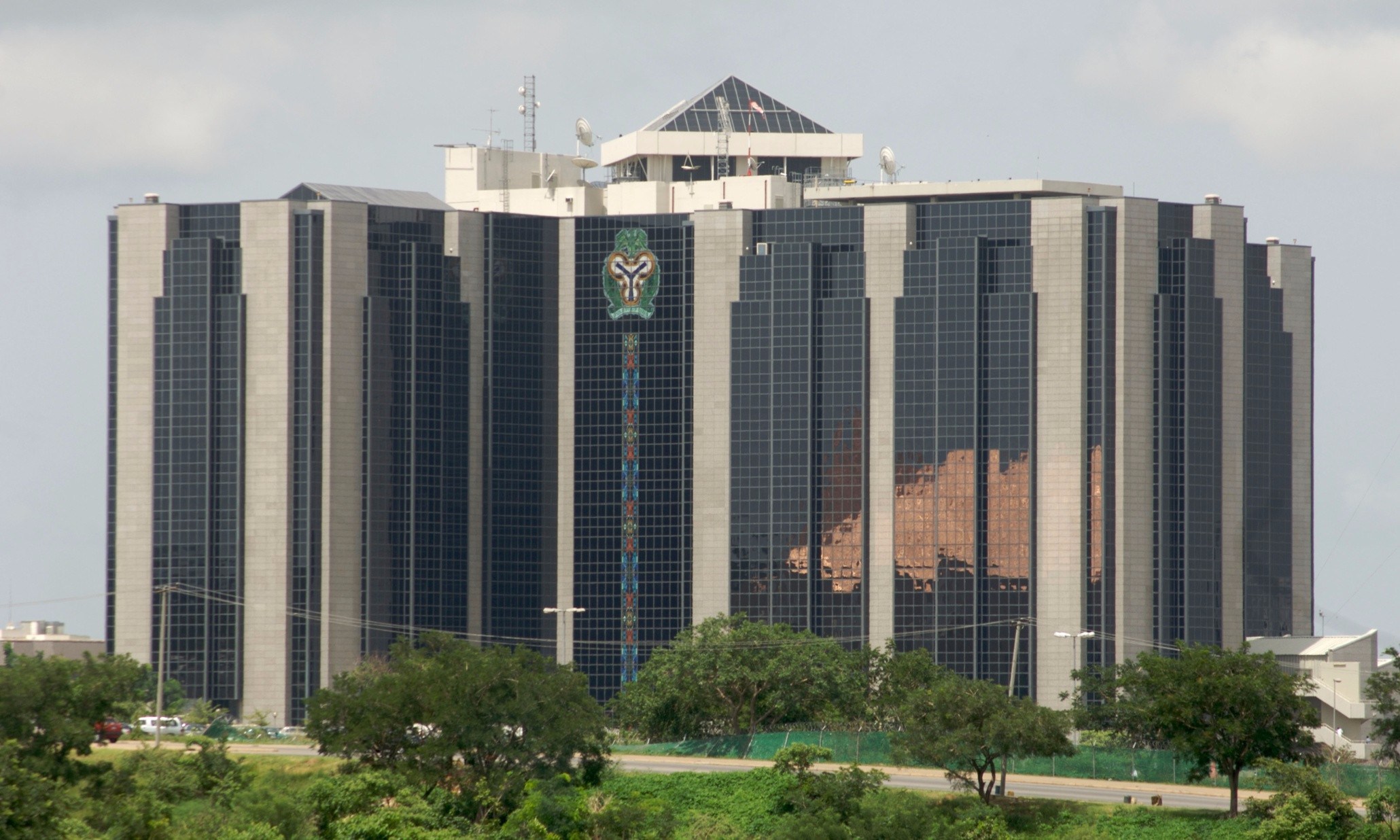
The Central Bank of Nigeria (CBN) has said 33 banks have met new minimum capital requirements under its now-closed recapitalisation programme, raising a combined N4.65 trillion to strengthen the Nigerian financial system.
The apex bank disclosed this in a statement on Wednesday, marking the end of the exercise, which commenced in March 2024 and drew participation from domestic and foreign investors.
The statement was jointly signed by the Director of Banking Supervision, Mrs Olubukola Akinwunmi, and the Acting Director of Corporate Communications, Mrs Hakama Sidi-Ali.
“Over the 24 months, Nigerian banks raised a total of N4.65 trillion in new capital, strengthening the resilience of the financial system and enhancing its capacity to support the economy,” the statement said.
The chief lender said local investors accounted for 72.55 per cent of the funds, while international investors contributed 27.45 per cent, reflecting continued confidence in the sector.
According to the statement, the Governor of the apex bank, Mr Yemi Cardoso, said, “The recapitalisation programme has strengthened the capital base of Nigerian banks, reinforcing the resilience of the financial system and ensuring it is well-positioned to support economic growth and withstand domestic and external shocks.”
It added that while 33 banks have complied with the new thresholds, a few others are still undergoing regulatory and legal processes.
The statement noted, “The CBN confirms that 33 banks have met the revised minimum capital requirements established under the programme.
“A limited number of institutions remain subject to ongoing regulatory and judicial processes, which are being addressed through established supervisory and legal frameworks.
“All banks remain fully operational, ensuring continued access to banking services for customers.”
The apex bank stressed that the exercise was executed without disrupting banking operations, ensuring uninterrupted access to services nationwide.
The lender further stated that key prudential indicators have improved, particularly capital adequacy ratios, which remain above global Basel benchmarks.
The minimum ratios were set at 10 per cent for regional and national banks and 15 per cent for banks with international licences.
The bank also said the recapitalisation coincided with a gradual exit from regulatory forbearance, a move it said improved asset quality, strengthened balance sheet transparency, and enhanced overall stability.
The CBN said it has reinforced its risk-based supervision framework, mandating periodic stress tests and adequate capital buffers for banks.
It added that supervisory and prudential guidelines would be reviewed regularly to strengthen governance, risk management, and resilience across the sector.
“The successful completion of the programme establishes a stronger and more resilient banking system, better positioned to support lending, mobilise savings, and withstand domestic and global shocks,” the statement said.

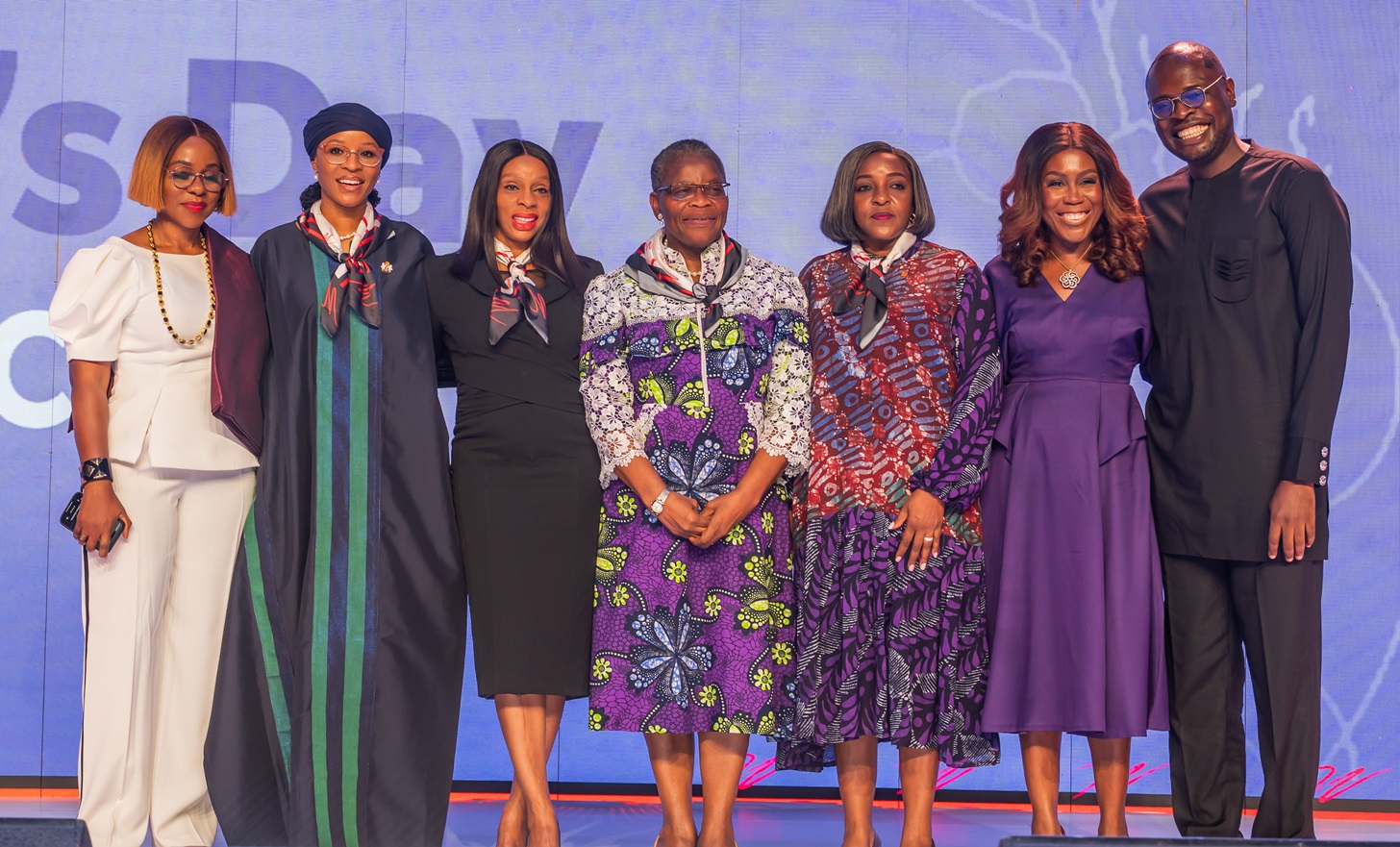
By Modupe Gbadeyanka
The chairman of Access Bank Plc, Mrs Ifeyinwa Osime, has called for deliberate and strategic investment in women as a catalyst for sustainable economic growth.
According to her, empowering women should be seen as a strategic economic decision rather than charity.
“When we speak of giving, it is about expanding access to finance, markets, knowledge and platforms that enable women to build sustainable businesses,” she said at an International Women’s Day Conference organised by Access Bank.
At the event, which attracted over 5,000 participants both physically and virtually, and attended by stakeholders across the public and private sectors, she noted that women own about 39 per cent of businesses in Nigeria and drive nearly
40 per cent of new enterprises, while small and medium enterprises contribute about 48 per cent of Gross Domestic Product (GDP) and over 80 per cent of employment.
Mrs Osime, however, decried the persistent financing gap facing women, describing it as a major constraint on productivity and economic growth.
“No economy can optimise its potential while underinvesting in half of its population,” she said, highlighting the bank’s interventions through its W Initiative and Womenpreneur Pitch-a-ton programme, which provides financing, training and healthcare support to thousands of women.
Also speaking at the programme, the Minister of Art, Culture, Tourism and the Creative Economy, Ms Hannatu Musawa, reiterated the government’s commitment to empowering women as key drivers of the nation’s creative economy, with a focus on expanding access to finance, skills development and leadership opportunities.
The Minister, represented by the Director-General of the Centre for Black and African Arts and Civilisation (CBAAC), Mrs Aisha Adamu, said women were increasingly taking the lead in building businesses, driving innovation and shaping society.
“Across Nigeria, women have always been the invisible architects of our culture, yet their contributions have been underrepresented and undervalued,” she said.
The Minister said the ministry was repositioning culture as a structured economic sector through creative hubs, skills development and enterprise support programmes targeting women in film, fashion, digital media and tourism.
On financing, Ms Musawa noted that women-owned businesses account for about 40 per cent of small and medium enterprises but continue to face significant funding gaps.
“Too many ideas remain small not because they lack potential, but because they lack access to capital,” she said, adding that the government was working to unlock targeted funding for women, strengthen market access and improve data systems to support women entrepreneurs, while also promoting their inclusion in leadership and policy-making processes.
Also, former Minister of Education, Mrs Oby Ezekwesili, stressed the need to prioritise women’s inclusion in development processes, noting that societies transform when critical issues such as women’s inclusion are deliberately prioritised.
“There is no other way societies have transformed than when people who care make an issue a priority,” she said, stressing that removing structural barriers limiting women’s participation would unlock significant economic potential, adding that agricultural output could increase by up to 30 per cent if women had equal access to inputs as men.
In the same vein, the Group Head for Women Banking at Access Bank, Mrs Nene Kunle-Ogunlusi, said the bank remained committed to supporting women across all segments.
She said the bank recently organised a special Women’s Day programme for market women in Oyingbo, Lagos, offering free health checks, beauty services and financial education.

By Adedapo Adesanya
The Central Bank of Nigeria (CBN) has directed banks to complete a mandatory cybersecurity self-assessment within three weeks.
In a letter dated March 30, 2026, and published on its website on Tuesday, the apex bank said, “Institutions are required to submit their completed CSAT within the following timelines: i. Three (3) weeks – Deposit Money Banks (DMBs); ii. Five (5) weeks – All other regulated institutions.”
The directive, addressed to banks, selected other financial institutions, and payment service providers, introduced a Cybersecurity Self-Assessment Tool to evaluate the cyber risk exposure of regulated entities.
The CBN stated that the move was in line with its statutory mandate under the Banks and Other Financial Institutions Act 2020 and its broader commitment to improving cybersecurity standards in the sector.
“The Central Bank of Nigeria, in furtherance of its statutory mandate under the Banks and Other Financial Institutions Act (BOFIA) 2020 and consistent with its commitment to strengthening cybersecurity resilience across the financial sector, hereby notifies all Deposit Money Banks, Payment Service Banks, Microfinance Banks, Payment Service Providers, Finance Companies, and Development Finance Institutions of the deployment of its Cybersecurity Self-Assessment Tool,” the letter read.
The apex bank explained that the CSAT is designed as a supervisory instrument to provide a comprehensive view of financial institutions’ cybersecurity posture.
It explained that the tool would assess critical areas, including governance structures, risk management frameworks, technology systems, third-party risk exposure, incident response capacity, and overall operational resilience.
“The CSAT is a structured supervisory instrument designed to obtain comprehensive information on the cybersecurity posture of regulated institutions,” the CBN said.
The bank added that insights generated from the exercise would support risk-based supervision and enhance regulatory oversight of cybersecurity threats within Nigeria’s financial ecosystem.
Earlier in December 2025, banks in Nigeria were urged to strengthen their cybersecurity systems as rising digital fraud continued to erode customer trust and slow the growth of the country’s digital banking sector.
In the latest update, the CBN told banks to ensure compliance, adding that all affected institutions must complete and submit the assessment through a dedicated portal, with access credentials to be communicated to their Chief Information Security Officers and other relevant officials.
“All submissions must be fully completed and accompanied by relevant supporting documentation, where applicable,” it stated, noting that the data to be provided must reflect institutions’ positions as of December 31, 2025.
The CBN also issued a warning against false or incomplete disclosures, stressing that accuracy and transparency would be strictly enforced.
“Supervised institutions are reminded that all information submitted to the CBN must be accurate, complete, and verifiable. Submission of false, misleading, or inaccurate information constitutes a regulatory breach and will attract appropriate sanctions,” the letter added.
It also disclosed plans to validate submissions through off-site reviews and supervisory engagements to confirm the data’s reliability.
The directive, which takes immediate effect, signals tighter regulatory scrutiny of cyber risks in the banking sector amid rising digital transactions and increasing exposure to cyber threats.












-
 Feature/OPED6 years ago
Davos was Different this year
-
Travel/Tourism10 years ago
Lagos Seals Western Lodge Hotel In Ikorodu
-

 Showbiz3 years ago
Estranged Lover Releases Videos of Empress Njamah Bathing
-
 Banking8 years ago
Sort Codes of GTBank Branches in Nigeria
-

 Economy3 years ago
Subsidy Removal: CNG at N130 Per Litre Cheaper Than Petrol—IPMAN
-

 Banking3 years ago
Sort Codes of UBA Branches in Nigeria
-

 Banking3 years ago
First Bank Announces Planned Downtime
-

 Sports3 years ago
Highest Paid Nigerian Footballer – How Much Do Nigerian Footballers Earn