Brands/Products
Why Automated Dashboard is Falling Short in PR Measurement
By Philip Odiakose
Public relations is an integral part of any organization’s communication strategy. It involves creating and maintaining a positive image of the brand in the minds of the target audience. PR professionals use various tactics, such as media relations, influencer marketing, and content creation, to achieve their goals.
However, measuring and evaluating the effectiveness of these tactics is crucial to understanding the return on objective (ROO) and making data-driven decisions.
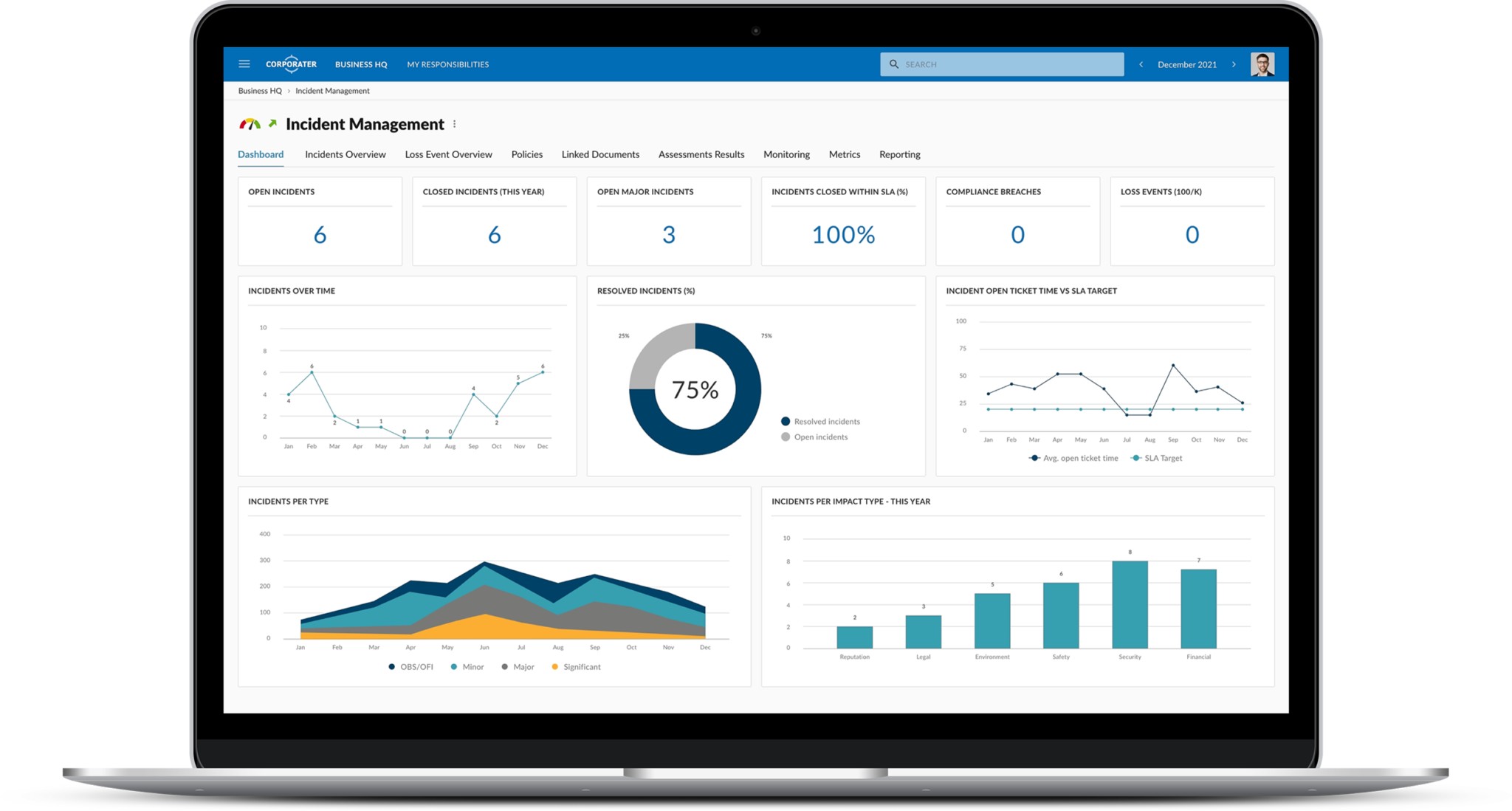
In recent years, many PR professionals have turned to automated dashboards to measure and analyze their PR metrics. While these dashboards offer a level of convenience, they are falling short in PR measurement. In this article, I will explore why automated dashboards are not the silver bullet for PR measurement.
- Lack of Customization
One of the major drawbacks of automated dashboards is the lack of customization. These dashboards are designed to be a one-size-fits-all solution, which means that they may not capture all the metrics that are relevant to a particular PR campaign or engagement.
For instance, if a company is running a campaign to increase its media presence, the automated dashboard may not track all the relevant metrics, making it difficult to gauge the campaign’s success accurately. Automated dashboards may also not take into account the specific goals and objectives of the PR campaign, resulting in incomplete data and inaccurate results.
- Inability to Measure the Quality of Coverage
Automated dashboards are designed to measure the quantity of media coverage, such as the number of mentions, shares, or likes. However, they are unable to measure the quality of the coverage. Quality metrics, such as tone, message penetration, and audience reach, are essential for PR professionals to determine the effectiveness of their campaigns.
Automated dashboards may miss crucial quality metrics that could impact the PR campaign’s success. For example, a high number of media mentions may seem positive, but if the tone of the coverage is negative, it could harm the brand’s image and reputation.
- Lack of Human Analysis
Automated dashboards rely on algorithms to analyze data, which may not always produce accurate results. There are certain nuances and context-specific factors that can only be identified by human analysis. For example, a spike in media coverage for a particular brand could be due to negative news coverage, which an automated dashboard may not be able to differentiate from positive coverage.
Human analysis is necessary to understand the context and nuances of PR measurement accurately. Automated dashboards may also miss out on important trends and patterns that require a human touch to identify and analyze.
- Inability to Integrate with Other Data Sources
PR measurement is not just about measuring media coverage. It requires integration with other data sources, such as web analytics, sales data, and customer feedback. Automated dashboards may not be able to integrate with all these sources, making it difficult for PR professionals to get a holistic view of the campaign’s effectiveness.
For instance, if a PR campaign is designed to increase sales, the automated dashboard may not be able to connect the media coverage to the actual sales figures, leading to incomplete data and inaccurate results.
- Lack of Actionable Insights
Automated dashboards provide a lot of data, but they may not provide actionable insights. PR professionals need insights to make data-driven decisions and improve their campaigns. Automated dashboards may not provide insights that are specific to the campaign’s objectives, making it difficult to improve and optimize the campaign.
PR professionals need insights that can help them identify what is working and what is not and make adjustments accordingly. Automated dashboards may not be able to provide such insights, resulting in incomplete data and inaccurate results.
In conclusion, automated dashboards may offer a level of convenience in PR measurement, but they are falling short of providing accurate, comprehensive, and actionable insights.
PR professionals should opt for Media Intelligence Consultants that provide human analysis and measure both the quantity and quality of media coverage. Such solutions can help PR professionals make data-driven decisions and improve their campaigns’ effectiveness.
Philip Odiakose is the Chief Insights Consultant at P+ Measurement Services, a Media Intelligence Consultancy in Lagos state, Nigeria.
Brands/Products
Airtel Engages Customers on Concerns Around Data Usage, Others
By Modupe Gbadeyanka
On Tuesday, April 14, 2026, customers of Airtel Nigeria felt more involved and loved when the telecommunications company gathered them together at the Lagos Travel Inn Hotel in Ikeja to discuss some of their concerns, especially around data usage, transparency and their experience with its services.
It was the first-ever Customer Forum of Airtel Nigeria in Lagos, where regulators, high-volume data subscribers, 5G customers, and other key stakeholders learned ways to tackle the issue of data depletion.
The event, themed Understanding Your Data: How to Take Control, also highlighted Airtel Nigeria’s ongoing investments in customer experience, including enhanced digital tools, clearer usage dashboards, and expanded retail and support networks aimed at improving transparency and accessibility.
“This is our very first customer forum, and it is more than an event. It is a bold statement that in today’s digital economy, the most important voice is the informed customer,” the Director of Marketing at Airtel Nigeria, Mr Ismail Adeshina, said.
He emphasised that while data has become central to everyday life, from business transactions to education and healthcare, concerns around data value and consumption remain valid and must be addressed transparently.
“Data is no longer a luxury; it is a necessity as essential as electricity and water. However, as usage grows, customers are asking an important question: “Am I truly getting value for the data I purchase? This is not just a technical issue; it is a matter of trust,” Mr Adeshina added.
He further explained that evolving usage patterns, including high-definition video streaming, cloud-based applications, and background app activity, have significantly increased data consumption compared to previous years. According to him, the forum was designed as both a listening platform and an educational session to help customers better understand how their data is used.
“We are here to listen, to explain clearly, and to provide evidence. When customers understand how their data is consumed, it shifts the experience from uncertainty to control and from frustration to confidence,” he further disclosed.
On her part, the Director of Customer Affairs Bureau at the Nigerian Communications Commission (NCC), Ms Freda Ruth Bruce-Bennett, reaffirmed the regulator’s commitment to protecting consumer interests and ensuring service quality across the industry, noting that data consumption has become deeply integrated into daily life, making any perceived loss of data a significant concern for users.
“We understand that data is central to how people live and work today, which is why concerns around data depletion are taken seriously. The NCC has put mechanisms in place to ensure that consumers receive the quality of service they deserve and that their voices are heard,” she said.
Ms Bruce-Bennett encouraged customers to take advantage of the NCC’s consumer portal, which provides guidance on data management and a platform for lodging complaints.
“There is an A to Z of data management tips available on the NCC portal, and we encourage consumers to use it. We also continue to work closely with operators like Airtel to ensure that complaints are addressed promptly and transparently,” she added.
On customer engagement and service delivery, the Customer Experience Director at Airtel Nigeria, Mr Oladokun Oye, highlighted the company’s multi-channel approach to supporting customers across the country.
“At Airtel Nigeria, customer experience is not just a function; it is embedded across everything we do. From our network design to how we communicate and resolve issues, the customer remains at the centre,” he said.
He noted that Airtel maintains one of the most extensive customer touchpoint networks in Nigeria, including over 1,000 exclusive shops, a dedicated contact centre accessible via 300, and multiple digital platforms such as the MyAirtel App, web channels, and AI-powered chatbots.
“These channels are designed to provide not just service, but clarity and understanding. We are also continuously improving our digital platforms to ensure customers can track and manage their usage in real time,” Oye added.
He further advised customers to engage only with authorised Airtel outlets to ensure service quality and protect personal information.
The Airtel Customer Forum forms part of a broader industry effort, in collaboration with the NCC, to promote data awareness, transparency in billing, and improved customer education.
By creating a platform for open dialogue, Airtel Nigeria is reinforcing its shift from a transactional relationship with customers to a more collaborative and informed partnership.
The company noted that insights from the forum will inform future improvements in service delivery, customer communication, and digital tools, as it continues to support Nigeria’s journey towards a more inclusive and transparent digital economy.
Brands/Products
NAFDAC Warns Consumers Against Fake Colgate Brand in Circulation
By Adedapo Adesanya
The National Agency for Food and Drug Administration and Control (NAFDAC) has alerted the public to the distribution of unregistered and suspected counterfeit Colgate toothpaste brand in Nigeria.
In a public notice shared on X (formerly Twitter), the agency said its Post-Marketing Surveillance Directorate received a complaint regarding the sale of the products in Kaduna State by a shop owner.
Following an investigation, officials of the food and drugs surveillance organisation visited the outlet and discovered two suspected counterfeit products branded as Coglaet ActivGel 100g and Coglaet Herbal 100g. The spellings were not only the indicator, but the production standards.
According to the agency, the shop owner disclosed that the items were sourced from a door-to-door sales representative but could not provide proof of purchase.
NAFDAC stated that the products failed to meet regulatory standards for registration and quality assurance, warning that they pose potential risks to public health and safety. It also added that the stated manufacturer could be traced to Baiyun District, Guangzhou, China.
The agency confirmed that the items have been removed from circulation, while efforts are ongoing to trace those responsible for their distribution.
NAFDAC urged consumers to remain vigilant and report any suspected sale of substandard or counterfeit regulated products to the nearest office, via its hotline or official email channels.
In a statement, NAFDAC said, “All NAFDAC zonal directors and state coordinators have been instructed to conduct surveillance and mop up the unregistered and counterfeited products if found within their zones and states.
“Distributors, retailers, and consumers are hereby advised to exercise caution and vigilance within the supply chain to avoid the distribution, sale, and use of counterfeit products. The products’ authenticity and physical condition should be carefully checked.”
Consumers are advised to report any suspicion of the sale of substandard, falsified, or counterfeit regulated products to the nearest NAFDAC office, call NAFDAC on 0800-162-3322, or via email: [email protected]. For complaints, the Reforms Unit can be reached: 09097630506, 09097630507, or email: [email protected]
Brands/Products
Airtel Nigeria Suspends Airtime, Data Lending Services
By Modupe Gbadeyanka
Barely 24 hours after MTN Nigeria announced the suspension of its data and airtime lending services, another operator, Airtel Nigeria, has followed suit.
In a statement on Friday by its Director of Corporate Communications & CSR, Mr Femi Adeniran, Airtel Nigeria said it would not no longer offer the airtime and data credit services for now.
However, the company noted that customers will continue to enjoy uninterrupted access to airtime and data purchases through its existing channels.
The Federal Competition and Consumer Protection Commission (FCCPC) introduced new rules on lending services in the country, and in compliance with this, telecommunications companies had to suspend rendering the services.
The affected services allowed eligible prepaid customers to borrow airtime or data and repay on their next recharge.
The Director of Marketing at Airtel Nigeria, Mr Ismail Adeshina, in the statement, noted the suspension of the services was to “align our operations with evolving requirements.”
“Airtel Nigeria remains committed to the highest standards of compliance, transparency, and consumer protection, while continuing to innovate responsibly within Nigeria’s digital ecosystem,” he added.
The telco noted that the temporary suspension is not expected to have a material impact on its service standards across the country, promising to provide updates on the status of the service in due course.
-
Feature/OPED6 years agoDavos was Different this year
-
Travel/Tourism10 years ago
Lagos Seals Western Lodge Hotel In Ikorodu
-
Showbiz3 years agoEstranged Lover Releases Videos of Empress Njamah Bathing
-
Banking8 years agoSort Codes of GTBank Branches in Nigeria
-
Economy3 years agoSubsidy Removal: CNG at N130 Per Litre Cheaper Than Petrol—IPMAN
-
Banking3 years agoSort Codes of UBA Branches in Nigeria
-
Banking3 years agoFirst Bank Announces Planned Downtime
-
Sports3 years agoHighest Paid Nigerian Footballer – How Much Do Nigerian Footballers Earn