
Economy
Cellini’s Rapid South Korea Expansion Driven by Strong Local Demand for High-Quality, Sustainable Furniture


Meeting the Needs of a Growing Market
Nestled within a prominent furniture cluster, Cellini Ilsan caters to the housing market boom in North-west Seoul, encompassing Goyang, Incheon, Bucheon, and Gimpo.
Cellini’s comprehensive offerings cater to every life stage, with past reviews praising the diverse catalogue, friendly staff, and reliable delivery service:
“I bought beautiful furniture for our newlywed home. We visited all the domestic brands but couldn’t decide on any. However, at Cellini, we were satisfied with the design, durability, and price. I wish we had come here sooner!”
“First of all, the staff are incredibly friendly. The product arrived within the delivery time they provided. The quality is excellent for the price.”
Sustainable Style for the Modern Home
Customers at Cellini Ilsan can explore everything from dining room sets to space-saving beds, all crafted with sustainability in mind. Cellini has even been awarded the prestigious Singapore Furniture Industries Council (SFIC) Sustainable Furniture Mark, recognising its efforts in responsible sourcing, using eco-friendly materials, and ensuring ethical production processes.
Knowledgeable staff are on hand to provide personalised guidance and assistance, ensuring customers find the perfect pieces to complement their homes and lifestyles.
Cellini Ilsan is located at 1dong CELLINI, 39, Gyeongui-ro 917beon-gil, Ilsanseo-gu, Goyang-si, Gyeonggi-do, Republic of Korea. The store will officially open its doors on 7th December, 2024. Find out more at https://cellinidesign.co.kr/ or https://www.cellini.com.sg.
Hashtag: #Cellini
 https://www.cellini.com.sg
 https://www.linkedin.com/company/www.cellini.com.sg/
 https://www.facebook.com/CelliniFurniture/
 https://www.instagram.com/cellinifurniture
The issuer is solely responsible for the content of this announcement.
Cellini
Cellini is a designer furniture brand that curates inspiration for all modern homes. Founded in Singapore in 1986, Cellini has always been passionate about art, connecting people to the creative works of skilled artisans and local designers. Designed and produced by its team, Cellini offers quality craftsmanship, exclusive designs, and timeless furniture pieces, all powered and manufactured by new technology and top-quality materials. Cellini’s furniture showrooms boast specially curated pieces that are second to none in terms of quality craftsmanship. For more information, please visit: https://www.cellini.com.sg/.



By Adedapo Adesanya
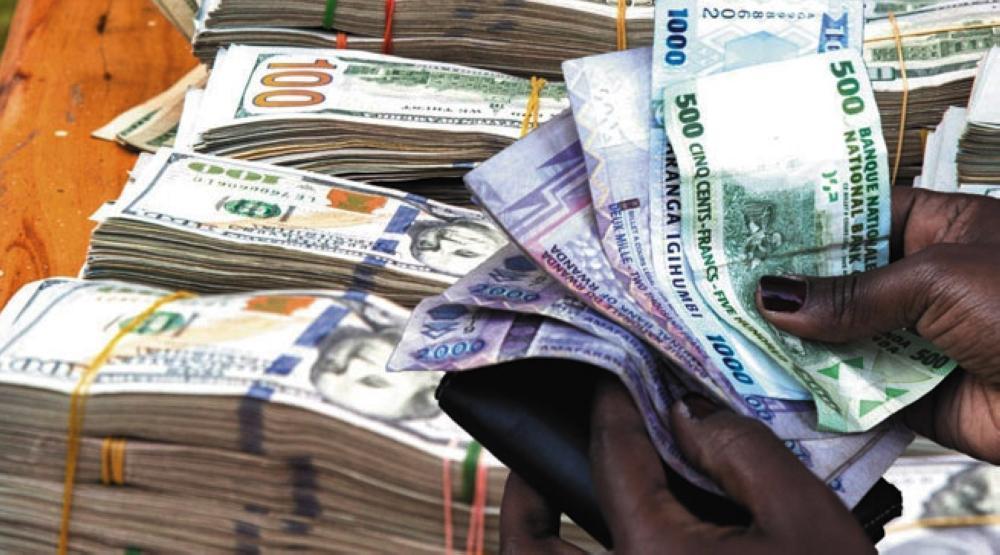
The Minister of Finance and Coordinating Minister of the Economy, Mr Wale Edun, has raised concern over Africa’s mounting revenue losses, warning that the continent forfeits an estimated $88 billion annually to illicit financial flows (IFFs), a development he described as a critical threat to sustainable growth.
Speaking at the 5th Session of the Sub-Committee on Tax and Illicit Financial Flows of the African Union on Tuesday in Abuja, Mr Edun said the persistent outflows continue to deprive African countries of vital resources required for infrastructure, healthcare, and overall economic development.
The high-level meeting, held at Transcorp Hilton Abuja, brought together policymakers, tax administrators, and development partners to examine strategies for strengthening fiscal systems amid evolving global economic uncertainties.
Mr Edun stressed the need for African countries to reduce reliance on external financing sources such as debt, aid, and foreign investment, noting that these options are becoming increasingly unpredictable. He maintained that domestic resource mobilisation must serve as the foundation for long-term economic sustainability.
“Our ambition is to finance up to 90 per cent of Africa’s development needs from domestic resources,” he said, referencing the continent’s Agenda 2063 development framework.
He identified structural challenges, including tax evasion, weak institutional capacity, and limited economic diversification, as key impediments, while emphasising that curbing illicit financial flows remains central to unlocking Africa’s fiscal potential.
Highlighting ongoing reforms under President Bola Tinubu, Mr Edun noted that measures such as tax system reforms, fuel subsidy removal, and exchange rate unification are beginning to improve revenue performance and boost investor confidence.
He added that initiatives like the National Single Window are helping to reduce trade-related leakages, while enhanced international tax cooperation is supporting efforts to recover lost revenues. He also cited Executive Order 9 as a key policy aimed at strengthening transparency in the oil and gas sector.
Calling for broader continental action, Mr Edun urged African nations to expand their tax base, strengthen public financial management systems, and deepen financial inclusion. He listed institutional strengthening, digital infrastructure investment, and cross-border collaboration as critical reform priorities.
“The question is no longer whether we must reform, but how urgently and how boldly we act,” he said, warning that failure to act could leave African economies exposed to external shocks.
On his part, the Executive Chairman of the Nigeria Revenue Service, Mr Zacch Adedeji, called for urgent steps to safeguard domestic resources and address widening financing gaps across the continent.
Mr Adedeji noted that illicit financial flows ranging from tax evasion and trade mispricing to aggressive tax avoidance continue to weaken Africa’s capacity to fund critical sectors such as infrastructure, healthcare, and education.
“Every year, billions meant for development are lost through illegal financial transfers. These are lost hospitals, lost schools, and lost opportunities,” he said.
He stressed that the cross-border nature of illicit flows requires coordinated responses at both national and continental levels, adding that Nigeria is pursuing reforms to modernise revenue administration through expanded tax coverage, improved compliance, and digital innovation.
According to him, efficient and transparent tax systems are essential not only for revenue generation but also for strengthening public trust in government institutions.
By Adedapo Adesanya
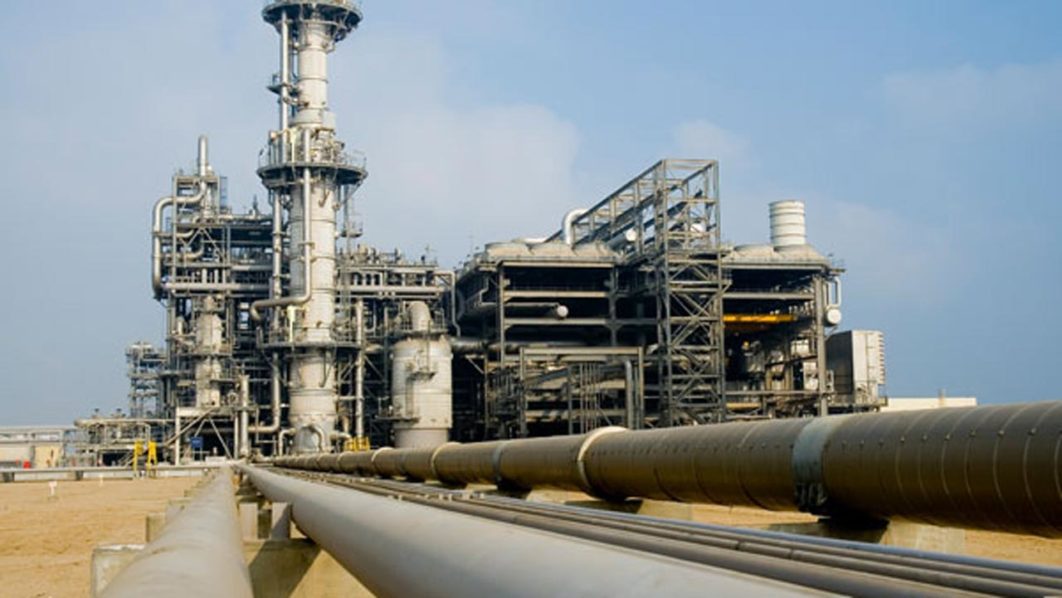
The Nigerian Midstream and Downstream Petroleum Regulatory Authority (NMDPRA) has raised the natural gas price for power generation companies (GenCos) to $2.18 per million metric British thermal units (MMBTU).
This marks a $0.05/MMBTU hike from the earlier rate of $2.13 per MMBTU.
In a circular released on Tuesday, the regulator outlined the updated domestic base price (DBP) and wholesale natural gas prices for 2025.
The DBP represents the lowest price at which natural gas can be offered in the domestic market.
The document states that the adjustment will begin today (April 1, 2026).
“Taking into account the Petroleum Industry Act (PIA) provisions, current market conditions, and the official Gas Pricing and Domestic Demand Regulations, the NMDPRA sets the new Domestic Base Price at USD 2.18/MMBtu, along with wholesale prices for the strategic sector, starting April 1, 2026,” the circular stated.
In the directive signed by NMDPRA CEO, Mr Saidu Mohammed, the regulator also indicates that commercial buyers will now pay $2.68 per MMBTU, up from $2.63 per MMBTU previously.
Additionally, the authority fixed prices for gas-based industries (such as ammonia, urea, methanol, and low-sulphur diesel) at a floor of $0.90 per MMBTU and a ceiling of $2.18 per MMBTU.
NMDPRA explained that the domestic base price at the marketable gas delivery point—per section 167(1) of the PIA—follows regulations based on key principles:
“a) A rate sufficient to encourage upstream producers to voluntarily supply enough gas to the domestic market.
“b) No higher than the average natural gas prices in major emerging producer nations.
“c) Based on the lowest supply costs under a three-tier framework.
“d) Aligned with market rates and international benchmarks.”
This change could affect the country’s power sector, already strained by massive debt and a lack of gas supply.
Last month, the Association of Power Generation Companies (APGC), an umbrella body for power generation companies, warned that gas suppliers might halt deliveries to thermal plants due to debt of around N6.5 trillion.
The federal government disclosed plans in December to raise N1.23 trillion by the first quarter (Q1) of 2026 to settle verified arrears owed to generation companies and gas suppliers. On January 27, the government said it had successfully issued a N501 billion inaugural bond under the presidential power sector debt reduction programme (PPSDRP).
However, the APGC has said that this is inadequate, comparing the debt to “garri soaked in water.”
By Adedapo Adesanya
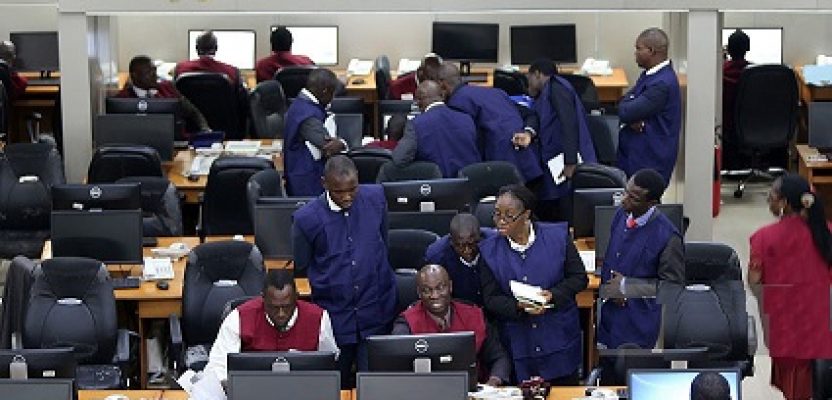
The NASD Over-the-Counter (OTC) Securities Exchange further declined by 0.23 per cent, with the Unlisted Security Index (NSI) down by 9.63 points on Tuesday, March 31, to 4,100.11 points from 4,109.74 points.
In the same vein, the market capitalisation went down by N5.76 billion to finish at N2.453 trillion from the N2.458 trillion it closed a day earlier.
The mood of the market was flat yesterday as there were three price losers and three price gainers, led by Central Securities Clearing System (CSCS) Plc, which gained N1.51 to sell at N78.68 per unit compared with the previous day’s N77.17 per unit. UBN Property Plc appreciated by 15 Kobo to N2.20 per share from N2.05 per share, and Geo-Fluids Plc improved by 3 Kobo to N3.25 per unit from N3.22 per unit.
On the flip side, 11 Plc lost N31.05 to close at N285.00 per share versus Monday’s closing price of N316.50 per share, FrieslandCampina Wamco Nigeria Plc dropped 95 Kobo to trade at N98.05 per unit versus N99.00 per unit, and Industrial and General Insurance (IGI) Plc went down by 2 Kobo to 52 Kobo per share from 57 Kobo per share.
During the trading day, the volume of securities jumped by 137.9 per cent to 50.8 million units from 21.3 million units, the number of deals rose 28.9 per cent to 49 deals from the preceding session’s 38 deals, while the value of securities went down by 65.2 per cent to N226.9 million from N651.1 million.
CSCS Plc remained the most traded stock by value (year-to-date) with 56.8 million units worth N3.8 billion, followed by Okitipupa Plc with 27.5 million units valued at N1.8 billion, and Infrastructure Guarantee Credit Plc with 400 million units traded for N1.2 billion.
Resourcery Plc was the most traded stock by volume (year-to-date) with 1.1 billion units sold for N415.7 million, followed by Infrastructure Guarantee Credit Plc with 400 million units transacted for N1.2 billion, and Geo-Fluids Plc with 183.0 million units exchanged for N673.8 million.











-
 Feature/OPED6 years ago
Davos was Different this year
-
Travel/Tourism10 years ago
Lagos Seals Western Lodge Hotel In Ikorodu
-

 Showbiz3 years ago
Estranged Lover Releases Videos of Empress Njamah Bathing
-
 Banking8 years ago
Sort Codes of GTBank Branches in Nigeria
-

 Economy3 years ago
Subsidy Removal: CNG at N130 Per Litre Cheaper Than Petrol—IPMAN
-

 Banking3 years ago
Sort Codes of UBA Branches in Nigeria
-

 Banking3 years ago
First Bank Announces Planned Downtime
-

 Sports3 years ago
Highest Paid Nigerian Footballer – How Much Do Nigerian Footballers Earn