
Economy
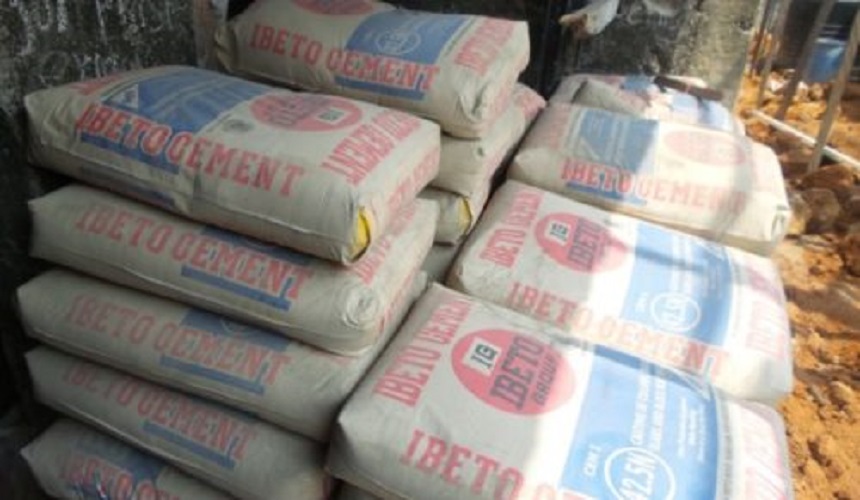
Ibeto Cement Plans Public Listing with $850m Investment Deal with Milost

By Dipo Olowookere
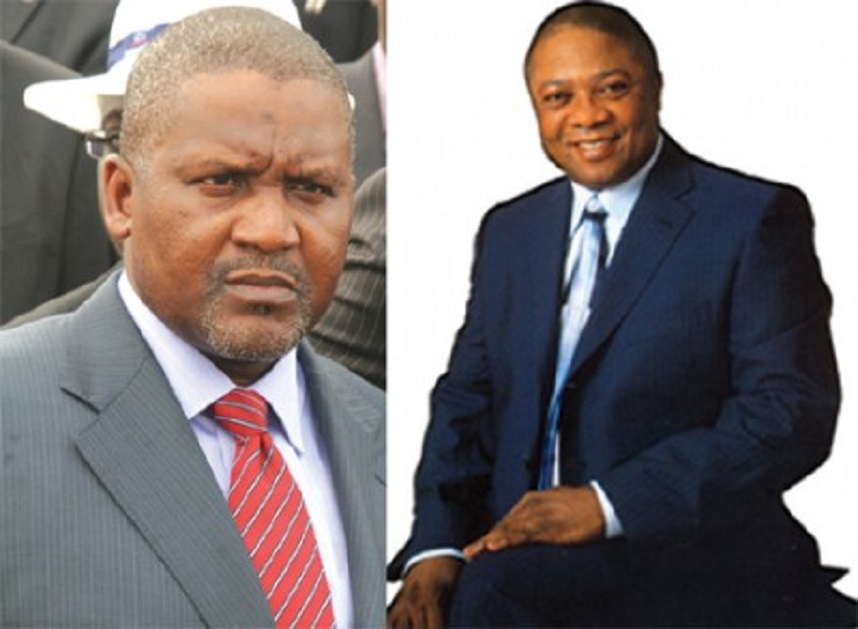
Nigerian billionaire businessman, Mr Cletus Ibeto, is planning to expand his cement business, Ibeto Cement Company Limited, to the global market.
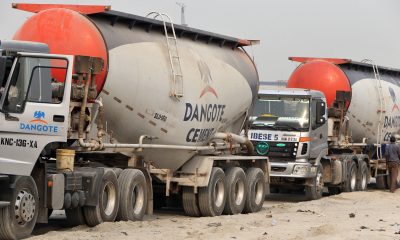
Ibeto Cement, which was pushed out of the Nigerian market by Dangote Cement, is planning to seal a $850 million financing deal with an American private equity firm, Milost Global Incorporated.
A statement issued on Thursday by Milost Global and obtained by Business Post revealed that Mr Ibeto has already executed a binding Milost Equity Subscription Agreement (MESA) with Milost Global for the $850 million deal.
It was gathered that the amount comprises $500 million in equity and $350 million in debt.
In addition, Ibeto, according to the statement, has started the process of going public a reverse merger in the United States as efforts to become a publicly traded company.
“On Friday May 25, the Nigerian Dollar Billionaire Chief Cletus Ibeto will personally consummate the acquisition of a publicly traded company the he will used to reverse the assets of his cement business in America, the final acquisition and definitive agreements have already been executed,” Milost Global said in the statement.
It was disclosed that the public listing will allow Ibeto Cement to raise enough capital in the US public markets outside the Milost financing as well and put the company in the forefront of the cement industry in Africa as Mr Ibeto plans to grow the company beyond west Africa through the acquisition of other profitable cement businesses outside Nigeria within the next 12 months, which would be done at the back for the development of the two new plants.
Commenting on the new development, Mr Ibeto said, “Our key strategic objective in the vast and extensive development of the cement business in Nigeria and the West African sub-region is to make cement affordable to all Nigerians and tiers of government in such a way that they should be able to develop modest homes for themselves and their families inclusive of road infrastructure.
“As far as I am concerned and with the knowledge I have and what I know in this business, the cement business is an investors’ haven especially in Nigeria and a much more profitable business than even crude oil where a lot of people think is the best place to invest.
“This probably explains why the few people in the business have deliberately created very strong barriers to entry into the industry for prospective investors.
“It is therefore my honest belief that this reverse merger will enable us to accomplish this objective. In the end and, in line with our strategic intent and objective, we are geared to be a world-class cement company in terms of quality, affordability, innovation, service, environment, safety, and corporate governance and also to be a part of building the country’s needed infrastructure all of which certainly guarantees good returns on investment for the stakeholders.”
On his part, the Senior Partner & CIO of Milost Global, Mr Solly S. Asibey, stated that, “International equity, coupled with the diversification of our investment portfolio is key to our strategy for growth in emerging markets. Excellence, innovation, unparalleled strategy, industry knowledge, favourable IRR and strong leadership epitomises the partnership between Milost and Chief Cletus Ibeto.
“This is a great investment opportunity for Milost, and the financial engineering behind the structuring of the transaction will catapult Ibeto Cement to exceptional heights.”
Also commenting, Managing Partner & CEO of Milost Global, Mr Kim Freeman, said that, “Ibeto Cement is an important investment for Milost in Nigeria and indeed Africa. We expect this transaction to provide a template for our other investments in Africa which will continue to enhance the value of the companies we invest in as well as value for our investors.”
Business Post gathered that the transaction was solely advised by Palewater Advisory Group.
Will This Brew Another Cement War in the Industry?
This news will likely start another round of cement war between old rivals; Ibeto Cement and Dangote Cement, which currently trades on the floor of the Nigerian Stock Exchange (NSE).
However, one question observers will ask is if Ibeto can dislodge Dangote Cement from the cement business first in Nigeria and then in Africa?
This is because Dangote Cement controls about 65 percent of the market share, leaving the rest to Lafarge Africa and others.
Let’s hear your view on this.







By Modupe Gbadeyanka
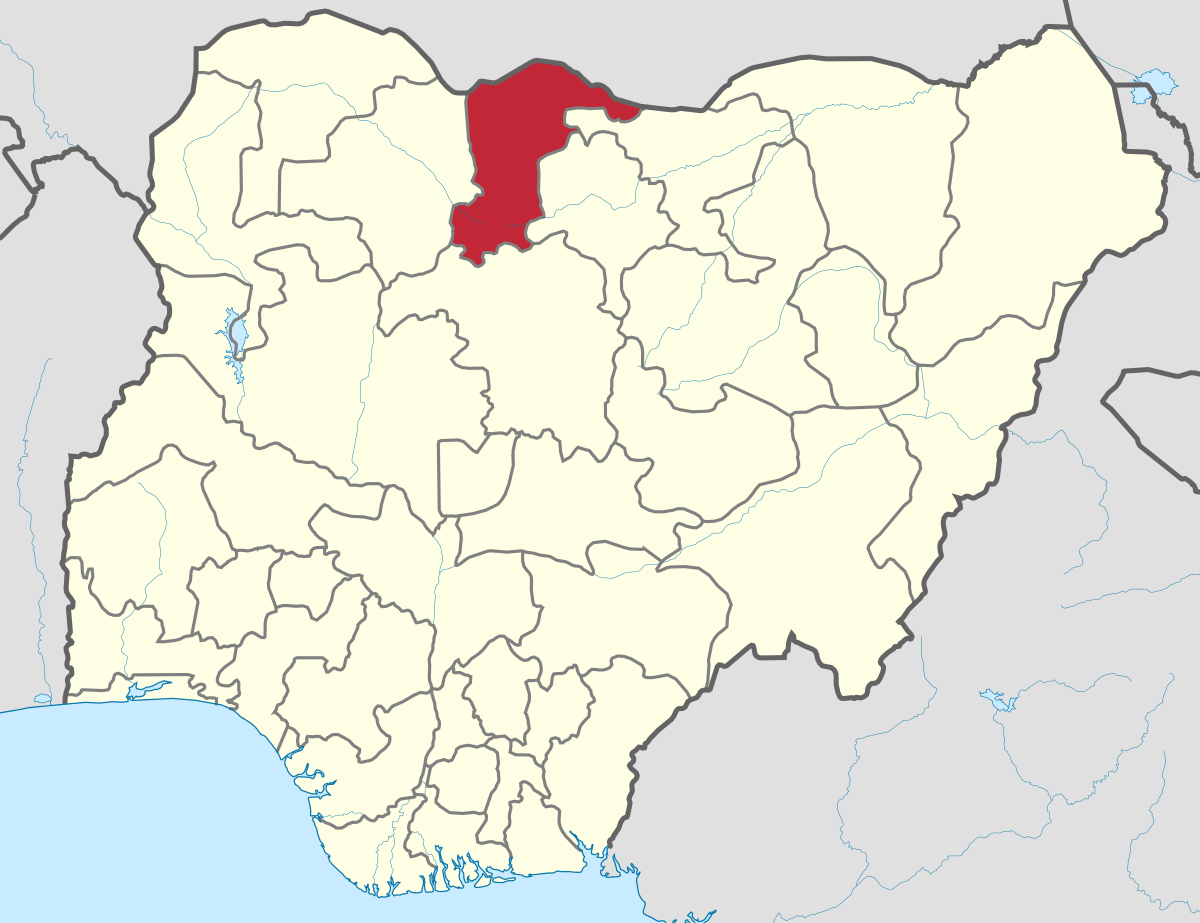
The Katsina State government has offered additional N500 million to support women-owned businesses in the state as part of efforts to boost economic activities.
Governor Dikko Umaru Radda announced this at the Women of Influence and Investment Summit hosted by the Katsina Inner Wheel Development Initiative (KIWDI), in partnership with Access Bank Plc.
The event brought together women entrepreneurs, investors, policymakers, and development partners to advance women’s economic empowerment in the state.
The summit, themed Where Influence Meets Investment, focused on positioning women as key drivers of enterprise, leadership, and inclusive growth. It also highlighted the growing collaboration between Access Bank and the Katsina State Government on financial inclusion and SME development.
Mr Radda noted that investing in women was critical to building a productive and sustainable economy.
In her welcome address, the founder of KIWDI, Ms Amina Zayyana, said the summit was designed to connect women to opportunities, training, finance, and markets, stressing that when women-led businesses grow, families and communities benefit.
On her part, the Group Head of Women Banking at Access Bank, Mrs Nene Kunle-Ogunlusi, said the lender was proud to partner with Katsina State and KIWDI in advancing women’s economic participation.
“At Access Bank, we are committed to moving women from potential to prosperity. Through our Women Banking proposition and the ‘W’ Initiative, we provide access to finance, capacity building, and market linkages that help women start, stabilise, and scale their businesses,” she said.
She noted that the W Initiative, launched in 2014, is Access Bank’s flagship women- focused platform, designed to meet the real needs of women entrepreneurs and professionals across Nigeria and Africa.
“Our partnership with Katsina State goes beyond banking. It is about supporting economic empowerment, SME growth, and financial inclusion, especially for women,” she added.
Mrs Kunle-Ogunlusi noted that Access Bank was proud to participate not just as a financial institution, but as a long-term partner in women’s economic advancement across Nigeria and Africa.
“At Access Bank, we made a deliberate decision to change that, not with charity, but with strategy. Not with sympathy, but with solutions. The W Initiative, which was launched in 2014, is Access Bank’s flagship women-focused proposition, created to respond to the real needs of women,” she said.
The banker disclosed that through the W Initiative, the bank has disbursed over N314 billion in loans to women, supporting over 3.6 million female loan beneficiaries, and helping women-owned businesses start, stabilise, and scale up.

By Adedapo Adesanya
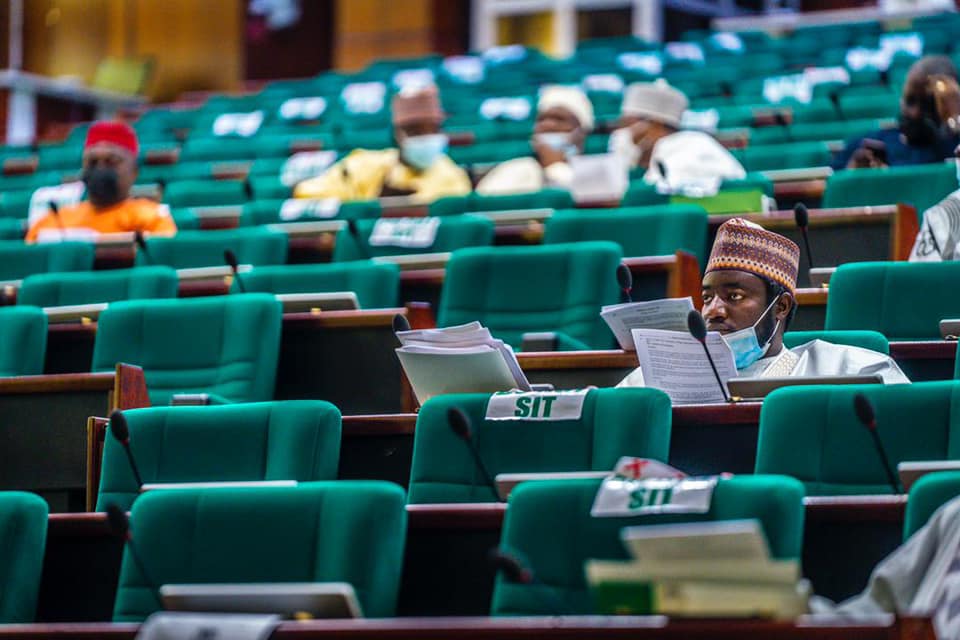
The House of Representatives Public Accounts Committee (PAC) has recommended zero allocation for the Standards Organisation of Nigeria (SON), the National Insurance Commission (NAICOM), and the Corporate Affairs Commission (CAC), among others, in the 2026 budget for allegedly failing to account for public funds appropriated to them.
The committee, at an investigative hearing, accused the affected ministries, departments and agencies (MDAs) of shunning invitations to respond to audit queries contained in the Auditor-General for the Federation’s annual reports for 2020, 2021 and 2022.
The affected MDAs include the Federal Housing Authority (FHA), the Federal Ministry of Housing and Urban Development, the Federal Ministry of Women Affairs and Social Development, the National Business and Technical Examinations Board (NABTEB), and the Nigerian Meteorological Agency (NiMet).
Others are Federal University of Gashua; Federal Polytechnic, Ede; Federal Polytechnic, Offa; Federal Medical Centre, Owerri; Federal Medical Centre, Makurdi; Federal Medical Centre, Bida; Federal Medical Centre, Birnin Kebbi; Federal Medical Centre, Katsina; Federal Government College, Kwali; Federal Government Boys’ College, Garki, Abuja; Federal Government College, Rubochi; Federal College of Land Resources Technology, Owerri; Council for the Regulation of Freight Forwarding in Nigeria; and the FCT Secondary Education Board.
The PAC chairman, Mr Bamidele Salam, while speaking on the decision of the committee to recommend a zero budget for the defaulting MDAs, stated that the National Assembly should not continue to appropriate public funds to institutions that disregard accountability mechanisms.
“Public funds are held in trust for the Nigerian people. Any agency that fails to account for previous allocations, refuses to submit audited accounts, or ignores legislative summons cannot, in good conscience, expect fresh budgetary provisions. Accountability is not optional; it is a constitutional obligation,” he said.
The panel maintained that its recommendation for a zero budget for the affected MDAs is aimed at restoring fiscal discipline and strengthening transparency across federal institutions and conforms with extant financial regulations and the oversight powers of the parliament.
By Adedapo Adesanya
The Securities and Exchange Commission (SEC) and the National Orientation Agency (NOA) have partnered to enlighten Nigerians on illegal investment schemes in Nigeria.
The director-general of SEC, Mr Emomotimi Agama, stated this during a meeting with his NOA counterpart, Mr Lanre Issa-Onilu, in Abuja on Thursday, according to a statement from SEC.
Mr Agama said the capital market is an available tool for national development, but beyond all that, there is a tendency for people to do the wrong things that will lead to the impoverishment of Nigerians.
According to him, these are not supposed to be, but many people fall victim due to a lack of knowledge. He stated that these schemes are springing up daily, and those involved are defrauding Nigerians, as people are always gullible because of the need to survive.
“As a management, we decided to move out to enlighten people; we cannot assume that people know, we need to go out for mass communication, hence this collaboration. It is only by co-operation that we can achieve the purpose of our existence,” he stated.
The SEC DG solicited the co-operation of the NOA to reach Nigerians because of its capacity and vast network of mass media, in a bid to ensure that the message reaches every nook and cranny of the country.
“This collaboration is important because it will go a long way in ensuring that Nigerians are no longer victims of these fraudulent schemes. We appreciate that you value this country, and we value the work that you do,” he added.
On his part, Mr Issa-Onilu commended the SEC for the capital market’s achievements in recent times, adding that the commission has not been celebrated enough.
“We commend you and thank you on behalf of the country, but most Nigerians are not aware of the opportunities in the capital market. An ignorant society will fall victim to many things that are avoidable. It is our responsibility to enlighten people to make the right decisions.
“We request that you provide information on what you do to enable us to propagate them. Our primary assignment is to serve all government institutions as the communications arm. We do a lot of enlightenment in places like the religious houses, motor parks, town halls, among others.”
Mr Issa-Onilu said the NOA engages in civic education to create the right values that will help most Nigerians be better citizens, saying that “many Nigerians are deficient in good behaviour. Both the Ponzi scheme promoters and those who patronise them are suffering from the wrong attitude and values.
“We have to encourage people to have the right attitude so they do not fall victim to Ponzi schemes. We have created a lot of platforms to interact with Nigerians.”






-
 Feature/OPED6 years ago
Davos was Different this year
-
Travel/Tourism10 years ago
Lagos Seals Western Lodge Hotel In Ikorodu
-

 Showbiz3 years ago
Estranged Lover Releases Videos of Empress Njamah Bathing
-
 Banking8 years ago
Sort Codes of GTBank Branches in Nigeria
-

 Economy3 years ago
Subsidy Removal: CNG at N130 Per Litre Cheaper Than Petrol—IPMAN
-

 Banking3 years ago
Sort Codes of UBA Branches in Nigeria
-

 Banking3 years ago
First Bank Announces Planned Downtime
-

 Sports3 years ago
Highest Paid Nigerian Footballer – How Much Do Nigerian Footballers Earn