
Feature/OPED
A Day With The Gày Community

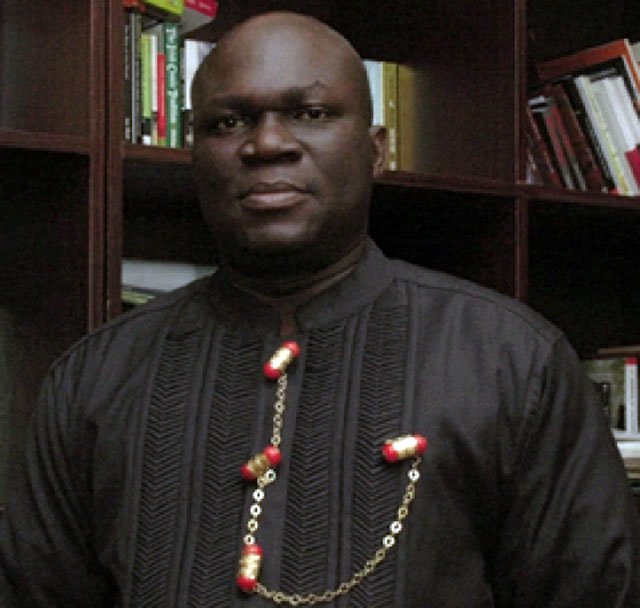
By Reuben Abati
I was invited to deliver the keynote address at this year’s special event on ‘Human Rights, Sèxuality and the Law’, an annual symposium organized to promote awareness on issues relating to the plight of the Lèsbian, Gày, Bisèxual, Trànsgender, Queer and/or Intersèx (LGBTQI) Community in Nigeria. When this was announced on social media by the organizers, The Initiative For Equal Rights (TIERS) and @YNaija, hell practically broke loose within the LGBTQI community.
I was dismissed as a wrong choice, and the organizers were accused of being insensitive to the feelings of the community. A broad-based protest was launched on twitter and there were essays on the subject on NoStringsNG.com (the online media advocacy platform for LGBTQI issues in Nigeria), with the most scathing objection written by Bisi Alimi, the Nigerian-born, London-based gày rights activist. Bisi Alimi described me as a “homōphobe.” He said the invitation extended to me was an abuse of TIERS, and he was offended that a group he had helped to co-found would offer its platform to an “oppressor.”
Following a pre-event twitter chat with me on the subject, co-ordinated by @YNaija, the attacks got even more aggressive. Someone wrote that having Reuben Abati as Keynote Speaker was like inviting the “KKK to an NACCP event.” An article written by Kritzmoritz and published by KitoDiaries.com (another Nigerian LGBTQI blog) was titled “Of TIERS, Reuben Abati and all that angst.”
The anonymous author reflected the sentiments of the gày community in the following words: “Let me get this out of the way from the onset so we are clear. I don’t like Mr Reuben Abati. Over the past five years, I have come to view him as a rather unpleasant human being…” Another commentator, Mandy in a piece titled “There is no engaging with a keynote Speaker” took the additional step of launching an online petition and called for signatures to “drop Reuben Abati” because in his or her view: “you cannot invite the person who killed me to come apologize at my funeral; things are not done that way.”
My offence is that I had participated in a discussion of the Same Sèx Marriage (Prohibition) Act 2014 shortly after President Goodluck Jonathan signed it into law. Alimi, in particular, was on an Al-Jazeera panel with me. He argued that I exhibited homōphobia, defending the law. The complaints by the gày community were so loud and their objection to the possibility of my being allowed to invade “their space” was so trenchant. I called the organizers to ask if they were considering a change of mind about their choice of Keynote Speaker. Their answer was in the negative.
On December 14, I participated in what turned out to be a lively, engaging, open and inclusive symposium on Human Rights, Sèxuality and The Law. I did not see any reason to beat about the bush. I opened my address with a response to Alimi and the critics. The labels used to describe me do not fit me. I am neither a homōphobe nor an extremist. My views are liberal and I consider the rights of every man to be ontological, interdependent and indivisible. These rights are well-covered in all the major nine documents on International Human Rights, including the Universal Declaration on Human Rights (1948) and its 30 articles, the International Convention on the Elimination of All Forms of Racial Discrimination (1965), the International Covenant on Civil and Political Rights (1966) and the International Convention on the Elimination of All Forms of Discrimination Against Women (1979). Nigeria is a signatory to majority of these conventions, protocols and covenants as well as the African Charter on Human and Peoples’ Rights (1981). Chapters Two and Four of the Nigerian Constitution, 1999, expressly uphold these rights.
The enactment of certain legislations such as – The Fundamental Rights (Enforcement Procedure) Rules 2009, HIV/AIDS (Anti-Discrimination) Act, 2014, Violence Against Persons (Prohibition) Act, 2015, the National Human Rights Commission Act, 2015, the Prohibition Against Domestic Violence Law No 15 of Lagos State, 2007, Gender Based Violation Prohibition Law of Ekiti State, 2011, Trafficking in Persons (Prohibition) Law Enforcement and Administration Act, 2003, the Legal Aid Act, 2011 and the Child Rights Act, 2003 – also point to considerable advancements in human rights legislation in Nigeria since 1999. Human rights are important. They are indeed matters of urgent and high priority because they are at the core of the idea of our humanity. They are indispensable vehicles for achieving peace, stability, justice and development in the world. Every human being is entitled to these rights; to devalue the right of any person is to violate that person’s right to dignity and justice.
Nigeria in spite of acknowledged advancements remains a nightmare where human rights are concerned. The failure of institutional mechanisms and the absence of political will to translate constitutional rights into effective human rights realities have resulted in what is clearly a governance and accountability crisis. The average Nigerian suffers the after-effects in various ways: poverty, lack of access to justice, violence, kidnappings, police brutality, extortion, wanton resort to self-help by both state and non-state actors, and a general regime of lawlessness reminiscent of the brutal days of military rule. Political leaders and state officials are so powerful that they have no regard for the people. They choose when it is convenient for them to respect court orders.
There is a disconnect between Nigeria’s international human rights obligations and what it does at home, creating conflicts and tensions in the implementation of human rights law. Nigeria is a member, for example, of the ECOWAS Community Court of Justice, but the government routinely ignores the rulings of this strategic regional court. Non-state actors are emboldened by the negligence of state actors to take the law into their hands, as seen in the conflict between Corporate Responsibility and Human Rights in Nigeria. Nigeria is a member of the International Labour Organization, the enabling principles of which are covered in the Labour Act, 2004, but with the unemployment crisis in the country, employers of labour trample on the rights of workers at will. The non-justiciability of the social, economic, cultural and group human rights goals in Chapter Two of the Nigerian Constitution further compounds the nightmare.
It is within this overall context of the human rights situation in Nigeria, that the issue of sèxuality is to be located. Section 15 (2) of the 1999 Constitution talks about national integration without discrimination on the grounds of sèx, among others. Section 17 states that the social order is founded on the ideals of “freedom, equality and justice”, while Section 17(3) says state policy shall be directed towards “all citizens, without discrimination on any group whatsoever”, a goal that had earlier been covered also in Section 14(2)(b). Section 42 further upholds every Nigerian’s right to freedom from discrimination. Whereas the Constitution talks about sèx, and not sèxuality or gender orientation, the principle of equality before the law and the right to be human is without exemption of any persons or groups. Article 2 of the International Covenant on Civil and Political Rights indeed says sèx should be taken to include sèxual orientation and gender.
Minority groups are often targets of violence in Nigeria – apart from ethnic and religious minorities, women, children, the girl-child and the physically challenged, perhaps the most targeted and the most violated in recent times are members of the LGBTQI community. Gàys in Nigeria have found themselves in a hostile society. There have been reported cases of persons with suspected LGBTQI orientation being subjected to various forms of violence: kidnapping, extortion, ràpe, assault, inhuman and degrading treatment, denial of access to justice and curtailment of their fundamental rights. The state looks the other way, the rest of society says serves them right.
There is no plan or structure in place for protecting gày persons in Nigeria from outright violation even by the police and the state. Section 214 of the Criminal Code criminalizes “any person who has carnal knowledge of any person against the order of nature”. Section 217 thereof frowns at “gross indecency”. Similarly, Sections 284 and 405-408 of the Penal Code, and the Sharia Law in 12 states of the North make homosèxuality a punishable felony. Public hostility towards the LGBTQI is widespread. It is risky to reveal sèxual orientation in Nigeria. No political party or politician has formally endorsed LGBTQI rights in Nigeria.
The Same Sèx Marriage (Prohibition) Act 2014, which is a particular source of anxiety and the target of protest by the Nigerian and global LGBTQI community, establishes a legal basis for formal discrimination on the grounds of sèxuality. This law forbids any form of gày marriage, or civil union (sections 1-3), the registration of gày clubs, societies and organisations or the holding of gày meetings (section 4(1)) and the display of amorous relationship between two persons of the same sèx in Nigeria (section 4(2). Anybody who enters into a same sèx marriage contract or runs a gày club or association or group or is seen to be aiding and abetting homosèxuality is considered guilty of a felony. The punishment ranges from 10 to 14 years (section 5). Although the SSMPA deals with marriage or civil union, it is a much stronger law than the Criminal and Penal Codes and the Sharia on gày issues. It is a law fraught with ambiguities, which devalue the gày person’s rights to privacy, dignity of the human person, freedoms of expression and freedom from discrimination.
But it remains a popular law with the majority of Nigerians who rely on culture and traditional values, public morality as defined in Section 45 (1) of the 1999 Constitution, and the fact that Nigeria being a sovereign nation should be free to make its own laws and not subject itself to Western notions of sèxuality. Research findings accordingly indicate that more than 95 percent of the Nigerian population considers homosèxuality a sin. Religion and culture remain major barriers to human rights expression as seen in the case of Christians quoting such anti-gày Scriptural passages as Leviticus 18:22, 20:23, the poor fortunes of the Child Rights Act in spite of its ratification by 26 out of 36 states, constructive and continuing gender discrimination, and the disgraceful politicking over the Gender Equality and Prohibition of Violence Against Women Bill, 2016 which has now been reduced pathetically, at second reading, to a bill on violence and sèxual abuse.
There are specific posers to be raised in relation to the SSMPA 2014. One, culture to the extent of its dynamism should evolve, and must not be erected into a given barrier to human rights expression. Two, human rights and sovereignty should not be antithetical. Three, who should determine what is right and wrong? Is there an objective universal morality in a world of diverse beliefs and practices? And is morality necessarily as determined by the majority? Can the majority possibly be wrong in a democracy?
Where sèxuality is concerned, the insistence on basic rights can only be a continuous and inclusive struggle. The debate can only continue to evolve as society itself evolves. The irreducible minimum lies in the need by state and non-state actors to continue to make efforts to dismantle barriers and extend the frontiers of how human rights are respected, protected and fulfilled. Gày persons in Nigeria are subjected to police brutality and assault, targeted killings, hate crime, and sundry forms of discrimination. Their relatives are stigmatized. The jungle justice that is imposed on the community is outside the province of the law. Enforcing the law as it is, until it is amended, revised, or repealed, should be within the province of the rule of law, not the jungle. The right of all persons to freedom, justice and equality should be considered sacrosanct. Any law, which contradicts this principle, in its operation or expression, is to the extent of its inconsistency, questionable.
The more memorable aspect of the 2016 symposium on Human Rights, Sèxuality and the Law, attended by both gày and non-gày persons, was the interactive session where further issues were raised and interrogated. One fellow stood up and insisted that I needed to apologise to the LGBTQI community for views I had expressed in the past. My response was that when I defended the SSMPA publicly in 2014, I was doing my duty as the Official Presidential Spokesperson. In that capacity, it was part of my responsibility to explain and promote government policies and decisions. A spokesman’s loyalty is to country, state, government and principal; he or she is essentially a Vuvuzela. Besides, the SSMPA is not a law about my personal views but the values and the choice of the majority of Nigerians. What people do with their private lives is their business as free human beings without interpreting freedom as absolute, however, but as a guarantee for the equality of all persons.
Someone else wanted to know why President Jonathan considered it expedient and urgent to sign a bill that was first proposed in 2006 into law. The chronology is that the National Assembly rejected the bill in 2007. It was passed by the Senate on Nov 29, 2011, by the House of Representatives on May 30, 2013 and signed into law on January 13, 2014. If President Jonathan had withheld assent, the National Assembly could have exercised its power of veto override. What is required, in all of this, to be honest, is not ex post facto hand-wringing and blame games, but continued advocacy and awareness building. Incidentally, the African Commission on Human and Peoples’ Rights has called on the Nigerian Government to consider a revision of the SSMPA given the manner in which it is being exploited to violate fundamental human rights. A day may well come when this would happen in line with the Yogyakarta Principles on sèxual orientation and gender identity, as has been experienced in Mozambique, Nepal and Nicaragua.
A lady stood up and added: “Dr Abati, it is important that you realise you are in our space. This is a very sensitive space and community. My husband is your very good friend, but I still think you owe this community an apology because even when doing your job as a government official, there are certain things you should not say.” I thought I already answered that question. Another lady intervened: “Hi, Dr Abati, I am made to understand you don’t believe we exist in Nigeria. Well, now you know we do. I am a citizen. I work in this country. I pay my taxes. My name is Pamela. And I am a Lèsbian.” I have never said any such dumb thing as to insist that the LGBTQI community does not exist either in Nigeria or elsewhere in Africa. Having read Bernadine Evaristo and other writers on the subject, I have a clear understanding.
I left the symposium with two special gifts. The 2016 Human Rights Violations Report Based on Real or Perceived Sèxual Orientation and Gender Identity in Nigeria, a 61-page publication by TIERS Nigeria which was formally presented at the occasion and “Tell Me Where I Can Be Safe”: The Impact of Nigeria’s Same Sèx Marriage (Prohibition) Act, a 108-page publication by Human Rights Watch. Both publications provide detailed and up-to-date information including statistics and the impact of the law with regard to the status of the LGBTQI community in Nigeria, focusing mainly on human rights violations on the grounds of sèxual orientation and gender identity. I recommend both publications for general reading and for the benefit of those seeking answers on the subject under review.
Sitting by my side during the interactive sessions was Olumide, the gifted and resourceful activist who runs TIERSNigeria. We reviewed the comments as they flowed forth from the participants in the room. What is clear is that there is a vibrant LGBTQI community in Nigeria led by internationally exposed, media-savvy and knowledgeable young men and women who are determined to insist on their fundamental human rights and their right to be who they want to be. They are aggrieved. They are organized. They have set up platforms for self-expression including the use of technology, publications, movies (re: Hell or High Water, November 2016), the media and other social networking opportunities. Their voice is likely to grow louder as they become more organized. For how much longer can they be ignored?
As the event drew to a close, the microphone got to a young fellow who incoherent at first, still managed to deliver his punch-line killer: “Please, I don’t understand what people are saying. They are saying they are liberal, or that we need to unlearn certain things. Liberal, about what? When you say you are liberal, it is like you are patronizing us. Can you talk about rice when you have not even tasted it?” Yes, I think. One of the privileges of intellection is the right to talk robustly and nineteen to the dozen about rice, without ever tasting it.


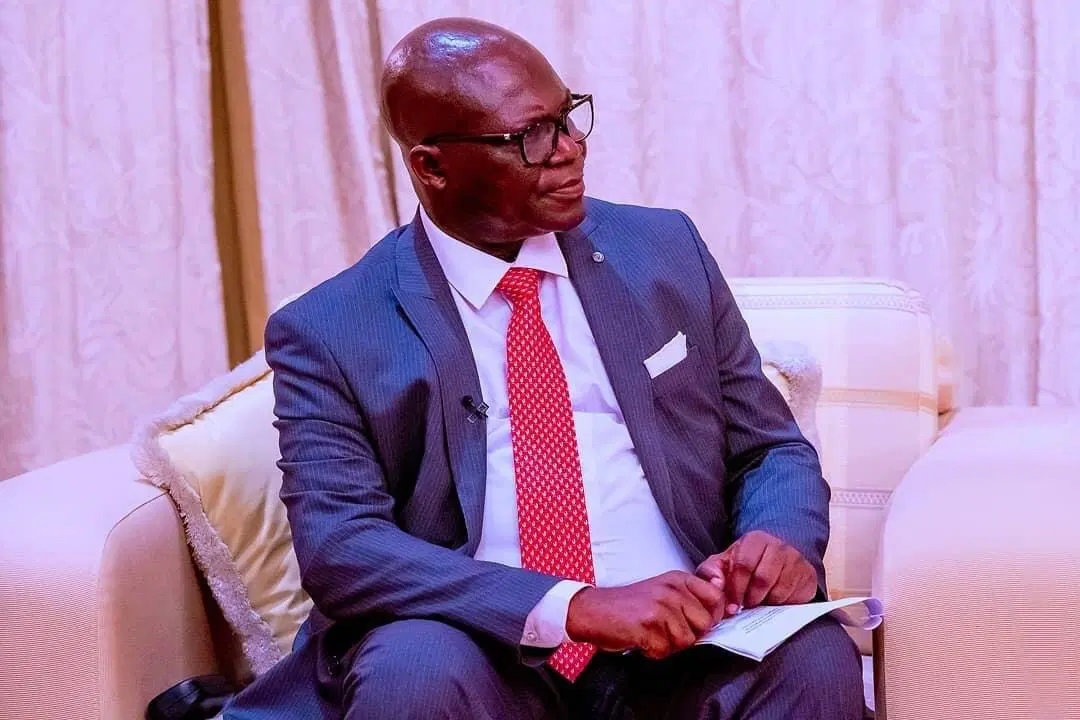
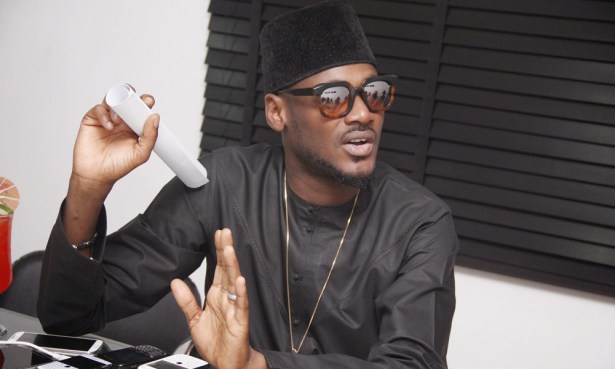
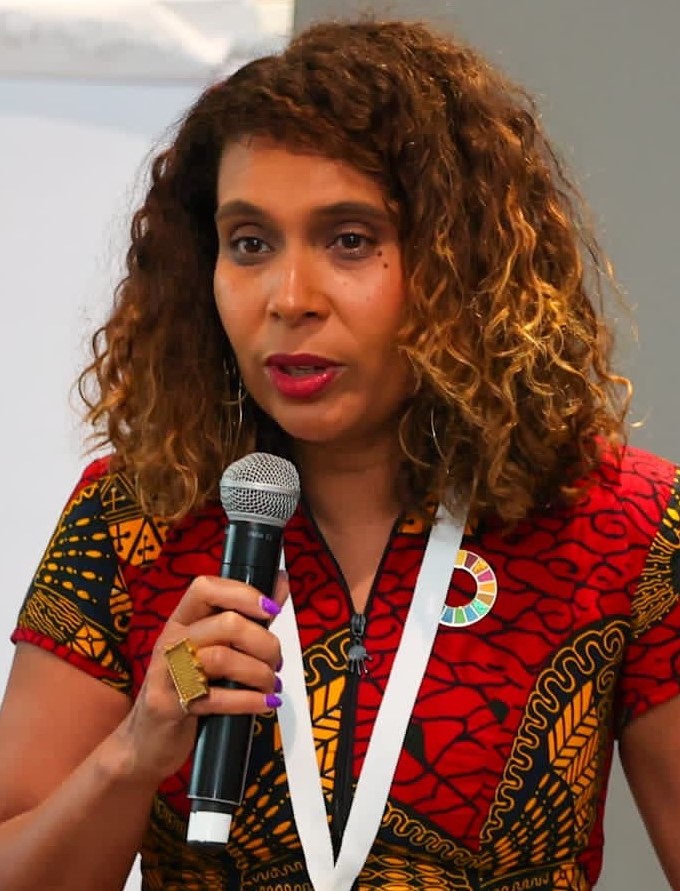
By Professor Myriam Sidíbe
Awards season this year was a celebration of Black creativity and cinema. Sinners directed by Ryan Coogler, garnered a historic 16 nominations, ultimately winning four Oscars. This is a film critics said would never land, which narrates an episode of Black history that had previously been diminished and, at some points, erased.
Watching the celebration of this film, following a legacy of storytelling dominated by the global north and leading to protests like #OscarsSoWhite, I felt a shift. A movement, growing louder each day and nowhere more evident than on the African continent. Here, an energetic youth—representing one-quarter of the world’s population—are using creativity to renegotiate their relationship with the rest of the world and challenge the social norms affecting their communities.
The Academy Awards held last month saw African cinema represented in the International Feature Film category by entries including South Africa’s The Heart Is a Muscle, Morocco’s Calle Málaga, Egypt’s Happy Birthday, Senegal’s Demba, and Tunisia’s The Voice of Hind Rajab.
Despite its subject matter, Wanuri Kahiu’s Rafiki, broke the silence and secrecy around LGBTQ love stories. In Kenya, where same sex relationships are illegal and loudly abhorred, Rafiki played to sold-out cinemas in the country’s capital, Nairobi, showing an appetite for home-grown creative content that challenges the status quo.
This was well exemplified at this year’s World Economic Forum in Davos when alcoholic beverages firm, AB InBev convened a group of creative changemakers and unlikely allies from the private sector to explore new ways to collaborate and apply creativity to issues of social justice and the environment.
In South Africa, AB inBev promotes moderation and addresses alcohol-related gender-based violence by partnering with filmmakers to create content depicting positive behaviours around alcohol. This strategy is revolutionising the way brands create social value and serve society.
For brands, the African creative economy represents a significant opportunity. By 2030, 10 per cent of global creative goods are predicted to come from Africa. By 2050, one in four people globally will be African, and one in three of the world’s youth will be from the continent.
Valued at over USD4 trillion globally (with significant growth in Africa), these industries—spanning music, film, fashion, and digital arts—offer vital opportunities for youth, surpassing traditional sectors in youth engagement.
Already, cultural and creative industries employ more 19–29-year-olds than any other sector globally. This collection of allies in Davos understood that “business as usual” is not enough to succeed in Africa; it must be on terms set by young African creatives with societal and economic benefits.
The key question for brands is: how do we work together to harness and support this potential? The answer is simple. Brands need courage to invest in possibilities where others see risk; wisdom to partner with those others overlook; and finally, tenacity – to match an African youth that is not waiting but forging its own path.
As the energy of the creative sector continues to gain momentum, I am left wondering: which brands will be smart enough to get involved in our movement, and who has what it takes to thrive in this new world?
Professor Sidíbe, who lives in Nairobi, is the Chief Mission Officer of Brands on a Mission and Author of Brands on a Mission: How to Achieve Social Impact and Business Growth Through Purpose.
Feature/OPED
Why President Tinubu Must End Retirement Age Disparity Between Medical and Veterinary Doctors Now

By James Ezema
To argue that Nigeria cannot afford policy inconsistencies that weaken its already fragile public health architecture is not an exaggeration. The current disparity in retirement age between medical doctors and veterinary professionals is one such inconsistency—one that demands urgent correction, not bureaucratic delay.
The Federal Government’s decision to approve a 65-year retirement age for selected health professionals was, in principle, commendable. It acknowledged the need to retain scarce expertise within a critical sector. However, by excluding veterinary doctors and veterinary para-professionals—whether explicitly or by omission—the policy has created a dangerous gap that undermines both equity and national health security.
This is not merely a professional grievance; it is a structural flaw with far-reaching consequences.
At the heart of the issue lies a contradiction the government cannot ignore. For decades, Nigeria has maintained a parity framework that places medical and veterinary doctors on equivalent footing in terms of salary structures and conditions of service. The Consolidated Medical Salary Structure (CONMESS) framework recognizes both professions as integral components of the broader health ecosystem. Yet, when it comes to retirement policy, that parity has been abruptly set aside.
This inconsistency is indefensible.
Veterinary professionals are not peripheral actors in the health sector—they are central to it. In an era defined by zoonotic threats, where the majority of emerging infectious diseases originate from animals, excluding veterinarians from extended service retention is not only unfair but strategically reckless.
Nigeria has formally embraced the One Health approach, which integrates human, animal, and environmental health systems. But policy must align with principle. It is contradictory to adopt One Health in theory while sidelining a core component of that framework in practice.
Veterinarians are at the frontline of disease surveillance, outbreak prevention, and biosecurity. They play critical roles in managing threats such as anthrax, rabies, avian influenza, Lassa fever, and other zoonotic diseases that pose direct risks to human populations. Their contribution to safeguarding the nation’s livestock—estimated in the hundreds of millions—is equally vital to food security and economic stability.
Yet, at a time when their relevance has never been greater, policy is forcing them out prematurely.
The workforce realities make this situation even more alarming. Nigeria is already grappling with a severe shortage of veterinary professionals. In some states, only a handful of veterinarians are available, while several local government areas have no veterinary presence at all. Compelling experienced professionals to retire at 60, while their medical counterparts remain in service until 65, will only deepen this crisis.
This is not a theoretical concern—it is an imminent risk.
The case for inclusion has already been made, clearly and responsibly, by the Nigerian Veterinary Medical Association and the Federal Ministry of Livestock Development. Their position is grounded in logic, policy precedent, and national interest. They are not seeking special treatment; they are demanding consistency.
The current circular, which limits the 65-year retirement age to clinical professionals in Federal Tertiary Hospitals and excludes those in mainstream civil service structures, is both administratively narrow and strategically flawed. It fails to account for the unique institutional placement of veterinary professionals, who operate largely outside hospital settings but are no less critical to national health outcomes.
Policy must reflect function, not merely location.
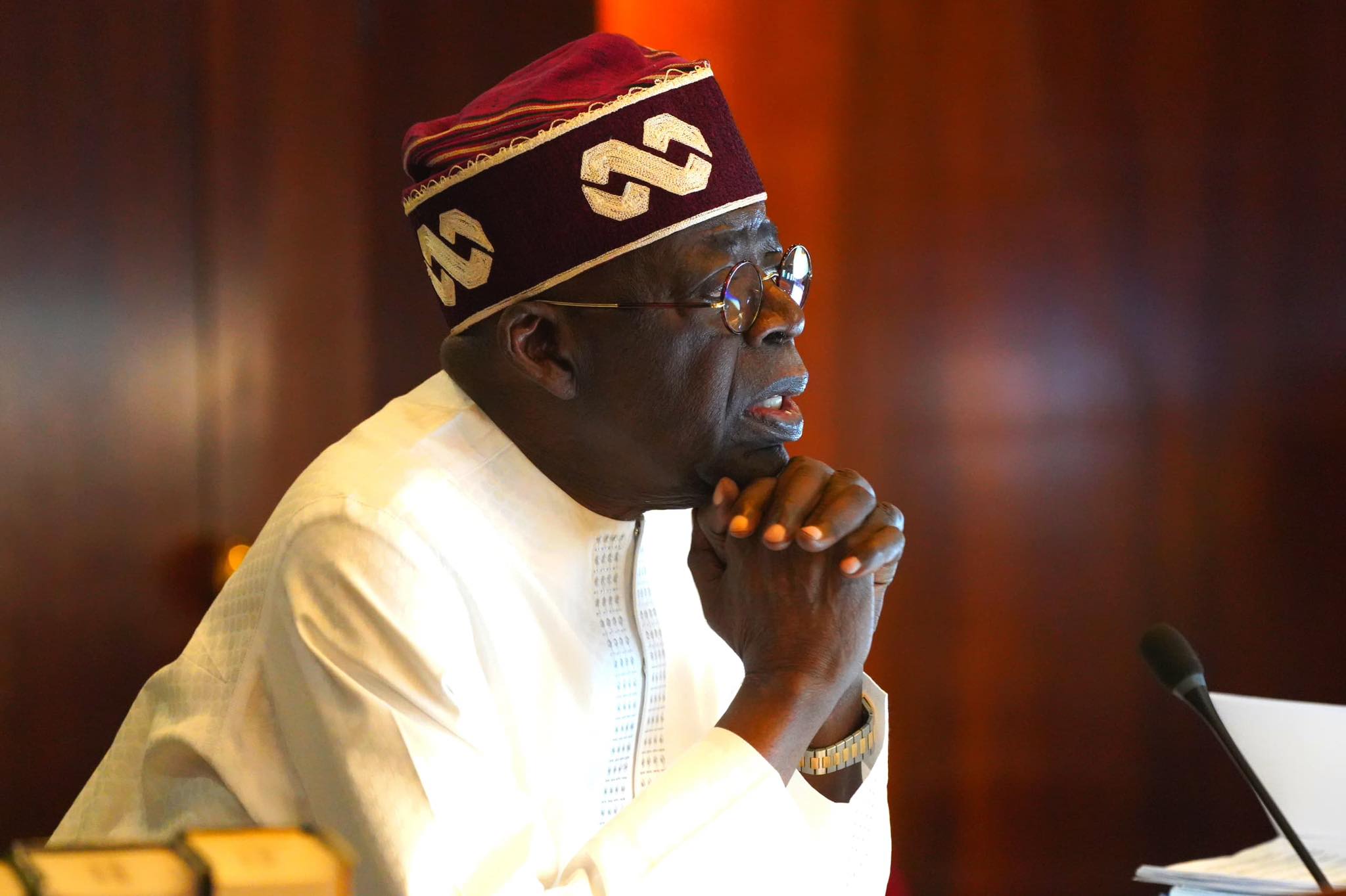
This is where decisive leadership becomes imperative. The responsibility now rests squarely with Bola Ahmed Tinubu to address this imbalance and restore coherence to Nigeria’s health and civil service policies.
A clear directive from the President to the Office of the Head of the Civil Service of the Federation can correct this anomaly. Such a directive should ensure that veterinary doctors and veterinary para-professionals are fully integrated into the 65-year retirement framework, in line with existing parity policies and the realities of modern public health.
Anything less would signal a troubling disregard for a sector that plays a quiet but indispensable role in national stability.
This is not just about fairness—it is about foresight. Public health security is interconnected, and weakening one component inevitably weakens the entire system.
Nigeria stands at a critical juncture, confronted by complex health, food security, and economic challenges. Retaining experienced veterinary professionals is not optional; it is essential.
The disparity must end—and it must end now.
Comrade James Ezema is a journalist, political strategist, and public affairs analyst. He is the National President of the Association of Bloggers and Journalists Against Fake News (ABJFN), National Vice-President (Investigation) of the Nigerian Guild of Investigative Journalists (NGIJ), and President/National Coordinator of the Not Too Young To Perform (NTYTP), a national leadership development advocacy group. He can be reached via email: [email protected] or WhatsApp: +234 8035823617.

By Blaise Udunze
Following the successful conclusion of the banking sector recapitalisation programme initiated in March 2024 by the Central Bank of Nigeria, the industry has raised N4.65 trillion. No doubt, this marks a significant milestone for the nation’s financial system as the exercise attracted both domestic and foreign investors, strengthened capital buffers, and reinforced regulatory confidence in the banking sector. By all prudential measures, once again, it will be said without doubt that it is a success story.
Looking at this feat closely and when weighed more critically, a more consequential question emerges, one that will ultimately determine whether this achievement becomes a genuine turning point or merely another financial milestone. Will a stronger banking sector finally translate into a more productive Nigerian economy, or will it be locked out?
This question sits at the heart of Nigeria’s long-standing economic contradiction, seeing a relatively sophisticated financial system coexisting with weak industrial output, low productivity, and persistent dependence on imports truly reflects an ironic situation. The fact remains that recapitalisation, by design, is meant to strengthen banks, enhancing their ability to absorb shocks, manage risks and support economic growth. According to the apex bank, the programme has improved capital adequacy ratios, enhanced asset quality, and reinforced financial stability. Under the leadership of Olayemi Cardoso, there has also been a shift toward stricter risk-based supervision and a phased exit from regulatory forbearance.
These are necessary reforms. A stable banking system is a prerequisite for economic development. However, the truth be told, stability alone is not sufficient because the real test of recapitalisation lies not in stronger balance sheets, but in how effectively banks channel capital into productive economic activity, sectors that create jobs, expand output and drive exports. Without this transition, recapitalisation risks becoming an exercise in financial strengthening without economic transformation.
Encouragingly, early signals from industry experts suggest that the next phase of banking reform may begin to address this long-standing gap. Analysts and practitioners are increasingly pointing to small and medium-sized enterprises (SMEs) as a key destination for recapitalisation inflows, which is a fact beyond doubt. Given that SMEs account for over 70 per cent of registered businesses in Nigeria, the logic is compelling. With great expectation, as has been practicalised and established in other economies, a shift in credit allocation toward this segment could unlock job creation, stimulate domestic production, and deepen economic resilience. Yet, this expectation must be balanced with reality. Historically, and of huge concern, SMEs have received only a marginal share of total bank credit, often due to perceived risk, lack of collateral, and weak credit infrastructure.
Indeed, Nigeria’s broader financial intermediation challenge remains stark. Even as the giant of Africa, private sector credit stands at roughly 17 per cent of GDP, and this is far below the sub-Saharan African average, while SMEs receive barely 1 per cent of total bank lending despite contributing about half of GDP and the vast majority of employment. These figures underscore the structural disconnect between the banking system and the real economy. Recapitalisation, therefore, must be judged not only by the strength of banks but by whether it meaningfully improves this imbalance.
Nigeria’s economic challenge is not merely one of capital scarcity; it is fundamentally a problem of low productivity. Manufacturing continues to operate far below capacity, agriculture remains largely subsistence-driven, and industrial output contributes only modestly to GDP. Despite decades of banking sector expansion, credit to the real sector has remained limited relative to the size of the economy. Instead, banks have often gravitated toward safer and more profitable avenues such as government securities, treasury instruments, and short-term trading opportunities.
This is not irrational. It reflects a rational response to risk, policy signals, and market realities. However, it has created a structural imbalance in which capital circulates within the financial system without sufficiently reaching the productive economy. The result is a pattern where financial sector growth outpaces real sector development, a phenomenon widely described as financialisation without productivity gains.
At the centre of this challenge is the issue of credit allocation. A recapitalised banking sector, strengthened by new capital and improved buffers, should theoretically expand lending. But this is, contrarily, because the more important question is where that lending will go. Will Nigerian banks extend long-term credit to manufacturers, finance agro-processing and value chains, and support scalable SMEs, or will they continue to concentrate on low-risk government debt, prioritise foreign exchange-related gains, and maintain conservative lending practices in the face of macroeconomic uncertainty? Some of these structural questions call for immediate answers from policymakers.
Some industry voices are optimistic that the expanded capital base will translate into a broader loan book, increased investment in higher-risk sectors, and improved product offerings for depositors; this is not in doubt. There are also expectations that banks will scale operations across the continent, leveraging stronger balance sheets to expand their regional footprint. Yes, they are expected, but one thing that must be made known is that optimism alone does not guarantee transformation. The fact is that without deliberate incentives and structural reforms, capital may continue to flow toward low-risk assets rather than high-impact sectors.
Beyond lending, experts are also calling for a shift in how banking success is measured. The next phase of reform, according to the experts in their arguments, must move from capital thresholds to customer outcomes. This includes stronger consumer protection frameworks, real-time complaint management systems and more transparent regulatory oversight. A more technologically driven supervisory model, one that allows regulators to monitor customer experiences and detect systemic risks early, could play a critical role in strengthening trust and accountability within the system.
This dimension is often overlooked but deeply significant. A banking system that is well-capitalised but unresponsive to customer needs risks undermining public confidence. True financial development is not only about capital strength but also about accessibility, fairness, and service quality. Nigerians must feel the impact of recapitalisation not just in improved financial ratios, but in better banking experiences, more inclusive services, and greater economic opportunity.
The recapitalisation exercise has also attracted notable foreign participation, signalling confidence in Nigeria’s banking sector. However, confidence in banks does not necessarily translate into confidence in the broader economy. The truth is that foreign investors are typically drawn to strong regulatory frameworks, attractive returns, and market liquidity, though the facts are that these factors make Nigerian banks appealing financial assets; it must be made explicitly clear that they do not automatically reflect confidence in the country’s industrial base or productivity potential.
This distinction is critical. An economy can attract capital into its financial sector while still struggling to attract investment into productive sectors. When this happens, growth becomes financially driven rather than fundamentally anchored. The risk, therefore, is that recapitalisation could deepen Nigeria’s financial markets, but what benefits or gains when banks become stronger or liquid without addressing the structural weaknesses of the real economy.
It is clear and explicit that the current policy direction of the CBN reflects a strong emphasis on stability, with tightened supervision, improved transparency, and stricter prudential standards. These measures are necessary, particularly in a volatile global environment. However, there is an emerging concern that stability may be taking precedence over growth stimulation, which should also be a focal point for every economy, of which Nigeria should not be left out of the equation. Central banks in emerging markets often face a delicate balancing act, and this is putting too much focus on stability, which can constrain credit expansion, while too much emphasis on growth can undermine financial discipline, as this calls for a balance.
In Nigeria’s case, the question is whether sufficient mechanisms exist to align banking sector incentives with national productivity goals. Are there enough incentives to encourage long-term lending, sector-specific financing, and innovation in credit delivery? Or does the current framework inadvertently reward risk aversion and short-term profitability?
Over the past two decades, it has been a herculean experience as Nigeria’s economic trajectory suggests a growing disconnect between the financial sector and the real economy. Banks have become larger, more sophisticated and more profitable, yet the irony is that the broader economy continues to struggle with high unemployment, low industrial output, and limited export diversification. This divergence reflects the structural risk of financialization, a condition in which financial activities expand without a corresponding increase in real economic productivity.
If not carefully managed, recapitalisation could reinforce this trend. With more capital at their disposal, banks may simply scale existing business models, expanding financial activities that generate returns without contributing meaningfully to production. The point is that this is not solely a failure of the banking sector; it is a systemic issue shaped by policy design, regulatory priorities, and market incentives, which needs the urgent attention of policymakers.
Meanwhile, for recapitalisation to achieve its intended purpose and truly work, it must be accompanied by a deliberate shift or intentional policy change from capital accumulation to productivity enhancement and the economy to produce more goods and services efficiently. This begins with creating stronger incentives for real sector lending with differentiated capital requirements based on sector exposure, credit guarantees for high-impact industries, and interest rate support for priority sectors, which can encourage banks to channel funds into productive areas, and this must be driven and implemented by the apex bank to harness the gains of recapitalisation.
This transformative process is not only saddled with the CBN, but the Development finance institutions also have a critical role to play in de-risking long-term investments, making it easier for commercial banks to participate in financing projects that drive economic growth. At the same time, one of the missing pieces that must be taken into cognisance is that regulatory frameworks should discourage excessive concentration in risk-free assets. No doubt, banks thrive in profitability, as government securities remain important; overreliance on them can crowd out private sector credit and limit economic expansion.
Innovation in financial products is equally essential. Traditional lending models often fail to meet the needs of SMEs and emerging industries, as this has continued to hinder growth. Banks must explore new approaches, including digital lending platforms, supply chain financing, and blended finance solutions that can unlock new growth opportunities, while they extend their tentacles by saturating the retail space just like fintech.
Accountability must also be embedded in the system. One fact is that if recapitalisation is justified as a tool for economic growth, then its outcomes and gains must be measurable and not obscure. Increased credit to productive sectors, higher industrial output and job creation should serve as key indicators of success. Without such metrics, the exercise risks being judged solely by financial indicators rather than its real economic impact.
The completion of the recapitalisation programme represents more than a regulatory achievement; it is a defining moment for Nigeria’s economic future. The country now has a banking sector that is better capitalised, more resilient, and more attractive to investors. These are important gains, but they are not ends in themselves.
The ultimate objective is to build an economy that is productive, diversified, and inclusive. Achieving this requires more than strong banks; it requires banks that actively power economic transformation.
The N4.65 trillion recapitalisation is a significant step forward. It strengthens the foundation of Nigeria’s financial system and enhances its capacity to support growth. However, capacity alone is not enough and truly not enough if the gains of recapitalisation are to be harnessed to the latter. What matters now is how that capacity is deployed.
Some of the critical questions for urgent attention are as follows: Will banks rise to the challenge of financing Nigeria’s productive sectors, particularly SMEs that form the backbone of the economy? Will policymakers create the right incentives to ensure credit flows where it is most needed? Will the financial system evolve from a focus on profitability to a broader commitment to the economic purpose of fostering a more productive Nigerian economy and the $1 trillion target?
The above questions are relevant because they will determine whether recapitalisation becomes a catalyst for change or a missed opportunity if not taken into cognisance. A well-capitalised banking sector is not the destination; it is the starting point. The real journey lies in building an economy where capital works, productivity rises, and growth becomes both sustainable and inclusive.
Blaise, a journalist and PR professional, writes from Lagos and can be reached via: [email protected]
-
 Feature/OPED6 years ago
Davos was Different this year
-
Travel/Tourism10 years ago
Lagos Seals Western Lodge Hotel In Ikorodu
-

 Showbiz3 years ago
Estranged Lover Releases Videos of Empress Njamah Bathing
-
 Banking8 years ago
Sort Codes of GTBank Branches in Nigeria
-

 Economy3 years ago
Subsidy Removal: CNG at N130 Per Litre Cheaper Than Petrol—IPMAN
-

 Banking3 years ago
Sort Codes of UBA Branches in Nigeria
-

 Banking3 years ago
First Bank Announces Planned Downtime
-

 Sports3 years ago
Highest Paid Nigerian Footballer – How Much Do Nigerian Footballers Earn