
General
Marginalisation: Delta State Leaders Seek NDDC Chairmanship Slot

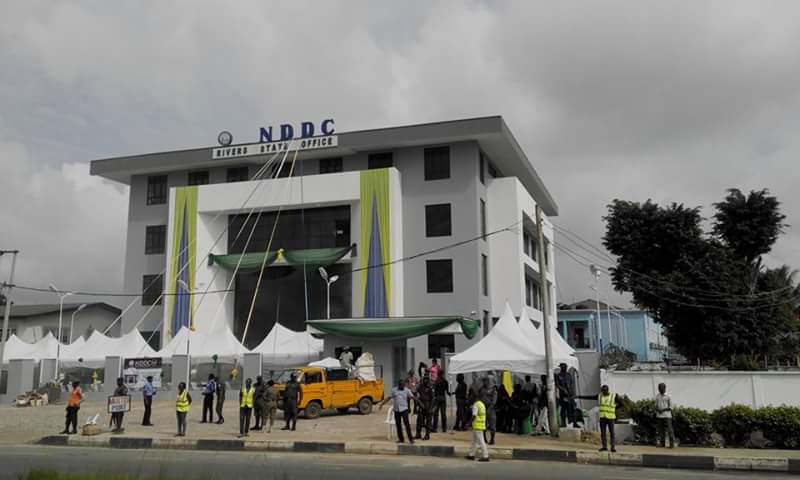
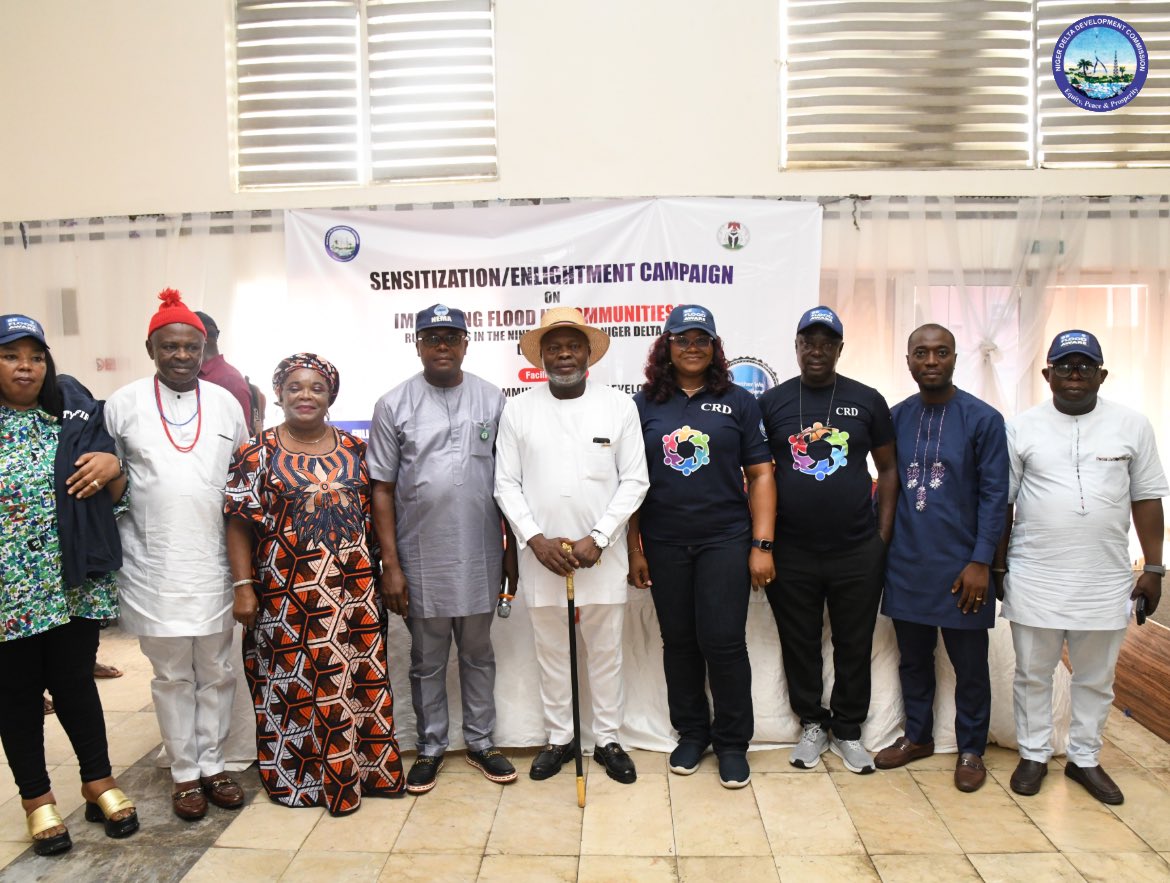
Niger Delta leaders on Friday vowed to take up the marginalisation issue of Delta State with the highest authority in Nigeria.
The leaders said there was no reason whatsoever for Delta State to be so treated compared with Bayelsa, Akwa-Ibom and Cross River in the appointment of Chairman and Managing Director of the Niger Delta Development Commission (NDDC).
At a meeting in Abuja, the leaders said it was the turn of Delta State to produce the chairman and managing director of the Commission.
“The NDDC Act stated that the office of the chairman shall rotate amongst the member states of the commission in the following alphabetical order; Abia State, Akwa Ibom State, Bayelsa State, Cross River State, Delta State, Edo State, Imo State, Ondo State and Rivers State.
“Chief Olusegun Obasanjo, Alhaji Umaru Musa YarÁdua, Dr Goodluck Jonathan and President Muhammadu Buhari appointed Onyema Ugochukwu (Chairman 2001-2005) Abia State, Sam Edem (Chairman, 2005-2007), Akwa-Ibom, Dan Abia (Acting Chairman 2007-2009), Akwa-Ibom, Larry Koinyan (Chairman (2009-2011), Bayelsa State, Tarifa Tebepah (Chairman 2011-2013, Bayelsa State, Bassey Henshaw (Chairman 2013-2015), Cross River State and Ndoma Egba (Chairman 2016-2019), Cross River State,” the group of elders said.
Leader of the Niger Delta Front (NDF), Mr John Harry, who addressed journalists in Abuja, said the leaders urged Nigerians to impress on President Muhammadu Buhari to appoint Delta State indigenes as chairman and managing director of the commission.
“The NDDC Act requires that there shall be for the commission, a Managing Director and two Executive Directors who shall be indigenes of oil producing areas starting with the member states of the Commission with the highest production quantum of oil and shall rotate among member states in the order of production,” the leaders said.
They said Rivers State occupied the position of Executive Director (Finance and Administration) for years through Itonanen Ogiri (EDFA 2013-2015), Mene Derek (EDFA 2016-2019), and Chris Amadi (Transition Acting EDFA 2019-2019.
“The right thing to do is to appoint someone from Bayelsa or Akwa-Ibom as the Executive Director (Finance and Administration) of the Niger Delta Development Commission (NDDC),” they suggested.
Viewed against the background of the provisions of the NDDC Act, the leaders urged the authorities not to compound the problems of the Niger Delta region or make absolute nonsense of the NDDC Act.
“It is time to exhibit fairness,” they told President Muhammadu Buhari, who was commended for the effort he was making to develop the region.
They called on well-meaning people within and outside the Niger Delta region to prevail on President Buhari to appoint Delta indigenes as chairman and managing director.
“We expect the President to use the next NDDC Board to correct the imbalances of previous appointments. We believe in Mr President’s sense of justice and fair play,” the leaders added.
Meanwhile, some leaders of the region on Wednesday reached a consensus on how to consolidate the unity and political stability of the region.
They also urged President Muhammadu Buhari to appoint Deltans as Chairman and Managing Director of the Niger Delta Development Commission (NDDC).
“Mr President, nations are built when existing laws are implemented in its entirety. As you apply the Law and zero on Delta State for the appointment of the Chairman and Managing Director, we plead with you to pick men or women who would further your Next Agenda, serve the interest of the country and the aspirations of the Niger Delta people,” the group appealed.
In a letter to President Buhari, the leaders said there were no doubts as to whether Delta State would produce the Chairman and Managing Director of the intervention agency.
“The ranking of the highest producing states is not in doubt and the state whose turn it is to be appointed the Managing Director of the next board for which Delta State comes top on all fronts and consideration knowing that Bayelsa State, Rivers State, and Akwa – Ibom State have completed their terms in successive ranking order,” they said.
Entitled “Letter establishing the fact on which state should produce the next Chairman and Managing Director of the Niger Delta Development Commission (NDDC)”, the leaders said the letter was not to create controversy but to forestall such or any controversy due to the peculiarity of the circumstance created by the Law or Act.
“Your Excellency, your stance on the Rule of Law and love for fairness and justice no matter the opinion of a few dissenting voices necessitated this letter of great importance from the people of Delta State and the Niger Delta at large. We were never in doubt as to where the pendulum would swing to, having seen the sincerity of your administration in fixing the problems inherited by your Government,” the group stated.
Signed by the Convener, Enlightened Delta Forum, Bestman Odibo and Publicity Secretary, Christopher Orushani, the leaders urged President Buhari to consider fairness and justice in constituting the next board of the Niger Delta Development Commission (NDDC).
“For the first time, Your Excellency, a peculiar but interesting and lawful scenario backed by the act establishing the NDDC Board on the next Chairman of the board which is rotated amongst member states in alphabetic order as stated in the Act establishing the board and also the Managing Director (MD) position which is appointed and rotated based on the “highest” quantum of oil produced amongst the states emanating from one state. In applying the law that supports quantum as the basis for succession, Delta State falls next in line after Akwa – Ibom,” they said.
They stressed that the scenario would not start and end with Delta State as the First beneficiary of this unique position of the Law but that other states would experience same in future rotation.
“Your Excellency, we are glad to point to you the convergence of the positions of the Chairman and the Managing Director to Delta State though the first of its kind but a true reflection of the position of the Act establishing the Board of the NDDC,” the leaders added.
Onyema Ugochukwu (Chairman 2001-2005) Abia State, Godwin Omene (MD/CEO 2001-2003), Delta State, Timi Alaibe (EDFA 2001-2005) Bayelsa State, Ndo Mboro (EDP 2001-2002), Akwa-Ibom State, Emmanuel Agwariavwode (MD/CEO 2003-2005) Delta State, Ukot Ukot (EDP 2002-2005), Akwa-Ibom State.
Sam Edem (Chairman, 2005-2007), Akwa-Ibom, Emmanuel Agwariavwodo (MD/CEO 2005-2006), Delta State, Timi Alaibe (EDFA 2005-2006), Bayelsa State, Timi Alaibe (Acting MD/CEO 2006-2006), Bayelsa, PZ Aginighan (Acting EDFA 2006-2006), Delta State, Beniah Ojum (EDP 2005-2009), Rivers State.
Dan Abia (Acting Chairman 2007-2009), Akwa-Ibom, Timi Alaibe (Substantive MD/CEO 2006-2009) Bayelsa State, PZ Aginighan (Acting EDFA 2007-2009), Delta State, PZ Aginighan (Transition Acting MD/CEO 2009-2009), Delta State.
Larry Koinyan (Chairman (2009-2011), Bayelsa State, Chibuzor Uguoha (Substantive MD/CEO 2009-2011), Rivers State, PZ Aginighan (EDFA 2009-2011), Delta State, El Etteh (EDP 2009-2011), Akwa-Ibom State, Osato Arenyeka-Iyasere (Transition Acting MD/CEO 2011-2011), Edo State.
Tarifa Tebepah (Chairman 2011-2013, Bayelsa State, Christian Oboh (Substantive MD/CEO 2011-2013), Rivers State, L.E.J. Komboye (EDFA 2011-2013), Delta State, E. Eshiet (EDP 2011-2013), Akwa-Ibom State, Christy Atako (Transition Acting MD/CEO 2013-2013), Rivers State.
Bassey Henshaw (Chairman 2013-2015), Cross River State, Dan Abia (Substantive MD/CEO 2013-2015), Akwa-Ibom State, Itonanen Ogiri (EDFA 2013-2015), Rivers State, Omasuli Tuoyo (EDP 2013-2015), Delta State, Ibim Semenitari (Transition Acting MD/CEO 2015-2016), Rivers State
Ndoma Egba (Chairman 2016-2019), Cross River State, Nsima Ekere (Substantive MD/CEO 2016-2019), Akwa-Ibom State, Mene Derek (EDFA 2016-2019), Rivers State, Adjogbe Samuel (EDP 2016-2019), Delta State.
Nelson Brambaila (Transition Acting MD/CEO 2019-2019), Bayelsa, Chris Amadi (Transition Acting EDFA 2019-2019), Rivers State, Adjogbe Samuel (Transition Acting EDP 2019-2019), Bayels State.




By Aduragbemi Omiyale
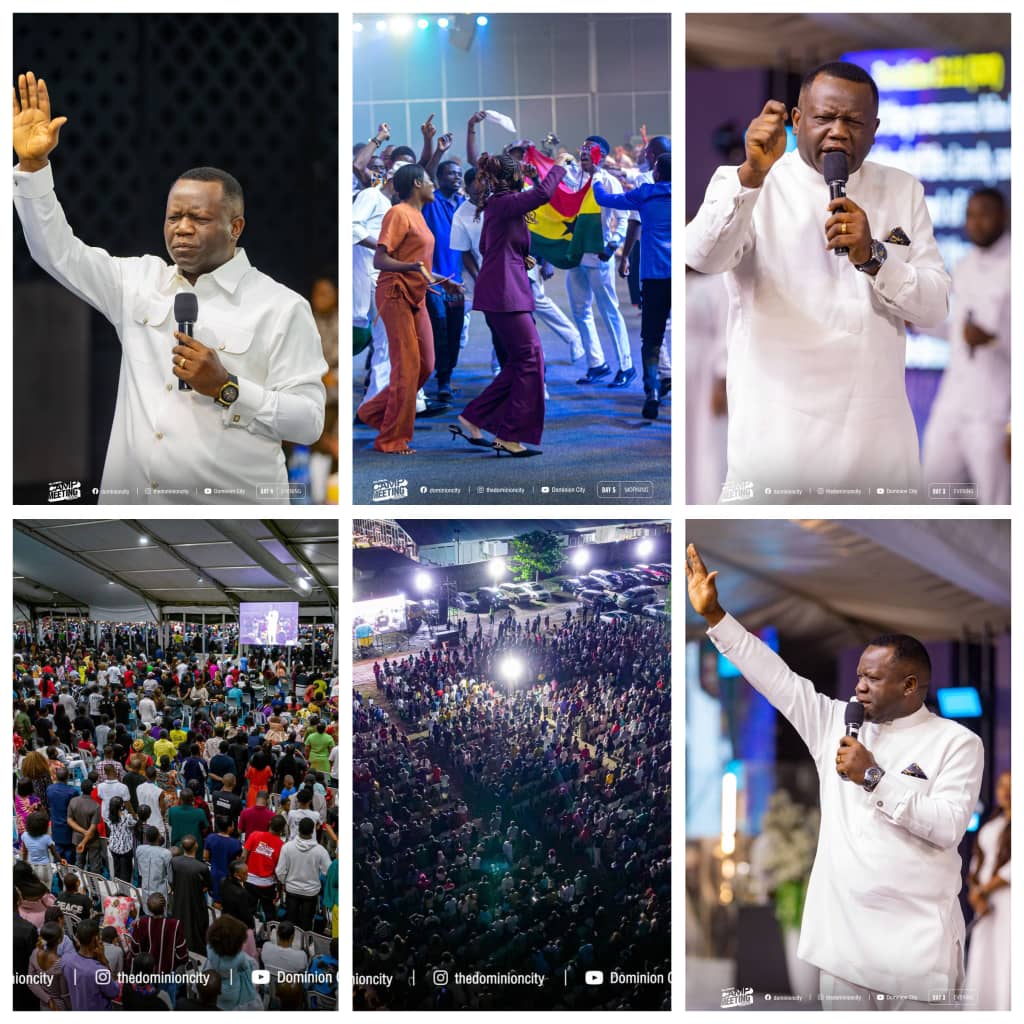
The Global Camp Meeting 2026, organised by Dominion City under the theme, Redigging the Wells of Our Fathers, left a lasting impact on attendees.
The six-day international conference ended with waves of miracles, revival, and life-changing testimonies, Business Post gathered.
From the onset, the atmosphere of the gathering was marked by deep spiritual intensity, with participants reporting life-changing experiences.
The first night of the Night of Glory witnessed remarkable miracles, including the deliverance of a 14-year-old girl from a seven-year struggle with pornography, healing from cancer, restoration from partial blindness and deafness, and recovery from heart and severe skin infections.
In addition, several children were reported to have been baptised in the Holy Spirit, with many seen praying in tongues, a development that further underscored the depth of the spiritual impact across all age groups.
Beyond these, numerous testimonies poured in from participants across different locations. Chinecherem S. shared how he arrived at the Enugu camp meeting on crutches due to a bone fracture but left completely healed, able to walk, run, and jump freely.
Similarly, Faith from Lagos testified to being healed of a fibroid, noting that a previously noticeable lump in her abdomen had completely disappeared.
Blessing recounted a profound encounter during a teaching on The Cross, which led to her deliverance from hard drug use and prostitution, describing it as a turning point in her life.
International participants were not left out, as Ella M. from Namibia described the teachings as “uncompromising truth,” while Boikanyo M. from Botswana testified to experiencing God’s power remotely, expressing belief in an impending revival in her nation.
These are a few of the overwhelming testimonies of miracles, salvation, deliverance, and spiritual renewal experienced at the event, which drew over 60,000 in-person participants and millions of online viewers worldwide.
For many, the impact extended beyond physical healing to clarity of purpose and commitment. Peter B. from Lagos shared that he received a clear sense of his calling to disciple others and rededicated his life to fulfilling God’s purpose, adding that he also experienced deliverance during a baptism session.
The meeting also featured ministrations from Dr David Ogbueli and other global ministers, who emphasised moral renewal, spiritual growth, and leadership development.
Participants were equipped not only spiritually but also through sessions addressing innovation, career growth, and societal impact.
Organisers noted that the conference also contributed to local economic activity while providing free transportation and medical services to attendees.

By Adedapo Adesanya
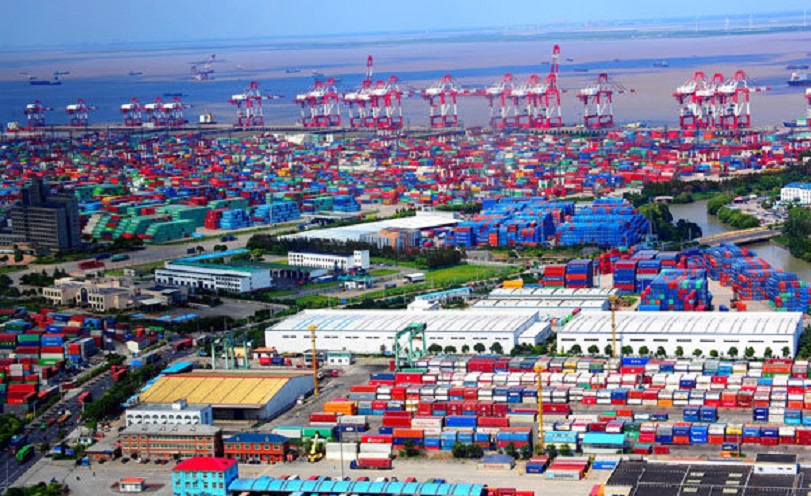
The Nigeria Customs Service (NCS), in partnership with the Presidential Enabling Business Environment Council (PEBEC), has launched a strategic reform agenda aimed at enhancing port efficiency and strengthening Nigeria’s trade competitiveness.
The initiative was unveiled on Tuesday, April 7, 2026, at the opening of a three-day operational workshop in Apapa, Lagos, themed Customs Leadership in Port Efficiency, Inspection Reform and Clearance Timeline.
Speaking at the event, the Comptroller-General of Customs, Mr Adewale Adeniyi, outlined a five-pillar strategy designed to transform port operations. The framework focuses on joint inspections, risk-based cargo clearance, optimisation of scanning infrastructure, enforcement of service timelines, and improved inter-agency collaboration.
Mr Adeniyi emphasised that the Service is shifting from policy formulation to effective implementation, stressing the need for consistent execution of established best practices.
He noted that the “workshop was aimed at bridging the gap between knowledge and action within the system.”
He further highlighted the transition to intelligence-led cargo processing, stating that ongoing investments in digital platforms and scanning systems must result in faster, more transparent clearance procedures for traders.
To ensure accountability, the Customs boss disclosed that the workshop would produce a reform execution matrix subject to close monitoring, adding that he would personally track progress reports.
He also urged officers to uphold professionalism, integrity, and commitment in the discharge of their duties.
In her remarks, the Director-General of PEBEC, Mrs Zahrah Mustapha-Audu, underscored the importance of adopting risk-based, data-driven inspection systems.
According to her, efficient and transparent border processes are essential to reducing the cost of doing business and improving Nigeria’s global trade standing.
Also speaking, the Deputy Comptroller-General in charge of Tariff and Trade, Mrs Caroline Niagwan, said the evolving mandate of the Service places it at the heart of trade facilitation and economic growth, adding that efficiency must be reflected across all commands.
As part of the engagement, the Customs and PEBEC delegation visited the National Single Window facility, where they held discussions with the Chairman of the Nigeria Revenue Service, Mr Zacch Adedeji, and other stakeholders to review progress and address operational challenges.
By Adedapo Adesanya
Madica, a structured investment programme for pre-seed African startups, has announced new investments totalling $600,000 in three tech-enabled startups, including Nigerian data startup, Biovana.
According to the initiative, these investments further reinforce Madica’s commitment to supporting founders and startups often excluded from traditional venture funding. The other startups include Tanzania’s Kilimo Fresh and Kenya’s Hakimu.
Each company has secured up to $200,000 in funding and will take part in Madica’s 18-month programme. This includes a tailored curriculum, hands-on mentorship, executive coaching, and two fully funded immersion trips to key technology ecosystems, both locally and internationally. The startups will also gain access to Madica’s global investor network, helping position them for growth and long-term success.
Madica’s programme seeks to counter the concentration of Africa’s tech funding in a few markets, verticals, and well-networked entrepreneurs and instead drive more equitable growth across the continent. This is done by backing a mix of underrepresented founders, startups from underserved regions, and innovators in overlooked sectors.
Launched in 2022, Madica is a sector-agnostic investment program designed to address structural gaps in Africa’s startup ecosystem. The program tackles key challenges startups face, such as limited access to capital, a scarcity of investors, and insufficient mentorship. It also provides the structured support necessary for startups to resolve critical issues and foster innovation, entrepreneurship, and wealth creation across the continent.
Kilimo Fresh (Tanzania), co-founded by Ms Baraka Chijenga and Mr Justice Mangu, connects smallholder farmers in Tanzania to reliable urban markets by aggregating, processing, and distributing fresh produce through a technology-enabled supply chain, aiming to reduce food waste.
Hakimu (Kenya), Hakimu, co-founded by Ms Rawan Dareer, Mr Ahmed Ahmed and Mr Ahmed Elbashir, is building a pan-African legal infrastructure leveraging the power of AI.
Biovana (Nigeria), co-founded by two female founders, Ms Estelle Dogbo and Dr Jumi Popoola, is a data harmonisation and certification platform focused on unlocking African health datasets for global pharmaceutical, AI, and clinical research applications.
Commenting on the new portfolio companies, Mr Emmanuel Adegboye, Head of Madica, said, “Each new investment brings us closer to the portfolio we set out to build, one that reflects the full breadth and diversity of African entrepreneurship. These three startups join a growing community of founders we’re backing with the resources, relationships, and runway they need to succeed at this early stage. The opportunity across the continent is enormous, and we’re committed to being a crucial and consistent partner in realising it.”
“Joining the Madica portfolio is a significant moment for Hakimu. We’re revolutionising access to justice across Africa, and having a partner that understands the specific challenges and opportunities of scaling in Africa makes a real difference,” said Ms Dareer, co-founder and CEO of Hakimu. “We’re grateful for the trust, looking forward to the hands-on support, and clear-eyed about the work ahead.”
-
 Feature/OPED6 years ago
Davos was Different this year
-
Travel/Tourism10 years ago
Lagos Seals Western Lodge Hotel In Ikorodu
-

 Showbiz3 years ago
Estranged Lover Releases Videos of Empress Njamah Bathing
-
 Banking8 years ago
Sort Codes of GTBank Branches in Nigeria
-

 Economy3 years ago
Subsidy Removal: CNG at N130 Per Litre Cheaper Than Petrol—IPMAN
-

 Banking3 years ago
Sort Codes of UBA Branches in Nigeria
-

 Banking3 years ago
First Bank Announces Planned Downtime
-

 Sports3 years ago
Highest Paid Nigerian Footballer – How Much Do Nigerian Footballers Earn