

General
Using the Waste to Wealth Model to Address Nigeria’s Plastic Waste Problem

By Adedapo Adesanya
In the inroads of Ajike Falaye Street in Mosan-Okunola LCDA Alimosho, a young man was using a spade to lift wet sand out of a clogged drainage system on a Wednesday night in April, a hasty move to avoid hefty punishment meted out by the Lagos State government for poor sanitation.
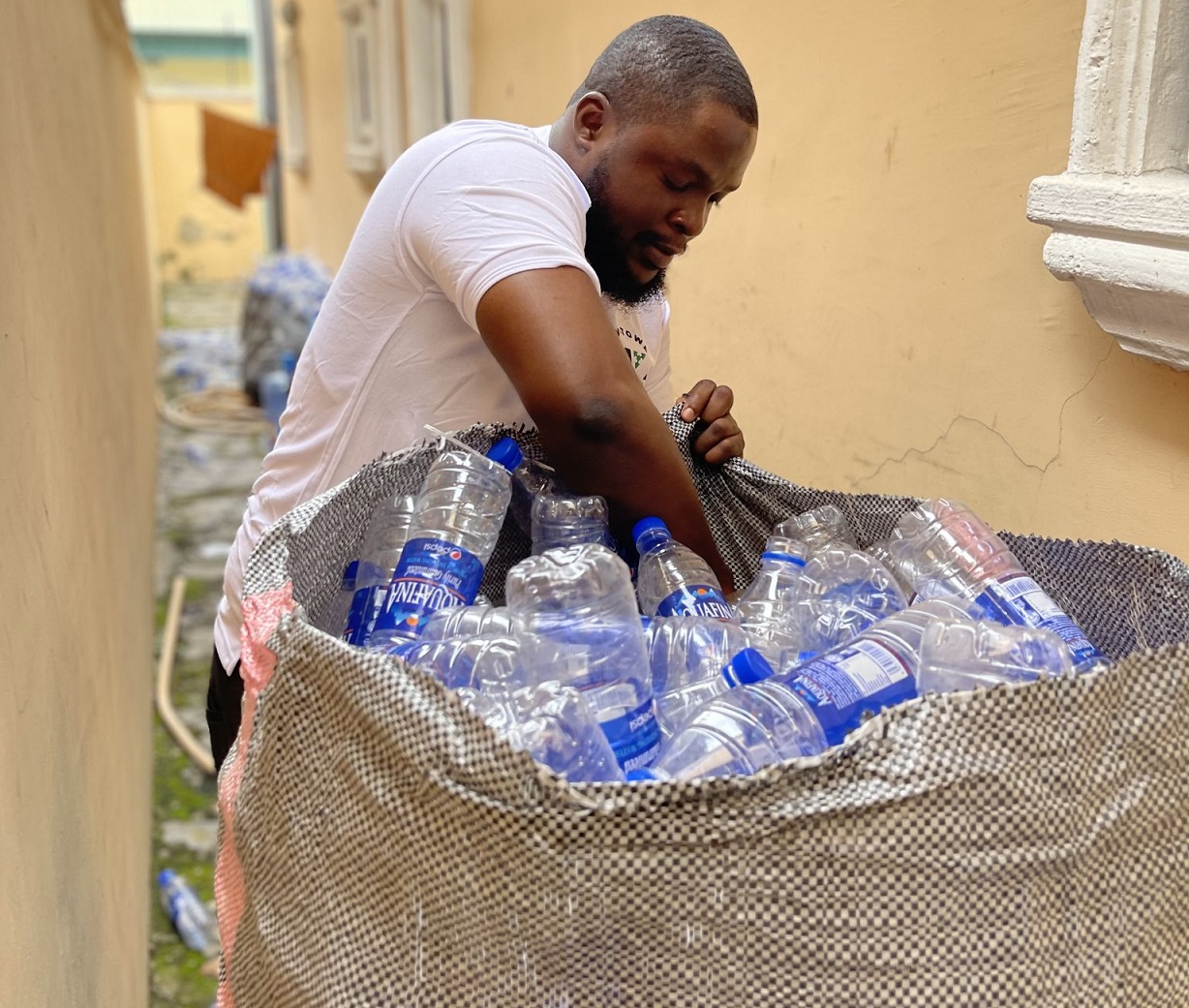
Thursdays are designated by the Lagos state for general sanitation, and commercial activities are put on hold till 10 am. The young man, Isaiah, told me, “These plastics are always too much,” and he is not alone in this. According to a report, Nigeria ranks ninth among countries with the highest contributions to plastic pollution, with close to 90 per cent of them not recycled.
While many see this issue as a business opportunity, others see it not just through this limited scope.
According to Babatunde Sanni, the project coordinator at Waste to Wealth (Watowe), it is applying a double model to solve the plastic problem while utilising other value-added services like healthcare to bring about the desired goal of recycling among the people of the communities it operates.
“The reason why we decided to tackle plastic waste is because of sustainability. We looked at rural communities in the first stages. We do a lot of community work to ensure that they not only tackle this issue head-on but how can we offer them value? So we look at how we can kill two birds with one stone, hence, why we created waste to wealth or Watowe,” said Sanni.
“It was instrumental in getting their trust, and one thing about people in communities that we deal with is the hard task it takes to win their trust. From our onset, we just had to do a lot to win their trust because getting their trust was necessary before we can bring about desired behaviour from those we target.” For instance, after proper monitoring and evaluation, the team, alongside volunteers and partners including Glovo, and Inspired Youth Network, among others, have cleaned up communities and beaches in Lagos.
The Mechanisms of Watowe
According to Mr Sanni, Watowe was started in 2017 after he identified the many issues prevalent in the Nigerian environment. This came after in-depth research that saw him visit several communities in Lagos, Abuja, and other states. He noted that the rural communities were the first entry point before moving on to more sub-national locations.
“The rural community is the first stage when it comes to solving issues like this. We looked at what other value of wealth we can give them, so we noted that while the wealth approach will not involve money, we can have a replica of that.”
This, he said, involved the use of healthcare subsidies that are insured by waste. The company partners with several healthcare companies that allow residents of these communities access to several insurance packages. Speaking of how this is done, Sanni noted that. “It is a give-and-take approach. We have to offer them something to earn their trust. After this, we then issue the cards. These insurance cards range from life, health, and gadgets, and we will bring more on board in later years.”
Gaps
The low level of recycling, which is less than 12 per cent, poses a huge threat to plastic pollution management in Nigeria. But it has reached a better position in the last few years and despite the many promises present in the field, Sanni noted that, like every company that takes the initiative approach to solve issues that relate to the environment, funding is a major hurdle. Watowe is a self-funded enterprise, and accounting for the high cost it takes remains a problem that he hopes will be resolved in the long run.
“The major problem we face is the cost of logistics. The value never matches the logistics. Since we became registered in 2020, we have had to do all the heavy lifting ourselves, and we hope that with the steps we are taking, we will be able to meet our target.”
He further revealed that there are some strides that he couldn’t disclose due to the legal restraints on them but noted that by 2023, Watowe would have increased its capacity to around 15 tonnes per day.
“Currently, we have recycled about 200 tonnes of plastic waste, but we are moving to bring these communities into the fold to improve this. We try not to act like those companies that set themselves unreal targets.”
Closing the Gaps
Watowe has committed to continue its advocacy, project building, and community outreach while banking on its business model but advocated for more laws. The Lagos State government last year planned to launch new legislation to curb the menace of waste in the state and support businesses in the circular economy, but that hasn’t seen the light of day. The drawback in law remains a large hurdle with the slowdown in the move to ban polythene products. Also, the Nigerian government, despite making no law to introduce taxation on Single Use Plastics tax. This raised concerns from manufacturers that it does not appear to have a basis in law, as it is not provided for under the Customs, Excise, Tariff, etc. (Consolidation) Act (CETA), unlike beverages and tobacco.
Sanni noted that the government needed to be more deliberate in taxing plastic products, suggesting that companies should charge consumers to bring their bags from home or pay for them, adding that this will change their behaviours.
“If this is done, people will come with paper bags. I know that we cannot completely ban plastics in one fell swoop, but we can make considerable progress with it in Nigeria, and with the work we have seen in the last few years, I say we are getting there.”
Community Impact and Progress
Watowe has been able to reach a considerable number of communities in Lagos. According to information shared, the company has seen its impact in Odumola in Epe, Orile, Okun Aja, and Sangotedo.
In the Odumola environs of Epe, Watowe has cleaned up entire streets and applied collection points where residents can dump their single-use plastic containers. This has been replicated in the Orile area in Agege.
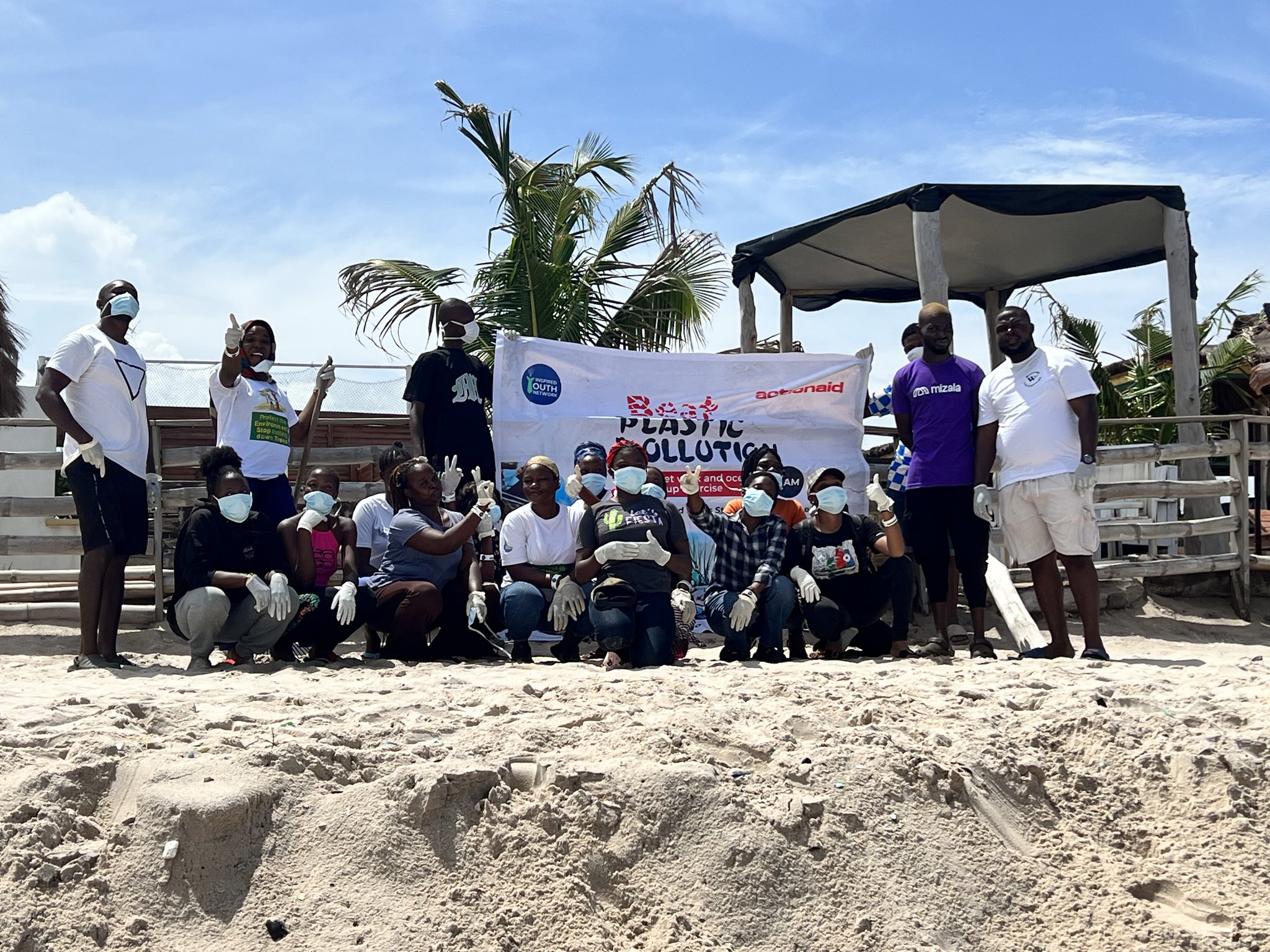
In June 2023, during the celebration of World Environment Day, in partnership with Action Aid Nigeria and Inspired Youth Network, there was a clean-up at Coney Island Lagos, one of the beach resorts in Lagos. This was followed by an awareness event on the threat of plastic pollution to the environment, where the collective organisers encouraged collective action.
The most significant intervention was done at Noon (pronounced noo nee) Street in the Oworonshoki area of the state. Collection points for plastic waste were applied, and residents could bring their packs of waste and get rewarded.
This is, however, yet to catch much attention, but Sanni said that progress depends on a lot of things. One of these is trust. He revealed that once trust has been established, there needs to be more that needs to be done.
The Lagos State government has played its part, he said, but the public-private partnerships need to extend to sustainable projects as well. He said the Lagos State administration over the last 15 years had made sizeable impacts which Watowe has been part of. These include seminars and special lectures that saw industry players come on board but admitted that policies could remain a drawback where necessary.
“No matter your contingency, as long as the government doesn’t do certain things, you are back to square one. They have the larger role to play before we can do our bit,” he said.
Educating the Next Generation on Recycling
Watowe has also extended its reach beyond grassroots communities and into the vibrant Generation Alpha with the collaboration it has had with primary and secondary schools. Mr Sanni said the company was working with a number of schools, including Meadow Hall Schools in Lekki, where it is a constant feature in its recycling club. This club is tasked with debates, assignments, and projects around recycling, and this has brought about more results since it commenced Post-COVID. Another such beneficiary is Ilasan Nursery and Primary School, which, unlike Meadow Hall, doesn’t have a defined recycling club yet but partakes in activities from time to time. Watowe hopes that with its expected growth and reach, more schools will be able to tap into this.
Sanni noted that partnerships like these are welcome, and investors and funding will see more initiatives pop out. Already some initiatives like Wecyclers and United Cylcers are pushing ahead with their intervention, but for people like Isaiah, the impact is yet to reach them.
This story was produced in partnership with Nigeria Health Watch through the Solutions Journalism Network, a non-profit organisation dedicated to rigorous and compelling reporting about responses to social problems.



Pingback: Using the Waste to Wealth Model to Address Nigeria’s Plastic Waste Problem – Solutions Journalism Africa Initiative