
Jobs/Appointments
7 Kinds Of People You Find In Every Nigerian Office



By Nkem Ndem
Whether you are a veteran with over 20 years of experience under your belt or a fresh-faced newbie straight out of the university, a Nigerian office can be a war zone for anyone. A complex social environment with a wide variety of people and personalities, you find you have to work with different types of people that you may or may not like to achieve a common goal in a Nigerian office.
Of course, each working environment can differ greatly according to its industry and company culture, however, there are certain types of people you’re destined to meet in every workplace in Nigeria. Jumia Travel, Africa’s No.1 online hotel booking portal, reveals seven of these type of people and how to avoid strangling each one.
The Oppressor
Usually an uptight authority figure in the firm, the oppressor makes things tense for everyone. They are extremely demanding and have very unrealistic expectations. No matter how hard you try to impress them, it seems like you just can’t do enough. While it may seem impossible to change this person’s attitude, however, you always have the power to control yours. Try flipping your perspective and seeing things from your supervisor’s point of view, no matter how hard it seems, and you will find you may be able to better understand how they work and why they expect the things they do. While this may not make them less demanding, it can relieve some of the stress and tension that you feel all the time they are around.
The Veteran
This person has been a working member of staff in the company since the organization’s formative years, yet he does not have a statue or mural in honor of his tenure in the company. He does not trust the new kids on the block and he is not keen about change. Basically, he thrives on routine and so is stuck in his ways and it’s killing your workflow efficiency. Again, he never misses a chance to remind you that he’s been with the company so long.The key to getting the old guy on board is: figure out ways to incorporate his good ideas while cutting the fat. Showing him your ideas will make things easier, but don’t forget to acknowledge his know-how, that way he won’t feel slighted or left out.
The Complainer
The complainer has a comment to make about everything that goes on in the office. He/she complains before completing almost every single task probably because they may fall under one or a few of the following labels: bored, disgruntled, busy, or unhappy with their work. They are not a lot of fun to be around as they drain the energy in the office as they seem to be pessimists. Basically, if complaining were a method that would drive a company’s profits and boost its goodwill among its stakeholders, then they’d be an asset. You really do not want to associate yourself with this kind of person.
The Slacker
It is risky to have this person as a mentor or friend as they are super sly. They like to give the impression that they are the one doing the job, but in reality, they just pass on the tasks to others and take all the glory. They give the image of being actual contributors to the team, but in reality, they do nothing. It is usually a horrible situation when this person is your boss or team head as you end up doing both your work and his/her work. Best thing to do is raise your concerns when you feel you need to, and if they are subordinates, try and mentor them. Also, giving them clear deadline go a long way.
The by-product of nepotism
This is Nigeria and yes! Nepotism is a thing. This kind of worker is the one that got the job because his dad was classmates with the CEO or his mother is in the same church as the owner. He keeps rising in the company, not because he is so skilled or talented, but because of his connection and there’s nothing you can really do about that. It actually pays to be friends with this kind of worker as you never know from where favour may come.
The Gossip
Don’t be deluded, this person is not always a girl. The gossip has the ears of a bat and the mouth of a magpie, and as such, has all the juicy gist in the office. He/she has firsthand information about the boss’s love life, the financial situation of the company and know who is getting sacked or getting a raise. Actually, the Office Gossip is a lot of fun to be around, but you have to be careful what you say to them as you never know how far he/she can take it. Again, if you become too close to them, your image may be tarred, and this can be quite undermining. You can, however, use them if you want to spread any information that may be beneficial to you in the end.
The Kiss-ass
This person is an overachiever and they are always sucking up to those above. Their main aim is to ensure they are in the good books of the relevant authority. They will laugh at the boss’ jokes even when they are not exactly funny and will go out of their way to do things that are not in their job description. Basically, they try to make every other person look bad so they come off as the shining star. This kind of worker is irritating and cannot be trusted as they can easily backstab colleagues.
Nkem Ndem is a PR Associate at Jumia Travel.



By Aduragbemi Omiyale
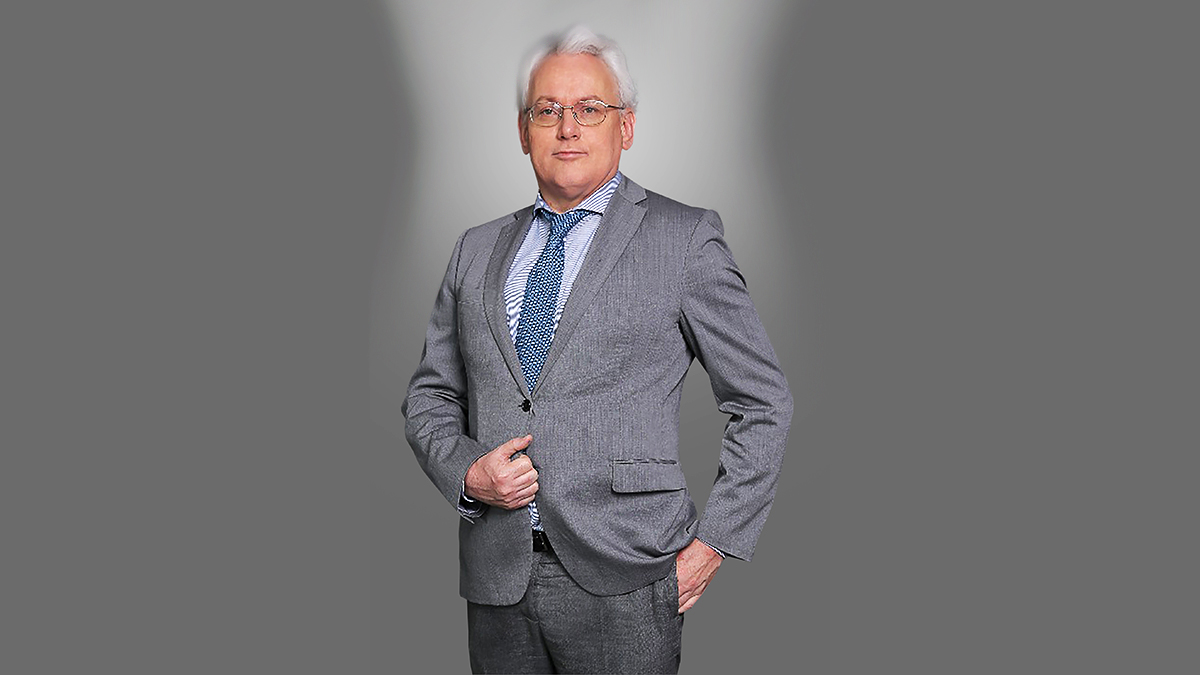
A globally respected expert in commodity markets, structured commodity finance, and exchange development, Mr Lamon Rutten, has been appointed as the new chairman of the board of Deap Capital Management and Trust Plc.
Mr Rutten’s appointment is to further strengthen Deap Capital’s leadership as the company advances its mission of mobilising capital and building financial solutions to unlock Africa’s critical minerals potential, positioning it as a strategic bridge between global investors and Africa’s emerging resource economy.
The Dutch national brings to the board over three decades of international experience across Europe, Asia, the Middle East, and Africa.
Mr Rutten described his appointment as a “new dawn for the African metals and minerals financing space,” applauding the decision to make him the chairman of the board, which was newly reconstituted.
The president of Deap Capital, Mr Israel Ovirih, welcomed the new chairman to the fold, noting that his extensive global experience in commodity markets and financial infrastructure development will be instrumental in guiding the company as it builds a world-class platform to finance and support the growth of the critical minerals sector across continental Africa.
“The new chairman and his global experience should enable the unleashing of new possibilities in the African metals and minerals space, including bringing new thoughts on how to modernise and formalise artisanal mining, specifically in Nigeria,” he stated.
Mr Rutten is widely reputed as a pioneer in the development of modern commodity trading and financing infrastructure worldwide, having served at Chie of Energy at the United Nations.
He previously served as the pioneering chief executive of the Multi-Commodity Exchange of India (MCX), also known as the Mumbai Commodity Exchange, where he led the exchange through a period of significant growth and quantum leap, establishing it as the world’s second-largest commodity exchange. Under his leadership, MCX achieved a landmark public listing valued at approximately $1.5 billion and a revenue of over $2.5 trillion by 2012.
He has also held several high-profile leadership and advisory roles globally, including serving as the founding CEO of the Indonesia Commodity and Derivatives Exchange (ICDX) and playing a key role in the development of the Saudi Mining Exchange initiative.
Earlier in his career, he worked with the United Nations Conference on Trade and Development (UNCTAD), where he led an international programme focused on commodity risk management and structured trade finance.
Mr Rutten is also a prolific author and policy expert, having published numerous research papers and policy works on commodity markets, trade finance, and risk management, and has advised governments, multilateral institutions, and financial organisations on commodity market development.


By Adedapo Adesanya
Mouka Limited has announced a significant leadership transition, with the appointment of Mr Oladimeji Osingunwa as its new managing director, effective March 17, 2026.
This follows the resignation of Mr Femi Fapohunda, whose exit became effective on March 16, 2026, after a period of mutual agreement with the board of the mattress maker.
The board expressed deep appreciation for Mr Fapohunda’s impactful leadership and unwavering commitment to the organisation.
During his tenure, Mouka successfully navigated one of the most challenging economic periods in Nigeria’s recent history, demonstrating resilience, operational excellence, and sustained growth.
Under his guidance, the company strengthened its market leadership, expanded its market share, and reinforced its reputation as a trusted household brand.
“Femi’s steady and strategic leadership ensured that Mouka not only weathered economic headwinds but emerged stronger and more competitive,” the board noted, thanking “him for his invaluable contributions and wish him continued success in his future endeavours.”
Mr Osingunwa, a seasoned commercial leader and a respected figure within Nigeria’s manufacturing and FMCG landscape, has since stepped into the role for the next phase of the mattress maker.
He joined Mouka in 2016 as Chief Commercial Officer, where Mr Osingunwa has played a pivotal role in shaping the company’s growth trajectory and strengthening its market dominance.
Mr Osingunwa brings to his new role a wealth of experience spanning leading multinational organisations, including Cadbury Nigeria Plc (now Mondelez), SC Johnson, and Twinning Ovaltine.
His expertise cuts across commercial strategy, route-to-market development, brand building, and sales leadership, consistently delivering strong business performance and sustainable growth.
Mouka Limited traces its origins to 1959, when the Faiz Moukarim family established the Moukarim Metalwood factory in Kano, focusing on the production of furniture and iron beds. As part of a broader strategy to achieve backward integration and supply raw materials to the furniture and bedding industry, Mouka Limited was later founded in Lagos in 1972, specialising in the manufacture of flexible foam products.
By Adedapo Adesanya
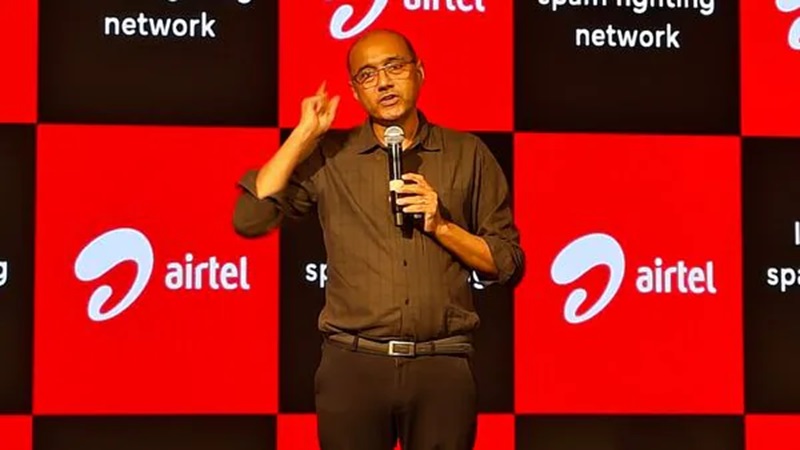
Telecoms giant, Airtel Africa Plc, has said Mr Gopal Vittal would replace its chairman, Mr Sunil Bharti Mittal, who will step down after the company’s annual general meeting in July.
This development is part of the company’s succession plans, the telco said on Wednesday.
Airtel Africa is the continent’s subsidiary of India’s second-largest carrier, Bharti Airtel, where it operates in 14 countries on the continent, including Nigeria, its biggest market.
Mr Sunil Mittal has been the chairman of Airtel Africa since its listing on the London Stock Exchange (LSE) in 2019. The telco entered the African market by acquiring Zain Telecom in June 2010.
Mr Vittal, who is an executive vice-chairman of Bharti Airtel and a non-executive director of Airtel Africa, will become non-executive chairman of the subsidiary. Sunil Mittal’s son, Mr Shravin Bharti Mittal, will take on the role of deputy chairman.
“As deputy chair, [Shravin] Mittal will ensure continuity with the founding family and significant shareholder, and will be the board’s conduit with the Airtel Money Board, on which he serves, and with Airtel Africa’s headquarters in Dubai, where he is based,” said Airtel Africa in a statement to the exchanges.
Mr Vittal’s appointment is by nomination of the controlling shareholder pursuant to the terms of the relationship agreement dated June 17, 2019, between the company, Bharti Airtel, Airtel Africa Mauritius Limited, the majority shareholder and an indirect subsidiary of Bharti Airtel, and Bharti Telecom.
Airtel Africa hailed Mr Vittal as “an established telecoms leader who led Bharti Airtel to a lifetime high revenue market share in an intensely competitive market”.
The outgoing chairman noted that Ms Annika Poutiainen is stepping down as a non-executive director, and thanked her for her time at the company as “a strong advocate of high standards of governance and financial reporting.”
“At the same time, I want to extend my thanks to the board of Airtel Africa for their support to me as chairman,” Mr Mittal said.
“Airtel Africa has a solid strategy and an outstanding leadership team in place, the strength of which is evident in recent results, so I am confident that now is the time for me to step aside as chair. It has been an honour to lead Airtel Africa in this capacity, and I know the company will continue to prosper… I have offered my services and will be available to support the company as requested by the chair,” he said.











-
 Feature/OPED6 years ago
Davos was Different this year
-
Travel/Tourism10 years ago
Lagos Seals Western Lodge Hotel In Ikorodu
-

 Showbiz3 years ago
Estranged Lover Releases Videos of Empress Njamah Bathing
-
 Banking8 years ago
Sort Codes of GTBank Branches in Nigeria
-

 Economy3 years ago
Subsidy Removal: CNG at N130 Per Litre Cheaper Than Petrol—IPMAN
-

 Banking3 years ago
Sort Codes of UBA Branches in Nigeria
-

 Banking3 years ago
First Bank Announces Planned Downtime
-

 Sports3 years ago
Highest Paid Nigerian Footballer – How Much Do Nigerian Footballers Earn