

Showbiz
Spotify’s RADAR: Showcasing Diverse Sounds Redefining Africa’s Music Scene

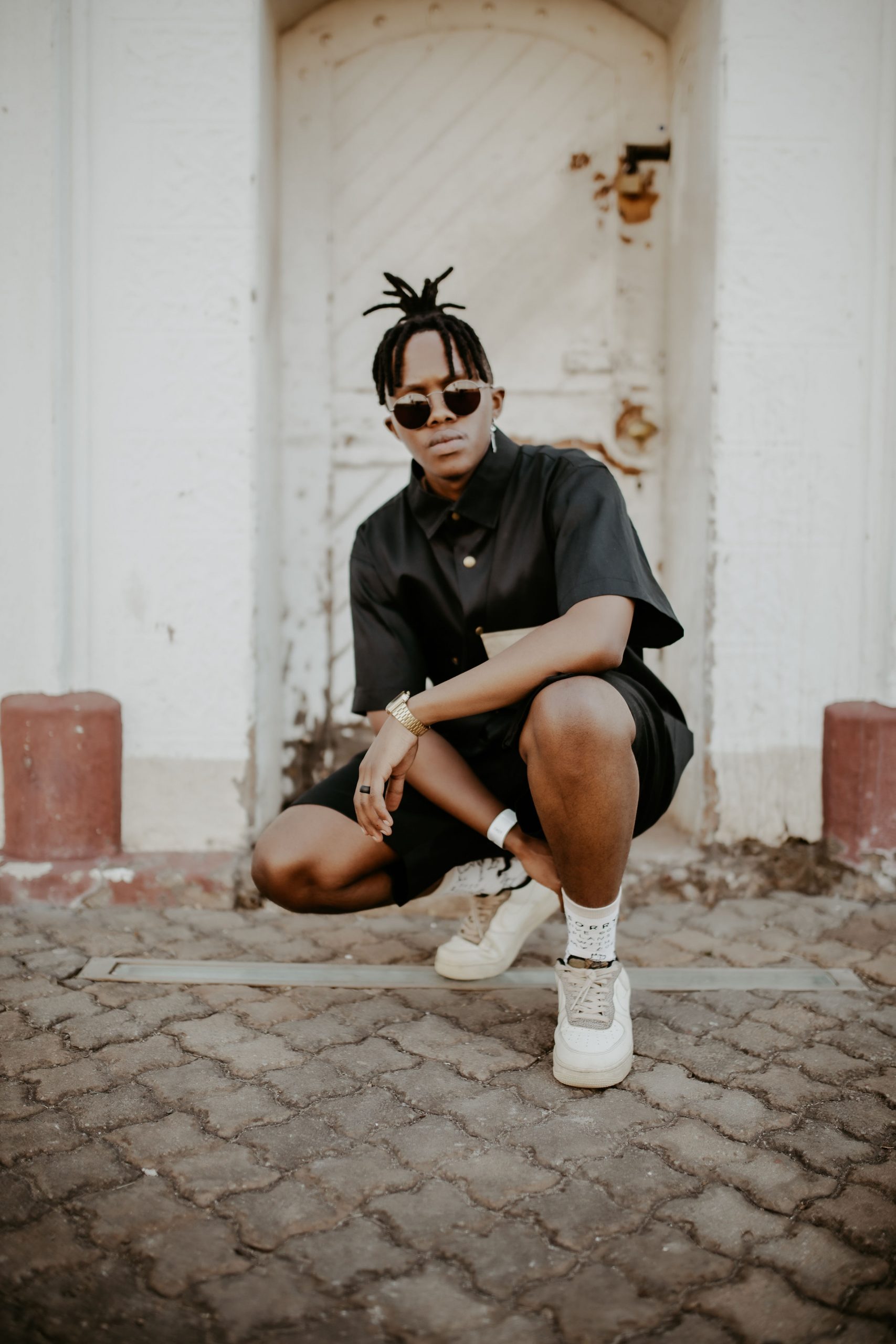
Spotify’s RADAR program is dedicated to bringing rising talent to the forefront globally, showcasing what is next in sound, and lifting artists by helping them expand their global reach on their path to superstardom.
The past few years have been a clear testament to the growth of African music globally, and this year, Spotify’s RADAR Africa program is shining a spotlight on the continent’s rising stars. Joining the ranks of previous RADAR Alumni such as Ayra Starr, Victony, BNXN, and Bloody Civilian from Nigeria, Shallipopi is the latest addition to the RADAR Africa list. Hailing from Eswatini, Manana who is South African-based follows in the footsteps of luminaries like Tyla and DBN Gogo, representing his nation’s thriving music scene.
Ugandan artist Joshua Baraka’s inclusion underscores the program’s commitment to showcasing the diverse talents that make the African continent proud through their art, following in the footsteps of fellow East African RADAR Alumni Xenia Manasseh from Kenya, with both representing the region.
Phiona Okumu, Spotify’s Head of Music, Sub-Saharan Africa says “This cohort represents some of the continent’s most promising artists. As African artists continue to rise globally, Spotify is excited to continue playing its part in the rise and discovery of local artists, showcasing their diverse talents to the world.”
Shallipopi, popularly called “Presido De La Pluto” by his fans, gained popularity through viral freestyles, offering a fresh perspective on street culture and influencing street lingo through his music. Hailing from the culturally rich Benin City in Edo State, Nigeria, Shallipopi proudly showcases his roots on tracks like “Obapluto,” one of his top five most-listened-to songs on Spotify, following “Ex Convict”. His track “Cast” holds the top spot as his most-streamed song, while his album “Shakespopi,” which has amassed over 13 million streams since its release, further highlights how he adeptly fuses tradition with modernity, and seamlessly blends his cultural heritage with contemporary elements.
Shallipopi’s reach continues to grow, with over 1.9 million additions to playlists in the last 12 months and a global audience led by Nigeria, the United States, the United Kingdom, Ghana, and South Africa over the last 28 days. The street-loved artist is embraced by Gen Z’s with 52% of his listeners aged 18-27 and millennials with 19% at 28-34. He also commands a larger male following at 66% compared to female following at 31% over the last 28 days.
Ugandan artist Joshua Baraka burst onto the scene with his soulful 2020 debut “Tomorrow,” captivating listeners across Africa and globally, and amassing a fervent following. Nigeria stands as the top country streaming his music the most on Spotify over the last 28 days, a testament to the viral success of his hit “NANA”, also his most-streamed song. Nana remix featuring African superstars Joeboy, King Promise and Bien further solidifies his popularity, ranking among Baraka’s top three most-listened tracks, trailing closely behind his other smash hit “Dalilah.”
While Nigeria leads the charge, Baraka’s cross-cultural resonance is evident as Kenya, the United States, the United Kingdom, and his native country Uganda follow among his top five streaming countries, underscoring the singer’s ability to craft melodies that resonate with diverse audiences worldwide. His core Spotify audience over the last 28 days spans Gen Z and millennials, with 53% aged 18-27 and 25% aged 28-34, while his male listenership at 59% outpaces females at 38%, further highlighting his capacity to captivate audiences across genders. With over 195k playlist adds on Spotify in the last 12 months, his ever-growing fanbase is a true showcase to the power of cross-cultural relevance and the boundless possibilities of artistic collaboration.
Hailing from eSwatini, Manana is a multi-talented singer, producer, and Grammy-winning songwriter renowned for his lush melodies and jazzy R&B production. His soulful performances and masterful songwriting prowess, include credits with Burna Boy, Jon Vinyl, Sauti Sol, and the legendary Usher, which helped catapult him to prominence.
Manana’s global appeal is evident as South Africa, the United States, Nigeria, Kenya, and the United Kingdom emerged as the top five countries streaming his music over the last 28 days. He has garnered over 144k playlist adds in the past 12 months and with an audience comprising 50% male listeners and 43% female listeners. His music resonates strongly with the younger demographic aged 18-27 making up 58% of his total streams and 23% aged 28-34, over the last 28 days. Additionally, one of his most streamed tracks on Spotify “Distance – Acoustic” features his exceptional songwriting talent.
We had a sit down with Shallipopi, Manana and Joshua Baraka to delve deeper into their music and creative journey.
SHALLIPOPI
How would you describe your musical style and what are some of the influences that have shaped your sound?
My music is experimental music or what I call Afro-talk. It’s just my type of sound.
How does it feel to be one of this year’s Spotify RADAR artists?
It feels great. It’s an opportunity for more people to meet me at the front. This is just the beginning.
Artists often face unique challenges. What has surprised you most about the music industry so far? What are some of the biggest lessons you’ve learned on your musical journey?
Nothing surprises me about the music game – I’m enjoying it. The big lesson is not to give up. Just do what you’re doing and listen to the people close to you.
Looking ahead, what are you most excited about in your musical journey?
I’m excited about everything because this is my dream. Doing music back to back, I’ve been doing music since I was a child so everything about it is exciting.
MANANA
How would you describe your musical style and what are some of the influences that have shaped your sound?
I would say I make alternative RnB, with a singer-songwriter twist. My influences are a combination of training from my upbringing, harmonies from choir school, chord progressions from jazz studies and then the rest is from hearing RnB and neo-soul music from my brother’s CD collection
How does it feel to be one of this year’s Spotify RADAR artists?
Feels good. It’s a privilege, I’m very grateful. It is reassuring and encouraging to see that the work we’re putting in is appreciated.
Artists often face unique challenges. What has surprised you most about the music industry so far? What are some of the biggest lessons you’ve learned on your musical journey?
I don’t think I’ve had any surprises. But I think the struggle I had to deal with was comparison. I think social media has given us access to parts of the world that previously weren’t easily accessible, but has also exposed us to this feeling of inadequacy that maybe isn’t warranted. I think focusing on what I’m doing and not trying to make music that would be viral or “challenge-friendly” has been my biggest lesson.
Looking ahead, what are you most excited about in your musical journey?
Growth. Every year I start with that being my goal. I’m not sure what that looks like exactly but I know consistent growth has no limit. So that’s the hope for the future.
JOSHUA BARAKA
How would you describe your musical style and what are some of the influences that have shaped your sound?
I’d describe my musical style as an interpretation of what I feel at the time I’m making that particular piece of music. Basically, my music is who I am so I’d describe my music as another version of me. I’ve been influenced by a lot of gospel musicians because I grew up in a staunch Christian family. As I grew up and got access to more genres of music, I became obsessed with Bob Marley, Chronixx, jazz music in general and every RnB artist I could find.
I’ve also been influenced by Ugandan artists like Radio from the duo Radio and Weasel, Maurice Kirya and Elly Wamala.
How does it feel to be one of this year’s Spotify RADAR artists?
It feels really good to be chosen to be a part of this year’s RADAR artists. I feel like a part of something bigger than myself. It’s a step in the right direction and vision which is to shine light on Uganda and East Africa in general.
Artists often face unique challenges. What has surprised you most about the music industry so far? What are some of the biggest lessons you’ve learned on your musical journey?
What surprised me the most about the music industry is how different it is from whatever you see on TV and the internet. It’s not as smooth and easy as it’s made to appear. My biggest lesson so far is that you need to show up regardless of how you feel and do what you need to do. That is the price for growth.
Looking ahead, what are you most excited about in your musical journey?
I’m excited for the day Uganda is recognized on the music scene globally because we have a lot of talents, tujja tujja. For myself, I’m excited to share all the new music I have been working on and some serious work coming up. I’m excited about where all this journey is headed
Check out Shallipoppi’s ASAP and Cast, Manana’s Hold Me Tight and Sunday Morning, as well as Joshua Baraka’s Dalilah and Nana Remix on RADAR Africa. Assets to go along with your story are attached. Let me know if you have any questions or are interested in covering!


