

General
ESG Obligations Leading to Risk of Increased Litigation for African Businesses

By Darryl Bernstein
As African businesses begin to recover and build the resilience needed to successfully navigate COVID-19 disruption, a focus on Environmental Social and Governance (ESG) strategies is proving to be essential for long-term success.
In order to stay competitive, organisations based in Africa are engaging meaningfully with ESG to build robust sustainability strategies that meet stakeholder expectations and enable compliance with global and domestic mandatory and voluntary ESG standards and codes.
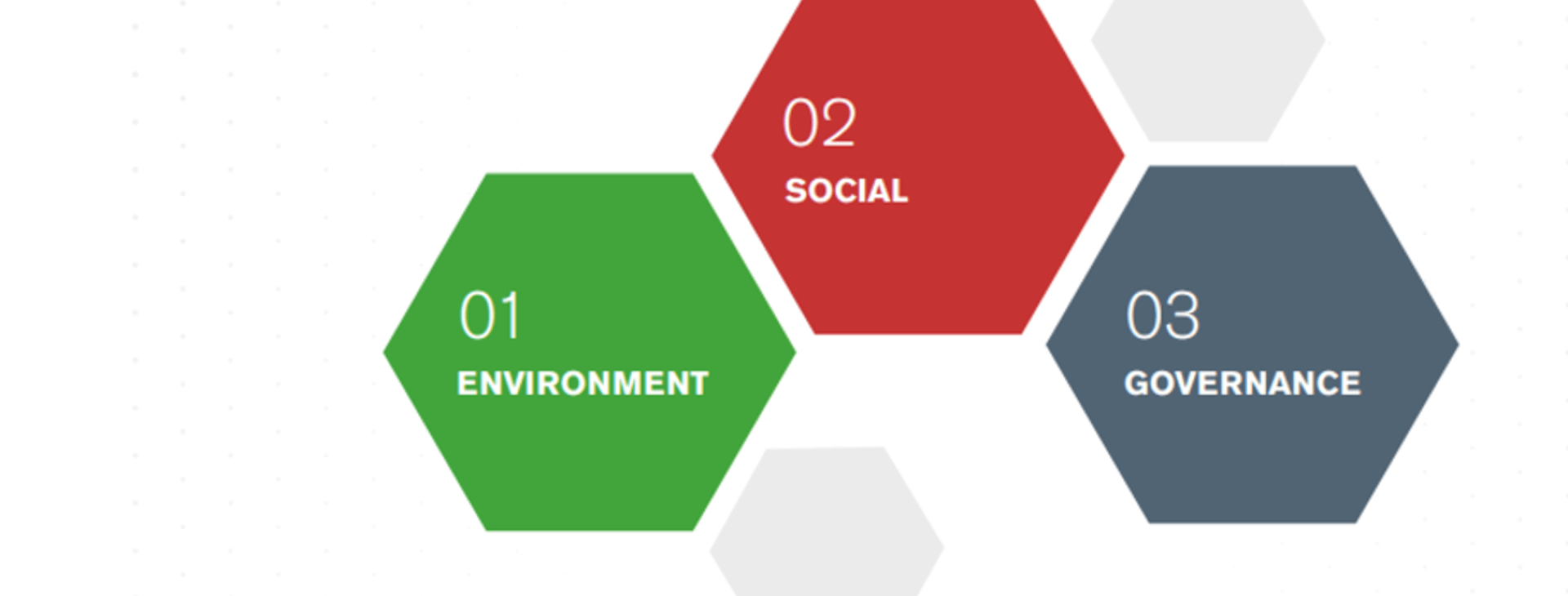
ESG encompasses a broad range of issues across the spectrum of Environmental (climate change, biodiversity, waste, water and resource use, pollution), Social (human rights, labour practices, HSE, diversity); and Governance (corporate governance, ethics, compliance) matters.
As climate change impacts become clearer and nearer, there is an increasing emphasis on the Environment aspect of ESG. After the pandemic, initiatives in Africa are expected to have a heightened focus on green, low-carbon and sustainable development, via, for example, clean energy production, community care initiatives, green transport and sustainable water projects, wildlife protection programmes and low-carbon development projects.
There is a major role for ESG policies to play in mitigating some of the effects of climate change, through planning and building for hotter temperatures, higher sea levels and more extreme weather conditions, for example.
Organisations are adopting new strategies that address climate change risk and identify the sustainable opportunities that arise from addressing climate concerns. To regulate this, there are likely to be developments from African regulators in the near future that address climate risk disclosure requirements for businesses operating on the continent.
Post-pandemic, the discussions around ESG are also resulting in an added emphasis on the Social aspect – which, among other things, focuses on protecting an organisation’s workers and the wider local populations in which these businesses are based.
Organisations are looking at ways to build better social programmes that are more resilient to future pandemics and ensure good business practice. A focus on issues such as enhancing considerations around the health and safety of employees and communities, implementing diverse and inclusive workplace cultures, and building good management teams that can pull employees together in all kinds of remote, physical workplace and hybrid settings, put companies in a strong position to move forward.
The Governance aspect has also been emphasized by the pandemic, with an increased focus on due diligence around compliance with regards to anti-bribery and corruption, data privacy and cyber security legislation, for example.
Some of the larger African jurisdictions have already implemented mandatory ESG and sustainability reporting frameworks and, going forward, more African regulators are expected to replace current voluntary frameworks with mandatory ones or to adopt new mandatory frameworks. In turn, organisations operating in Africa will seek guidance and more detail from corporate regulators on how they want to see ESG reported and the practices behind the reporting process.
In South Africa, there are many laws that govern ESG factors, including business and financial sector conduct, economic and social empowerment and environmental protection. Voluntary codes such as the King IV Code on corporate governance and the Code for Responsible Investing in South Africa also serve as a guide to businesses on ESG considerations.
Other examples include Kenya, where the Capital Markets Authority introduced Stewardship and Corporate Governance Codes in 2017 and Nigeria, where the Nigerian Code of Corporate Governance was introduced in 2019. Globally, in addition to numerous country-specific laws, there are a plethora of voluntary sustainability-focused codes and standards, including the UN Guiding Principles on Business and the Human Rights and UN Guiding Principles Reporting Framework.
ESG risk management has become a mainstream component of corporate due diligence programmes, and corporate boards are being held accountable for their ESG practices by their shareholders, stakeholders and management teams. Risks for non-compliance with the multitude of global and local laws, voluntary codes and best practices governing ESG factors range from criminal prosecution and hefty fines to reputational risk and business failure as a result of not fulfilling ESG commitments.
Actual and perceived non-compliance with ESG regulations and best practices have engendered activist shareholder protests and action against the parent companies of global groups. A key challenge for businesses is navigating where the laws end, and business strategy and market expectations begin. This is especially the case when navigating the major global issues of, for example, environmental standards and human rights responsibilities. Such issues often lead to activism, litigation and class actions if a business falls short of sustainability standards or appears to be breaking publicly made promises.
Contractual liabilities around ESG must be carefully considered, as contracts that stipulate compliance with certain standards can trigger a breach of contract claim if there is seen to be any violation of the terms. It would be better for businesses to ensure in advance that they can fulfil specific ESG obligations before agreeing to them contractually. Limitations of liability should also be agreed upon to mitigate the risks.
Further, if companies have made public promises regarding their ESG obligations and they are seen to be not fulfilling such obligations, they could be vulnerable to the threat of class actions that are brought by consumers and shareholder activists. Companies should identify what ESG goals can be properly measured, and what goals should be clearly defined as being aspirational and ensure that this is accurately communicated in the public domain. Reputational damage from ESG non-compliance escalates quickly and can be difficult to recover from.
For African organisations, maintaining a long-term sustainability strategy ensures sound financial performance, full compliance with local and global laws and frameworks, and substantially increased resilience in a challenging post-pandemic environment. In the current global environment, ESG is no longer just about doing the right thing, the dial has shifted and having a legally sound and comprehensive approach to ESG considerations is a prerequisite for business success.
Darryl Bernstein is a Partner and Head of the Dispute Resolution Practice at Baker McKenzie in Johannesburg


