Connect with us

General

Using the Waste to Wealth Model to Address Nigeria’s Plastic Waste Problem 

Published

on

Waste to Wealth

By Adedapo Adesanya 

In the inroads of Ajike Falaye Street in Mosan-Okunola LCDA Alimosho, a young man was using a spade to lift wet sand out of a clogged drainage system on a Wednesday night in April, a hasty move to avoid hefty punishment meted out by the Lagos State government for poor sanitation.

Thursdays are designated by the Lagos state for general sanitation, and commercial activities are put on hold till 10 am. The young man, Isaiah, told me, “These plastics are always too much,” and he is not alone in this. According to a report, Nigeria ranks ninth among countries with the highest contributions to plastic pollution, with close to 90 per cent of them not recycled. 

While many see this issue as a business opportunity, others see it not just through this limited scope.

According to Babatunde Sanni, the project coordinator at Waste to Wealth (Watowe),  it is applying a double model to solve the plastic problem while utilising other value-added services like healthcare to bring about the desired goal of recycling among the people of the communities it operates. 

“The reason why we decided to tackle plastic waste is because of sustainability. We looked at rural communities in the first stages. We do a lot of community work to ensure that they not only tackle this issue head-on but how can we offer them value? So we look at how we can kill two birds with one stone, hence, why we created waste to wealth or Watowe,” said Sanni. 

“It was instrumental in getting their trust, and one thing about people in communities that we deal with is the hard task it takes to win their trust. From our onset, we just had to do a lot to win their trust because getting their trust was necessary before we can bring about desired behaviour from those we target.” For instance, after proper monitoring and evaluation, the team, alongside volunteers and partners including Glovo, and Inspired Youth Network, among others, have cleaned up communities and beaches in Lagos. 

The Mechanisms of Watowe 

According to Mr Sanni, Watowe was started in 2017 after he identified the many issues prevalent in the Nigerian environment. This came after in-depth research that saw him visit several communities in Lagos, Abuja, and other states. He noted that the rural communities were the first entry point before moving on to more sub-national locations. 

“The rural community is the first stage when it comes to solving issues like this. We looked at what other value of wealth we can give them, so we noted that while the wealth approach will not involve money, we can have a replica of that.”

This, he said, involved the use of healthcare subsidies that are insured by waste. The company partners with several healthcare companies that allow residents of these communities access to several insurance packages. Speaking of how this is done, Sanni noted that. “It is a give-and-take approach. We have to offer them something to earn their trust. After this, we then issue the cards. These insurance cards range from life, health, and gadgets, and we will bring more on board in later years.” 

Gaps 

The low level of recycling, which is less than 12 per cent, poses a huge threat to plastic pollution management in Nigeria. But it has reached a better position in the last few years and despite the many promises present in the field, Sanni noted that, like every company that takes the initiative approach to solve issues that relate to the environment, funding is a major hurdle. Watowe is a self-funded enterprise, and accounting for the high cost it takes remains a problem that he hopes will be resolved in the long run. 

“The major problem we face is the cost of logistics. The value never matches the logistics. Since we became registered in 2020, we have had to do all the heavy lifting ourselves, and we hope that with the steps we are taking, we will be able to meet our target.”

He further revealed that there are some strides that he couldn’t disclose due to the legal restraints on them but noted that by 2023, Watowe would have increased its capacity to around 15 tonnes per day. 

“Currently, we have recycled about 200 tonnes of plastic waste, but we are moving to bring these communities into the fold to improve this. We try not to act like those companies that set themselves unreal targets.”

Closing the Gaps 

Watowe has committed to continue its advocacy, project building, and community outreach while banking on its business model but advocated for more laws. The Lagos State government last year planned to launch new legislation to curb the menace of waste in the state and support businesses in the circular economy, but that hasn’t seen the light of day. The drawback in law remains a large hurdle with the slowdown in the move to ban polythene products. Also, the Nigerian government, despite making no law to introduce taxation on Single Use Plastics tax. This raised concerns from manufacturers that it does not appear to have a basis in law, as it is not provided for under the Customs, Excise, Tariff, etc. (Consolidation) Act (CETA), unlike beverages and tobacco.   

Sanni noted that the government needed to be more deliberate in taxing plastic products, suggesting that companies should charge consumers to bring their bags from home or pay for them, adding that this will change their behaviours. 

“If this is done, people will come with paper bags. I know that we cannot completely ban plastics in one fell swoop, but we can make considerable progress with it in Nigeria, and with the work we have seen in the last few years, I say we are getting there.”

Community Impact and Progress 

Watowe has been able to reach a considerable number of communities in Lagos. According to information shared, the company has seen its impact in Odumola in Epe, Orile, Okun Aja, and Sangotedo.

In the Odumola environs of Epe, Watowe has cleaned up entire streets and applied collection points where residents can dump their single-use plastic containers. This has been replicated in the Orile area in Agege. 

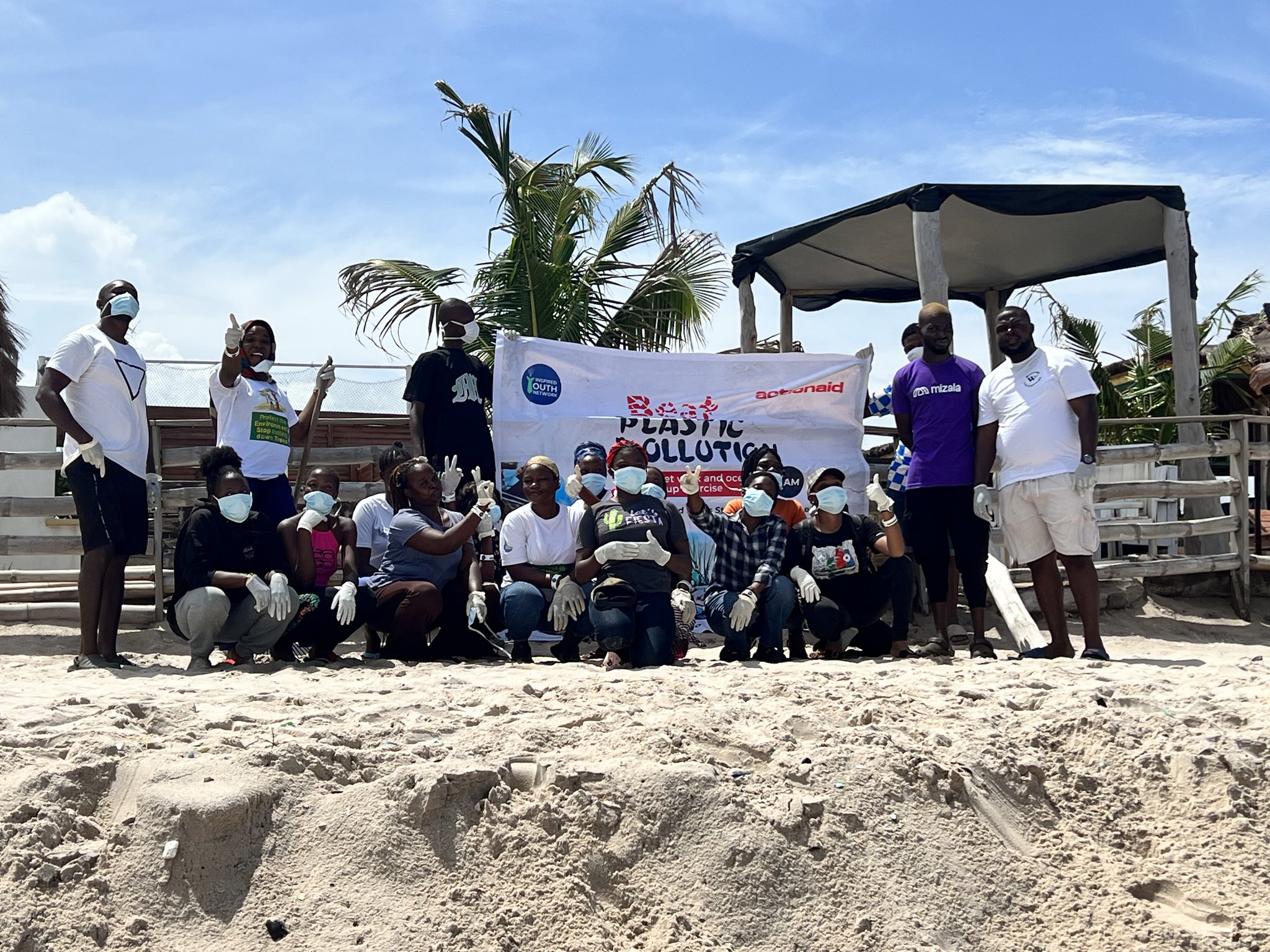
In June 2023, during the celebration of World Environment Day, in partnership with Action Aid Nigeria and Inspired Youth Network, there was a clean-up at Coney Island Lagos, one of the beach resorts in Lagos. This was followed by an awareness event on the threat of plastic pollution to the environment, where the collective organisers encouraged collective action. 

The most significant intervention was done at Noon (pronounced noo nee) Street in the Oworonshoki area of the state. Collection points for plastic waste were applied, and residents could bring their packs of waste and get rewarded. 

This is, however, yet to catch much attention, but Sanni said that progress depends on a lot of things. One of these is trust. He revealed that once trust has been established, there needs to be more that needs to be done. 

The Lagos State government has played its part, he said, but the public-private partnerships need to extend to sustainable projects as well. He said the Lagos State administration over the last 15 years had made sizeable impacts which Watowe has been part of. These include seminars and special lectures that saw industry players come on board but admitted that policies could remain a drawback where necessary. 

“No matter your contingency, as long as the government doesn’t do certain things, you are back to square one. They have the larger role to play before we can do our bit,” he said. 

Educating the Next Generation on Recycling 

Watowe has also extended its reach beyond grassroots communities and into the vibrant Generation Alpha with the collaboration it has had with primary and secondary schools. Mr Sanni said the company was working with a number of schools, including Meadow Hall Schools in Lekki, where it is a constant feature in its recycling club. This club is tasked with debates, assignments, and projects around recycling, and this has brought about more results since it commenced Post-COVID. Another such beneficiary is Ilasan Nursery and Primary School, which, unlike Meadow Hall, doesn’t have a defined recycling club yet but partakes in activities from time to time. Watowe hopes that with its expected growth and reach, more schools will be able to tap into this. 

Sanni noted that partnerships like these are welcome, and investors and funding will see more initiatives pop out. Already some initiatives like Wecyclers and United Cylcers are pushing ahead with their intervention, but for people like Isaiah, the impact is yet to reach them. 

This story was produced in partnership with Nigeria Health Watch through the Solutions Journalism Network, a non-profit organisation dedicated to rigorous and compelling reporting about responses to social problems.

Waste to Wealth Babatunde Sanni

Adedapo Adesanya is a journalist, polymath, and connoisseur of everything art. When he is not writing, he has his nose buried in one of the many books or articles he has bookmarked or simply listening to good music with a bottle of beer or wine. He supports the greatest club in the world, Manchester United F.C.

1 Comment

1 Comment

  1. Pingback: Using the Waste to Wealth Model to Address Nigeria’s Plastic Waste Problem – Solutions Journalism Africa Initiative
Leave a Reply

Your email address will not be published. Required fields are marked *

General

Surrogacy Laws in Ukraine: What Every International Parent Must Know Before Starting the Process

Published

on

surrogacy

One of the primary reasons international couples choose surrogacy in Ukraine is the country’s clear and well-defined legal framework. Unlike many nations where surrogacy exists in a legal gray area or is outright prohibited, Ukraine has codified the rights of intended parents, the obligations of surrogate mothers, and the procedures for establishing legal parenthood.

Understanding these laws is not just advisable but essential. Proper legal preparation ensures that your parental rights are protected, that the process runs smoothly, and that your child’s citizenship and documentation are handled correctly from day one.

The Legal Foundation of Surrogacy in Ukraine

Surrogacy in Ukraine is primarily regulated by two pieces of legislation: the Family Code of Ukraine and the Civil Code of Ukraine. The most significant provision is Article 123, Paragraph 2 of the Family Code, which states that when an embryo conceived through assisted reproductive technologies is transferred to another woman’s body, the married couple who initiated the procedure are recognized as the parents of the child.

This provision is remarkably protective of intended parents. It means that from the moment of embryo transfer, the intended parents are considered the legal parents. The surrogate mother has no legal claim to the child, and there is no requirement for an adoption process or court hearing to establish parenthood.

Additionally, Article 139 of the Family Code reinforces the principle that the surrogate cannot contest the parentage of a child born through a surrogacy arrangement. This dual-layer legal protection is one of the strongest in the world and is a major reason why surrogacy in Ukraine is so attractive to international couples.

Who Is Eligible for Surrogacy in Ukraine?

Ukrainian law sets specific eligibility criteria for intended parents. To qualify for a surrogacy program, you must meet the following requirements:

Marital status: Both partners must be legally married. Ukraine requires a valid marriage certificate, which must be translated into Ukrainian and apostilled.

Medical indication: There must be a documented medical reason why the intended mother cannot carry a pregnancy. This could include uterine abnormalities, repeated IVF failures, recurrent pregnancy loss, or other reproductive health conditions.

Heterosexual couple: Under current Ukrainian legislation, surrogacy is available only to heterosexual married couples. Single parents and same-sex couples are not eligible at this time.

Genetic connection: At least one of the intended parents must have a genetic connection to the child. This means that either the eggs or the sperm (or both) must come from the intended parents. Donor gametes may be used for one component if medically necessary.

The Surrogacy Agreement: Legal Protection for All Parties

Before any medical procedures begin, a comprehensive surrogacy agreement must be executed between the intended parents and the surrogate mother. This legally binding contract is a cornerstone of the process and covers several critical areas.

The agreement defines the rights and obligations of both parties, the compensation structure for the surrogate, medical care provisions during pregnancy, conditions under which the agreement may be terminated, and the procedures for establishing parenthood after birth. Ukrainian law requires this agreement to be notarized, and experienced agencies ensure that all legal requirements are met.

Working with an agency that has in-house legal expertise is essential for ensuring the agreement complies with Ukrainian law and addresses the specific needs of the intended parents. Agencies like Militta provide dedicated legal teams that handle all documentation, from the initial surrogacy agreement to the final birth registration.

For more details about how the legal and medical process works, visit Militta’s comprehensive surrogacy guide.

Birth Registration and Documentation Process

One of the most important moments in a surrogacy journey is the birth of the child and the subsequent documentation process. In Ukraine, this is remarkably straightforward compared to many other countries.

Immediately after the birth, the child’s birth certificate is issued by the local civil registration office (known as RAGS in Ukraine). The certificate lists the intended parents as the mother and father, with no mention of surrogacy or the surrogate mother. The surrogate’s consent is not required for this registration because Ukrainian law already recognizes the intended parents’ rights from the moment of embryo transfer.

After obtaining the birth certificate, the intended parents must proceed with several additional steps. The birth certificate must be apostilled and translated for use in their home country. They must then visit their home country’s embassy or consulate in Ukraine to register the child’s birth, obtain citizenship documentation, and apply for a passport or travel document for the newborn.

The timeline for this post-birth documentation process typically ranges from two to six weeks, depending on the home country’s embassy processing times. During this period, intended parents usually stay in Ukraine, and their agency provides accommodation assistance and logistical support.

Country-Specific Considerations for International Parents

While Ukrainian law is clear and protective, intended parents must also consider the legal requirements of their home country. Different nations have varying approaches to recognizing children born through international surrogacy.

Parents from countries within the European Union, for example, may need to go through additional recognition procedures depending on their specific national laws. Some EU countries, such as Spain and France, have historically been more complex in recognizing surrogacy-born children, while others, like Portugal, have clearer pathways.

Parents from the United States, the United Kingdom, Australia, and China each face their own specific documentation requirements. A knowledgeable surrogacy agency will be familiar with the requirements of your home country and can guide you through the specific steps needed to bring your child home.

Surrogate Rights and Protections in Ukraine

Ukrainian surrogacy law also establishes protections for surrogate mothers. To be eligible, a surrogate must be between 18 and 35 years of age, have at least one healthy child of her own, and pass comprehensive medical and psychological evaluations. These requirements ensure that surrogates are making informed, voluntary decisions.

Surrogates in Ukraine receive compensation that is contractually guaranteed, along with full medical care throughout the pregnancy and a reasonable recovery period after birth. Reputable agencies ensure that surrogates are treated with dignity and that their health and wellbeing are prioritized throughout the process.

Surrogacy in Ukraine in 2026: Current Status and Safety

As of 2026, surrogacy programs in Ukraine continue to operate with full legal backing. The legal framework governing surrogacy has remained stable, and clinics in central and western Ukraine, particularly in Kyiv and Lviv, maintain their operational capacity.

Reputable agencies have implemented comprehensive safety protocols to protect all parties. This includes careful selection of medical facilities in secure locations, contingency planning for logistics, and continuous communication with intended parents throughout the process. International travel to Ukraine is facilitated through European transit routes, and agencies assist with all travel arrangements.

Frequently Asked Questions About Surrogacy Law in Ukraine

Can the surrogate mother change her mind and keep the baby?

No. Under Ukrainian law, the surrogate has no legal rights to the child. The intended parents are recognized as the legal parents from the moment of embryo transfer, and the birth certificate is issued in their names.

Do I need to go through an adoption process after the surrogate gives birth?

No. Unlike many other countries, Ukraine does not require any adoption proceedings for surrogacy-born children. The intended parents’ names appear directly on the birth certificate.

What documents do I need to start a surrogacy program in Ukraine?

You will typically need a valid marriage certificate (apostilled and translated), passports for both intended parents, medical documentation confirming the need for surrogacy, and a notarized surrogacy agreement. Your agency will provide a complete document checklist.

How do I bring my surrogacy-born child back to my home country?

After obtaining the Ukrainian birth certificate, you must register the birth at your home country’s embassy in Ukraine, obtain citizenship documentation, and apply for a passport or travel document for the child. This process typically takes two to six weeks.

Is surrogacy in Ukraine safe in 2026?

Yes. Surrogacy programs operate successfully in central and western Ukraine, with established safety protocols. Leading agencies like Militta have extensive experience managing programs for international clients and ensure the safety and wellbeing of all parties involved.

Ensuring a Legally Secure Surrogacy Journey

The legal landscape of surrogacy in Ukraine is one of the most favorable in the world for intended parents. With clear legislation that protects parental rights from the very beginning, a straightforward birth registration process, and no need for adoption proceedings, Ukraine provides a secure foundation for building your family.

The key to a successful surrogacy journey lies in thorough preparation and partnership with experienced professionals. By choosing a reputable agency with proven legal expertise, you can navigate the process with confidence, knowing that every step is handled in compliance with Ukrainian law and with your family’s best interests at heart.

Continue Reading

General

ADC Lawmakers Oppose Tinubu’s $516m Loan Request for Highway

Published

on

badagry sokoto highway

By Adedapo Adesanya

The African Democratic Congress (ADC) Legislators’ Forum has condemned the latest move by President Bola Tinubu to secure Senate approval for an additional external loan of $516,333,070 for the Sokoto–Badagry Super Highway project.

Mr Tinubu requested Senate approval for a $516.3 million syndicated loan to finance key sections of the Sokoto–Badagry Superhighway, a major infrastructure project under his administration’s Renewed Hope Agenda from Deutsche Bank.

The request, contained in a letter read during plenary on Thursday by the Senate President, Mr Godswill Akpabio, seeks legislative authorisation in line with Sections 16 and 21 of the Debt Management Office (Establishment) Act, 2011.

However, the opposition lawmakers said it is not only alarming but becoming of the Tinubu administration to make borrowing its default economic policy, with little regard for sustainability, accountability, or the well-being of future generations.

The forum, in a statement jointly signed by its chairman, Mr Uko Ndukwe Nkole, as well as leaders from each geopolitical zone, noted that while no responsible opposition undermines the importance of infrastructure development, the cost and conditions of such projects must be queried.

According to the ADC lawmakers, Mr Tinubu’s government has failed to convincingly demonstrate that its endless appetite for loans is guided by a coherent, transparent and economically viable repayment strategy.

“Instead, Nigerians are witnessing a troubling pattern; one where debt accumulation is prioritised over prudent fiscal management, innovation, and domestic resource mobilisation.

“Nigeria is already weighed down by a crushing debt burden, with debt servicing swallowing a staggering proportion of national revenue. Yet, rather than confronting this reality with discipline and reform, the Tinubu administration continues to plunge the country deeper into what can only be described as a looming debt catastrophe.

“Each new loan tightens the noose around the nation’s economic sovereignty, leaving future generations to pay for today’s lack of foresight.

“Even more disturbing is the timing of this request. As the nation inches closer to a major general election cycle, Nigerians are right to question the motives behind this borrowing spree.

“Is this truly about development, or is it another attempt to create avenues for political patronage and electoral advantage? History has taught us to be wary of last-minute, large-scale financial commitments made under the guise of national interest,” the statement read in part.

The ADC Legislators’ Forum insisted that the National Assembly must not act as a rubber stamp or a pro-group of President Tinubu in this matter.

It said the Senate, in particular, must rise to its constitutional responsibility by demanding full disclosure of the project’s financial details, procurement processes, cost-benefit analysis, and a credible repayment plan, as anything short of this would amount to a betrayal of public trust.

The lawmakers called on the administration to redirect its focus toward policies that can genuinely strengthen Nigeria’s economy; policies that promote productivity, industrial growth, job creation, and the plugging of revenue leakages.

“We must clearly state that governance is not a free ride without consequences. Those who make decisions today that endanger the economic future of millions of Nigerians must understand that a day of reckoning will inevitably come.

“The Nigerian people will demand answers, accountability, and justice for policies that have deepened hardship and mortgaged the nation’s destiny. Nigeria stands at a critical crossroads.

“We can either choose the path of responsibility, discipline, and sustainable growth, or continue down this perilous road of debt dependency and economic vulnerability,” the statement added.

Continue Reading

General

RMAFC Kicks Off Data Verification for Revenue Allocation Framework

Published

on

RMAFC

By Modupe Gbadeyanka

A nationwide data verification exercise to review the factors and proxies used in the sharing of revenue among states and local governments has commenced.

The revenue allocation framework initiative is being conducted by the Revenue Mobilisation Allocation and Fiscal Commission (RMAFC).

The goal is to ensure that the distribution of national resources accurately reflects the current socio-economic realities across the federation, a statement signed by the organisation’s Head of Information and Public Relations Unit, Ms Maryam Umar Yusuf, stated.

In the statement issued on Thursday, the chairman of the commission, Mr Mohammed Bello Shehu, was said to have posited that the exercise would strengthen fiscal federalism and enhance national development planning across the country.

According to him, credible and verified data remains the foundation of a fair and sustainable revenue allocation system.

“The commission is committed to ensuring that Nigeria’s revenue allocation framework reflects the realities on the ground. Accurate data is the backbone of fairness, equity, and national cohesion.

“This nationwide exercise represents our determination to build a more transparent and responsive revenue distribution system that serves the interests of all Nigerians,” he noted.

Mr Shehu urged the state governments, local authorities, traditional institutions, civil society organisations, and community leaders to provide full cooperation to the agency’s verification teams, emphasising that the outcomes of the programme will have far-reaching implications for national planning, fiscal management, and balanced regional development across the federation.

As part of its nationwide rollout strategy, it has scheduled region-by-region data verification exercises across all states of the federation and the Federal Capital Territory (FCT), Abuja.

The exercise will involve systematic collection, validation, and reconciliation of critical socio-economic and infrastructural data used in determining revenue allocation indices for horizontal revenue sharing.

It was disclosed that the focus would be on key indicators like education and health provision, internal revenue generation capacity, and infrastructure development across the states and local government areas.

Stakeholder engagement sessions will also be conducted in each state to ensure transparency, build trust, and promote collaborative participation among government agencies and local communities.

Nigeria’s revenue allocation framework relies on specific indices, including those of population, landmass, infrastructure, and socio-economic development indicators, all of which must be periodically reviewed to reflect changing realities.

Continue Reading

Trending