
World
Russia’s Economic Influence Lags Behind its Geopolitical Rhetorics and Propaganda in Africa

By Kestér Kenn Klomegâh
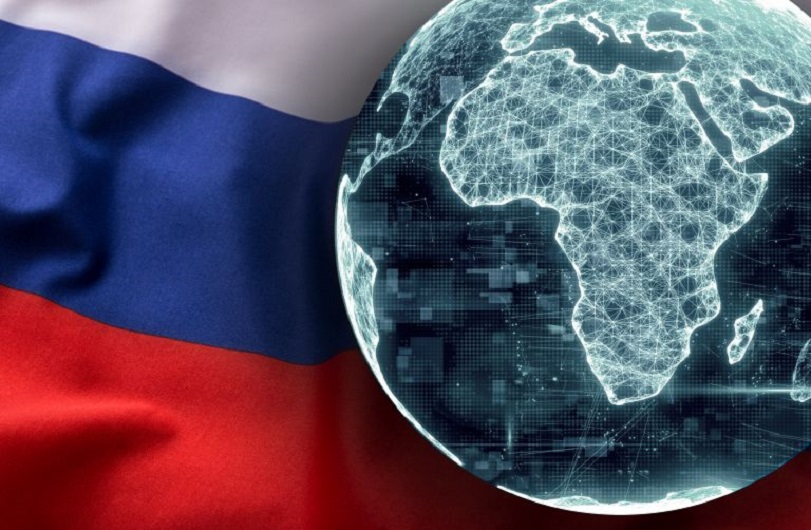
With its Russia-Africa Partnership Forum Action Plan (2023-2026), approved finally as a working document by the Kremlin, Russia faces long meandering road, especially in implementing several bilateral agreements signed with African countries. While maneuvering around challenges and obstacles inside Africa, Russia has still not fixed concretely financial budget for development projects, and worse Russia’s financial institutions are unprepared to invest capital in Africa, reflecting comparative low dynamics in resetting its economic influence in Africa. Russia has, therefore, lags far behind its geopolitical rhetorics and propaganda.
On June 4, under the chairmanship of Russian Foreign Minister Sergey Lavrov, a meeting of the Collegium of the Ministry of Foreign Affairs of the Russian Federation was held on the topic “Furthering Russia’s cooperation with Africa.” While the meeting underscoring the priority status of comprehensive relations with the African continent in line with the Concept of the Foreign Policy of the Russian Federation approved by the President in 2023, it also reminded preparations for the second ministerial conference of the Russia-Africa Partnership Forum, scheduled to take place this year in an African state, which will serve as a key milestone ahead of the third Russia-Africa Summit in 2026.
After two historic Russia-Africa summits, several conferences and bilateral meetings intended to move Russia’s relations from stagnation to growth, from low-level to a higher stage within the context of geopolitical competition and rivalry, has hit institutional obstacles including political bureaucracy and lack of prioritizing the implementation of official policies. Russia’s decision to quit the investment landscape could largely be attributed African leaders inability to create favourable climate, un-preparedness to change rules and regulations for foreign corporate businesses to operate in Africa.
Despite its tectonic desire to raise investment in energy and food security, infrastructure and industrial projects, Russia has still lagged behind in implementing its Action Plan Agenda 2023-26 approved during St. Petersburg summit. Policy researchers and experts have also underlined the empirical fact that African leaders have to be blamed for Russian businesses quitting Africa. During these previous years of exploring the question of Russia’s economic presence and the long-term implications, the discovery has been fantastic and mixed, while at times presented some interesting complications and contradictions.
At least, since the first Russia-Africa summit held in 2019, Russia has significantly reset its focus on investing in Africa’s economy, engaged in appreciably resonating public relations. The loudest was the planned construction of nuclear energy plants in Burkina Faso located in West Africa, and in South Africa. Now African leaders, policymakers, business leaders and investors have started rethinking alternative dynamic development models within the context of changing situation in the global economy.
There are many contributing factors to the policy mindset. And moreover African leaders are establishing hidden leverages and adopting a new psychology towards success that are connected to economic development in the continent. A few studies have shown that African business directors entrepreneurial attitudes have changed these decades, in spite of the geopolitical challenges by moving away from reactive to proactive positions in order to improve bilateral situation with Europe and the United States.
The leaders are more concern over growing demographics, rising youth unemployment and social standing of the population. Across Africa, 50-60% of the population is below the age of 25, according to United Nations reports. Leaders are also worried over their political campaign promises and their economic manifestos delivered to the respective electorates, and consequently rhetoric and popular slogans usch as ‘international solidarity and friendship’ are now geopolitical tools of the past. Understandably, these are the stark realities of the present times.
Such emerging trends, as mentioned above, have far-reaching implications particularly for Russia. Under this circumstances, it could still develop an integrated strategies for re-asserting visible economic influence in Africa, but a few reports below equally have some negative connotations. In late May 2025, the Russian media Interfax reported, quoting the press service of Russian state bank VTB, that the shareholders of Banco VTB Africa voted at a general meeting to approve a decision to liquidate the bank. “Work is now being done with the regulator (the National Bank of Angola) to make the relevant decisions on the arrangements for working on the liquidation in accordance with the legislation of the Republic of Angola,” VTB said.
It was really anticipated as VTB first deputy CEO Dmitry Pyanov said, initially, in February that the Angolan subsidiary’s license was to be terminated finally in this summer. Report explicitly shows that VTB previously owned 50.1% of Banco VTB Africa and the president of Angolan state company Endiama, Antonio Carlos Sumbula owned the other 49.9%.
Worth noting here that VTB focuses on work in Russia and in countries with which there has a large volume of foreign trade, above all China, trade with which reached US$290 billion in 2022. In early March, Russia’s VTB head Andrei Kostin, also said in an interview with the French newspaper Les Echos, that the VTB would sell its subsidiary bank in Angola due to sanctions. VTB was one of the first to be added to the United States and European Union (EU) sanctions lists, which hit the bank’s international business hard, following the launch of the military operation in Ukraine in February 2022.
Similarly there is also the historical fact that Russia contributed tremendously during South Africa’s political struggle until it attained independence. The outlook of bilateral relations is excellent, both staunch members of BRICS association (Brazil, Russia, India, China and South Africa), but Russia’s low level of economic investment is noticeable. By comparison, Russia accounts for a paltry 2% of South Africa’s trade, while the United States, United Kingdom and the European Union account for a combined 35% – with China around 9%. Energy deficit has crippled industrial operations, often described as unjustifiable and unacceptable as South Africa waves its baton, signaling power, on international stage but currently experiencing the worst economic crisis of its history. South Africa and Russia have lately drawn criticisms, while the basic question focused on the reasons why Russia has terribly failed with the planned construction of nuclear power plants under former President Jacob Zuma.
Mark-Anthony Johnson noted in his opinion article of early August 2023, published in Business and Financial Times, that “South Africa risks becoming bankrupt for its relationship with Russia, which adds virtually nothing to the economy, state revenues, economic growth, job creation, socioeconomic stability and investor sentiment.” South Africa has been hit with problems ranging from energy deficits, collapsing industrial production and rising tensions among the large labour force.
Despite consistent assurances made by high-ranking Russian officials that Africa is “in the mainstream of Russia’s foreign policy” have not been substantiated by systematic practical activities, and worse serious lack of state support for sustaining effective Russia-African economic ties have necessitated the pulling out of a number of Russian companies from Africa.
Undoubtedly, a number of Russian companies have largely under-performed in Africa, which experts attributed due to multiple reasons. Most often, Russian investors strike important investment niches that still require long-term strategies and adequate country study. Grappling with reality, there are many investment challenges including official bureaucracy in Africa.
In order to ensure business safety and consequently realize the target goals, it is necessary to attain some level of understanding the priorities of the country, investment legislations, comply with terms of agreement and a careful study of policy changes, particularly when there are sudden changes in government. It is important to study the African market structure, the investment climate, the capabilities of potential business partners and the characteristics of African customers.
In an analytical study, it is clear that Asian states, Europe and the United States often refer to Africa as the continent of the 21st century. Then a further general analysis shows that corporate Russian companies have shown interests in investing in the region. In practical terms, those corporate companies that managed, at least, to make inroads there, a few have already exited citing “technical and operational” reasons. At the same time, the business leaders demonstrated negative attitude towards Africa.
Several reports further confirmed that Russia has abandoned its lucrative platinum project contract that was signed for US$3 billion in September 2014, the platinum mine in the sun-scorched location about 50 km northwest of Harare, the Zimbabwean capital. Reasons for the abrupt termination of the bilateral contract have still not been made public, but Zimbabwe’s Centre for Natural Resource Governance pointed to lack of capital (source of finance)for the project.
Foreign Minister Sergey Lavrov launched the US$3 billion Russian project back in 2014, after years of negotiations, with the hope of raising its economic profile in Zimbabwe. The development of the platinum deposit in Darwendale involves a consortium consisting of the Rostekhnologii State Corporation, Vneshekonombank and Vi Holding in a joint venture with some private Zimbabwe investors as well as the Zimbabwean government.
According to Bloomberg, the Darwendale has been tied to Russia since 2006, when former Zimbabwe president, Robert Mugabe, took the concession from a local unit of South Africa’s Impala Platinum Holdings and handed it over to Russian investors. The first venture to try and tap the deposit was named Ruschrome Mining – it included a state-owned mining company, the Zimbabwe Mining Development Corp., Russian defence conglomerate Rostec, Vnesheconombank and Vi Holding.
The Darwendale project was not tendered, according to available information from official government website sources monitored both in Russia and Zimbabwe. With its cordial relations, Russia was simply offered the lucrative mining concession without participating in any tender. After the project launch, Brigadier General Mike Nicholas Sango, Zimbabwe’s Ambassador to the Russian Federation, told me in an email that “Russia’s biggest economic commitment to Zimbabwe to date was its agreement in September 2014 to invest US$3 billion in what is Zimbabwe’s largest platinum mine”.
“What will set this investment apart from those that have been in Zimbabwe for decades is that the project will see the installation of a refinery to add value, thereby creating more employment and secondary industries. We are confident that this is just the start of a renewed Russian-Zimbabwean economic partnership that will blossom in coming years. The two countries are discussing other mining deals in addition to energy, agriculture, manufacturing and industrial projects,” Ambassador Sango added.
President Emmerson Mnangagwa said his government would soon open up the platinum sector to all interested foreign investors. Zimbabwe has the world’s second-largest platinum reserves after South Africa. With the rapidly geopolitical changes, Mnangagwa has been committed to opening up Zimbabwe’s economy to the rest of the world in order to attract the much-needed foreign direct investment to revive the ailing economy and make maximum use of the opportunities for bolstering and implementing a number of large projects in the country. That Zimbabwe would undergo a “painful” reform process to achieve transformation and modernisation of the economy.
Zimbabwe has various sectors besides mining. There is a possibility of greater participation of Russian economic actors in the development processes in Zimbabwe, and wider in southern Africa. Most often officials speak about Russia, claiming that Zimbabwe has had good and time-tested relations from Soviet days. Diplomatic relations between Zimbabwe and Russia already marked the 40th year and yet not a single industrial facility to boast of in that country. Zimbabwe is a member of the Southern African Development Community (SADC).
Prior to holding the first Russia-Africa summit, Norilsk Nickel terminated its deal with Botswana’s BCL Group. According to TASS News Agency, quoting the company’s media release in December 2018, Norilsk Nickel terminated its agreement to sell African assets to Botswana’s BCL Group, including a 50% stake in the Nkomati joint venture.
It said that the Russian company would seek damages from the BCL Group for the losses it suffered due to BCL’s failure to meet the terms of the agreement. The termination of the agreement would also enable Norilsk Nickel to pursue its own strategy for the African assets, Michael Marriott, Norilsk Nickel Africa’s Chief Executive, said as quoted by the press service.
In East African region, Russia’s RT-Global Resources and Rosneft quitted Ugandan President Yoweri Museveni’s oil refinery project and many major infrastructure deals. Russia had pledged US$4 billion but later disagreements over terms and frustration over in-fighting, intrigue and lobbying forced them to pull out of the country. The Ugandan government team noted that the Russian consortium exhibited inadequate assurance and availability of preferred alternative foreign contractors with comparatively high bidding terms.
Museveni, at first, favored the Russians because, apart from considering access to weapons, the Ugandan leadership was also counting on Russia’s world superiority as a counterweight to both western powers; mainly America and China. With Russians and the South Koreans out of the negotiations, Uganda appeared somewhat desperate, that was back in 2014.
Similarly to remind that Rosneft also abandoned its interest in the southern Africa oil pipeline construction, soon after its delegation in Angola had discussed the possible participation of the Kremlin-controlled company in exploration and development projects there. That project never appeared despite Russia has excellent relations with Angola, Mozambique, South Africa and Zimbabwe. From business and political perspectives, the region is considered as a unique regional power put together with South Africa.
In addition, Lukoil, one of the Russia’s biggest oil companies, like many Russian companies, has had a long history of shuttling, forward and backward, with declaration of business intentions in tapping into oil and gas resources in Africa. Besides technical and geographical hitches, Lukoil noted explicitly in an official report on its website that “the African leadership and government policies always pose serious problems to operations in the region.” It said that the company has been ready to observe strictly its obligations as a foreign investor in Africa.
Lukoil pulled out of the oil and gas exploration and drilling project that it began in Sierra Leone. According to Interfax, the local Russian news agency, the company did not currently have any projects and has backed away due to poor exploration results in Sierra Leone. It was reported that drilling in West Africa, including in Ghana, Côte d’Ivoire and Sierra Leone, did not bring Lukoil the expected results, as preliminary technical results did not demonstrated commercial hydrocarbon reserves. Vice-President Leonid Fedun ruled Lukoil’s complete withdrawal from almost all projects in West Africa.
In the context of geopolitical changes, Russia’s corporate interest in exploring Africa’s oil and gas has consistently risen beyond its practical action. Understandably while Russia claims the world’s leading position as exporter of oil resources, it has, at the same time, expressing the desire to cooperate with potential African producers. Energy experts and energy analysts have explained Russia would only ‘gatekeep’ African producers from entry into the oil market. Russia exports crude oil and other oil-related products to a number of African countries, earned revenue to its state budget.
Under the aegis of resetting its bilateral economic relations with Nigeria, Russians along the line declared to revamp the Ajaokuta Iron and Steel Complex that was abandoned after the collapse of the Soviet Union, and further wanted to take up energy, oil and gas projects, as well as facilitate bilateral trade.
Nigeria is one of the Africa’s fastest growing economies and it boosts the largest population. It is currently estimated at 220 million people, and this is more or less a huge market potential for prospective foreign investors, further presents many investment opportunities.
Foreign Minister Lavrov held a review meeting with his Nigerian counterpart Minister Chief Ojo Mbila Maduekwe and emphatically noted that Moscow was prepared to offer trade preferences to Nigeria. Then, Vice President Kashim Shettima headed the Nigerian delegation to attend that second Russia-Africa summit in St Petersburg.
Foreign Minister Yusuf Maitama Tuggar was among the group. Following that, Maitama Tuggar again held talks in March 2024 at the Foreign Ministry. But it conclusively showed, Russia terribly failed to grant ‘trade preference’ it had promised during several Russian-Nigerian bilateral meetings on Smolenskiy Plochad.
Until today, Russia, as a reliable partner, has never honoured its promise of extending trade preferences, in practical terms, to Nigeria. Extending trade preferences was interpreted as an integral part of strengthening bilateral economic and trade cooperation between the two countries.
As well known, Russia has been prospecting for its nuclear-power ambitions down the years. According to Russia’s Rosatom, signed a protocol on nuclear that offered the possibility of bilateral cooperation for the development of nuclear infrastructure and the joint exploration and exploitation of uranium deposits. It was not considered as charity. Nigeria is also an economic powerhouse in West African region. The primary aim, two nuclear plants estimated cost at US$20 billion – the bulk of it by Russia, is to boost Nigeria’s electricity supply.
In addition, Russia’s second-largest oil company, and privately controlled Lukoil, as always, planned to expand its operations in Nigeria, and in a number of West African countries. Until writing this article, there has been a dead silence after Gazprom, the Russian energy giant, signed an agreement with the Nigerian National Petroleum Corporation (NNPC) on the exploration and exploitation of gas reserves with a new joint venture company known as NiGaz Energy Company. Nigeria needs Russian technology to boost industrialization just as Russia needs Nigeria as a market for its industrial products and all kins of military equipment and weaponry. There is an explicit indication the two countries have sufficient and adequate perception of each other, but both grossly lack the required political will to implement existing bilateral agreements.
Over the years, Russian trade experts and business consultants have been discussing ways to improve economic cooperation with Africa. One analytical report indicated that a number of large Russian companies operating in Africa managed to establish themselves negatively in African countries. This is primarily due to ignorance of cultural peculiarities of the region, lack of social responsibility, failure to completely fulfill contractual obligations. These cases damage the image of Russia and Russian companies with entering the African market.
All these developments, more or less, have degraded Russia’s image of Doing Business in Africa. In December 2018, a year prior to the first African leaders gathering in Sochi, the Valdai Discussion Club hosted an expert discussion on Africa. Oleg Barabanov, Program Director of the Valdai Discussion Club, highlighted the investment prospects and their influence by foreign players, and further analyzed perspectives and challenges for potential Russian investors.
In her contribution, Nataliya Zaiser, Chairperson of the Board of the African Business Initiative (ABI) – a Moscow based business NGO, stressed that economic cooperation with African countries is not only an initiative, but also a response to request from African partners. Despite this mutual bilateral interest and potentially fruitful projects, Nataliya Zaiser said that there were still only few really successful Russian business cases on the continent.
Andrei Maslov, Coordinator of the work/project on the Russia Africa Shared Vision 2030 report, Integration Expertise Analytical Centre, explained in comparison with the situation a decade ago, that Africa is not only the main initiator of dialogue with Russia, but it is much more ready for it. If earlier the economic landscape of the continent was determined by Western companies with their colonial approaches, now Africa is ready to become an equal partner, according to the Valdai report.
However, there are problems: Maslov echoed Nataliya Zaiser by saying that about 90% of the projects end in failure. In order to overcome this discord, the coordinating role of the state is needed, which, together with the private business, should prepare a clear-cut roadmap and set targets for the development of various industries. The driver of economic cooperation, according to Maslov, can be private rather than top-down state initiatives.
“For us, Africa is not a terra incognita: the USSR actively worked there, having diplomatic relations with 35 countries. In general, there are no turns, reversals or zigzags in our policy. There is a consistent development of relations with African countries,” according to Oleg Ozerov from the Ministry of Foreign Affairs of the Russian Federation.
Signing bilateral agreements is not absolutely the best ultimate guarantee to the success of investment, however it provides legal basis. As the situation develops and interest continues to rise, Russian investors have to make part of the financial budget for private consultancy services, as many foreign players do, and be prepared to learn more about the culture of investing in Africa.
According to expert policy narratives, Russian-African economic cooperation and partnerships continue to face challenges and obstacles, including inadequate knowledge of the Africa’s investment landscape and lack of appreciable state support, while Moscow seems to increasingly prioritize anti-Western rhetoric and political confrontation in the context of the great power competition in Africa. African leaders largely prefers to play neutral positions and act in strategic balancing ways.
In this final summary, a thorough research shows Russian companies have been exiting Africa primarily due to geopolitical shifts, economic challenges, and changing investment climate. This trend has to be drastically reversed, and rather invigorate multifaceted relations. As practical matter of facts, Russia’s decision would be in the right direction in connection with allocating financial resources for specific projects by setting up a Development Fund under the African Partnership Department at Russia’s Foreign Ministry. This ultimate step offers possibility to gain the status as a recognizable key player in the continent. And in this case, Russia’s investment partnerships and its dominating economic collaborations would become more visible in future across Africa. Russia has, therefore, lagged far behind its geopolitical rhetorics and propaganda
Kestér Kenn Klomegâh has a diverse work experience in the field of policy research and business consultancy. His focused interest includes geopolitical changes, foreign relations and economic development related questions in Africa with key global powers.








By Kestér Kenn Klomegâh
The Arab Republic of Egypt, a country spanning the northeast corner of Africa and the southwest corner of Asia, has a highly strategic location and attracts multifaceted interests of foreign players. For decades, Russia has established diplomatic relations with Egypt and has consistently sustained diverse ties with this country. It is no secret that Russia’s lust for the region is primarily due to the strategic importance of the Mediterranean Sea for investment and economic cooperation with the Maghreb region.
Determined to strengthen, particularly, economic cooperation, Russian President Vladimir Putin has maintained regular contacts with his colleague, President of Egypt, Abdel Fattah el-Sisi, mostly discussing both bilateral cooperation and broader regional developments. The current world’s geopolitical development, for instance, the United States-Israeli war on Iran in the Middle East, constitutes one theme both leaders frequently review, attempting to find long-term solutions.
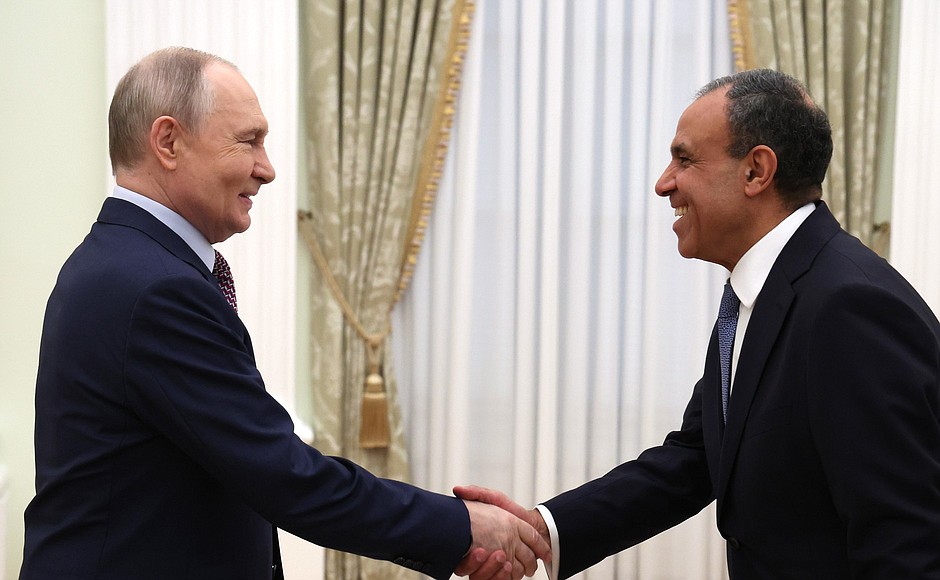
On April 2, Putin met with the Minister of Foreign Affairs, Emigration, and Egyptian Expatriates of the Arab Republic of Egypt, Badr Abdelatty, in the Kremlin – the seat of Russia’s presidency. In attendance during the official talks on the Russian side were Foreign Minister Sergei Lavrov and Presidential Aide Yury Ushakov, while Egypt was represented by Ambassador Extraordinary and Plenipotentiary to the Russian Federation Hamdy Shaaban. Ultimately, there is no need to overstate the importance of this meeting.
Russia’s footprints are expanding in Egypt, highlighting the growing industrial investment and the strengthening of bilateral manufacturing ties by undertaking projects to ensure energy security. At the same time, maintaining regular dialogue remains very important for both leaders.
Putin, speaking with the three-member delegation in the Kremlin, underlined the fact that there are many promising initiatives underway, many of which are already being implemented. He has previously spoken in detail about the construction of a nuclear power plant and the construction of an industrial zone, and over ten major Russian companies have expressed interest in participating in this project.
Nuclear Plants in El-Dabaa, Egypt
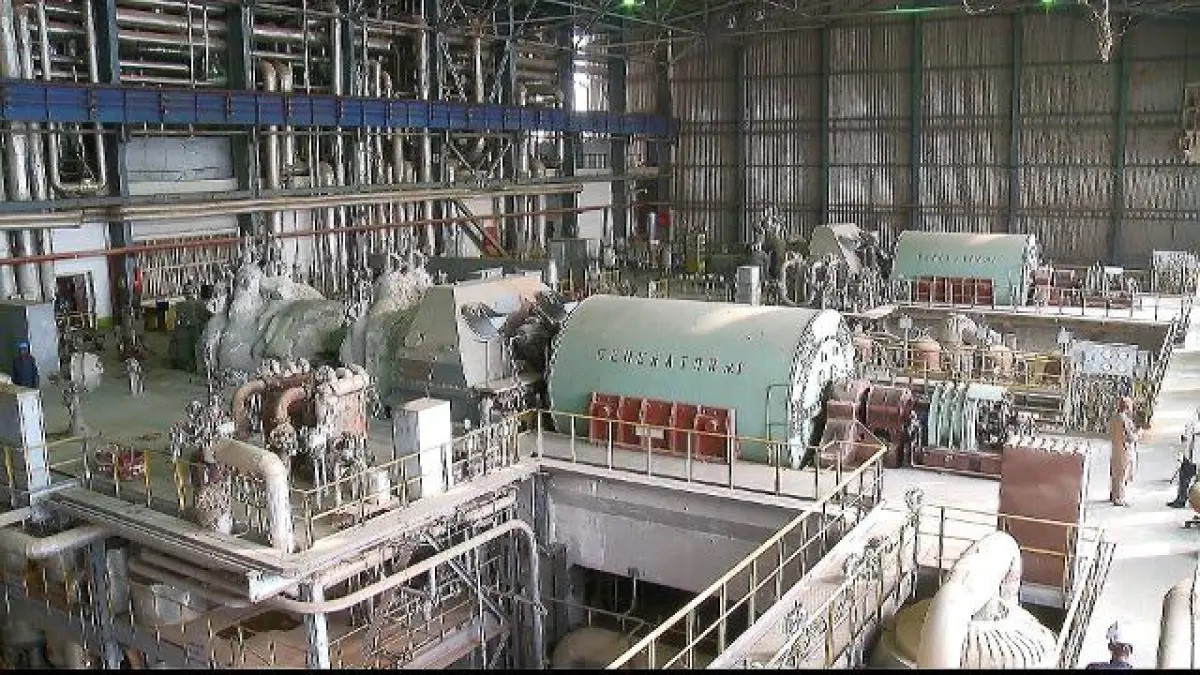
The construction of nuclear plants in the city of El-Dabaa, about 320 kilometres northwest of Cairo, the capital of Egypt. It is the first nuclear power plant in Egypt, and will have four VVER-1200 reactors, making Egypt the only country in the region to have a Generation III+ reactor. On November 19, 2015, Egypt and Russia signed an initial agreement, under which Russia agreed to build and finance Egypt’s first nuclear power plant. These are now being carried out, not as a charity project, but with a loan of $28 billion. According to reports, Russia will finance 85% as a state loan of $25 billion, and Egypt will provide the remaining 15% in the form of instalments. The Russian loan has a repayment period of 22 years, with an annual interest rate of 3%.
At the meeting, Putin also raised the construction of an industrial zone in Egypt. There are many appealing and related opportunities in this, regarding having an industrial zone to be located on the banks of the Suez Canal. The industrial zone is also entering a new phase, as Russian auto-manufacturing enterprises are advancing distinctive plans to expand local vehicle production, reinforcing the country’s role as a regional manufacturing hub. The move reflects broader economic linkages between Russia and Africa, particularly in industrial development and supply chain integration.
Conveying Greetings and Reviewing the Middle East Situation
Naturally, the situation in the region remains a shared concern, according to Putin, and further hope that the ongoing conflict will be promptly resolved. “As you know, President Trump also addressed this issue yesterday. Let me reiterate that we are prepared to make every effort to help stabilise the situation and, as they say in such cases, return it to normal,” he stressed during the meeting. In this context, it is particularly important to know Egypt’s assessment as a key country in the Middle East.
Putin reminded the delegation of another Russia-Africa summit, which is planned for October 2026. With high hopes that Egypt will be represented by a strong, high-level delegation. Should the Egyptian President’s schedule allow, he would, of course, ahead of the summit, be very pleased to welcome him to Moscow. Jointly chaired by Vladimir Putin and Abdel Fattah el-Sisi, the first Russia-Africa summit, an important acute phase of the developments with Africa, under the motto of ‘For Peace, Security and Development’, was held for the first time in October 2019, in Sochi, a city located on the Black Sea coast. The idea to hold a Russia-Africa forum was initiated by President Putin at the BRICS (Brazil, Russia, India, China and South Africa) summit in Johannesburg in July 2018.
The head of the Egyptian Foreign Ministry, as traditionally expected, conveyed greetings from President El-Sisi to the Russian president and handed over a written message. President el-Sisi places great value on all aspects of the bilateral cooperation, and is extremely grateful for constructive collaboration on the El Dabaa Nuclear Power Plant, which represents a key milestone in the partnership. Despite the challenges, it is evident that the project is moving forward and will be completed by 2028.
In summary, as Egypt and Russia are reliable and time-tested partners, Putin plans to promote strategic projects, particularly in trade, economics, energy, and food security. With over 107 million inhabitants, Egypt is the most populous country in the Arab world, the third-most populous country in Africa, and the 15th-most populous in the world.

By Kestér Kenn Klomegâh
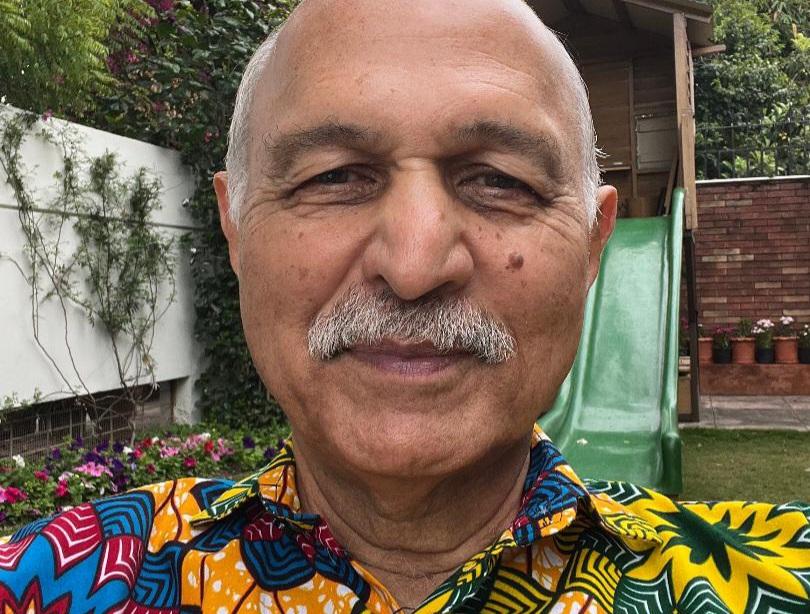
In an interview, Senator Mushahid Hussain, President of Pakistan-Africa Institute for Development and Research (PAIDR), explicitly offers a few important insights into the US-Israeli war on Iran and its implications for BRICS+ and Africa. Here are the interview excerpts:
What’s your interpretation of the US-Israel war on Iran, in the context of developments in the Middle East region?
The US-Israel illegal and unwarranted war on Iran was spearheaded by [Benjamin] Netanyahu (Prime Minister of Israel) and actively supported by [Donald] Trump (President of USA) as a Joint Operation with three fundamental goals: a) decimate the Islamic Revolutionary Regime; b) reshape the Middle East as part of Zionism’s ‘Greater Israel’ Project; c) preclude any possibility of establishing a Palestinian State with Jerusalem as its capital.
What is your assessment of Iran’s joining BRICS+ in 2025, China’s and Russia’s roles as members of this association, in this US-Israel war with Iran?
China and Russia have played, by and large, a low-key diplomatic role in supporting Iran but without any active political initiatives. BRICS is divided from within, as India is keen to curry favour with the USA and avoids close association with BRICS since the time that Trump attacked BRICS last year. But China & Russia are clear political beneficiaries of the war as American prestige is at an all-time low, having got entangled in an unwinnable war, resulting in weakening of the US ‘sole superpower’ image.
As an Asian expert, how would you characterise Africa’s reactions? And do you think that reactions were objectively authentic, basing perspectives broadly on Arab and Middle East contributions to Africa’s development?
Africa’s reactions to the war are primarily through the prism of the Global South, viewing Iran as resisting American-Israeli hegemonic designs, as, for example, manifested in two examples: South Africa’s rejection of American pressures to wean South Africa away from its support for Iran. Plus, Somalia joined Pakistan and China in supporting the Russian resolution in the UN Security Council seeking an immediate ceasefire and negotiations to halt the War, despite strident Western/US opposition to the Russian resolution.

By Adedapo Adesanya
The Director-General (DG) of the World Trade Organisation (WTO), Mrs Ngozi Okonjo-Iweala, has said the global trading system is experiencing the worst disruptions in the past 80 years.
The trade body chief warned about the consequences as the WTO ministerial conference opened Thursday in Cameroon.
“The world order and the multilateral system we know has irrevocably changed,” she said, adding: “We cannot deny the scale of the problems confronting the world today.”
The organisation’s 166 members appear deeply divided as trade ministers gather in the Cameroonian capital for the WTO’s top conference, amid global economic turmoil linked to the Middle East war.
Over four days in Yaounde, WTO members will try to revitalise an institution weakened by geopolitical tensions, stalled negotiations, and rising protectionism — against the backdrop of the war in the Middle East, which poses a serious threat to international trade.
“The scale of the problems confronting the world today, even before the conflict in the Gulf, destabilised trade in energy, fertiliser and food,” Mrs Okonjo-Iweala said.
“National governments and international institutions alike have been struggling to navigate rising geopolitical tensions, intensifying climate pressures, and rapid technological change.
“Accompanying these shifts has been an increasingly loud questioning of multilateralism,” she added.
Mrs Okonjo-Iweala said these disruptions were just one symptom of broader upheavals shaking the international order created after World War II to prevent a repeat of the disasters of the first half of the 20th century.
“It feels appropriate that at the moment when the world is in turmoil with conflict in the Middle East, Sudan, Ukraine, and elsewhere, at this time of great disruption and uncertainty, we have gathered in Africa to discuss the road ahead for the global trading system,” she said.
“Africa is the continent of the future.”
WTO ministerial conferences are typically held every two years. The current edition in Yaounde is the second to be held in Africa, after Nairobi (Kenya) in 2015.
-
 Feature/OPED6 years ago
Davos was Different this year
-
Travel/Tourism10 years ago
Lagos Seals Western Lodge Hotel In Ikorodu
-

 Showbiz3 years ago
Estranged Lover Releases Videos of Empress Njamah Bathing
-
 Banking8 years ago
Sort Codes of GTBank Branches in Nigeria
-

 Economy3 years ago
Subsidy Removal: CNG at N130 Per Litre Cheaper Than Petrol—IPMAN
-

 Banking3 years ago
Sort Codes of UBA Branches in Nigeria
-

 Banking3 years ago
First Bank Announces Planned Downtime
-

 Sports3 years ago
Highest Paid Nigerian Footballer – How Much Do Nigerian Footballers Earn
Pingback: Has The Nigerian Government Blocked Trade Deals Between Russia And The Igbos? | NewsVerifierAfrica