
Economy
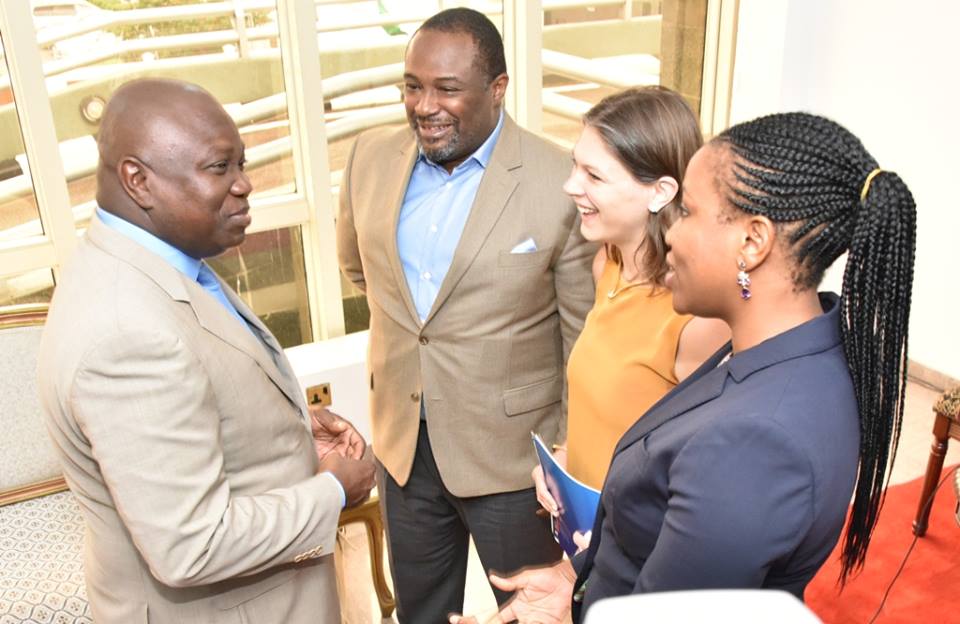
1,438 SMEs Owners Get N925m Funding Support in Lagos

By Modupe Gbadeyanka
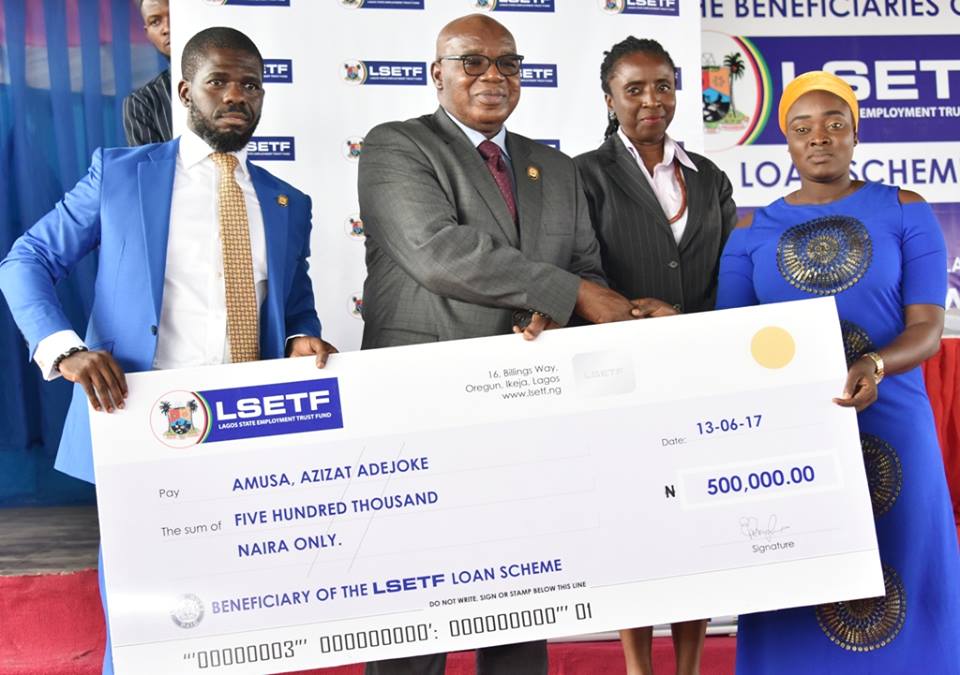
No fewer than 1,438 owners of Micro, Small and Medium Enterprises (MSMEs) in Lagos State were given the sum of N924.7 million by Governor Akinwunmi Ambode on Tuesday.
The money is a form of funding assistance to support businesses of the beneficiaries, thereby reducing unemployment and increasing wealth among the people.
At the presentation of cheques to the business owners at De Blue Roof, LTV 8 in Ikeja, Mr Ambode expressed delight that his administration was on course to boost economy of the state.
He further said it was good to know that the previous beneficiaries have started repaying their loans, thereby expanding their businesses and creating jobs.
The Governor, after assuming office, launched a N25 billion Employment Trust Fund (ETF) scheme to provide entrepreneurs, artisans, traders and others with capital to boost their businesses.
Since the programme started, about 4,000 businesses have benefited a total of N3.5 billion from the scheme, while the target of the state government is to support about 100,000 MSMEs and create at least 300,000 direct and 600,000 indirect jobs by 2019 through the initiative.
In January 2017, Mr Ambode presented cheques totalling about N1 billion to 705 beneficiaries who were selected after scaling through a transparent screening process.
At today’s presentation, the Governor, represented by the Commissioner for Wealth Creation and Employment, Mr Babatunde Durosinmi-Etti, made particular reference to one of the earlier beneficiaries simply identified as Jand2Gidi, saying that it was a thing of joy that they have started contributing to the growth of Lagos economy.
“One of the success stories of this programme which I am very proud of is the achievement of one of the first set of beneficiaries, a company called Jand2Gidi, run by two young women.
“Today, they have invested their loan in buying motorcycles for their delivery men, and hired people to operate those motorcycles.
“Not only are they repaying their loan, they have also created at least 10 direct jobs for Lagos residents, thereby increasing the economic activity across the State. We eagerly expect to celebrate many more success stories like this,” the Governor said.
The Governor, who commended the ETF Board for the good work done so far, equally charged them to increase the pace of work and ensure that by the end of 2017, at least 20,000 businesses would have benefited from the loan program, just as he expressed optimism that the overall target of the scheme would be met by 2019.
While congratulating the new 1,438 beneficiaries, Mr Ambode charged them and other potential beneficiaries to emulate those who are repaying their loans, thereby ensuring the success of the program
“It is only when you pay your loans back, and grow your businesses, that we can truly celebrate the success of this programme. Your success is our success, and together we will grow Lagos State’s economy and create jobs for our residents.
“This initiative is another example of taxpayers’ money working for the people. I cannot thank enough all taxpaying citizens for providing the resources from which the State Government contributes N6.25billion tranches annually to the N25 billion ETF,” he said.
Besides, Governor Ambode urged other existing businesses or people desirous of starting one to take advantage of the scheme, assuring that the process of assessing and selecting beneficiaries would continue to be transparent and meet globally acceptable standards.
In her opening remarks, Chairman, Board of ETF, Mrs Ifueko Omoigui-Okauru, said the presentation ceremony was another milestone by Governor Ambode’s administration, saying that the vision of the Governor in setting up the Fund, which is the first of its kind in Nigeria, and his unwavering commitment to its success deserved commendation.
Mrs Omoigui-Okauru also revealed a partnership between the Lagos State Employment Trust Fund (LSETF) and the United Nations Development Programme (UNDP) to improve technical and vocational training in the State.
Under the programme, she said the LSETF will contribute Naira equivalent of $3million, while UNDP will contribute $1million and the funding will be used to train eligible Lagos residents in manufacturing, construction, healthcare, hospitality and entertainment, while successful trainees will be placed in jobs at the completion of the programme.
Responding on behalf of beneficiaries, Mr O.A Goriola of November 16 Nigeria Ltd, commended the state government for the initiative and pledged that the funds would be judiciously utilized.






By Adedapo Adesanya
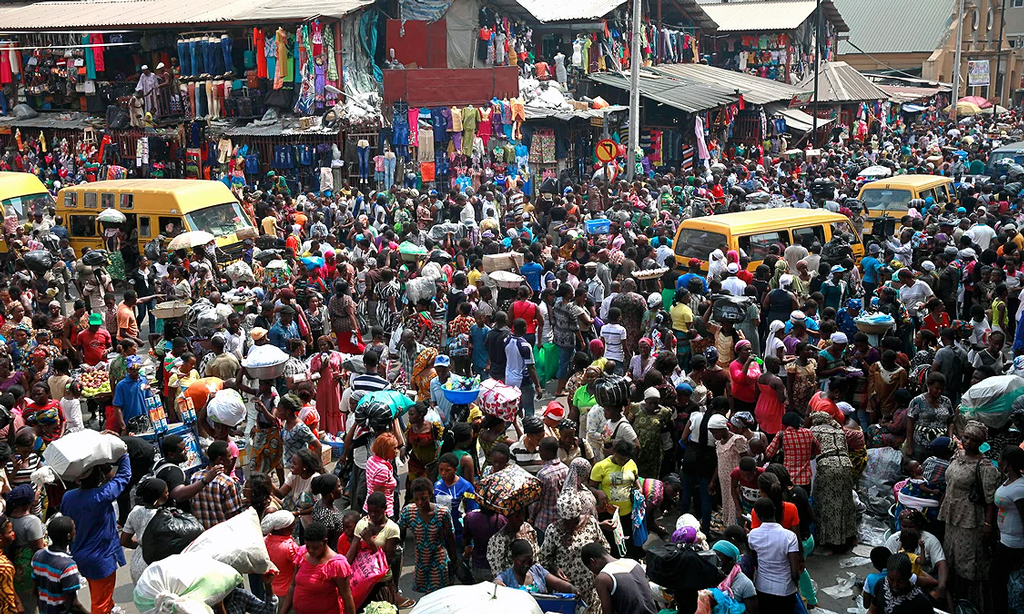
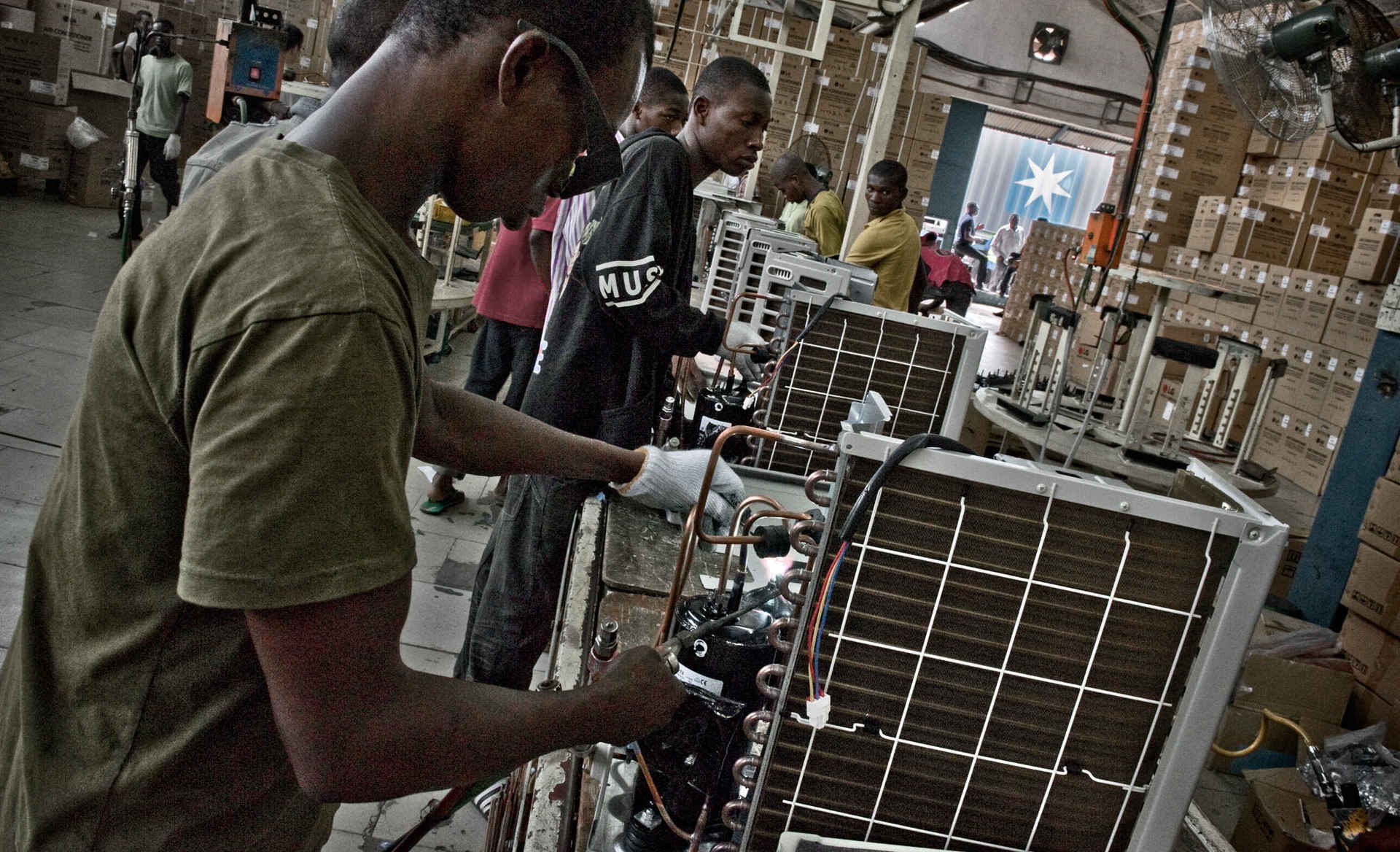
The federal government plans to boost the manufacturing sector’s contribution to the Nigerian economy to 15 per cent by 2030 and 25 per cent by 2035, from its current 8.2 per cent.
This was revealed in the newly launched Nigeria Industrial Policy (NIP), which was unveiled by the Federal Ministry of Industry, Trade and Investment (FMITI).
According to data, the sector employs 13 million Nigerians, mainly in food processing, cement production, textiles, pharmaceuticals, and the automotive industry.
The FG stated that the aim of NIP frameworks is “to drive economic growth, reduce dependence on oil exports, and promote sustainable development” and contribute to achieving Nigeria’s aspiration of attaining the $1 trillion economy by 2030.
The government said the plan would “accelerate Nigeria’s industrial transformation by leveraging its natural and human capital to promote inclusive, sustainable, and competitive manufacturing, deepen economic diversification, and generate mass employment through innovation, infrastructure development, investment, and export.”
It explained that the policy direction of its NIP is anchored on the development of four sectors, namely metals and solid minerals, oil and gas, construction, and manufacturing.
Over the past decade, the agro-allied industry has contributed an average of 25 per cent (27 per cent rebased) to Nigeria’s real GDP and currently accounts for 35 per cent of total employment. It serves as a primary source of raw materials for key manufacturing sectors, including food processing, leather goods, and textiles, reinforcing its pivotal role in driving industrial linkages and inclusive economic development.
The report noted, however, that the industry faces challenges such as limited mechanisation and outdated farming techniques, post-harvest losses, and insecurity.
The government assured that relevant legal and institutional frameworks are in place to address key challenges such as inadequate power supply, low access to finance, and competition from cheap imported products, limiting the performance of the sector.
The Minister of State, FMITI, Mr John Owan Enoh, described the NIP as “a comprehensive framework that reaffirms our national resolve to diversify the economy, create inclusive prosperity, and secure Nigeria’s rightful place as a leading industrial hub in Africa and the wider global economy.”
The government said that each of the four sectors comprises multiple sub-sectors that offer strategic opportunities for industrial development.
“These sectors have been prioritised due to strong comparative advantages, potential to generate large-scale employment, and deepen local value addition and expand exports.
“The future outlook for the industry is bright with abundant natural resources, massive investment in the development of Special Economic Zones (SEZs), the growing market size, and participation of Nigeria in AfCFTA and ECOWAS Trade Liberalisation Scheme (ETLS)”, the report added.

By Dipo Olowookere
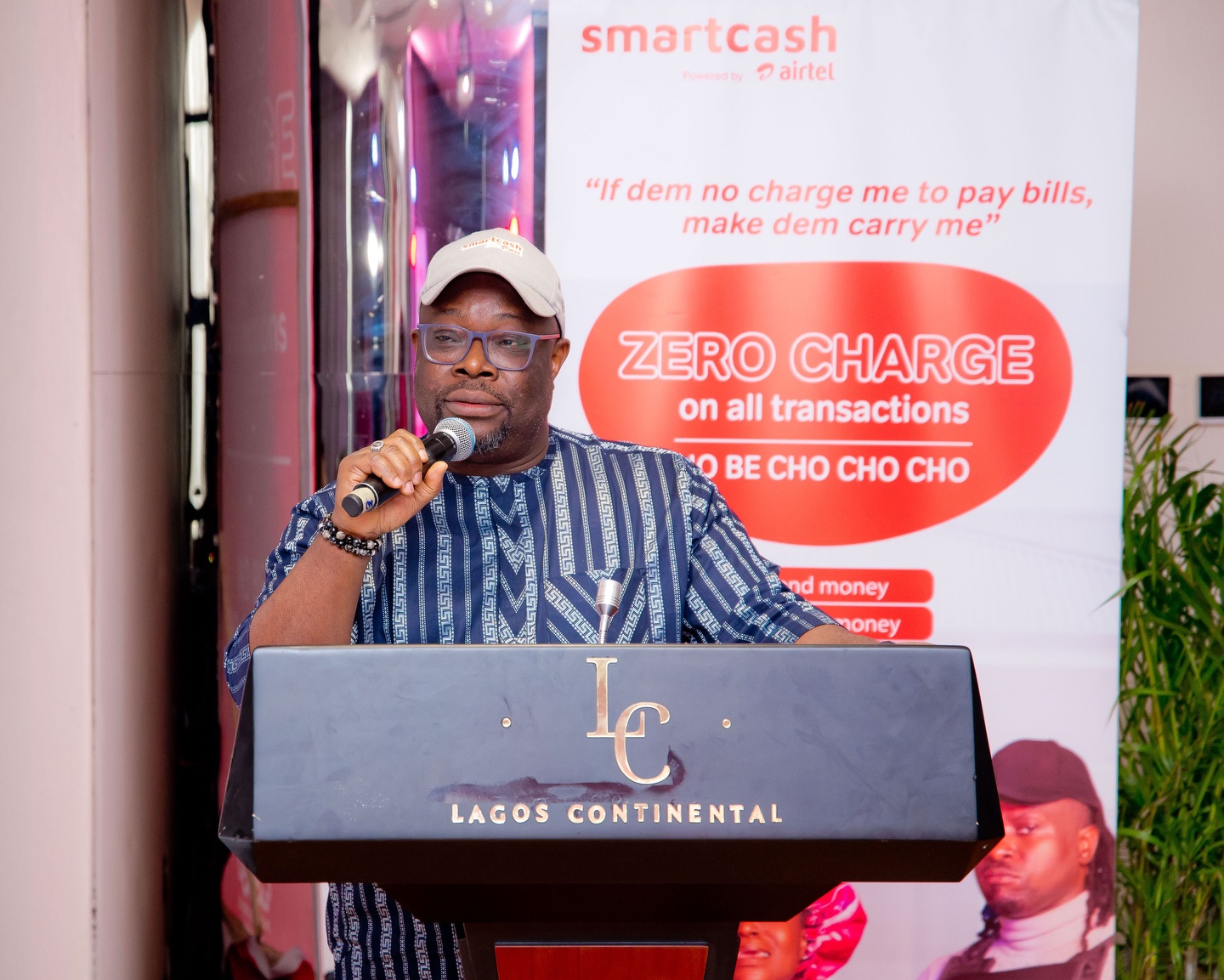
The chief executive of Smartcash Payment Service Bank (PSB), Mr Ayotunde Kuponiyi, has stressed the importance of financial inclusion to any nation’s economy.
Speaking with journalists in Lagos on Tuesday, he said the country will always experience economic growth when the majority of its citizens are financially included.
According to him, this is why the Central Bank of Nigeria (CBN) has intensified its efforts to drive financial inclusion in the country to about 80 per cent.
“Financial inclusion is important because when 80 per cent of your population is included financially, it then ensures growth in the economy,” he said at the unveiling of the nationwide marketing campaign of Smartcash titled No Be Cho Cho Cho.
“We have about 40 million or 50 million Small and Medium Enterprises (SMEs) in Nigeria, and a number of them don’t have bank accounts, but when they are included financially, they have access to finance, borrowing, and then grow their income.
“As the industry grows, they employ more hands (job creation), and when this happens, the government earns more revenue from taxes paid by the employed persons, which the government then uses to improve the standard of living of the citizens. Infrastructure will also be provided by the government. This is why financial inclusion is extremely important,” Mr Kuponiyi stated.
Commenting on the new campaign, the Smartcash boss said it reflects a broader philosophy of accountability in digital finance, with the zero-charge model, which eliminates fees on transfers and bill payments.
“Through our flagship zero-charge service, we promise no fees on P2P transfers or bill payments. Furthermore, our savings account offers 15 per cent per annum compounded interest, paid daily without penalties. Unlike conventional banks, we charge you nothing, ensuring your money truly works for you,” he averred, stressing that the zero-fee does not apply to the stamp duty charged by the federal government on transactions above N10,000.
He stated that the initiative centres on the three pillars of reliability, transparency and demonstrable service delivery and addresses what the company describes as a widening trust gap in Nigeria’s digital payments market.
Mr Kuponiyi also revealed that beyond consumer banking, the platform is also expanding its footprint through a nationwide network of agents that facilitate transactions and financial services in underserved communities.
Smartcash is the digital financial services platform of Airtel Nigeria, which is a subsidiary of Africa Plc, operating across 14 countries.
By Adedapo Adesanya
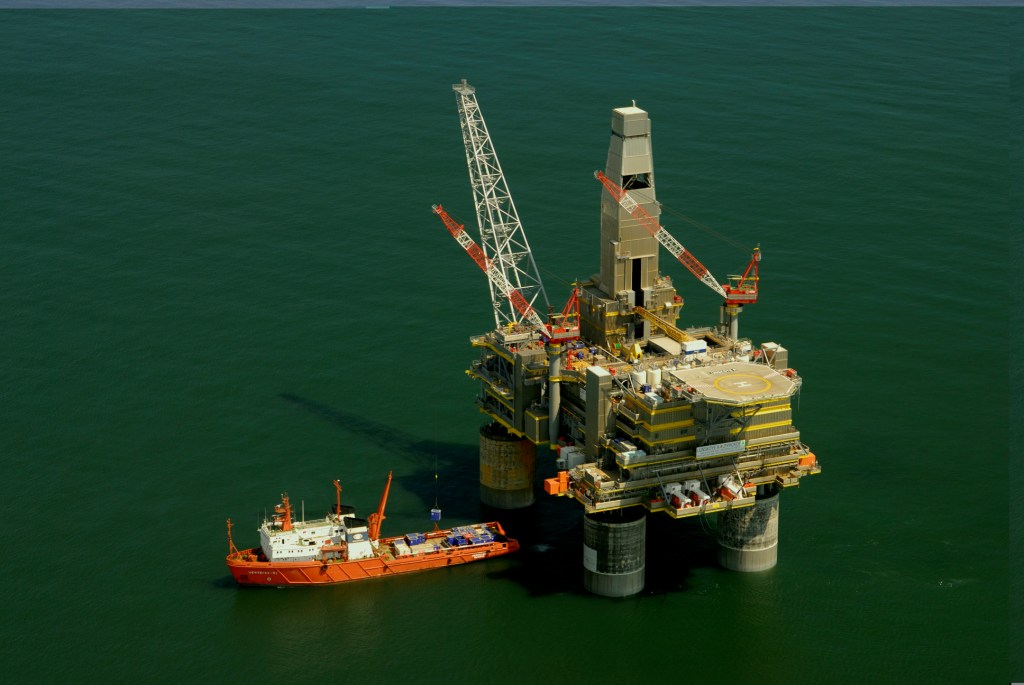
Nigeria has been identified as one of the winners of an oil windfall following the US and Israel’s war on Iran.
According to Bloomberg Economics, the rise in prices will improve the current account balance of just three sub-Saharan African economies.
Bloomberg Economics’ Ms Yvonne Mhango wrote in a report on Thursday that if oil stays at about $85 a barrel, Angola, Nigeria and Ghana will see their current account balance improve, while the Democratic Republic of Congo, South Africa and Kenya will be among the worst-hit.
“For most African economies, higher oil prices mean weaker currencies and renewed inflationary pressure, which could put rate hikes back on the table,” she said.
According to the analyst, Nigeria, which is Africa’s largest oil producer, will not only gain from crude sales but from fuel exports.
Bloomberg Economics data showed that Nigeria’s current account balance could benefit by as much as 2.3 per cent of gross domestic product (GDP), second only to Angola’s 3.3 per cent and Ghana’s 0.2 per cent.
Already, the 650,000-barrel-a-day Dangote oil refinery has raised the prospect of sending more product to Europe if the price is right.
Dangote is offering up to 44,000 metric tons of jet fuel for loading March 20-22, as well as at least 40,000 tons of gasoil with a maximum sulphur content of 50 parts per million for loading March 15-30.
However, countries like Africa’s largest economy – South Africa – may face challenges if India and Oman, two of its biggest fuel suppliers, cut down on exports. It may see a -1.0 per cent hit to its current account balance.
South African consumers are bracing for fuel costs to increase in April, according to Central Energy Fund data, while traders moved to price in a chance of an interest-rate hike later this month.
Following US and Israeli strikes on Iran over the weekend and retaliatory moves by the Islamic Republic, global crude prices have adjusted sharply.
The Strait of Hormuz, a narrow shipping lane between Iran and Oman, through which roughly a fifth of global oil supply normally passes, has been blocked completely by Iran.
As of press time, Brent crude, which Nigeria prices its crudes is trading up at 2.3 per cent at $83.23. Nigerian crude grades, Brass River and Qua Iboe, are selling at $87 per barrel.









-
 Feature/OPED6 years ago
Davos was Different this year
-
Travel/Tourism10 years ago
Lagos Seals Western Lodge Hotel In Ikorodu
-

 Showbiz3 years ago
Estranged Lover Releases Videos of Empress Njamah Bathing
-
 Banking8 years ago
Sort Codes of GTBank Branches in Nigeria
-

 Economy3 years ago
Subsidy Removal: CNG at N130 Per Litre Cheaper Than Petrol—IPMAN
-

 Banking3 years ago
Sort Codes of UBA Branches in Nigeria
-

 Banking3 years ago
First Bank Announces Planned Downtime
-

 Sports3 years ago
Highest Paid Nigerian Footballer – How Much Do Nigerian Footballers Earn