World
Russia Contributes 35% of Global Arms Export to Africa—Envoy
By Kestér Kenn Klomegâh
Russia has been accused of not doing enough for the growth of Africa, especially since the collapse of the Soviet Union.
It was observed that Russia-African diplomacy had been marked by several bilateral agreements that are yet to be implemented.
According to official documents, 92 agreements worth a total of $12.5 billion were signed during the symbolic African leaders’ gathering in late October 2019, and Russia has done little to implement them since then.
The joint declaration is a comprehensive document that outlines the key objectives and tasks required to elevate the entire relationship to a new qualitative level.
Long before the summit, there were mountains of promises and pledges that were never fulfilled. Several meetings of various bilateral intergovernmental commissions have taken place in both Moscow and Africa.
According to the Russian Ministry of Foreign Affairs, over 170 Russian companies and organizations submitted 280 proposals relating to various projects and businesses in Africa.
As Russia prepares for the next summit, which will be held in St. Petersburg in July 2023, African leaders have indicated their willingness to actively participate, at the very least, to listen to rousing speeches, sign more new agreements, and finally pose for group photos.
However, many experts and top African diplomats question the substance of discussing additional opportunities and effective efforts to build and strengthen Russia-African relations.
The revival of Russia-Africa relations must address existing challenges while also taking a results-oriented approach to pressing African issues. Taking into account the views and opinions expressed by African politicians, businesspeople, experts, and diplomats about the situation in Africa is one of them.
In practice, while Russia reaffirms its desire to return to Africa, it has yet to demonstrate a visible long-term commitment to collaborating with appropriate institutions to advance sustainable development across the continent.
Professor Abdullahi Shehu, Ambassador Extraordinary and Plenipotentiary of the Federal Republic of Nigeria to the Russian Federation with concurrent accreditation to the Republic of Belarus, delivered a lecture on “Africa-Russia Relations: Past, Present, and Future” to young diplomats and students of the Diplomatic Academy of the Russian Federation in mid-October.
Ambassador Shehu talked a lot about African history. He focused on the effects of the times before, during, and after contact with European powers and the neo-colonization of African states that happened after that.
He also discussed Africa’s relations with the Soviet Union, which began in large part after the independence of several African states in the 1960s. He emphasized the contributions to Africa’s decolonization struggle, as well as the numerous areas of cooperation that have existed between Africa and Russia over the years.
Professor Shehu emphasized the existence of several bilateral agreements with African countries, saying between 2015 and 2019, Russia and African countries signed a total of 20 bilateral military cooperation agreements. Many Russian companies, including Lukoil, Gasprom, Rosatom, and Restec, are in Nigeria, Egypt, Angola, Algeria, and Ethiopia’s energy and power industries.
But on the other hand, Russia has performed dismally in Africa’s energy sector and many other important economic spheres over the years.
“Unfortunately, due to Rosneft’s lack of interest in doing business in Africa, these agreements have not materialized. Furthermore, Russia’s Rosatom has also signed nuclear energy agreements with 18 African countries, including Nigeria, Egypt, Ethiopia, and Rwanda, to meet those countries’ power needs but has not been successful in building nuclear plants in Africa.
“Despite the tidal wave of new Africa-Russian relations, there are still obstacles, as well as new economic conditions and geopolitical realities. Acceptance of these new realities is critical in order to properly manage Africa’s expectations from Russia, at least in the short term,” the envoy said.
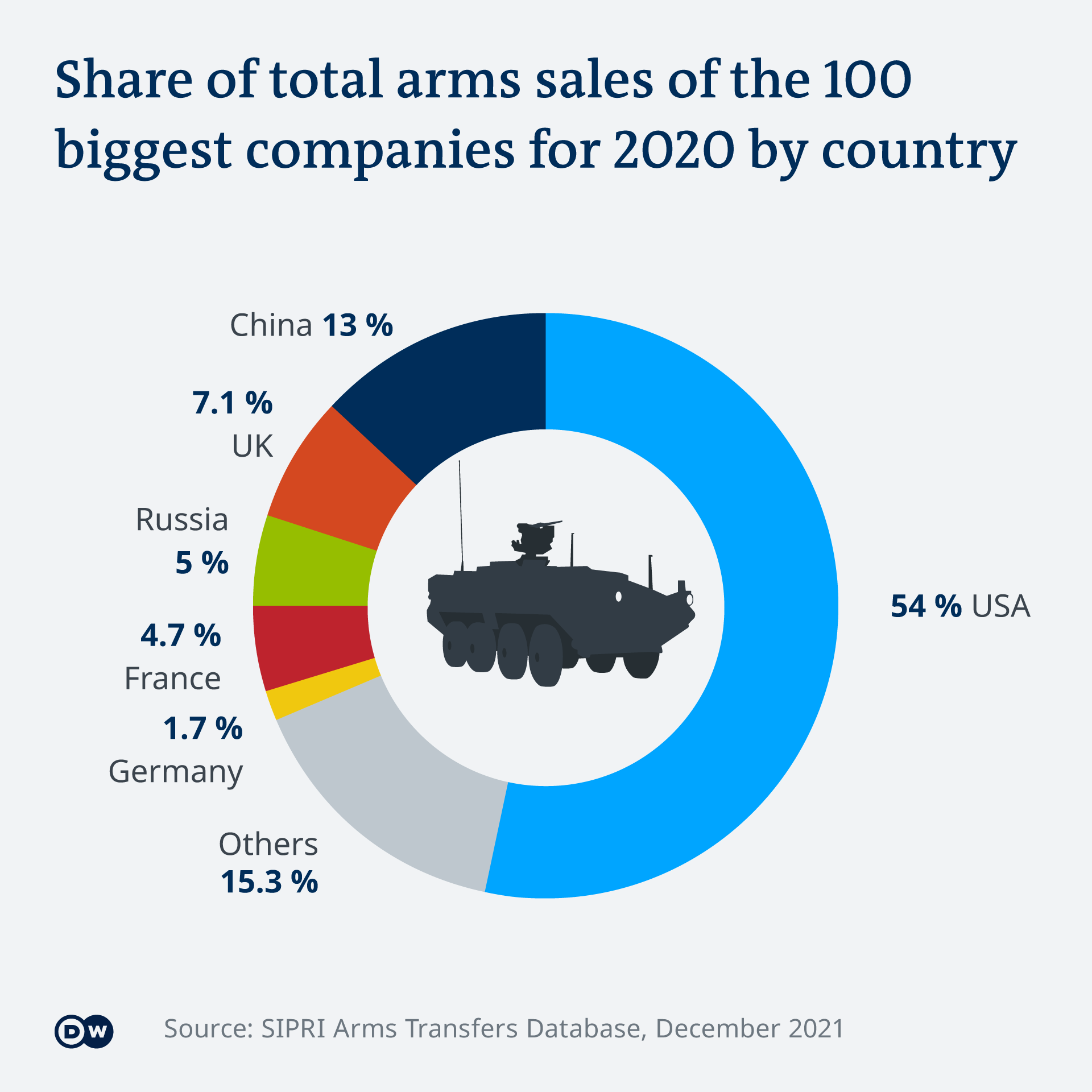
On the indiscriminate export of arms and military equipment, Ambassador Shehu stated, “However, Russia’s increasing export of arms to the African continent may exacerbate insecurity and instability, as well as increase the level of crime and criminal proclivity. So, it is in Russia’s strategic interest to be very picky about which African countries it sells weapons to. The deployment of private Russian mercenary groups and other private military groups in African countries is of particular concern and strategic importance to Africa.”
Support for Africa’s democratic institutions and agencies will lead to a more stable Africa, which is in Russia’s overall long-term interest and positive image rather than immediate short-term economic and financial gain, he said in his lecture, adding that Russia contributes approximately 35% of global arms export to the African region.
Given the difficulties that most African countries face in providing adequate power and energy, the number of Memorandums of Understanding (MOU) signed by Rosatom, Russia’s nuclear power company, with at least 14 African countries, is encouraging. What will be more significant, however, is the extent to which the MOUs are implemented because, by definition, the construction and operation of nuclear plants are ventures with the potential for deepening long-term relationships, according to Nigeria’s top diplomat.
Brigadier General Nicholas Mike Sango, Zimbabwe’s ambassador to the Russian Federation, told me in an interview just before his final departure from Moscow that several issues could strengthen the relationship. Economic cooperation is an important direction. African diplomats have consistently persuaded Russian companies to use the Africa Continental Free Trade Agreement (AfCFTA) as an opportunity for Russian companies to establish footprints on the continent. This viewpoint has not found favour with them, and it is hoped that it will work in the future.
Despite the government’s lack of pronounced incentives for businesses to set their sights on Africa, Russian businesses generally regard Africa as too risky for investment. He stated that Russia must establish a presence on the continent by exporting its competitive advantages in engineering and technological advancement in order to bridge the gap that is impeding Africa’s industrialization and development.
“Worse, there are too many initiatives by too many quasi-state institutions promoting economic cooperation with Africa, saying the same things in different ways but doing nothing tangible,” he explained during the lengthy pre-departure interview. From July 2015 to August 2022, he represented the Republic of Zimbabwe in the Russian Federation. He previously served as a military adviser in Zimbabwe’s Permanent Mission to the UN and as an international instructor in the Southern African Development Community (SADC).
Many former ambassadors have made several similar criticisms. According to former South African Ambassador Mandisi Mpahlwa, Sub-Saharan Africa has understandably been low on post-Soviet Russia’s priority list, given that Russia is not as reliant on Africa’s natural resources as other major economies. The reason for this was that Soviet-African relations, based on the fight to push back the borders of colonialism, did not always translate into trade, investment, and economic ties that would have continued seamlessly with post-Soviet Russia.
“Russia’s goal of elevating its bilateral relationship with Africa cannot be realized without close collaboration with the private sector. Africa and Russia are politically close but geographically separated, and people-to-people ties remain underdeveloped. This translates into a lack of understanding on both sides of what the other has to offer. In both countries, there may be a fear of the unknown, “Mpahlawa stated in an interview after completing his ambassadorial duties in Russia.
Professor Gerrit Olivier from the Department of Political Science, the University of Pretoria in South Africa, noted that there had been unprecedented frequent official working visits to and from, but with little visible impact. Russian by its global status, ought to be active in Africa as Western Europe, the European Union, the United States and China are, it is all but playing a negligible role, and at present, its diplomacy is dominated by a plethora of agreements signed – many of which the outcomes remain hardly discernible in African countries.
Several agreements signed are impressive, but it remains how these will be implemented in practice. That, however, obstacles to the broadening of Russian-Africa relations should be addressed. Be that as it may, the Kremlin has revived its interest in the African continent, and it will be realistic to expect that the spade work it is putting in now will at some stage show more tangible results, he said with optimism.
“Russian influence in Africa, despite efforts towards resuscitation, remains marginal. While prioritizing Africa, Russia has to do more with a result-oriented investment like other players in the continent. The official working visits are mainly moves and symbolic, and have little long-term concrete results,” Professor Olivier, who served as South African Ambassador to the Russian Federation from 1991 to 1996, wrote in an email comment from Pretoria, South Africa.
Russia’s African policy is riddled with flaws. According to reports, more than 90 agreements were signed at the conclusion of the first Russia-Africa summit. Thousands of bilateral agreements are still in the works, and century-old promises and pledges to support sustainable development with African countries are authoritatively renewed. Russia is flashing its geopolitical headlights in all directions on Africa, like a polar deer waking up from its deep slumber.
According to Russia’s Ministry of Foreign Affairs website, several top-level bilateral meetings, memorandums of understanding, and bilateral agreements have occurred in recent years. In November 2021, a policy document titled the ‘Situation Analytical Report’ presented at the TASS News Agency’s headquarters was harshly critical of Russia’s current African policy.
That policy document was prepared by 25 Russian experts headed by Professor Sergey Karaganov, Honorary Chairman of the Council on Defense and Foreign Policy. While the number of high-level meetings has increased, the proportion of substantive issues and concrete outcomes on the agenda has remained small. It explicitly highlights the inconsistency of approaches in dealing with many critical development issues in Africa. Russia, on the other hand, lacks public outreach policies for Africa. Aside from the lack of a public strategy for the continent, there is a lack of coordination among the various state and non-state institutions that work with Africa.
Associate Professor Ksenia Tabarintseva-Romanova of Ural Federal University’s Department of International Relations recognizes significant existing challenges and possibly difficult conditions in Africa-Russia economic cooperation. The establishment of an African Continental Free Trade Area (AfCFTA) is the most important modern tool for the economic development of Africa. This is unique in terms of exploring and becoming acquainted with the opportunities for business collaboration it provides.
She maintains, however, that successful implementation necessitates a sufficiently high level of economic development in the participating countries, logistical accessibility, and developed industry with the potential to introduce new technologies. This means that in order for the African Continental Free Trade Area to be effective, it must enlist the provision of long-term investment flows from outside. These funds should be used to build industrial plants and transportation corridors.
Tabarintseva-Romanova previously stated in an interview discussion that Russia already has extensive experience with the African continent, making it possible to make investments as efficiently as possible for both the Russian Federation and African countries. Potential African investors and exporters may also look into business collaboration and partnerships in Russia.
However, Russia must find effective exit strategies, abandon loud diplomatic rhetoric, and take the first steps toward strengthening economic engagement with Africa. It must go beyond the traditional rhetoric of Soviet assistance to Africa. Professor Abdullahi Shehu’s mid-October lecture at the Russian Diplomacy Academy suggested that Russia consider the following.
Professor Shehu proposed that Russia invest directly in Africa’s extractive and manufacturing sectors as a viable alternative and long-term option. As evidenced by the sanctions imposed on Russia by the United States and Europe, Africa holds a promising future for the viability and profitability of Russian manufacturing companies interested in relocating to Africa to take advantage of cheap African labour.
The establishment of the African Continental Free Trade Area (AfCFTA), the world’s largest of its kind, provides Africa with a once-in-a-lifetime opportunity for intra-African trade, thereby empowering Africa’s own capacities and investments. Russia must broaden its view of the investment opportunities presented by this single continental market of 55 African countries with a combined population of over 1.3 billion people.
Professor Abdullahi Shehu also cited Joseph Siegle, the Director of Research for the African Centre for Strategic Studies, to back up his point that “Developing more mutually beneficial Africa relations necessitates changes in both substance and process. Such a shift would necessitate Russia establishing more traditional bilateral engagements with African institutions rather than individuals. These initiatives would prioritize trade, investment, technology transfer, and educational exchanges. Many Africans would welcome such Russian initiatives if they were transparently negotiated and implemented equitably.”
Despite setbacks in recent years, the search for effective project and business financing is still ongoing, according to official reports. “There is a lot of demanding work ahead,” Foreign Minister Sergey Lavrov said during a meeting of the Ministry’s Collegium. “Perhaps there is a need to pay attention to China’s experience, which provides its enterprises with state guarantees and subsidies, thus ensuring the ability of companies to work on a systematic and long-term basis.”
Previous meetings were a marketplace for fantastic ideas. Business leaders frequently discussed the lack of credit lines and guarantees as barriers, as well as a lack of knowledge of the business environment as a challenge. Lavrov stated in a message sent in mid-June that “In these difficult and critical times, Russia’s foreign policy has prioritized strategic partnership with Africa. Russia is encouraged by Africans’ willingness to expand economic cooperation.”
That is why Lavrov’s earlier suggestion, as early as 2019, of writing a chapter on China’s approach and methods in Africa is arguably important, particularly when discussing the issue of relationship-building in the context of the current global changes of the twenty-first century. Russia could follow China’s lead in financing various infrastructure and construction projects in Africa. Within the context of the emerging multipolar world and growing opposition to Western hegemony and neocolonialism, Russia must consider a broad-based approach to strengthening and sustaining impactful multifaceted relations with Africa.
In stark contrast to key global players such as the United States, China, the European Union, and many others, basic research findings show that Russia’s policies have little impact on African development paradigms. Russia’s policies have frequently ignored Africa’s long-term development concerns. Russia must adopt an action plan, a practical document that outlines concrete, substantive cooperation between summits. Finally, Russians must keep in mind that the African Union Agenda 2063 is Africa’s road map.
World
Essent Slashes Contact Centre Technology Costs by 50%
By Modupe Gbadeyanka
The Netherlands’ largest energy provider, Essent, has cut the technology costs of its contact centre infrastructure by half.
The organisation, which serves 2.5 million customers, recorded zero critical incidents post-migration and improved agent workplace satisfaction by 36 per cent.
The migration was delivered in partnership with AI-first customer experience transformation specialists, Sabio Group, and was completed in under 12 weeks for an operation spanning over 1,000 agents across two locations.
Agents were forced to juggle multiple disconnected screens simultaneously — a workflow that was as inefficient as it was stressful.
“Our agents were constantly working with different screens — multiple chat instances open at once, multiple agent desktop instances. It was messy, and in some cases, quite stressful,” SAFe Product Manager for Customer Interaction, Omnichannel and Digital Transformation at Essent, Michiel Kouijzer, stated.
“A lot of colleagues were saying I was mad for even suggesting this approach. It kind of feels like a victory on a personal level that it did work out. You just have to be a little ambitious — and have the right expert partner who can make it work,” Kouijzer added.
With stable cloud infrastructure now firmly in place, Essent is turning its attention to the capabilities that were impossible in its legacy environment: AI-powered call summarisation, agentic customer self-service, and next-generation workforce optimisation.
Rather than a reckless ‘big bang’ cutover that could have affected service to millions of households, Sabio engineered a phased migration strategy — beginning with Essent’s SME segment to validate technical readiness before scaling to the full enterprise operation.
“This project showcases Sabio’s unique position in the contact centre technology landscape. We’re not just moving Essent to the cloud — we’re establishing a foundation for continuous improvement in their customer experience delivery,” the Country Manager for Sabio Group Benelux, Wouter Bakker, commented.
World
Africa: A New Market for Russian Business
By Kestér Kenn Klomegâh
On April 11, the presentation of the book “Africa: a new market for Russian business” took place, which aroused lively diverse interests among business representatives, entrepreneurs and employees of federal structures of Russia. The event was dedicated to discussing the prospects of Russian companies entering the African market and became a platform for the exchange of views and experiences.
Participating guests, packed in the small hall, included:
– representatives of business circles,
– entrepreneurs interested in new directions of development,
– employees of federal agencies curating foreign economic activity.
The presentation was held in a constructive and friendly atmosphere. The author of the book, Serge Fokas Odunlami, detailed the key ideas and conclusions presented in the publication. Particular attention was paid to the practical aspects of operating in the African market, as well as the analysis of opportunities and risks for Russian companies.
During the lively discussion, participants asked questions, shared their experiences and made suggestions for developing cooperation with African countries. This format allowed not only to get acquainted with the content of the book, but also to discuss topical issues of expanding business relations.
Meaning of the book: The publication, “Africa: a new market for Russian business” offers readers not only analytical, but also practical recommendations on investment and market trends, and how to enter the African market. The book will be a useful tool for those considering Africa as a promising destination for investment and business development.
The presentation of the book became a significant event for the Russian business community interested in expanding cooperation with Africa. Serge Fokas Odunlami introduced the participants to the new edition, which is a comprehensive business guide that gives an impetus for dialogue and implementation of joint entrepreneurial projects and corporate initiatives across Africa.
World
Ryan Collyer Reveals Reasons Behind Africa’s Significant Energy Deficit
By Kestér Kenn Klomegâh
Perhaps Russia’s state nuclear corporation, Rosatom, is at the frontline, shaping Africa’s energy security. And African countries are also accelerating coordinated efforts to build nuclear power plants primarily to supply their energy, which will drive industrialisation and boost power capacity for domestic utilisation.
Energy experts say adopting nuclear can further support a diverse energy mix, reduce reliance on fossil fuels, and help across the continent. Over the past two decades, Russia has been collaborating with African countries, adopting energy initiatives to provide power to approximately half the continent’s population, and making it an important component of Africa’s future energy strategy and solutions. At this point, however, it is necessary to underline the irreversible fact that Russia’s ultimate goal is to ensure long-term African energy security.
In this interview, Rosatom’s Chief Executive Director for Central and Southern Africa, Ryan Collyer, reiterates the strategic importance of Russia-Africa’s energy cooperation through strengthening bilateral agreements on collaboration on the peaceful use of nuclear energy. Collyer explains that the Russian approach is its ability to offer an integrated solution, from technology and financing to training and localisation. According to him, partnerships must be built on mutual benefit and on the principle of transparency. Here follows the interview excerpts:
What are the expectations, specifically in the nuclear energy sphere, for Africa during the forthcoming Russia–Africa Summit scheduled for 2026?
The expectation is a clear shift from dialogue to delivery. Over the past few years, we have built a strong foundation through agreements, feasibility discussions and partnerships. The 2026 Russia–Africa Summit is an opportunity to demonstrate tangible progress.
In practical terms, I would expect greater focus on implementation readiness. That includes regulatory development, human capital, financing models and localisation strategies. We also expect to see more structured cooperation in areas like small modular reactors, which are particularly relevant for many African grids, as well as stronger emphasis on education and training partnerships. Ultimately, the success of the Summit will be measured by how many initiatives move from concept to execution.
Why, despite many bilateral agreements, is Africa still experiencing a significant energy deficit?
Africa’s energy deficit is not a result of a lack of ambition or agreements. It is primarily a question of scale, financing and infrastructure readiness. Energy projects, especially large-scale ones, require long-term investment, stable policy frameworks and strong institutional capacity. Many countries are working under fiscal constraints, and at the same time, demand is growing rapidly due to population growth and urbanisation. So, even when progress is made, it can be outpaced by rising demand.
It is also important to understand that many agreements are not meant to deliver immediate infrastructure. They are part of a longer preparation cycle, including feasibility studies, regulatory development and workforce training. Nuclear projects in particular are long-term by nature, and while this can be perceived as slow progress, it is actually a reflection of the level of diligence required.
How do you assess the contribution of nuclear energy to climate change mitigation and technological development in Africa?
Nuclear energy plays a dual role in Africa’s development, both as a clean energy source and as a driver of technological advancement. From a climate perspective, nuclear provides reliable, low-carbon electricity at scale. Africa needs a significant expansion of its energy capacity to support economic growth, and this growth must be both stable and sustainable.
Nuclear allows countries to increase power generation without increasing emissions, while ensuring a consistent baseload supply. At the same time, its impact goes beyond electricity. Nuclear technologies support medicine, agriculture, water management and industrial processes. Across Africa, they are already used in areas such as cancer treatment, food preservation and environmental monitoring, making nuclear a broader platform for sustainable development.
In this context, Rosatom offers integrated solutions across the full nuclear value chain. This includes large-scale and small modular reactors, as well as advanced non-power applications such as nuclear medicine and irradiation technologies. Our focus is on delivering practical, tailored solutions that support long-term development and local capacity building.
Is Africa unprepared to deal with nuclear waste, as some critics suggest?
I would say that preparedness varies across countries, but it would be inaccurate to suggest that the issue is being ignored. Responsible nuclear programmes require a comprehensive approach to waste management from the very beginning. This includes legal frameworks, regulatory oversight, storage solutions and long-term planning. These elements are part of international best practice and are supported by organisations such as the IAEA. What is true is that this topic is often undercommunicated in the public space. It should be discussed more openly, because transparency builds trust.
Countries that are serious about nuclear energy understand that waste management is not optional. It is a core component of the programme, and it is addressed in parallel with all other aspects of development. Rosatom offers comprehensive solutions for spent fuel and radioactive waste management. These include technologies for safe storage, transportation, reprocessing and recycling of nuclear materials. In fact, advanced reprocessing solutions allow for the reuse of valuable components of spent fuel, significantly reducing the volume of waste and improving the overall sustainability of the nuclear cycle.
Nuclear power remains controversial. Why do you believe it is important for Africa, and what role does it play in the energy mix?
Africa needs a balanced and pragmatic energy strategy. The conversation should not be about choosing one technology over another, but about building an energy mix that is reliable, affordable and sustainable. Renewables will play a critical role and are already expanding rapidly. However, they are variable by nature. For industrialisation, countries also need stable, continuous power that is baseload. This is where nuclear can make a meaningful contribution. A diversified energy mix that includes renewables, nuclear, hydropower and other sources allows countries to reduce risk, improve energy security and support long-term economic growth.
Nuclear is not the only solution, but it is an important part of a resilient system, especially for countries with growing industrial ambitions. In this context, Rosatom is able to support countries with integrated energy solutions that combine reliability, sustainability and long-term partnership models, tailored to national development priorities.
How can we shift public perception, given the legacy of Chornobyl and Fukushima?
We cannot rewrite history, and we should not try to. Events like Chornobyl and Fukushima shaped public perception for a reason. The starting point is respect for those concerns, not dismissal. At the same time, what is often missing in the conversation is what happened after those events. Chornobyl, in particular, fundamentally reshaped the entire philosophy of nuclear safety. It led to a complete rethinking of reactor design, emergency response, and regulatory oversight. Independent regulators were strengthened, safety responsibilities were clearly separated from operators, and safety culture became not just a principle but a legal requirement supported by continuous drills and probabilistic risk assessments.
Technologically, the industry also changed dramatically. Modern reactors are designed to withstand even worst-case scenarios, with multi-layered “defence-in-depth” systems, core melt traps, and passive safety mechanisms that rely on natural physical processes rather than human intervention. These are not incremental improvements. They are the direct result of lessons learned at a very high cost. But facts alone do not change perception. People do not build trust through reports. They build it through experience and transparency. That is why our approach in Africa is deliberately open.
We create opportunities for students, young professionals and journalists to visit nuclear facilities, research centres and training programmes. When people can see how systems operate, how safety is managed, and how seriously it is taken, the conversation becomes more grounded and less abstract. There is also an important human dimension that is often overlooked.
The history of Chornobyl is not only a story of tragedy. It is also a story of professionalism, responsibility and the people who managed the crisis and generated the knowledge that made today’s safety standards possible. Acknowledging that the full picture helps move the discussion away from fear alone toward understanding. At the same time, we need to broaden the narrative. Nuclear is not only about power generation. It is about cancer treatment, food security, water management and high-skilled employment. When communities begin to connect nuclear technology with real benefits in their own lives, it stops being an abstract risk and starts becoming a practical solution. Ultimately, perception does not change through persuasion. It changes through consistency. Through transparency, long-term engagement, and real-world impact.
What are your final thoughts on Russia’s preparedness to support Africa’s nuclear ambitions?
Russia has demonstrated that it is committed to long-term partnerships in Africa, particularly in the nuclear sector. We are already seeing concrete examples of cooperation in areas such as project development, education and skills transfer. The key strength of the Russian approach is its ability to offer an integrated solution, from technology and financing to training and localisation. Partnerships must be built on mutual benefit and transparency. Africa’s priorities are clear: energy security, economic development and local capacity building. Any partner that is ready to contribute to these goals consistently and practically will have a meaningful role to play. If we look country by country, the picture becomes even more interesting.
Take Ethiopia. This is a country thinking long-term about energy security and industrialisation. It has strong hydropower, but also understands the need to diversify. Ethiopia is prepared to take a big step towards nuclear energy. In Rwanda, the approach is different. It is focused on innovation and speed. There is a strong interest in small and flexible nuclear technologies, alongside active use of nuclear science in healthcare and agriculture. What stands out is the clarity of vision and pace of implementation.
Then, there is Namibia. As a major uranium producer, the question is how to move up the value chain. Partnerships can help connect resources to technology, skills and future energy applications. So, Russia’s role is not one-size-fits-all.
The real strength lies in adapting to each country’s strategy. If that continues, nuclear cooperation becomes not just about energy, but about shaping long-term technological development. Rosatom is one of the few global players capable of delivering the entire nuclear value chain. This includes reactor technologies, fuel supply, waste management solutions, including reprocessing, as well as long-term operational support and human capital development. This comprehensive capability is what allows us to move projects from concept to reality in a structured and sustainable way.
-
Feature/OPED6 years agoDavos was Different this year
-
Travel/Tourism10 years ago
Lagos Seals Western Lodge Hotel In Ikorodu
-
Showbiz3 years agoEstranged Lover Releases Videos of Empress Njamah Bathing
-
Banking8 years agoSort Codes of GTBank Branches in Nigeria
-
Economy3 years agoSubsidy Removal: CNG at N130 Per Litre Cheaper Than Petrol—IPMAN
-
Banking3 years agoSort Codes of UBA Branches in Nigeria
-
Banking3 years agoFirst Bank Announces Planned Downtime
-
Sports3 years agoHighest Paid Nigerian Footballer – How Much Do Nigerian Footballers Earn