Showbiz
Cuba in Africa Wins Thomas Sankara Prize at Burkina Faso Festival
By Kestér Kenn Klomegâh
From late February to early March, in Ouagadougou, the capital of Burkina Faso, there was the week-long Africa’s largest film festival FESPACO.
In fact, FESPACO was launched in 1969. This festival provided some kind of entertainment, but the most important aspect was the platform created a show screening different films with diverse themes. The competition was very keen, with rewards for winners delivering excellent results.
Wolfram Vetter, the European Union ambassador in Burkina Faso, called the film festival “an important contribution to peace and reconciliation in Burkina Faso and beyond.” The EU was the event’s largest funder after the Burkinabe government and has contributed approximately €250,000, an equivalent of ($265,000).
Records showed that there were more than 15,000 people, including cinema celebrities from African countries such as Nigeria, Senegal and Ivory Coast, and from abroad, including France and the United States. Some 1,300 films were submitted for consideration, and 100 were selected to compete from 35 African countries and the diaspora, including movies from the Dominican Republic and Haiti. Nearly half of those in the fiction competition this year were directed by women.
Among them was Burkinabe director and producer Apolline Traore, whose film “Sira” – considered a front-runner in this year’s competition – emblematic of many Burkinabes’ suffering. It tells the tale of a woman’s struggle for survival after being kidnapped by jihadis in the Sahel, as her fiancé tries to find her.
An interesting film, “Cuba in Africa”, has received a warm, emotional response all over the world. Most people never heard of this story. Screening this film, people were touched by the altruism of Cubans who sacrificed their sons and daughters on behalf of Africa.
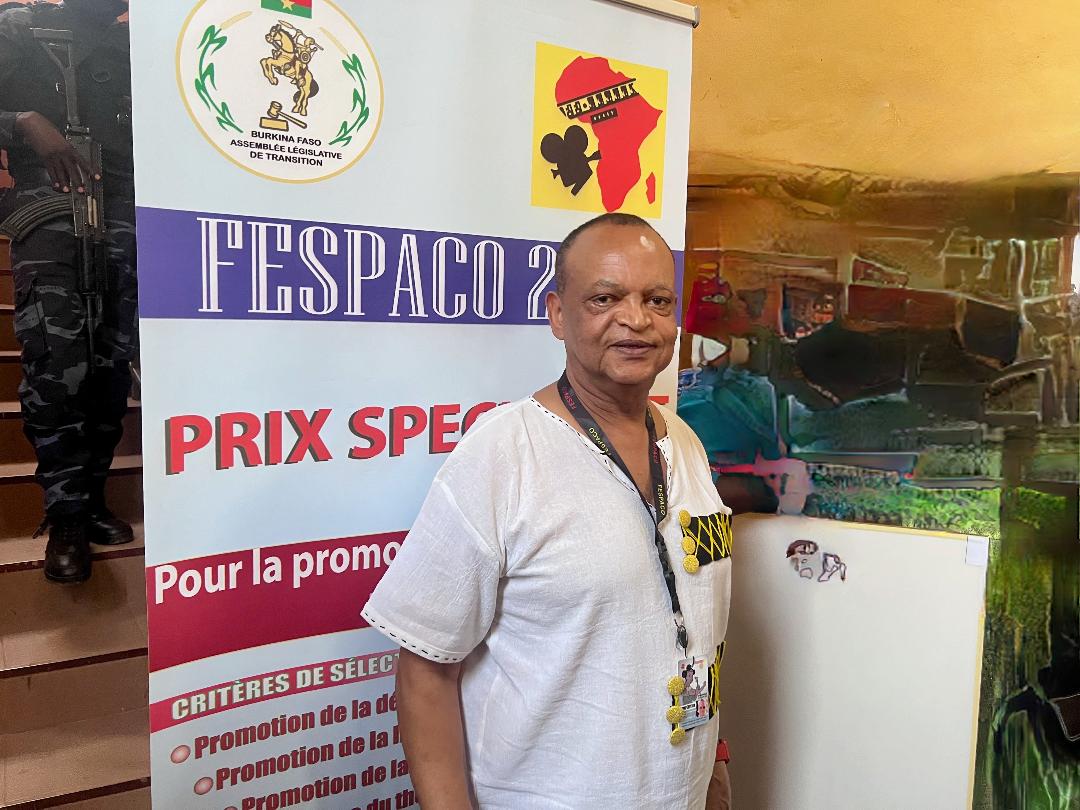
Negash Abdurahman, producer of Cuba in Africa, told us that his film had won the Thomas Sankara Prize. Abdurahman is an Ethiopian-American filmmaker and an educational technology specialist. He is also the Founder of RI Systems Inc.
His award-winning film Cuba in Africa was years in the making, overcoming many challenges. Cuba in Africa told the story of Cuban volunteers who gave everything to win the independence of Angola and Namibia and contributed to the fall of apartheid in South Africa.
Abdurahman spoke briefly with us from Ouagadougou. Here are the interview excerpts:
How would you interpret the film festival that took place in Burkina Faso? What are the key features of this gathering?
FESPACO is the biggest, oldest and most prestigious film festival in Africa. FESPACO is the French acronym for the Pan-African Film and Television Festival of Ouagadougou. The 28th edition of FESPACO took place from February 24 to March 5 in Ouagadougou, the capital city of Burkina Faso.
The festival opened with much fanfare and cultural pageantry. The heads of state of both Burkina Faso and Mali attended the opening ceremonies. For me, one of the emotional moments of the opening ceremonies was the Sidiki Diabate of Mali playing the mesmerizing Kora, a traditional string instrument of several West African countries.
In your critical assessment, what were some of the messages translated to the audience there? Are these related to Africa’s political culture, traditions and history?
FESPACO celebrates African cinema and tells African stories through the eyes of Africans. This was very clear at this year’s festival as well. This year’s theme was “African Cinema and Culture of Peace.”
Before the festival, there was much tension because of the conflict going on in the northern part of Burkina Faso. Some people feared that it might not even be held at all. Playing on this fear, according to a few Burkinabe I spoke to, the French threatened not to protect the festival if they did not get their way.
French troops did, in fact, depart a few days before the opening of the festival. Fortunately, the Burkinabe were able to provide their protection. The festival and all associated music and cultural celebrations concluded without a hitch.
What place was the film “Cuba in Africa” in the festival? What other films have similar themes to this film during the demonstration (show) in Burkina Faso?
My film, Cuba in Africa, was an official selection in the short documentary category. Cuba was the only country in history that came to Africa’s aid without expecting anything in return. An Island nation of roughly 8 million people at the time sent over 400,000 people – military as well as civilians – to help Africans in their fight for freedom.
This was unprecedented. I am honoured to report that we won the much-coveted Thomas Sankara Prize. You can watch a two-minute trailer for Cuba in Africa at http://www.cubainafrica.com.
How was the final conclusion, in spite of the challenges and setbacks, of the festival?
The best films won trophies and monetary awards in their respective categories. The mood was celebratory. FESPACO is a truly African institution with its own warm, unique characteristics.
Showbiz
BBNaija Season 11 Is Coming: Everything We Know So Far
The wait is almost over. On July 26, Big Brother Naija returns for its eleventh season, bringing with it a brand-new theme, fresh housemates and another chapter of the reality show that continues to dominate conversations across Africa.
While fans are still guessing who will make it into Biggie’s House, one thing is already clear: this season is raising the stakes.
Everything Is For The Taking
This year’s theme, Everything Is For The Taking, sets the tone for what promises to be one of the most competitive seasons yet. It suggests a game where every task, every alliance and every decision could make the difference between staying in the House and walking away with the grand prize.
For the new housemates, nothing will come easy. They’ll have to earn every opportunity, win over viewers and navigate the twists that have become a hallmark of the BBNaija experience.
A New Set of Housemates, Endless Possibilities
As always, the identities of the new housemates remain under wraps, but that has only added to the excitement.
Every BBNaija season introduces a unique mix of personalities. Some become fan favourites almost overnight, others surprise everyone with their strategy, while a few create unforgettable moments that keep social media buzzing throughout the season.
Who will become this year’s breakout star? Fans will soon find out.
Big Brands Return for Season 11
Season 11 will once again feature some of Nigeria’s biggest brands, with betPawa as the headline sponsor, House of Guinness as the gold sponsor and Minimie as the associate sponsor.
Their continued partnership reflects the cultural impact and wide audience the show continues to attract year after year.
The Countdown Begins
With the premiere just around the corner, anticipation is building for another season of drama, competition, unexpected twists and unforgettable moments.
Whether you’re tuning in for the games, the relationships, the strategy or the entertainment, BBNaija Season 11 promises another exciting ride.
The countdown has officially begun, and if the theme is anything to go by, this season will remind everyone that in Biggie’s House, everything truly is for the taking.
To upgrade, subscribe or reconnect, download the MyGOtv App or dial *288#. For catch-up and on-the-go viewing, download the GOtv Stream App and enjoy your favourite shows anytime, anywhere.
Showbiz
Why ZeeWorld Became the Channel Nigerian Women Can’t Stop Watching
When Pragya and Abhi’s complicated love story kept viewers glued to their screens in Kumkum Bhagya, many Nigerian homes were already familiar with the emotional rollercoaster that ZeeWorld dramas bring. From hidden identities and unexpected betrayals to family members standing in the way of love, the show became one of the many dramas that turned ordinary evenings into moments of suspense and heated conversations.
The same happened with This is Fate, where viewers followed the journey of characters like Prachi and Ranbir through love, misunderstandings and family conflicts. Every revelation, heartbreak and reunion became something audiences discussed long after the episode ended.
This is the magic ZeeWorld has created over the years. The channel has mastered a style of storytelling built around emotions Nigerians connect with.
For many Nigerian women, ZeeWorld is not just another entertainment channel. It has become part of everyday routines, family conversations and shared viewing experiences.
Here is why it continues to hold their attention.
Love Stories That Keep Viewers Invested
ZeeWorld understands the power of romance, especially when love is tested. Love is never simple in ZeeWorld’s dramas. Characters have to deal with family expectations, misunderstandings, betrayal and difficult choices before finding happiness. This emotional journey keeps viewers invested because they are not just watching a love story unfold; they are hoping for the characters to overcome every obstacle.
Family Drama That Feels Familiar
Beyond romance, ZeeWorld’s biggest strength is its focus on family. Many of its storylines explore themes Nigerians understand deeply, parental expectations, family loyalty, marriage pressures and the desire to protect loved ones. While the settings may be different, the emotions feel familiar. The mother trying to protect her child, the family fighting to preserve its name or the woman trying to find acceptance are experiences that resonate with many viewers.
Characters Who Become Part of the Conversation
A major reason ZeeWorld has built such a loyal audience is the connection viewers have with its characters. Fans celebrate their favourite characters, criticise their decisions and debate their choices like they are discussing people they know. A storyline from a ZeeWorld drama can easily become the main topic of conversation among friends, sisters or family members.
The Joy of Watching Together
In a world where streaming has made entertainment more individual, ZeeWorld still represents the traditional television experience where people gather around the same screen and share reactions together. It is the channel playing while dinner is being prepared, the show discussed during visits and the reason viewers make sure they do not miss an important episode.
Television trends may change and new streaming platforms may emerge, but stories built on love, family and human emotion rarely go out of style. As long as ZeeWorld continues to tell those stories, it will keep giving Nigerian women a reason to tune in, laugh, cry and ask the same question at the end of every episode.
Don’t miss your favorite Zee World shows on GOtv Ch 30.
To upgrade, subscribe or reconnect, download the MyGOtv App or dial *288#. For catch-up and on-the-go viewing, download the GOtv Stream App and enjoy your favourite shows anytime, anywhere.
Showbiz
MasterChef Nigeria David’s MasterChef Dream Boils Over
There wasn’t a dry eye in the MasterChef Nigeria kitchen as fan favourite David bowed out in one of the most emotional episodes of the season, leaving Fads and Favy as the final two contestants standing in the race for the life-changing ₦73 million grand prize.
With the grand finale within touching distance, the Top 3 walked into the kitchen to find an elegantly laid dining table and an exquisite signature dish created by Chef Eros and Chef Stone. After savouring the meal alongside the judges, they received what would become the defining challenge of their MasterChef journey: recreating the dish with absolute precision to earn a coveted place in the finale.
There were no second chances. With Favy’s immunity pin already behind her, all three contestants stood on equal footing.
“Precision is your friend. Panic is your enemy,” Chef Stone cautioned as the clock began to tick.
For Fads, the challenge became her finest hour. Calm, focused and technically brilliant, she delivered a plate that impressed the judges with its flawless execution, balanced flavours and refined presentation. Her performance earned her Dish of the Day and secured her place as the first finalist.
Favy also rose to the occasion, presenting a dish that won praise for its taste and composure under pressure.
David, however, struggled to bring his vision to life. Despite pouring everything he had into the cook—admitting he had cooked with his “last breath”—his risotto lacked the required texture, while his duck fell short on flavour. In a competition where every detail mattered, those small imperfections had enormous consequences.
Standing beside Favy in the bottom two, David waited anxiously as the judges delivered their final decision.
His MasterChef journey had come to an end.
What followed was one of the season’s most unforgettable moments. Overcome with emotion, David broke down as he reflected on how far he had come. Across the room, Favy was so consumed by the moment that she barely realised she had secured her place in the finale.
Yet even in defeat, David’s story found a remarkable new beginning.
Moved by his passion, determination and undeniable talent, the judges described him as “a diamond in the rough” and rewarded his potential with an extraordinary opportunity: a fully sponsored six-month professional training programme at Chef Stone’s Red Dish culinary school, followed by a paid six-month internship at Chef Eros’s Ile Eros restaurant.
It was a powerful reminder that while competitions may end, dreams do not.
Now, the table is set for an unforgettable finale.
Next week, Fads and Favy will go head-to-head in one last culinary showdown for the MasterChef Nigeria title and the life-changing ₦73 million prize.
Two finalists. One kitchen. One final opportunity to create the dish that changes everything.
MasterChef Nigeria airs every Sunday at 7:00 p.m. on Africa Magic Showcase and Africa Magic Family, with repeat broadcasts on Wednesdays at 6:00 p.m. on Africa Magic Showcase and Thursdays at 12:00 p.m. on Africa Magic Family.